
Symptom checklist: is it the polymer or the pump?
Confirm the fault’s origin in under 90 seconds. Cloudy effluent with floating sludge confirms polymer overfeed exceeding 2.5 g m⁻³ active PAM (HydropureWater field data, 2025). If the pump motor runs but discharge pressure is zero, a ruptured diaphragm is the immediate cause. Fisheyes (gelatinous clumps) in the day tank indicate either a mixer speed below 1,000 rpm or a powder feed rate exceeding 4 kg h⁻¹ for most dry-feed systems.
Beyond these primary indicators, several secondary symptoms can help pinpoint the issue. A high-pitched whining noise from the pump often suggests cavitation due to a blocked suction line or insufficient product in the day tank. Conversely, a pump that is excessively hot to the touch may be suffering from internal blockages causing it to deadhead, leading to rapid wear on the diaphragm and valves. A sudden spike in energy consumption on the mixer motor drive indicates it is working against partially hydrated, viscous polymer, pointing to preparation issues rather than pump failure.
Step 1: Clear powder bridge and check vacuum
Over 60% of automatic polymer unit faults start at the dry feed hopper, not the pump. First, verify the vacuum at the venturi ejector is between 35–45 kPa; a lower reading indicates a clogged bag filter. For recurring bridging, manually invert the bag lifter mechanism 3–4 times to collapse the powder arch; a successful break will show a 1–2 kg drop on the load cell. Always clean the pneumatic sieve with 2 bar water after a blockage; allow under 10 minutes for drying before restarting the powder conveyor.
High ambient humidity above 65% RH contributes to powder bridging. For facilities in humid climates, installing a desiccant dryer on the plant air supply feeding the fluidizing pad reduces bridging by removing moisture from air contacting the powder. Hopper geometry is critical; a steep hopper angle of at least 60 degrees from horizontal and a smooth, polished internal surface minimize areas where powder can stick and form an arch. In low-humidity environments, grounding the hopper and using an anti-static polymer bag during filling dissipates static charges that cause particle clumping.
Step 2: Diagnose pump and valve blockages
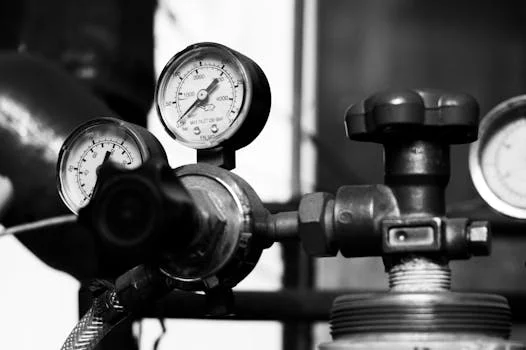
A PLC alarm reading ‘DEVIATION’ is triggered when the actual stroke count deviates more than ±5% from the setpoint, signaling a potential hydraulic or mechanical fault. If back-pressure is above 1.2 bar but flow is below 90% of the setpoint, flush the lines and pump head with 2% NaOH solution for 30 minutes to dissolve polymer buildup. Adhere to a strict diaphragm replacement schedule to prevent catastrophic failure.
Blockages can be full or partial. A full blockage often causes the pump's pressure relief valve to activate repeatedly, creating a cyclic knocking sound. A partial restriction may only show as a gradual decline in flow rate and a corresponding rise in discharge pressure over several hours. A clear sight glass on the suction line helps identify air entrainment; visible air bubbles suggest a loose fitting or leaking valve on the suction manifold, which disrupts accurate dosing and can lead to premature diaphragm failure.
| Component | Replacement Trigger / Fault Threshold | Action |
|---|---|---|
| PTFE Diaphragm | 4 million revolutions or 8,000 hours (whichever is first) | Replace diaphragm kit and lubricate oil chamber |
| Suction/Discharge Valves | Valve ball scar diameter > 1 mm | Replace valve ball and seat |
| Calibration | Stroke counter deviation > ±5% | Perform manual stroke calibration via PLC menu |
Daily inspection of the pump oil is recommended. Milky or cloudy oil indicates a failed hydraulic diaphragm, allowing process fluid to contaminate the oil chamber. Early detection prevents damage to the pump's hydraulic end. Lubricate the pump's external linkages every 500 operating hours with a light machine oil to ensure smooth operation and prevent mechanical seize-up that can mimic an electrical control fault.
Step 3: Calibrate polymer concentration and dosing set-point
Recurring over-dose events are often misdiagnosed as pump failure. The root cause is usually incorrect polymer concentration. For emulsion PAM, target 0.1–0.2%; for powder PAM, use 0.05–0.1%. Measure viscosity with a Brookfield viscometer (spindle #2 at 30 rpm) and log it against your batch number for consistency. If adjustment is needed, change the pump stroke length in 5% increments and wait for at least 3 hydraulic retention times (approx. 45 min) before assessing clarity and making the next change. This prevents the costly cycle of over-correction and polymer waste ($0.80–1.20 kg⁻¹ active).
Maturation time affects polymer effectiveness. Rushing a batch that has not fully matured—typically 30 to 60 minutes depending on water hardness and temperature—results in ineffective "green" polymer with low viscosity and poor flocculation. Operators may then increase dosing rates, worsening performance. Water quality impacts activation; hard water can cause polymer to curl and lose effectiveness, requiring a slightly higher active dosage or use of a dedicated dilution water softener for optimal results.
| PAM Type | Target Concentration (%) | Target Viscosity at 20°C (cP) |
|---|---|---|
| Emulsion | 0.1 - 0.2 | 300 - 400 |
| Powder | 0.05 - 0.1 | 150 - 250 |
For persistent flocculant dosing faults, consider upgrading to a fully automatic polymer dosing skid with PLC for precise viscosity control.
Advanced systems use in-line viscometers that provide real-time feedback to the PLC, automatically adjusting dilution water to maintain consistent concentration despite fluctuations in powder feed rate or water pressure. Closed-loop control eliminates dosing inconsistencies and typically reduces overall polymer consumption by 5–15% by ensuring full activation before delivery to the process.
Preventive-maintenance schedule to avoid next shutdown

Print this A4 checklist to stop faults before they cause a permit breach.
Weekly: Inspect suction and discharge valve balls; replace any with a scar diameter exceeding 1 mm. Also, visually check all suction and discharge hoses for softening, cracking, or blistering, which can indicate chemical degradation and potential failure.
Monthly: Verify the PLC backup battery voltage is above 3.2 V; replace all batteries annually as a set. Additionally, conduct a full-stroke calibration test on each pump. Manually command the pump to stroke at 100% while collecting the discharged liquid in a graduated cylinder for one minute. Compare the actual volume to the pump's calculated output; a variance greater than 5% requires investigation into valve performance or hydraulic oil integrity.
Quarterly: Torque the mixer coupling bolts to 28 Nm and apply food-grade grease to the coupling sleeve. This is also the ideal time to inspect and clean the wet end of the pump—the liquid chambers and valve seats—for any hardened polymer scale. Soaking these components in a warm 2% NaOH solution dissolves most polymer residues without damaging precision-machined surfaces.
Annually: Schedule a full system shutdown for a comprehensive inspection. This includes checking alignment and wear on the powder conveyor screw, replacing the vacuum bag filter element even if it appears clean, and pressure testing the hydraulic oil system for leaks. An annual overhaul prevents unplanned shutdowns caused by component failures.
Frequently Asked Questions
My PLC shows a ‘DEVIATION’ alarm but the pump is running. What now?
This means the actual stroke count is >5% off the setpoint. Immediately check for a clogged discharge line, a leaking diaphragm, or air entrainment on the suction side. Manually purge the pump. If the alarm persists after purging, the issue may be electronic. Check the calibration of the stroke sensing mechanism (often a Hall-effect sensor or proximity switch) to ensure it is correctly counting each stroke of the pump.
How do I know if I’m over-dosing PAM?
The primary signs are cloudy supernatant, fragile floc that breaks apart, and a sticky, gelatinous texture in sludge dewatering equipment. For a definitive check, optimise sludge dewatering after PAM fix to confirm performance. Over-dosing can also create a slippery, soap-like feel on surfaces and cause excessive foaming in mixing tanks and weirs. Chronic over-dosing increases operational chemical costs unnecessarily.
Why does my powder PAM keep bridging in the hopper?
Bridging is caused by humidity compaction or static electricity. Keep storage bags sealed until use and ensure the hopper’s fluidizing pad or mechanical agitator functions correctly. If problems persist, evaluate the powder's characteristics; some anionic polymers are more prone to bridging than cationic ones. Consult your supplier for a product with better flow properties or one that includes an anti-caking agent. Avoid overfilling the hopper, as excess capacity increases downward pressure that encourages bridging.
What is the best way to dissolve cured polymer from equipment?
For routine cleaning, a warm 2% sodium hydroxide (NaOH) solution is effective. For heavily cured or baked-on polymer, a specialized enzymatic cleaner designed for breaking down polyacrylamide is more effective and often less corrosive than strong acids or solvents. Avoid using high-pressure water jets on dried polymer, as this can spread sticky residue to other areas of the equipment.