Sludge Dewatering Equipment in Kazakhstan 2025: Engineering Guide with Costs, Compliance & Supplier Decision Framework
Kazakhstan’s sludge dewatering market is dominated by oil sludge treatment (85% of projects), but municipal and industrial sectors are growing at 12% annually. Key equipment includes centrifuges (92–97% solids capture for oily sludge), belt presses (65–80% dry solids for municipal sludge), and filter presses (30–50% CAPEX savings over centrifuges). Local compliance requires adherence to Kazakhstan’s Environmental Code (2021) and EBRD’s Industrial Pollution Prevention Guidelines, with costs ranging from $50,000 for small-scale systems to $2M+ for large oil sludge projects. This guide provides technical specs, cost benchmarks, and a supplier decision framework for 2025.
Kazakhstan’s Sludge Problem: Why Dewatering is Critical in 2025
Kazakhstan generates 1.2M tons/year of oily sludge (2024 Ministry of Ecology data), with 60% originating from oil & gas operations and 30% from municipal wastewater treatment plants (WWTPs). This significant volume underscores the urgent need for effective sludge management, driven by both environmental imperatives and economic pressures. The presence of hydrogen sulfide (H2S) in oil sludge poses substantial health and safety risks, as demonstrated by an SLB case study where mitigating H2S transport risks saved up to 450,000 barrels of oil and reduced operational hazards.
Regulatory drivers are intensifying pressure on operators. Kazakhstan’s Environmental Code (2021) imposes fines up to 50M KZT ($110K) for non-compliant sludge disposal, making inefficient management a significant financial liability. Beyond fines, the economic disparity between traditional disposal and advanced dewatering techniques is stark: landfilling costs range from $80–$120/ton, whereas dewatered cake can be disposed of for $15–$30/ton (EBRD 2023 benchmarks). This cost differential provides a compelling economic incentive for investing in dewatering technologies.
Kazakhstan faces severe water scarcity, with a UN 2024 report indicating only 1,500 m³/capita/year, which falls below the water stress threshold. Sludge dewatering significantly contributes to water conservation by enabling the recovery of process water for reuse, reducing the demand on freshwater sources. This not only aligns with national sustainability goals but also offers operational benefits, particularly for industrial facilities and municipal WWTPs aiming for resource efficiency and compliance with Kazakhstan’s industrial wastewater treatment standards and compliance guide.
Sludge Dewatering Technologies: How Each Works in Kazakhstan’s Conditions
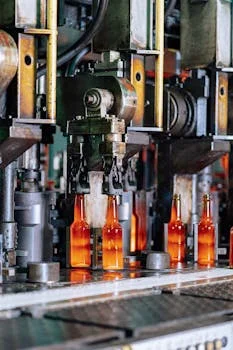
Centrifuges achieve solids capture rates of 92–97% for oily sludge and 85–90% for municipal sludge through high G-force separation (2,000–4,000 G). In a decanter centrifuge, sludge is fed into a rotating bowl, where centrifugal force separates solids from liquids. The heavier solids are pressed against the bowl wall and conveyed out by a scroll, while clarified liquid overflows. For oily sludge treatment in Kazakhstan, diesel dilution is often required, typically at a 1:1 diesel-to-sludge ratio (GN Solids Control data) to reduce viscosity and improve separation efficiency. To combat Kazakhstan’s harsh winters, which can reach -40°C, centrifuges often require heated housings and specialized cold-weather lubricants to prevent freezing and maintain operational integrity.
Belt presses dewater sludge by passing it between two tensioned porous belts, gradually increasing pressure to squeeze out water. Polymer dosing, typically 3–5 kg/ton of dry solids, is critical to flocculate particles and enhance dewatering. Belt tension, maintained at 0.3–0.5 MPa, ensures efficient water removal. Belt presses achieve dry solids output of 65–80% for municipal sludge and 50–60% for industrial sludge. In Kazakhstan's extreme temperatures, insulated enclosures are vital for belt presses to protect components from freezing and maintain optimal operating conditions, preventing potential belt damage or process interruption.
Filter presses operate by pumping sludge into chambers formed by filter plates, where solids are retained on filter cloths, and filtrate passes through. Plate sizes typically range from 800–1500 mm, and filtration pressure is applied at 0.6–1.5 MPa. Cycle times vary from 2–4 hours, yielding a dry cake with 30–40% dry solids. HydropureWater plate and frame filter presses for Kazakhstan’s industrial sludge are designed for robust performance in challenging conditions. These systems are less sensitive to cold than centrifuges or belt presses, but proper insulation of feed lines and pumps is still crucial for remote sites in Kazakhstan.
Thermal drying systems, such as the Veolia EVAPORIS LT, further reduce sludge moisture content using hot air convection at low temperatures (65–80°C). This process is highly effective for achieving high dry solids content, particularly for oily sludge, and can significantly reduce sludge volume. Energy consumption for thermal drying typically ranges from 0.8–1.2 kWh/kg of water evaporated. Compliance with the EU Industrial Emissions Directive (2010/75/EU) for VOC emissions is a key consideration for thermal drying facilities, especially when processing oily sludge in Kazakhstan.
| Technology | Mechanism | Typical Sludge Type (Kazakhstan) | Cold Weather Adaptations |
|---|---|---|---|
| Centrifuge | High-speed centrifugal force separates solids from liquids. | Oily, fine municipal, industrial (high solids capture) | Heated housings, cold-weather lubricants, insulated feed lines. |
| Belt Press | Mechanical squeezing between two porous belts. | Municipal, industrial (moderate solids capture) | Insulated enclosures, anti-freeze for wash water, robust belt materials. |
| Filter Press | Pressure filtration through filter cloths in plate chambers. | Industrial, municipal (high dry cake solids) | Low-maintenance design for remote sites, insulated feed lines, robust plate materials. |
| Thermal Dryer | Hot air convection (65–80°C) to evaporate remaining water. | Oily, highly concentrated industrial sludge (volume reduction) | Enclosed systems, exhaust gas treatment, robust heating elements. |
Technical Specifications: Matching Equipment to Kazakhstan’s Sludge Types
Selecting the optimal sludge dewatering equipment in Kazakhstan requires a detailed evaluation of over ten technical criteria, including solids capture, footprint, and energy consumption, tailored to specific sludge characteristics. The choice between centrifuges, belt presses, and filter presses depends heavily on the sludge source (oily, municipal, industrial), desired dry cake solids, and operational constraints specific to Kazakhstan's environment. For instance, oily sludge treatment in Kazakhstan often necessitates equipment capable of high solids capture and robust construction to handle challenging, viscous materials.
Kazakhstan-specific considerations are paramount, including the need for H2S-resistant materials such as 316L stainless steel in components exposed to oily sludge to prevent corrosion. Explosion-proof motors and controls (ATEX/IECEx certified) are essential for any equipment deployed in oil & gas facilities to mitigate fire and explosion risks. cold-weather lubricants and heating elements are critical for maintaining operational efficiency and preventing damage in temperatures ranging from -40°C to +40°C. Calculating required capacity is fundamental: (Sludge volume × solids concentration) / (dry cake solids × operating hours) provides the necessary throughput for effective system design.
For more detailed information on equipment selection, refer to detailed 2025 sludge dewatering machine specifications and cost benchmarks.
| Criteria | Centrifuge (Oily Sludge) | Belt Press (Municipal Sludge) | Filter Press (Industrial Sludge) | Thermal Dryer (Oily/Industrial) |
|---|---|---|---|---|
| Solids Capture (%) | 92–97% (KOSUN project specs) | 85–90% (Veolia benchmarks) | 98–99% (HydropureWater data) | N/A (further drying) |
| Dry Cake Solids (%) | 25–35% | 18–25% | 35–50% | 60–90% |
| Footprint (m²) | 15–50 | 20–80 | 30–100 | 50–200 |
| Energy Use (kWh/ton dry solids) | 20–40 | 5–15 | 10–25 | 800–1200 (kWh/ton water evap.) |
| Polymer Use (kg/ton dry solids) | 5–10 | 3–5 | 1–3 | 0 (post-dewatering) |
| CAPEX ($) | $500,000–$2M | $50,000–$200,000 | $100,000–$500,000 | $1M–$5M |
| OPEX ($/ton dry solids) | $20–$40 | $10–$25 | $15–$30 | $50–$150 (incl. fuel) |
| Climate Suitability (Kazakhstan) | Excellent (with heating/insulation) | Good (with insulation/enclosures) | Very Good (robust, low moving parts) | Excellent (enclosed system) |
| Maintenance Intervals | Moderate (bearings, seals) | Frequent (belts, rollers, nozzles) | Low (plates, cloths) | Moderate (heat exchangers, fans) |
| H2S Resistance Required | Yes (316L SS, explosion-proof) | No (typically municipal) | Yes (if oily/industrial sludge) | Yes (if oily sludge) |
Cost Breakdown: CAPEX, OPEX, and ROI for Kazakhstan Projects
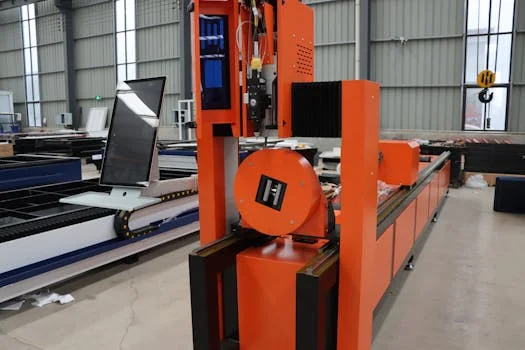
Capital expenditures (CAPEX) for sludge dewatering systems in Kazakhstan range from $50,000–$200,000 for small municipal systems (1–5 m³/h capacity) to $500,000–$2M for large oil sludge projects (10–50 m³/h). This wide range reflects the complexity, capacity, and specialized requirements for different sludge types. For instance, an oily sludge centrifuge system requires explosion-proof components and specialized materials, driving up initial investment compared to a municipal belt press.
Operational expenditures (OPEX) are a critical factor for long-term project viability. According to EBRD 2024 data, OPEX for dewatering systems typically breaks down as follows: energy (40%), polymer (30%), labor (20%), and maintenance (10%). Kazakhstan-specific costs significantly influence these figures: electricity averages $0.08/kWh, labor costs are $5–$10/hour, and polymer prices range from $3–$5/kg. These local benchmarks are crucial for accurate project budgeting and ROI calculations.
The Return on Investment (ROI) for sludge dewatering projects can be substantial, especially when considering reduced landfill fees and potential revenue from oil recovery. The ROI is calculated as: (Annual savings from reduced landfill fees + oil recovery revenue) / (CAPEX + annual OPEX). A compelling case study from the Atyrau refinery (2023 KMG Engineering report) showed annual savings of $1.2M by switching from landfilling to centrifuge dewatering, demonstrating the significant financial benefits of such investments in Kazakhstan.
| Cost Category | Range for Small Municipal (1-5 m³/h) | Range for Large Oil Sludge (10-50 m³/h) | Kazakhstan-Specific Factors |
|---|---|---|---|
| CAPEX (Equipment & Installation) | $50,000 – $200,000 | $500,000 – $2,000,000+ | Import duties, local fabrication costs, specialized cold-weather features. |
| OPEX (per ton dewatered cake) | $10 – $25 | $20 – $40 | Electricity ($0.08/kWh), Labor ($5–$10/hour), Polymer ($3–$5/kg). |
| Annual Landfill Savings (per ton) | $65 – $90 | $65 – $90 | Reduced volume, lower transport costs. Landfill fees: $80–$120/ton. |
| Oil Recovery Revenue (per ton oily sludge) | N/A | $50 – $150 (depending on oil content/market) | Crude oil prices, quality of recovered oil. |
| Typical ROI Period | 1.5 – 3 years | 1 – 2.5 years | Driven by landfill savings, oil recovery, and regulatory compliance avoidance. |
Kazakhstan’s Regulatory Landscape: Permits, Standards, and Compliance
Kazakhstan’s Environmental Code (2021) sets stringent sludge disposal limits, requiring a maximum of 60% moisture for landfilling and 30% for agricultural reuse. These regulations are designed to minimize environmental impact and promote resource recovery. Facilities must adhere to these moisture content standards to avoid penalties and ensure responsible waste management. Beyond national laws, projects often need to comply with international guidelines, such as EBRD/World Bank standards, which impose heavy metal limits (e.g., Cadmium < 10 mg/kg, Lead < 300 mg/kg) for sludge destined for agricultural reuse (EBRD 2023 guidelines).
Permit requirements are comprehensive. Environmental impact assessments (EIA) are mandatory for sludge dewatering systems with capacities exceeding 5 m³/h. Additionally, facilities processing sludge, particularly oily or industrial waste, must submit annual emissions reports for volatile organic compounds (VOCs) and hydrogen sulfide (H2S) to the Ministry of Ecology. Failure to comply with these regulations can result in significant penalties, including fines up to 50M KZT ($110K) or even equipment confiscation.
Kazakhstan Sludge Dewatering Compliance Checklist (2025)
- Ensure dewatered sludge meets <60% moisture for landfill disposal.
- Achieve <30% moisture for sludge intended for agricultural reuse.
- Verify heavy metal content (e.g., Cd < 10 mg/kg, Pb < 300 mg/kg) for agricultural reuse (EBRD 2023).
- Obtain Environmental Impact Assessment (EIA) for systems > 5 m³/h capacity.
- Install H2S monitors if processing oily sludge and implement mitigation strategies.
- Ensure explosion-proof (ATEX/IECEx) equipment for oil & gas applications.
- Submit annual sludge disposal reports to the Ministry of Ecology.
- Report VOC and H2S emissions annually, especially for thermal drying systems.
- Implement a comprehensive waste management plan as per Environmental Code (2021).
- Train operators on safety protocols and environmental compliance.
Supplier Decision Framework: How to Evaluate Vendors in Kazakhstan
A robust supplier evaluation framework for sludge dewatering equipment in Kazakhstan prioritizes local service networks, immediate spare parts availability (lead time < 2 weeks), and adherence to local and international standards. A supplier’s ability to provide rapid, on-the-ground support is critical in Kazakhstan’s vast and sometimes remote industrial regions, minimizing downtime and operational costs. vendors must demonstrate compliance with Kazakhstan-specific standards (GOST-K certification) and international benchmarks like EBRD guidelines, particularly for financing or multinational projects.
Red flags during supplier evaluation include the absence of a local office or a heavy reliance on third-party distributors without direct support channels. A lack of explosion-proof certifications (ATEX/IECEx) for equipment proposed for oil sludge projects is an immediate disqualifier. Common pitfalls in procurement include underestimating long-term polymer costs, ignoring the impact of Kazakhstan’s extreme cold-weather performance on equipment, and failing to account for H2S corrosion risks in oily sludge applications. PLC-controlled polymer dosing systems for Kazakhstan’s oily sludge projects can mitigate some of these challenges by optimizing chemical usage.
To ensure a comprehensive evaluation, a scoring system can be employed:
| Evaluation Criteria | Score (0-5 points) | Notes |
|---|---|---|
| Local Service Network | 0-5 | Presence in Kazakhstan/Russia/CIS, response time, certified technicians. |
| Spare Parts Availability | 0-5 | Lead time < 2 weeks, local inventory, critical components. |
| Compliance & Certifications | 0-5 | GOST-K, EBRD, ATEX/IECEx (for oil sludge), Environmental Code (2021). |
| Project References in Kazakhstan | 0-5 | Successful installations, client testimonials, operational data. |
| Cost Transparency (CAPEX/OPEX) | 0-5 | Detailed breakdown, no hidden fees, life cycle cost analysis. |
| Technical Support & Training | 0-5 | Operator training, troubleshooting, remote monitoring capabilities. |
| Cold Weather Performance Features | 0-5 | Heated housings, insulated components, cold-weather lubricants. |
| H2S/Corrosion Resistance | 0-5 | 316L SS, specialized coatings, material certifications (for relevant applications). |
Pre-qualified suppliers known for their presence and experience in the region include global players like GN Solids Control and KOSUN, alongside local distributors such as KazMunayGas Engineering and EcoTech Kazakhstan, who often provide integration and localized support.
Frequently Asked Questions
Who owns the oil in Kazakhstan?
The Republic of Kazakhstan owns all subsoil resources, including oil, as stipulated by Article 6 of the Constitution of Kazakhstan. Oil sludge generated by operators (e.g., Tengizchevroil, KMG) remains their responsibility for treatment and disposal in compliance with national regulations.
What are the environmental issues in Kazakhstan?
The top three environmental issues in Kazakhstan are: (1) Water scarcity, with a UN 2024 report indicating only 1,500 m³/capita/year, which is below the water stress threshold. (2) H2S risks in oil sludge, as highlighted by an SLB case study where mitigating these risks saved 450,000 barrels of oil. (3) Soil contamination from industrial sludge, with the Ministry of Ecology 2023 reporting 20% of industrial sites are contaminated.
What is the water quality in Kazakhstan?
Surface water quality in Kazakhstan is a significant concern, with 40% of rivers failing to meet Class III standards (Ministry of Ecology 2024). Sludge dewatering improves water reuse compliance by enabling the treatment of effluent for purposes like irrigation, thereby reducing the strain on freshwater resources and improving overall water quality management.
How much does sludge dewatering equipment cost in Kazakhstan?
Capital expenditure (CAPEX) for sludge dewatering equipment in Kazakhstan ranges from $50,000–$2M, depending on capacity (1–50 m³/h) and technology (e.g., centrifuge vs. filter press). Operational expenditure (OPEX) typically costs $15–$30/ton for dewatered cake, based on EBRD 2024 benchmarks, factoring in local energy, polymer, and labor costs.
What are the best sludge dewatering technologies for Kazakhstan’s climate?
For Kazakhstan’s climate, which experiences temperature extremes from -40°C to +40°C, centrifuges with heated housings, belt presses with insulated enclosures, and filter presses designed for low-maintenance and robust operation are highly suitable. Thermal drying systems (operating at 65–80°C) are also effective for achieving high dry solids content in oily sludge but require strict VOC compliance.