Sludge Dewatering Equipment in Finland 2025: Engineering Data, Costs & Supplier Decision Guide
Finland’s sludge dewatering equipment market is dominated by three technologies: belt presses, screw presses, and decanter centrifuges. For municipal sludge (3–5% dry solids), belt presses achieve 18–25% cake solids at 50–300 m³/h throughput, while screw presses handle 0.5–10 m³/h, often in modular 20ft containers. Decanter centrifuges, as demonstrated in Turku WWTP, reduced operating costs by 40% but typically require higher CAPEX, ranging from €250K to €500K. Finland’s HELCOM guidelines mandate less than 10% organic content in disposed sludge, a requirement that favors high-efficiency dewatering systems.Why Finland’s Sludge Dewatering Costs Are Rising (And How Equipment Choice Cuts Expenses)
Sludge disposal costs in Finland averaged €120–€180/ton in 2024, representing a 22% increase since 2020 due to stricter landfill regulations and the EU Circular Economy Action Plan. This escalating operational expenditure places significant pressure on municipal and industrial wastewater treatment plants across the country. The shift away from landfilling organic waste, coupled with rising transportation and incineration costs, has made efficient sludge dewatering a critical economic imperative. Finland operates under stringent environmental mandates, notably the HELCOM Baltic Sea Action Plan. This directive requires disposed sludge to contain less than 10% organic content by 2027, compelling plants to achieve cake solids percentages often exceeding 25% dry solids (DS). Inadequate dewatering directly translates to higher disposal volumes and increased costs, as plants pay for water content in their sludge. For instance, Turku WWTP demonstrated the financial impact of advanced dewatering, reporting annual sludge disposal cost reductions of €350,000 after upgrading its dewatering infrastructure. Sludge characteristics vary significantly across Finland, influencing equipment selection. Municipal wastewater treatment plants typically handle sludge with 3–5% DS, characterized by relatively consistent properties. Industrial facilities, however, encounter a broader range, from 1–15% DS, often with variable organic content, particle sizes, and chemical compositions depending on the industry (e.g., pulp and paper, food processing, chemical manufacturing). Matching the dewatering technology to these specific sludge types is paramount for maximizing efficiency and minimizing operational expenses, particularly given the rising cost pressures and strict regulatory environment.Sludge Dewatering Technologies Compared: Belt Press vs. Screw Press vs. Centrifuge for Finnish Conditions
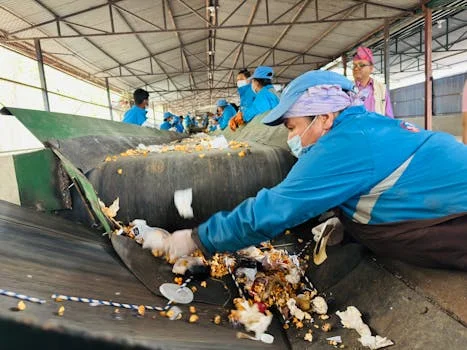
Belt Press: This technology employs mechanical pressure, typically ranging from 2 to 10 bar, to squeeze water from sludge as it passes between two permeable belts. Belt presses are well-suited for municipal sludge, particularly with infeed concentrations of 3–8% DS, achieving cake solids percentages between 18% and 25%. Finnish manufacturers commonly offer models with throughputs of 50–300 m³/h. Their robust design and relatively lower energy consumption make them a popular choice for larger municipal operations. However, cold Finnish winters necessitate heated polymer dosing systems to maintain optimal polymer viscosity and effectiveness.
Screw Press: Operating on a principle of slow, continuous compression (0.5–2 bar), screw presses gradually dewater sludge as it moves through a rotating screw within a cylindrical screen. These units are characterized by low energy consumption, typically 0.3–0.8 kWh/m³ of dewatered sludge, and a smaller footprint. Modular units, often housed in 20ft containers, are ideal for remote sites or facilities with limited space. Screw presses can handle a wide range of sludge types and are more tolerant to freezing conditions due to their enclosed design, making them a practical option for regions experiencing harsh winters. They generally achieve cake solids of 18–22%.
Decanter Centrifuge: Decanter centrifuges utilize high G-forces (2,000–4,000 G) to separate solids from liquids. This technology is highly effective for industrial sludge, which often has varying concentrations (1–15% DS) and fine particles, achieving superior cake solids of 25–35%. While requiring a higher initial CAPEX, decanter centrifuges can offer significant operational savings; Turku WWTP, for example, reported a 40% reduction in OPEX after adopting this technology. Their enclosed system minimizes odor and aerosol emissions, which can be advantageous in urban settings. Polymer consumption for decanter centrifuges can range from 3–8 kg/ton DS, similar to belt presses, where certain belt press models are known to consume 3–6 kg/ton for optimal performance (Ekotuotanto data).
Here’s a comparative overview of the technologies:
| Technology | Mechanism | Typical Cake Solids (%) | Typical Throughput (m³/h) | Energy Consumption (kWh/m³) | Polymer Consumption (kg/ton DS) | Key Advantages | Key Disadvantages | Ideal Application |
|---|---|---|---|---|---|---|---|---|
| Belt Press | Mechanical pressure (2–10 bar) | 18–25% | 50–300 | 0.5–1.0 | 3–6 | High throughput, robust, proven | Higher water content in cake, open system (odor), cold climate polymer heating | Large municipal WWTPs (3–8% DS) |
| Screw Press | Slow compression (0.5–2 bar) | 18–22% | 0.5–10 | 0.3–0.8 | 4–8 | Low energy, modular, enclosed, low noise, cold tolerant | Lower throughput, slightly lower cake solids | Small/medium municipal, remote sites, industrial (variable DS) |
| Decanter Centrifuge | High G-force (2,000–4,000 G) | 25–35% | 10–120 | 0.8–1.2 | 3–8 | High cake solids, enclosed, handles variable industrial sludge | Higher CAPEX, more complex maintenance | Industrial WWTPs (1–15% DS), large municipal requiring high cake solids |
Finland’s Top 5 Sludge Dewatering Equipment Suppliers: Technical Specs and Cost Benchmarks
Finland's sludge dewatering equipment market is characterized by several key suppliers, offering a range of technologies from belt presses to decanter centrifuges, with specific performance metrics and investment costs critical for procurement decisions. These suppliers cater to both municipal and industrial clients, often integrating solutions tailored for cold climates and stringent regulatory compliance.- Dewaco (Finland): A prominent Finnish manufacturer specializing in belt presses. Their BFP series belt presses are known for robust performance, achieving 20–25% cake solids with throughputs ranging from 50–300 m³/h. CAPEX for these systems typically falls between €120,000 and €350,000, depending on capacity and customization. Dewaco models are designed to meet EU Urban Waste Water Directive 91/271/EEC and often incorporate features for HELCOM compliance.
- Owatec (Finland): Focuses on modular sludge dewatering solutions, primarily screw presses. Their Dewater unit, often housed in a 20ft container, offers a compact and flexible solution for smaller plants or remote locations. These screw presses handle 0.5–10 m³/h and achieve 18–22% cake solids. CAPEX for Owatec’s modular units is generally in the €80,000–€150,000 range, making them a cost-effective option for specific site constraints.
- Ekotuotanto (Finland): Provides belt filter presses (BFP P series) with advanced predewatering capabilities, allowing them to process very low concentration sludge, with infeed concentrations varying from 0.3% to 8% DS. These presses typically achieve 20–28% cake solids. CAPEX for Ekotuotanto’s belt filter presses ranges from €90,000 to €280,000. Their systems are designed for high efficiency and compliance with Finnish environmental regulations.
- Flottweg (Germany, active in Finland): A global leader in decanter centrifuge technology. Their Z92 series centrifuges are widely used in Finland for demanding industrial sludge dewatering applications, handling 10–120 m³/h and achieving high cake solids of 25–35%. While the CAPEX is higher, typically €250,000–€500,000, the operational efficiency and high dry solids content can lead to significant long-term savings, as demonstrated by the Turku WWTP case study.
- Aquaflow (Finland): Specializes in effluent treatment equipment, particularly for pulp and paper mills. They offer robust belt presses designed for high-performance sludge dewatering in industrial settings, achieving 92–97% TSS removal. CAPEX for Aquaflow’s specialized belt presses can range from €150,000 to €400,000, reflecting their industrial-grade construction and customization for challenging waste streams.
Operating Expense (OPEX) benchmarks for sludge dewatering equipment in Finland are critical for long-term budget planning. Energy consumption typically ranges from 0.3–1.2 kWh/m³ of dewatered sludge, heavily influenced by the chosen technology and scale. Polymer consumption, essential for flocculation, generally falls between 3–8 kg/ton DS. Maintenance costs can vary significantly, from €10,000 to €50,000 per year, depending on equipment complexity, operational hours, and the aggressiveness of the sludge. All these suppliers offer equipment that meets the stringent requirements of the EU Urban Waste Water Directive 91/271/EEC, and many provide models specifically designed to facilitate compliance with HELCOM guidelines for sludge organic content. For facilities requiring highly efficient dewatering and compact designs, a plate and frame filter press for high-solids sludge can also be a viable option, offering high dry solids content.
| Supplier | Technology Type | Typical Throughput (m³/h) | Cake Solids (%) | Estimated CAPEX (€) | Key Features/Specialization | Regulatory Compliance Focus |
|---|---|---|---|---|---|---|
| Dewaco | Belt Press (BFP series) | 50–300 | 20–25% | €120K–€350K | Robust, high throughput, municipal | EU UWWTD, HELCOM-compliant models |
| Owatec | Screw Press (Dewater) | 0.5–10 | 18–22% | €80K–€150K | Modular 20ft container, low energy, remote sites | EU UWWTD |
| Ekotuotanto | Belt Filter Press (BFP P) | 1–8% DS infeed (up to 0.3% with double predewatering) | 20–28% | €90K–€280K | Predewatering for low concentration sludge | EU UWWTD, HELCOM-compliant models |
| Flottweg | Decanter Centrifuge (Z92) | 10–120 | 25–35% | €250K–€500K | High cake solids, industrial sludge, OPEX savings | EU UWWTD |
| Aquaflow | Belt Press (specialized) | Variable (industrial scale) | 92–97% TSS removal | €150K–€400K | Pulp/paper mill specialization, high TSS removal | EU UWWTD |
How to Choose Sludge Dewatering Equipment for Finnish Projects: A 5-Step Decision Framework
- Step 1: Analyze Sludge Characteristics. The foundational step involves a thorough analysis of the sludge to be dewatered. Key parameters include dry solids (DS%) content, particle size distribution, organic content, pH, and rheological properties. For municipal sludge, infeed concentrations typically range from 3–5% DS, but industrial sludges can vary widely (0.3–15% DS). Understanding these characteristics, such as Ekotuotanto’s capability to handle infeed concentrations from 0.3% to 8% DS with predewatering, is crucial for selecting compatible technology.
- Step 2: Match Technology to Sludge Type. Based on the sludge analysis, select the technology best suited for its characteristics. Belt presses and screw presses are generally ideal for municipal sludge due to their cost-effectiveness and operational simplicity. For industrial sludges, especially those with high solids content, fine particles, or variable composition, decanter centrifuges or robust filter presses often provide superior performance.
- Step 3: Evaluate Site Constraints. Assess physical and environmental limitations of the installation site. This includes available footprint, existing infrastructure, power supply, and proximity to residential areas (for noise and odor considerations). For instance, modular units like Owatec’s containerized screw presses are excellent for remote sites or facilities with limited space, while permanent installations from suppliers like Dewaco are more common for larger, established urban plants. Cold climate considerations, such as the need for heated polymer dosing systems for belt presses during winter, must also be factored in.
- Step 4: Calculate CAPEX/OPEX. Develop a detailed cost analysis encompassing both Capital Expenditure (CAPEX) and Operational Expenditure (OPEX). CAPEX includes the equipment purchase, installation, and commissioning. OPEX covers energy consumption (Finland’s electricity costs average around €0.12/kWh), polymer usage (with prices ranging from €2.5–€4/kg), maintenance, and labor. Remember to include the cost of sludge disposal, which is a major driver of OPEX.
- Step 5: Assess ROI and Permitting. Calculate the Return on Investment (ROI) by comparing the total costs of the new system against the savings generated, primarily from reduced sludge disposal volumes and lower energy/chemical consumption. For example, a 10,000 PE municipal plant can achieve annual savings of €80,000 by upgrading from a system yielding 15% cake solids to one achieving 25% cake solids (2024 Finnish Water Utilities Association data). Additionally, understand Finland’s permitting process; environmental permits are required for wastewater treatment plants serving populations equivalent to more than 10,000 people (Finnish Environment Institute). For a broader perspective on global sludge dewatering equipment specifications and selection, refer to our global sludge dewatering equipment specifications guide.
Frequently Asked Questions
Small-scale sludge dewatering equipment in Finland, such as modular screw presses, typically starts at a CAPEX of €80,000, while compact belt presses can begin at €90,000 for capacities of 1–5 m³/h. These entry-level costs provide a benchmark for facilities with lower throughput requirements.- What is the cost of small sludge dewatering equipment in Finland? Modular screw presses, such as those offered by Owatec (Dewater series), start at approximately €80,000. Compact belt presses from suppliers like Ekotuotanto (BFP P series) for 1–5 m³/h capacity can begin at €90,000, making them accessible for smaller municipal or industrial applications.
- How does Finland’s climate affect sludge dewatering equipment? Cold winters in Finland significantly impact dewatering operations, primarily by increasing polymer viscosity. This can reduce flocculation efficiency. Suppliers like Dewaco recommend heated polymer dosing systems for belt presses to maintain optimal performance and prevent freezing of process water lines. Enclosed systems, such as screw presses, also offer better thermal stability.
- What are the maintenance requirements for sludge dewatering equipment in Finland? Maintenance varies by technology. For belt presses, weekly checks for belt tracking and tension are critical, with filter belt replacement typically occurring monthly or quarterly, costing €2,000–€5,000 per year. Screw presses, as per Owatec data, generally require quarterly screw inspections and periodic cleaning. Decanter centrifuges require more specialized maintenance, including bearing lubrication and occasional replacement of wear parts. Automated polymer dosing for sludge conditioning can also reduce manual oversight.
- Can sludge dewatering equipment in Finland handle industrial waste? Yes, sludge dewatering equipment in Finland is designed to handle various industrial waste streams, including those from pulp/paper mills, food processing, and chemical industries. However, industrial sludge often requires specific pre-treatment steps, such as pH adjustment, screening, or chemical conditioning, due to its variable composition and higher solids content. Aquaflow, for example, offers specialized belt presses tailored for the demanding characteristics of pulp mill sludge.
- What are the disposal options for dewatered sludge in Finland? Disposal options for dewatered sludge in Finland have evolved due to stricter regulations. Landfilling of organic sludge has been largely banned since 2023. Primary alternatives include incineration, which can cost €150–€250/ton, and agricultural reuse. For agricultural reuse, dewatered sludge must meet stringent HELCOM-compliant quality criteria, particularly regarding heavy metal content and organic matter, making high-efficiency dewatering systems crucial.
Related Equipment
The following HydropureWater products are engineered for the wastewater challenges discussed above:
- automated polymer dosing for sludge conditioning — view specifications, capacity range, and technical data
Need a customized solution? Request a free quote with your specific flow rate and pollutant parameters.