Pokhara’s industrial wastewater treatment requirements in 2025 demand compliance with Nepal’s effluent standards (BOD < 50 mg/L, COD < 250 mg/L) while addressing local challenges like tourism-driven seasonal flow variations and land scarcity. For hotels and textile factories in Gandaki Province, dissolved air flotation (DAF) systems achieve 92–97% TSS removal at 4–300 m³/h, while MBR systems deliver near-reuse-quality effluent (<10 mg/L BOD) for water recycling. Costs range from $50,000 for compact package plants (10 m³/h) to $1.2M+ for large-scale ETPs (200 m³/h), with OPEX at $0.15–$0.40/m³ treated.
Pokhara’s Industrial Wastewater Crisis: Why 2025 Compliance Can’t Wait
Gandaki Province’s industrial sector, comprising 808 registered factories (approximately 9% of Nepal’s total industrial base), faces a 2025 regulatory deadline that mandates a reduction in biological oxygen demand (BOD) to below 50 mg/L before discharge into the Seti River basin. For the 37% of these units involved in manufacturing and the 22% operating in the tourism sector, the era of unregulated discharge is ending. Local enforcement in Pokhara has tightened as the Seti River and Phewa Lake face increasing ecological pressure from untreated effluents, with recent water quality tests showing BOD levels reaching 120 mg/L and Total Suspended Solids (TSS) exceeding 300 mg/L in industrial discharge zones.
The urgency for Pokhara’s factory owners is driven by both environmental necessity and legal risk. Under the updated 2025 effluent standards, non-compliant facilities in Gandaki Province face fines of up to NPR 500,000 and the potential for operational suspension. A real-world scenario recently saw a major lakeside hotel fined for discharging kitchen oils and laundry chemicals directly into the municipal drainage system, highlighting the shift toward active monitoring. Beyond fines, the physical geography of Pokhara presents a unique challenge: land scarcity. With industrial zones located in hilly terrain or near high-value tourism real estate, traditional, large-footprint treatment lagoons are no longer viable.
Seasonal flow variation is the final technical hurdle. Pokhara’s tourism-heavy economy means wastewater volumes can spike by 20–30% during peak seasons (October–November and March–May). A textile unit or a resort that designs an Effluent Treatment Plant (ETP) for average flows will see system failure during these surges. Engineering a resilient system in 2025 requires accounting for these peaks through modular equipment selection and buffer equalization tanks, ensuring that the Seti River remains protected regardless of the tourist headcount.
Pokhara’s Effluent Standards vs. Your Factory’s Wastewater: A Compliance Reality Check
Industrial effluent in Pokhara varies significantly by sector, but most untreated discharge currently exceeds Nepal’s 2025 standards by a factor of three to five. For instance, textile dyeing units in the region often produce wastewater with Chemical Oxygen Demand (COD) levels of 800 mg/L, far above the 250 mg/L limit. Hotels and resorts contribute high concentrations of Fats, Oils, and Grease (FOG) and surfactants from laundry operations, while agro-processing units, such as dairy or fruit processing, struggle with high organic loads (BOD) and fluctuating pH levels.
The "grey water gap" is a specific concern identified in recent provincial audits. Many Pokhara factories and hotels treat only black water (sewage) while allowing grey water from industrial processes and kitchens to bypass treatment. This practice is no longer acceptable under the 2025 framework, which requires all process water to meet specific chemical and physical parameters before discharge. The following table compares the 2025 standards against typical untreated profiles from Pokhara’s primary industries.
| Parameter | Nepal 2025 Standard (Limit) | Hotel Effluent (Untreated) | Textile Effluent (Untreated) | Agro-Processing (Untreated) |
|---|---|---|---|---|
| BOD (mg/L) | < 50 | 200–350 | 150–300 | 300–800 |
| COD (mg/L) | < 250 | 400–600 | 800–1,500 | 600–1,200 |
| TSS (mg/L) | < 100 | 150–250 | 400–600 | 200–500 |
| pH | 6.5–8.5 | 6.0–9.0 | 9.0–11.0 | 4.5–7.0 |
| Oil & Grease (mg/L) | < 10 | 30–50 | 10–20 | 20–40 |
Addressing these gaps requires more than just biological treatment. Textile units must manage heavy metals like chromium (standard < 0.1 mg/L) and intense color, while agro-processors must manage rapid acidification in their holding tanks. The hilly terrain of Pokhara further complicates compliance, as land acquisition for large-scale settling ponds is often impossible. This necessitates the use of high-rate, compact technologies that can be installed in basements or small outdoor footprints.
How to Treat Industrial Wastewater in Pokhara: Technology Options Compared
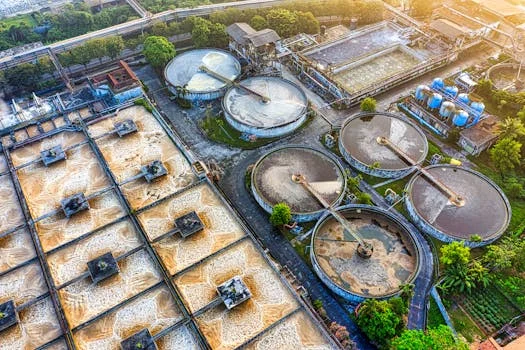
Selecting the right technology for a Pokhara-based ETP depends on the industry’s specific contaminants and the available physical space. Dissolved Air Flotation (DAF) has emerged as a preferred primary treatment for the tourism and agro-processing sectors because it excels at removing FOG and suspended solids within a very small footprint. For textile units requiring high-quality water for reuse, Membrane Bioreactor (MBR) systems provide the most reliable path to meeting the <10 mg/L BOD requirement often requested by international buyers or for internal recycling.
For hotels, DAF systems for Pokhara’s hotels and agro-processing units offer 92–97% TSS removal. These systems use micro-bubbles to float light solids and oils to the surface for mechanical skimming, making them significantly more efficient than traditional grease traps. In contrast, MBR systems for Pokhara’s textile factories and water reuse combine biological treatment with membrane filtration. This eliminates the need for secondary clarifiers, reducing the overall system footprint by up to 60% compared to conventional activated sludge systems—a critical advantage given Pokhara's land constraints.
| Technology | BOD Removal | Footprint | CAPEX | OPEX | Best Use Case |
|---|---|---|---|---|---|
| DAF | 40–60% | Compact | Moderate | Low-Mid | Hotels, Dairies, FOG removal |
| MBR (Integrated) | 95–99% | Very Small | High | Moderate | Textiles, Water Reuse |
| Activated Sludge | 85–95% | Large | Low | Moderate | Large Agro-units (if land exists) |
| Chemical Coagulation | 30–50% | Moderate | Low | High | Small-scale pretreatment |
| Constructed Wetlands | 70–80% | Very Large | Low | Very Low | Rural resorts with ample land |
While chemical coagulation is a viable low-CAPEX option for small dyeing units, the high cost of imported chemicals in Nepal often leads to an unsustainable OPEX. Conversely, while constructed wetlands are environmentally attractive, they are generally impractical for Pokhara’s urban and industrial corridors due to land prices. For most 2025 projects, the decision framework favors automated, mechanical systems that can handle seasonal spikes without biological upset.
Pokhara ETP Costs 2025: CAPEX, OPEX, and ROI for Your Factory
Budgeting for an ETP in Pokhara requires a clear distinction between capital expenditure (CAPEX) and ongoing operating expenditure (OPEX). For a medium-sized factory or hotel, the initial investment is often seen as a hurdle, but when compared to the cost comparison of secondary vs. tertiary treatment for Pokhara’s industries, the long-term ROI of advanced systems becomes clear through water savings and fine avoidance. In Pokhara, a 50 m³/h DAF-based system typically ranges from $120,000 to $180,000, while a high-efficiency MBR system of the same capacity can reach $250,000 due to membrane costs.
OPEX is primarily driven by electricity, chemical consumption, and sludge management. Sludge disposal in Gandaki Province has become more expensive, with costs ranging from NPR 2,000 to 5,000 per ton for transport and compliant disposal. To mitigate this, many factories are integrating sludge dewatering solutions for Pokhara’s ETPs, which reduce sludge volume by 70–80%, drastically lowering disposal fees. The following table provides 2025 cost benchmarks based on HydropureWater field data.
| System Capacity | Tech Type | Estimated CAPEX | OPEX ($/m³ treated) | Annual Sludge Cost (Est.) |
|---|---|---|---|---|
| 10 m³/h (Package) | MBR | $50,000 – $75,000 | $0.35 – $0.40 | $2,000 – $4,000 |
| 50 m³/h | DAF + Bio | $120,000 – $180,000 | $0.18 – $0.25 | $8,000 – $12,000 |
| 100 m³/h | MBR | $300,000 – $450,000 | $0.30 – $0.35 | $15,000 – $22,000 |
| 200 m³/h | DAF + AS | $600,000 – $900,000 | $0.15 – $0.22 | $30,000 – $45,000 |
The Return on Investment (ROI) for these systems is calculated by totaling the avoided annual fines (up to NPR 500,000 per violation), the reduction in municipal water procurement costs (often $0.80–$1.20/m³ in Pokhara), and the savings in sludge transport. For a hotel treating 50 m³/h and reusing 40% of that water for irrigation and cooling towers, the payback period typically falls between 3.5 and 5 years. implementing sludge dewatering solutions for Nepal’s ETPs ensures that the waste generated is manageable and compliant with provincial solid waste laws.
Step-by-Step Guide: Designing an ETP for Your Pokhara Factory
Designing an ETP in Pokhara requires a localized engineering approach that accounts for the city’s unique environmental and logistical constraints. A generic design from a Kathmandu or international consultant may fail if it does not account for Pokhara’s specific water chemistry and seasonal temperature fluctuations, which affect microbial activity in biological stages.
- Step 1: Wastewater Characterization: Conduct 24-hour composite sampling during peak production hours. Test for BOD, COD, TSS, pH, and industry-specific markers like Reactive Dyes (textiles) or FOG (hotels).
- Step 2: Flow Estimation: Calculate average daily flow and peak hourly flow. In Pokhara, designs must include a 30% safety factor to handle peak tourism seasons or monsoon rainwater infiltration into old drainage lines.
- Step 3: Technology Selection: Use a decision tree logic. If space is < 50 m² and BOD is > 300 mg/L, select MBR. If high FOG is present (hotels/dairies), DAF is the mandatory primary stage.
- Step 4: Footprint and Civil Works: Given Pokhara’s hilly terrain, prioritize vertical tank designs or integrated package plants. Ensure all civil structures are earthquake-resistant per Nepal Building Code (NBC) standards.
- Step 5: Compliance and Vendor Selection: Verify that the equipment vendor provides after-sales support in Gandaki Province. Request references for similar installations in Pokhara to ensure the system can handle local power stability and chemical availability.
Once the design is finalized, the ETP must be registered with the Gandaki Province Ministry of Industry, Tourism, Forest and Environment. This ensures that your factory is recognized as a compliant entity before the 2025 enforcement sweeps begin.
Frequently Asked Questions
How much does an industrial wastewater treatment plant cost in Pokhara?
CAPEX for a Pokhara ETP ranges from $50,000 for a 10 m³/h package plant to $1.2M+ for a 200 m³/h system. Operating costs (OPEX) generally fall between $0.15 and $0.40 per cubic meter treated, depending on whether you utilize DAF or MBR technology.
What are Pokhara’s effluent standards for industrial wastewater in 2025?
The standards mandate BOD < 50 mg/L, COD < 250 mg/L, and TSS < 100 mg/L. Specific industries like textiles face stricter monitoring for color and heavy metals, while hotels are scrutinized for oil and grease (FOG) levels < 10 mg/L.
Can I reuse treated wastewater in my Pokhara factory?
Yes, water reuse is highly encouraged in Pokhara due to seasonal water scarcity. MBR systems produce effluent with BOD < 10 mg/L and TSS < 5 mg/L, which is suitable for cooling towers, toilet flushing, and landscape irrigation.
What’s the biggest challenge for ETPs in Pokhara?
Land scarcity and seasonal flow variations are the primary challenges. Compact, high-rate technologies like DAF and MBR are better suited for Pokhara’s industrial zones than traditional, land-intensive lagoons.
How do I choose between DAF and MBR for my hotel’s wastewater?
Choose DAF if your primary goal is removing kitchen grease and suspended solids at a lower CAPEX ($0.15–$0.25/m³ OPEX). Choose MBR if you have extremely limited space and need the highest possible water quality for reuse or to meet strict discharge limits in sensitive ecological zones.