In Hail, industrial wastewater treatment must comply with Saudi Arabia’s MEWA and SASO standards, which mandate effluent limits of <50 mg/L TSS, <10 mg/L BOD, and <100 mg/L COD for most sectors. Local facilities—particularly in petrochemical and food processing—face challenges like high salinity (up to 3,000 mg/L chloride) and temperature extremes (10–50°C), requiring tailored solutions such as dissolved air flotation (DAF) for oil separation or MBR systems for reuse. This guide provides 2025 engineering specs, cost benchmarks, and a compliance checklist for Hail’s industrial operators.
Hail’s Industrial Wastewater Challenges: Why Local Context Matters
Hail’s industrial landscape is dominated by the petrochemical sector, which contributes 42% of the regional GDP and generates effluent with COD levels often exceeding 2,000 mg/L. Unlike coastal industrial hubs, Hail’s inland facilities must manage water scarcity and extreme environmental variables that directly impact the kinetics of wastewater treatment. The regional industrial profile is further rounded out by mining (28% of GDP) and food processing (15%), each presenting distinct chemical signatures in their discharge.
The primary engineering hurdle in Hail is the high chloride concentration, which averages 2,500 mg/L—significantly higher than the 500 mg/L benchmarks typically seen in temperate climates. High salinity increases the density of the water, which interferes with the settling velocity of solids and the buoyancy of micro-bubbles in flotation systems. temperature swings from winter lows of 10°C to summer highs of 50°C can reduce biological treatment efficiency by 30–40% without sophisticated thermal controls (per Xylem 2023 whitepaper). In colder months, microbial metabolic rates drop, necessitating longer hydraulic retention times (HRT) to meet MEWA standards.
The consequences of ignoring these local factors are severe. In 2023, a food processing plant in Hail was fined SAR 1.2M for exceeding TSS limits. The root cause was an emulsion-breaking failure; the facility’s standard chemical dosing system could not compensate for the high-salinity-induced reduction in coagulant efficiency. This incident highlights why generic treatment designs fail in the Hail region. Engineering for this environment requires robust pretreatment and salinity-resistant equipment to ensure long-term ROI and regulatory compliance.
Hail’s 2025 Wastewater Treatment Standards: MEWA, SASO, and Local Compliance Requirements
Saudi Arabia’s Ministry of Environment, Water and Agriculture (MEWA) enforces strict 2025 discharge limits for Hail’s industrial zones, requiring total suspended solids (TSS) to remain below 50 mg/L for most industrial discharges. These regulations are designed to protect the Kingdom’s limited groundwater resources and promote the "Circular Water Economy." Compliance is monitored through the National Center for Environmental Compliance (NCEC), with mandates for real-time monitoring in Tier 1 facilities.
Beyond MEWA, the Saudi Standards, Metrology and Quality Organization (SASO) provides the engineering framework for equipment. SASO 2884:2022 dictates the safety and precision requirements for chemical dosing systems, while SASO 2885:2022 governs the stabilization and disposal of industrial sludge. For facility managers, understanding the intersection of these national standards and local Hail Municipality requirements—which often include specific discharge permits and quarterly reporting—is essential for avoiding plant shutdowns.
| Parameter | Hail (MEWA 2025) | US EPA (General) | EU Directive |
|---|---|---|---|
| TSS (mg/L) | <50 | <30–100 | <35 |
| BOD (mg/L) | <10 | <30 | <25 |
| COD (mg/L) | <100 | <120–200 | <125 |
| Oil & Grease (mg/L) | <10 | <15 | <10 |
| Total Salinity (TDS) | <2,500 mg/L | Varies by State | Varies by Basin |
Sector-specific exceptions do exist. Under MEWA Circular 2024/11, food processing plants with a capacity of less than 100 m³/day may qualify for simplified treatment protocols, such as aerobic septic tanks combined with chlorination, provided their BOD does not exceed 150 mg/L. However, for the petrochemical and mining sectors, Tier 2 monitoring (monthly reporting) remains the standard, with penalties for repeat violations ranging from SAR 50,000 to SAR 5 million.
Industrial Wastewater Treatment Stages: Engineering Specs for Hail’s Conditions
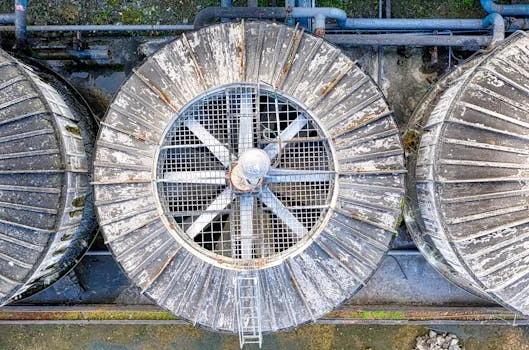
Engineering effective wastewater treatment in Hail requires a multi-stage approach that accounts for high solids loads and extreme thermal variance. The process begins with Pretreatment, where mechanical bar screens (such as the GX Series) with 6 mm spacing are utilized to remove large debris. In Hail, the rake speed must be adjustable; during winter, slower speeds are required to prevent mechanical fatigue from potential ice buildup in exposed channels, while summer operation requires high-frequency cycles to prevent odor issues from rapid organic decomposition.
Primary treatment in Hail’s petrochemical sector typically centers on DAF systems for Hail’s high-salinity industrial wastewater. These units use micro-bubbles to lift oils and suspended solids to the surface. Due to high salinity, the dosing of Poly Aluminum Chloride (PAC) must be increased to 30–80 mg/L to overcome the electrostatic repulsion caused by chloride ions. Field data suggests that high-salinity water reduces standard coagulant efficiency by 20–30%, necessitating PLC-controlled chemical dosing for Hail’s high-salinity wastewater to maintain precise pH levels between 8.0 and 8.5.
Secondary treatment involves biological degradation. For facilities aiming for water reuse, a DF Series MBR system for Hail’s water reuse applications is the preferred choice. MBR systems combine activated sludge with membrane filtration, achieving 99% pathogen removal. In Hail, these systems must utilize PVDF membranes with 0.1 μm pores to resist scaling from high mineral content. For standard activated sludge systems, thermal insulation is mandatory to maintain the liquor temperature above 15°C during Hail’s winter nights, as microbial activity can drop by 50% for every 10°C decrease in temperature.
Tertiary treatment provides the final polish. Given the high chloride levels in Hail’s raw water, chlorine dioxide disinfection for Hail’s high-chloride wastewater is more effective than standard chlorine, as it does not form trihalomethanes (THMs) as readily in the presence of high organics. Engineering specs for Hail require titanium electrodes in generators to prevent corrosion, with dosing rates of 1–3 mg/L to achieve a 99.9% E. coli kill rate within a 30–60 minute contact time.
| Stage | Equipment Type | Hail-Specific Spec | Efficiency (TSS Removal) |
|---|---|---|---|
| Pretreatment | GX Bar Screen | 6mm spacing, SS316 construction | 20–30% |
| Primary | DAF | High-salinity bubble diffusers | 90–95% |
| Secondary | DF MBR | PVDF Salinity-resistant membranes | 98–99% |
| Tertiary | ClO2 Generator | Titanium corrosion-resistant cell | 99.9% (Pathogens) |
Equipment Comparison: DAF vs. MBR vs. Chemical Dosing for Hail’s Industries
Selecting the right technology depends on the industry’s specific effluent profile and compliance goals. For petrochemical facilities in Hail, the high concentration of free and emulsified oils makes Dissolved Air Flotation (DAF) the primary choice. DAF systems are robust against the shock loads common in refinery operations and can handle the high salinity of Hail’s groundwater more effectively than traditional biological systems alone. However, if the goal is to reach how Abuja’s industrial wastewater standards compare to Hail’s in terms of reuse capability, MBR is necessary.
Chemical dosing systems are the "workhorses" of the mining sector in Hail, specifically for precipitating heavy metals like lead and arsenic. These systems are often integrated with clarifiers. While the capital expenditure (Capex) for chemical dosing is lower, the operating expenditure (Opex) is higher due to the continuous consumption of reagents and the cost of sludge management strategies for Hail’s industrial facilities. MBR systems, while having a higher Capex, significantly reduce sludge volume by up to 40%, providing a better long-term ROI for food processing plants where organic loads are high.
| Parameter | DAF | MBR (DF Series) | Chemical Dosing |
|---|---|---|---|
| Capex (SAR) | 500K – 2M | 800K – 3M | 200K – 1M |
| Opex (SAR/m³) | 80 – 120 | 150 – 200 | 50 – 90 |
| Salinity Tolerance | High | Medium (Requires PVDF) | High |
| Footprint | Medium (20-40 m²) | Small (10-25 m²) | Large (Clarifier needed) |
| Compliance Goal | Oil/TSS Removal | Water Reuse | Metal Precipitation |
Cost Benchmarks for Industrial Wastewater Treatment in Hail (2025)
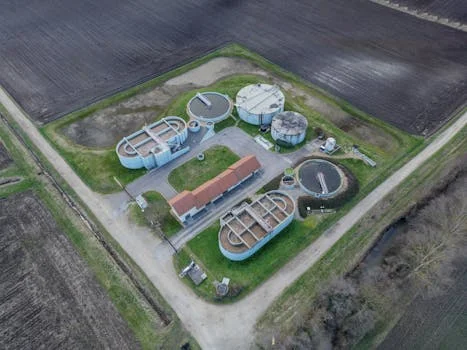
Budgeting for wastewater treatment in Hail requires a distinction between initial capital outlay and the total cost of ownership (TCO). Capex for a 100 m³/h DAF system typically ranges from SAR 1.2M to SAR 1.8M, depending on the level of automation and the quality of stainless steel used (SS316 is recommended for Hail’s saline conditions). MBR systems for the same capacity can reach SAR 2.5M but offer the advantage of high-quality permeate that can be reused in cooling towers or for onsite irrigation, potentially saving a facility SAR 1.50/m³ in freshwater procurement costs.
Opex is driven by four primary factors: electricity, chemicals, labor, and sludge disposal. In Hail, electricity costs for aerated systems (like MBR) range from SAR 0.30 to 0.80/m³. Chemical costs are a significant variable; in high-salinity environments, the need for specialized coagulants can drive costs to SAR 0.50/m³. hidden costs such as thermal insulation for winter (SAR 50K–200K) and the 20% premium for salinity-resistant membranes must be factored into the 2025 budget.
The ROI for upgrading to an MBR system in a Hail food processing plant is typically 3–5 years. This calculation includes the reduction in freshwater costs through 60% water reuse and the avoidance of MEWA non-compliance fines. According to a 2024 Yanbu case study, facilities that integrated high-efficiency sludge dewatering alongside their treatment plants saw an additional 15% reduction in TCO due to lower transport and disposal fees for dry cake versus liquid sludge.
Vendor Evaluation Checklist: 5 Steps to Selecting a Wastewater Treatment Partner in Hail
Selecting a vendor for industrial wastewater equipment in Hail requires more than a price comparison; it requires a partner who understands the unique chemical and environmental stressors of the region. Use the following five steps to evaluate potential suppliers:
- Step 1: Verify Local Compliance Experience. Does the vendor have a track record with MEWA and SASO? Ask for references from Hail-based facilities or major Saudi industrial players like Ma’aden or Saudi Aramco.
- Step 2: Assess Technical Adaptability. Request specific case studies regarding high-salinity or high-temperature applications. A critical question to ask: "How does your DAF system maintain bubble stability in water with 3,000 mg/L chloride?"
- Step 3: Evaluate Service and Support. Hail’s location requires a vendor with a local service presence. Ensure they can guarantee a response time of <4 hours and maintain a local inventory of critical spares like MBR membranes and DAF diffusers.
- Step 4: Compare Total Cost of Ownership (TCO). Do not just look at the Capex. Request a 5-year Opex projection that includes estimated chemical consumption, energy use, and membrane replacement cycles tailored to Hail’s water quality.
- Step 5: Check SASO Certification. Ensure all equipment, especially chemical dosing and sludge handling units, meets SASO 2884:2022 and 2885:2022. Request test reports from accredited Saudi labs.
Frequently Asked Questions
What are the penalties for non-compliance with Hail’s wastewater regulations?MEWA fines range from SAR 50,000 to SAR 5 million, depending on the severity of the violation. In 2023, 12 Hail facilities were fined or faced temporary shutdowns for exceeding TSS or oil and grease limits, according to the MEWA Annual Report 2024.
Can industrial wastewater be reused in Hail, and what are the requirements?Yes, industrial wastewater can be reused for non-potable applications like irrigation, dust suppression, or cooling towers. To qualify for reuse, MEWA requires effluent to meet <10 mg/L BOD, <50 mg/L TSS, and <1 mg/L heavy metals. MBR systems are specifically designed to meet these 2025 reuse standards.
How does Hail’s high salinity affect wastewater treatment?Salinity levels above 2,000 mg/L chloride reduce the effectiveness of standard coagulants by up to 30%. This requires higher dosing of Poly Aluminum Chloride (PAC) or the use of specialized salinity-resistant membranes (PVDF) in biological systems to prevent osmotic stress on the biomass and equipment corrosion.
What is the best treatment system for a Hail petrochemical plant?A DAF system is the industry standard for petrochemical plants in Hail due to its superior ability to remove oil and grease (up to 95% efficiency). For facilities seeking to reuse water, the DAF should be followed by an MBR system to polish the water to MEWA reuse standards.
Are there local incentives for wastewater treatment upgrades in Hail?Yes, the Saudi Industrial Development Fund (SIDF) offers low-interest loans (2–4%) for industrial projects that implement water-saving technologies. Systems that achieve a 30% or greater reduction in freshwater consumption, such as MBR units, typically qualify under SIDF Circular 2024/03.