Industrial Wastewater Treatment in Punjab 2025: Engineering Guide with Costs, Compliance & Equipment Checklist
Industrial wastewater treatment in Punjab requires compliance with the Punjab Pollution Control Board’s (PPCB) effluent standards, which mandate COD < 250 mg/L, BOD < 30 mg/L, and TSS < 100 mg/L for most industries. With 60% of Punjab’s industrial effluent generated by textile and food processing units, technologies like Dissolved Air Flotation (DAF) and Membrane Bioreactors (MBR) are critical for meeting these limits. Costs range from ₹5L for a 10 m³/h package plant to ₹50Cr+ for a 10,000 m³/h Zero Liquid Discharge (ZLD) facility, with payback periods of 3–7 years for water reuse projects.
Punjab’s Industrial Wastewater Challenge: Why Treatment is Non-Negotiable in 2025
Punjab's industrial sector generates approximately 1.2 billion liters/day of industrial effluent, with the textile (Ludhiana) and food processing (Jalandhar) sectors accounting for over 60% of this volume (PPCB 2023 data). This significant discharge places immense pressure on the region's water resources and necessitates robust wastewater treatment solutions. The Punjab Pollution Control Board (PPCB) intensified enforcement actions in 2024, issuing 1,247 non-compliance notices and imposing fines up to ₹10L/month for facilities exceeding permissible COD/BOD limits. For instance, a Ludhiana textile mill faced substantial penalties before implementing a 200 m³/h DAF system, which subsequently reduced their non-compliance fines by 80%. This DAF system successfully treated influent with COD ~1000 mg/L and TSS ~400 mg/L to meet PPCB discharge standards. Punjab faces severe water scarcity, with per capita water availability at just 1,000 m³/year, significantly below the national average of 1,545 m³/year (NITI Aayog 2024), making water reuse not just a compliance measure but a strategic business priority for long-term sustainability.
Punjab Pollution Control Board (PPCB) Effluent Standards: What Your Treatment System Must Achieve
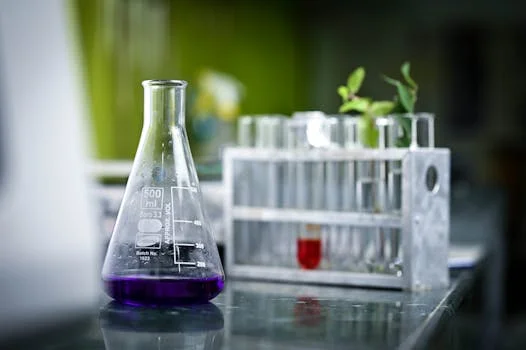
Meeting the Punjab Pollution Control Board (PPCB) General Standards for Discharge of Environmental Pollutants (2024) is a fundamental requirement for all industrial operations in Punjab. These standards typically mandate effluent quality parameters such as COD < 250 mg/L, BOD < 30 mg/L, TSS < 100 mg/L, and a pH range of 6.5–8.5. However, specific industries face even stricter limits tailored to their unique contaminant profiles. For example, textile units must achieve COD < 250 mg/L and color < 50 Pt-Co, while food processing plants target BOD < 30 mg/L and oil & grease < 10 mg/L. Pharmaceutical facilities, due to the nature of their waste, are often required to meet COD < 150 mg/L and heavy metals < 0.1 mg/L. In water-stressed regions like Bathinda and Faridkot, the PPCB’s 2025 mandate for Zero Liquid Discharge (ZLD) requires facilities to achieve 90% or more water recovery, emphasizing advanced treatment for both compliance and resource conservation.
PPCB Effluent Standards by Industry (2024)
| Parameter | General Standard (All Industries) | Textile Industry Specific | Food Processing Specific | Pharmaceutical Industry Specific | Metal Finishing Specific |
|---|---|---|---|---|---|
| COD (mg/L) | < 250 | < 250 | < 250 | < 150 | < 250 |
| BOD (mg/L) | < 30 | < 30 | < 30 | < 30 | < 30 |
| TSS (mg/L) | < 100 | < 100 | < 100 | < 100 | < 100 |
| pH | 6.5–8.5 | 6.5–8.5 | 6.5–8.5 | 6.5–8.5 | 6.5–8.5 |
| Oil & Grease (mg/L) | < 10 | < 10 | < 10 | < 10 | < 10 |
| Heavy Metals (mg/L, total) | < 2.0 (Individual limits apply) | < 2.0 | < 2.0 | < 0.1 (e.g., Cr < 0.1, Pb < 0.1) | < 0.1 (e.g., Ni < 0.1, Cu < 0.1) |
| Color (Pt-Co) | — | < 50 | — | — | — |
Industrial Wastewater Treatment Technologies for Punjab: How to Choose the Right Process
Punjab’s industrial wastewater presents distinct characteristics that influence technology selection, including high TDS levels (ranging from 1,500–5,000 mg/L), significant seasonal flow variations (often 30–50% higher during monsoon periods), and industry-specific contaminants such as dyes in textile effluent or high organic loads in food processing waste. Selecting the appropriate treatment technology requires a thorough understanding of these influent characteristics, desired effluent quality, and operational constraints. MBR vs SBR for Punjab’s industrial wastewater: which is better for your facility?
Technology Comparison for Punjab’s Industrial Wastewater
| Technology | TSS Removal | COD Removal | TDS Removal | Footprint | Energy Use | CAPEX (Indicative) | OPEX (Indicative) | Best For Punjab Industries |
|---|---|---|---|---|---|---|---|---|
| DAF (Dissolved Air Flotation) | 70–90% | 50–70% | Limited (< 10%) | Medium | Low-Medium | ₹0.5-1.5L/m³/day | ₹0.5-1.5/m³ | Primary treatment for textile, food processing (high TSS, oil & grease) |
| MBR (Membrane Bioreactor) | > 99% | 90–95% | Limited (< 10%) | Small | Medium-High | ₹2-3L/m³/day | ₹2-4/m³ | Secondary/tertiary for pharma, metal finishing, high-quality reuse (PVDF or hollow fiber membranes for resilience) |
| SBR (Sequencing Batch Reactor) | 90–95% | 85–90% | Limited (< 10%) | Medium | Medium | ₹1.5-2.5L/m³/day | ₹1.5-3/m³ | Batch processing for variable flows, smaller food/textile units |
| ZLD (Zero Liquid Discharge) | > 99% | > 95% | > 95% (with RO/Evaporator) | Large | High | ₹5-10L/m³/day | ₹5-10/m³ | Water-scarce areas, high TDS industries (requires multi-stage: RO, evaporators/crystallizers for brine) |
DAF systems are highly effective for primary treatment in textile and food processing facilities, achieving 70–90% TSS removal and 50–70% COD reduction. They are particularly adept at removing suspended solids, oils, and greases through microbubble technology but offer limited TDS reduction. For industries requiring near-reuse quality effluent, such as pharmaceutical and metal finishing plants, MBR systems provide 95%+ COD/BOD removal. While MBRs have a higher CAPEX (₹2L–₹3L/m³/day) and require careful management of membrane fouling (e.g., selecting robust PVDF or hollow fiber membranes), their small footprint and superior effluent quality often justify the investment. For extremely water-scarce regions or industries with very high TDS, Zero Liquid Discharge (ZLD) solutions are essential, offering 90–95% water recovery. However, ZLD systems incur high energy consumption (5–8 kWh/m³) and require sophisticated brine management, often involving multi-effect evaporators or crystallizers in addition to RO systems, to manage concentrate disposal. A robust decision framework for Punjab facilities involves considering industry type, flow rate, specific compliance targets, and budget. For instance, a textile mill with high color and TSS may start with DAF followed by biological treatment, while a pharmaceutical plant targeting ZLD will integrate MBR with RO and evaporators.
Cost Breakdown: How Much Does Industrial Wastewater Treatment Cost in Punjab?
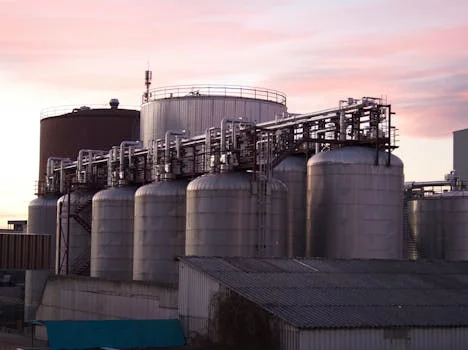
The capital expenditure (CAPEX) for industrial wastewater treatment plants in Punjab varies significantly based on flow rate, technology complexity, and desired effluent quality. For small-scale operations, 10 m³/h package plants can range from ₹5L–₹10L, including basic civil works and equipment. Medium-sized facilities requiring 100 m³/h DAF/MBR systems typically see CAPEX between ₹1Cr–₹5Cr. Large-scale Zero Liquid Discharge (ZLD) facilities, especially those treating 10,000 m³/h, can exceed ₹50Cr, encompassing advanced RO, evaporation, and crystallization units. Operational expenditure (OPEX) in Punjab also shows a clear differentiation by technology: DAF systems average ₹0.5–₹1.5/m³, MBR systems range from ₹2–₹4/m³, and ZLD solutions, with their higher energy and chemical demands, cost ₹5–₹10/m³. These OPEX figures include costs for energy, chemicals, labor, and membrane replacement for MBR systems. How Punjab’s wastewater treatment costs compare to neighboring states like Jharkhand reveals similar cost drivers but local variations in labor and energy prices.
Punjab Wastewater Treatment Cost Calculator (Indicative 2025)
| Flow Rate (m³/h) | Technology Type | Indicative CAPEX (₹) | Indicative OPEX/m³ (₹) | Estimated Annual OPEX (₹) (assuming 24/7 operation) |
|---|---|---|---|---|
| 10 | DAF Package Plant | ₹5L – ₹10L | ₹0.5 – ₹1.5 | ₹43,800 – ₹131,400 |
| 50 | MBR System | ₹1Cr – ₹1.5Cr | ₹2 – ₹4 | ₹876,000 – ₹1,752,000 |
| 100 | DAF + Biological | ₹2Cr – ₹3Cr | ₹1.5 – ₹2.5 | ₹1,314,000 – ₹2,190,000 |
| 500 | MBR + RO for Reuse | ₹10Cr – ₹15Cr | ₹3 – ₹6 | ₹13,140,000 – ₹26,280,000 |
| 1,000 | ZLD Facility | ₹25Cr – ₹35Cr | ₹6 – ₹10 | ₹52,560,000 – ₹87,600,000 |
The Return on Investment (ROI) for wastewater treatment projects in Punjab is driven by several factors. Water reuse can generate significant savings, with treated water often valued at ₹50–₹150/m³ in water-scarce industrial zones. Avoiding PPCB fines, which can reach ₹10L/month for severe non-compliance, provides immediate financial relief. the Punjab government offers incentives, including a 30% CAPEX subsidy for ZLD projects, encouraging industries to adopt advanced treatment. A Jalandhar food processing plant, for example, invested ₹3.2Cr in a 200 m³/h MBR system, which led to a 40% reduction in fresh water costs and a payback period of 4.5 years, demonstrating the tangible benefits of strategic investment in wastewater treatment.
Step-by-Step Guide: Designing an Industrial Wastewater Treatment System for Punjab
Designing an effective industrial wastewater treatment system for a Punjab facility begins with a comprehensive characterization of the influent wastewater. This critical first step involves testing for key parameters such as COD, BOD, TSS, TDS, pH, oil & grease, heavy metals, and any industry-specific contaminants like dyes or pesticides. Punjab’s typical industrial influent, particularly from textile and food processing, often exhibits high organic loads (COD 500-3000 mg/L), high TSS (200-800 mg/L), and fluctuating pH. Once the influent is characterized, Step 2 involves defining precise effluent targets by mapping the PPCB standards to the treatment goals. For instance, a textile effluent requiring COD < 250 mg/L and color removal will necessitate a combination of physical-chemical and biological processes, potentially followed by advanced tertiary treatment. Step 3 is the selection of appropriate technology, utilizing a decision matrix that matches the industry, flow rate, and budget to proven solutions like DAF, MBR, SBR, or ZLD. Compare containerized vs permanent ETPs for Punjab’s seasonal flow variations to optimize your plant design. In Step 4, equipment sizing is performed by calculating hydraulic retention time (HRT) for tanks, aeration requirements for biological reactors (MBR/SBR), and chemical dosing rates for coagulation/flocculation (DAF). For a 100 m³/h textile ETP, a typical biological reactor might require an HRT of 12-24 hours, meaning a 1200-2400 m³ tank volume, with aeration capacities determined by BOD load. Finally, Step 5 focuses on planning for compliance, which includes understanding PPCB’s sampling protocols (e.g., composite samples for accurate average discharge), reporting requirements, and the financial and operational penalties for non-compliance. Integrating an automatic chemical dosing system can ensure precise pH adjustment and optimal coagulation, critical for consistent compliance.
Frequently Asked Questions About Industrial Wastewater Treatment in Punjab
- Q: How much does it cost to treat industrial wastewater in Punjab? A: Costs range from ₹0.5/m³ for basic DAF systems to ₹10/m³ for ZLD, with CAPEX from ₹5L for 10 m³/h package plants to ₹50Cr+ for 10,000 m³/h ZLD facilities. Textile mills typically spend ₹2–₹4/m³ for MBR systems to meet stringent PPCB standards (see cost calculator table).
- Q: Which is the most industrial city in Punjab for wastewater treatment? A: Ludhiana (textile, auto parts) and Jalandhar (food processing, leather) generate the most industrial effluent, with Ludhiana alone producing an estimated 300 MLD (Million Liters per Day) of industrial wastewater (PPCB 2024). These cities present the greatest demand for advanced wastewater treatment solutions.
- Q: What are the three types of industrial wastewater treatment? A: Industrial wastewater treatment is typically categorized into three stages: Primary treatment (physical separation, e.g., DAF for TSS and oil removal), Secondary treatment (biological treatment, e.g., MBR/SBR for COD/BOD reduction), and Tertiary treatment (advanced processes like RO, ZLD for further contaminant removal and water reuse). Each stage progressively reduces contaminants to meet PPCB standards.
- Q: Where is Punjab’s largest wastewater treatment plant? A: While the 200 MLD STP in Ludhiana (Balloke) is the largest municipal wastewater treatment plant, the largest industrial ETP in Punjab is a 10,000 m³/h Zero Liquid Discharge (ZLD) facility located at a Bathinda refinery, which was commissioned in 2023.
- Q: Can I reuse treated industrial wastewater in Punjab? A: Yes, treated industrial wastewater can be reused in Punjab, provided it meets PPCB’s specific reuse standards. For instance, water for cooling towers typically requires TDS < 500 mg/L, while process water may require TDS < 100 mg/L. MBR followed by RO systems are commonly employed in Punjab’s textile and food industries to achieve the necessary water quality for various reuse applications.