Penang’s industrial zones mandate sewage treatment equipment compliance with Malaysia’s Environmental Quality (Sewage) Regulations 2009 and the Penang State Water Resources Enactment 2020, enforcing strict effluent limits of 50 mg/L BOD, 100 mg/L COD, and 30 mg/L TSS. Factories primarily deploy three dominant solutions: MBR systems (achieving 99% pathogen removal with <1 μm filtration), DAF units (demonstrating 92–97% TSS removal across 4–300 m³/h capacities), and fully automated package plants (ranging from 1–80 m³/h). Capital expenditures span from RM150,000 for smaller package plants to over RM5M for advanced MBR systems, often yielding 3–5 year payback periods for water reuse initiatives.
Why Penang Factories Are Upgrading Their Sewage Treatment Equipment in 2025
Penang’s Department of Environment (DOE) issued 47 enforcement notices in 2023 for non-compliant sewage discharges, resulting in fines up to RM500,000, according to the DOE Annual Report 2023. This regulatory pressure, coupled with increasing water scarcity, drives the urgent need for factories in Bayan Lepas, Seberang Perai, and other industrial zones to upgrade their wastewater treatment infrastructure. These regions collectively generate an estimated 120,000 m³/day of industrial wastewater, yet only 38% is currently treated to reuse standards, as reported by the Malaysian Water Association in 2024.
Outdated or poorly maintained equipment frequently leads to operational failures and compliance breaches. Common issues include clogged screens, inadequate sludge dewatering, and membrane fouling in older MBR systems, often identifiable by a sudden increase in transmembrane pressure (TMP) exceeding 0.5 bar. Such failures not only risk substantial fines but also contribute to production halts and reputational damage. For instance, a Penang electronics manufacturer successfully avoided a potential RM200,000 fine by proactively upgrading its primary treatment to a high-efficiency DAF system, achieving a consistent 95% TSS removal, a scenario mirrored in various DOE case studies highlighting the benefits of modernizing treatment plants.
Beyond compliance, the strategic adoption of advanced sewage treatment equipment, such as a sludge dewatering filter press to reduce Penang disposal costs by 40%, offers significant operational savings and contributes to water security in a state facing increasing demand for industrial water.
3 Sewage Treatment Equipment Types Dominating Penang’s Market: How They Work and When to Use Them
Penang’s industrial wastewater treatment landscape is primarily shaped by three advanced technologies, each suited to specific effluent characteristics and site requirements. Understanding their operational principles and performance benchmarks is critical for selecting the optimal solution.
MBR Systems (Membrane Bioreactors)
MBR systems integrate biological treatment with membrane filtration, offering superior effluent quality for demanding applications. Submerged PVDF membranes, typically with a 0.1 μm pore size, achieve exceptional pollutant removal, including 99% pathogen removal and effluent BOD levels consistently below 10 mg/L. These systems are highly effective for removing complex organic compounds and APIs. HydropureWater’s DF Series MBR systems, available in configurations with 80–225 m² membrane area, can treat 32–135 m³/day of wastewater. While flat-sheet membranes offer robust construction and easier cleaning, hollow-fiber membranes provide a higher packing density. Penang’s pharmaceutical plants, such as those operated by CCM Pharmaceuticals, frequently deploy MBR systems for their ability to remove active pharmaceutical ingredients (APIs) and achieve reuse-quality effluent, making the MBR system for Penang’s pharmaceutical and semiconductor plants requiring reuse-quality effluent a preferred choice.
DAF Systems (Dissolved Air Flotation)
DAF units employ micro-bubble technology (40–70 μm) to efficiently remove suspended solids, oils, and greases from wastewater. Pressurized air saturates a portion of the effluent, creating fine bubbles that attach to solid particles, causing them to float to the surface for automatic skimming. HydropureWater’s DAF systems handle flow rates from 4–300 m³/h, achieving 92–97% TSS removal with influent concentrations ranging from 50–500 mg/L, exceeding EPA 2024 benchmarks for primary clarification. In Penang, food processing plants, including large facilities like Nestlé Penang, extensively utilize DAF for efficient FOG removal before subsequent biological treatment, making the high-efficiency DAF system for Penang’s food processing and electronics wastewater an essential component.
Package Sewage Treatment Plants
Package sewage treatment plants are compact, modular units designed for decentralized treatment, often incorporating A/O (Anaerobic/Anoxic/Oxic) biological contact oxidation processes. HydropureWater’s WSZ Series underground units, with capacities from 1–80 m³/h, are fully automated and require minimal operator intervention. These systems are also available as containerized units, ideal for temporary sites like construction camps or for facilities with limited space. Hotels in Penang, such as the Shangri-La Rasa Sayang, frequently deploy fully automated package sewage treatment plant for Penang factories for their compact footprint and ability to meet local discharge standards without extensive civil works.
While each technology offers distinct advantages, understanding their limitations is crucial. MBR systems necessitate frequent Clean-In-Place (CIP) procedures every 3–6 months to maintain membrane flux. DAF systems can struggle with high salinity wastewater (exceeding 10,000 mg/L), which can destabilize floc formation. Package plants, despite their automation, require regular desludging, typically every 6–12 months, to prevent sludge buildup and maintain treatment efficiency.
| Equipment Type | Key Feature | Performance Benchmark | Typical Penang Use Case | Limitations |
|---|---|---|---|---|
| MBR Systems | Submerged PVDF membranes (0.1 μm) | 99% pathogen removal, <10 mg/L BOD effluent | Pharmaceutical (API removal), Semiconductor (reuse-quality) | Requires frequent CIP (3-6 months), higher energy for aeration |
| DAF Systems | Micro-bubble generation (40-70 μm) | 92–97% TSS removal (50-500 mg/L influent) | Food Processing (FOG removal), Electronics (heavy metals pre-treatment) | Ineffective with high salinity (>10,000 mg/L), chemical-intensive |
| Package Plants | A/O biological contact oxidation, compact | Meets DOE limits for BOD/COD/TSS (1-80 m³/h) | Hotels, Resorts, Decentralized industrial sites | Requires regular desludging (6-12 months), limited capacity scalability |
Penang-Specific Cost Benchmarks: CAPEX, OPEX, and Payback Periods for 2025

Accurate cost benchmarking is essential for Penang-based factories evaluating sewage treatment equipment, encompassing both capital expenditure (CAPEX) and operational expenditure (OPEX) in the region. These figures are influenced by local labor rates, land prices, and regulatory requirements specific to Penang’s industrial zones.
CAPEX Ranges (2025 Penang Data):
- Package Plants: RM150,000–RM800,000 for capacities ranging from 1–80 m³/h. This includes the unit cost and basic civil works for installation.
- DAF Systems: RM300,000–RM2.5M for systems handling 4–300 m³/h. Chemical dosing skids, often a necessary auxiliary, can add an extra RM50,000–RM200,000.
- MBR Systems: RM1.2M–RM5M+ for capacities from 10–2,000 m³/day. A significant long-term cost is membrane replacement, estimated at RM200–RM500 per m² every 5–8 years.
OPEX Breakdown (per m³ treated):
- Electricity: Typically RM0.15–RM0.40 per m³, with MBR systems having the highest energy consumption due to intensive aeration requirements for membrane scouring.
- Chemicals: Ranging from RM0.05–RM0.20 per m³, DAF systems generally incur the highest chemical costs due to the need for coagulants and flocculants to enhance flotation.
- Labor: RM0.02–RM0.10 per m³. Package plants often have the lowest labor costs due to their high automation, while MBR systems might require more skilled labor for membrane maintenance.
Payback Periods:
Water reuse projects in Penang offer compelling financial returns, with payback periods typically ranging from 3–5 years, especially in zones where industrial water costs are high (currently around RM4.50/m³ for industrial users). For example, a 100 m³/day MBR system costing RM2.5M, when utilized for water reuse, can save approximately RM120,000 annually in water purchase costs, yielding a payback period of approximately 4.2 years. upgrading to a sludge dewatering filter press to reduce Penang disposal costs by 40% can reduce sludge disposal costs from RM120/ton to RM70/ton, offering significant operational savings. For a broader perspective on regional costs, refer to Johor Bahru’s wastewater treatment plant costs for cross-regional comparison.
Hidden Costs:
Beyond equipment and direct operational expenses, factories must account for hidden costs. These include permit application fees (RM5,000–RM50,000), potential land acquisition costs (RM300–RM800/m² in prime Bayan Lepas industrial areas), and operator training (RM10,000–RM30,000 per facility) to ensure competent plant management.
| Cost Category | Package Plants (1-80 m³/h) | DAF Systems (4-300 m³/h) | MBR Systems (10-2,000 m³/day) |
|---|---|---|---|
| CAPEX (RM) | 150,000 – 800,000 | 300,000 – 2.5M (+50k-200k for dosing) | 1.2M – 5M+ |
| OPEX (RM/m³ treated) | 0.22 – 0.70 | 0.22 – 0.70 | 0.22 – 0.70 |
| Electricity | 0.15 – 0.25 | 0.15 – 0.30 | 0.25 – 0.40 |
| Chemicals | 0.05 – 0.10 | 0.10 – 0.20 | 0.05 – 0.10 |
| Labor | 0.02 – 0.05 | 0.02 – 0.10 | 0.05 – 0.10 |
| Payback Period (Water Reuse) | N/A (typically not for reuse) | 3-5 years (for pre-treatment leading to reuse) | 3-5 years (direct reuse) |
| Hidden Costs (RM) | Permits: 5,000-50,000; Land: 300-800/m² (Bayan Lepas); Training: 10,000-30,000 | ||
Penang’s Compliance Landscape: Effluent Limits, Permits, and DOE Audits
Navigating Penang’s regulatory environment for wastewater discharge requires a thorough understanding of effluent limits, necessary permits, and the triggers for Department of Environment (DOE) audits. Compliance is not merely about avoiding fines but ensuring sustainable industrial operations.
Effluent Limits (Environmental Quality (Sewage) Regulations 2009):
Malaysia's Environmental Quality (Sewage) Regulations 2009 set stringent standards for industrial sewage discharge. For general zones, the limits are 50 mg/L BOD, 100 mg/L COD, and 30 mg/L TSS. However, sensitive zones like Batu Ferringhi impose stricter limits, such as 20 mg/L BOD. For water reuse applications, even tighter standards apply, including 50 mg/L COD and 10 mg/L TSS. A critical parameter for many industries is Ammonia-N, with a limit of 10 mg/L for general discharge, reducing to 5 mg/L for sensitive zones. Factories, particularly those in the medical sector, must also adhere to specific requirements, as detailed in guides for medical wastewater treatment.
Permits Required:
- DOE License: Required for discharges exceeding 50 m³/day, with application fees ranging from RM1,000–RM10,000 depending on complexity and discharge volume.
- Penang State Water Resources Enactment 2020: A permit is necessary for groundwater extraction, particularly if used as a water source for industrial processes or for diluting effluent.
- Local Council Approval: Essential for any underground tanks or structures, such as those used for package plants, to ensure structural integrity and prevent groundwater contamination.
DOE Audit Triggers:
Factories in Penang face regular scrutiny from the DOE. Audits can be triggered by various factors, including complaints from downstream users (e.g., fishermen, hotels impacted by poor water quality), self-reported spills or exceedances, or through random inspections, which occur 2–4 times annually for high-risk industries like electronics manufacturing. Understanding food processing wastewater treatment standards in Malaysia is also crucial for compliance in that sector.
Common Violations:
Analysis of Penang DOE notices in 2023 reveals common violations. pH levels outside the permissible 6–9 range accounted for 30% of non-compliance issues. Food processing plants frequently exceed the FOG limit of 10 mg/L. Electronics manufacturers often struggle with heavy metals, such as nickel, exceeding the 1 mg/L limit. These common failures highlight areas where targeted equipment upgrades and operational adjustments are most critical.
| Parameter | General Limit (mg/L) | Sensitive Zone Limit (mg/L) | Reuse Limit (mg/L) | Common Violation Cause |
|---|---|---|---|---|
| BOD | 50 | 20 | <10 | Inadequate biological treatment |
| COD | 100 | 50 | 50 | Insufficient oxidation, recalcitrant organics |
| TSS | 30 | 10 | 10 | Poor sedimentation/filtration |
| Ammonia-N | 10 | 5 | 5 | Inefficient nitrification |
| pH | 6–9 (range) | 6–9 (range) | 6–9 (range) | Lack of pH adjustment system |
| FOG | 10 | 5 | N/A | No DAF/oil-water separation (Food Processing) |
| Heavy Metals (e.g., Ni) | 1 | 0.5 | 0.1 | Inadequate precipitation/filtration (Electronics) |
Supplier Decision Framework: How to Evaluate Penang’s Sewage Treatment Equipment Vendors
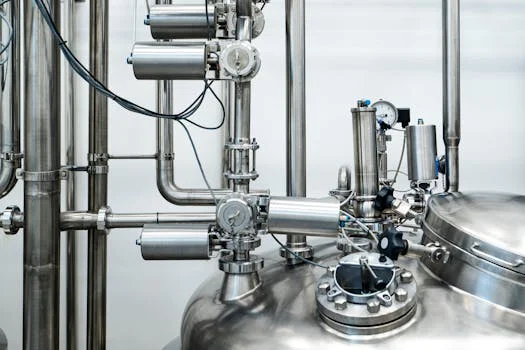
Selecting the right sewage treatment equipment supplier in Penang is a critical decision that impacts long-term compliance, operational efficiency, and overall cost. A structured approach helps procurement managers and engineers make informed choices.
Step 1: Define Requirements (Use This Checklist)
Before engaging suppliers, clearly articulate your factory’s specific needs. This foundational step ensures that proposals are relevant and comparable.
- Flow Rate: Specify average and peak flow rates in m³/h or m³/day.
- Influent Characteristics: Provide detailed analysis of BOD, COD, TSS, FOG, pH, and salinity. Heavy metal concentrations are crucial for electronics and pharmaceutical wastewater.
- Space Constraints: Indicate available footprint (e.g., underground, rooftop, trailer-mounted) to guide equipment type selection.
- Reuse Goals: Clearly state if treated effluent is intended for reuse (e.g., cooling towers, irrigation, toilet flushing) as this dictates required effluent quality.
- Budget: Define both CAPEX and projected OPEX limits to ensure financial viability.
Step 2: Shortlist Suppliers (Penang-Specific)
Identify reputable vendors with a proven track record in the region. Consider both local and international players for a balanced perspective.
- Local Providers: Examples include Techkem Water Technologies, Industrial Water Engineers (IWE), and Higard, who often have strong local support networks.
- International Providers: Companies like HydropureWater (China), Veolia (France), and Suez (France) offer global expertise and advanced technologies.
- Red Flags: Be wary of suppliers with no verifiable Penang references, vague performance guarantees, or a lack of DOE-certified lab reports for their past projects.
Step 3: Request Proposals (Key Questions to Ask)
A comprehensive Request for Proposal (RFP) should solicit specific, measurable commitments from potential vendors.
- Guaranteed Effluent Quality: What are the guaranteed maximum levels for BOD, COD, and TSS? Request performance bonds if necessary.
- Uptime Guarantee: What percentage of uptime is guaranteed (e.g., 98% for MBR systems)? How is downtime handled?
- Warranty Period: Specify warranty terms for critical components (e.g., membranes: 5–8 years; mechanical parts: 1–2 years).
- Response Time for Breakdowns: Clarify technical support availability (e.g., 24/7 support vs. 48-hour response).
- O&M Support: Detail the scope of ongoing operations and maintenance (O&M) services, including spare parts availability and technical training.
Step 4: Negotiate (Leverage Points)
Strategic negotiation can optimize the overall value of your investment.
- Bundle O&M Contracts: Consider bundling O&M services for 10–20% discounts over standalone contracts.
- Pilot Testing: For complex or large-scale projects, request pilot testing (e.g., a 3-month trial for MBR systems) to validate performance on your specific wastewater.
- Payment Terms: Negotiate favorable payment schedules, such as 30% upfront, 40% upon delivery, and 30% upon successful commissioning and performance validation.
- Technology Options: Explore alternatives like chlorine dioxide vs UV disinfection for Penang’s industrial wastewater for post-treatment, to ensure cost-effectiveness and compliance.
Frequently Asked Questions
Q: What’s the cheapest sewage treatment option for a small Penang factory (20 m³/day)?
A: For a small Penang factory treating around 20 m³/day, a WSZ Series package plant is generally the most cost-effective option, with CAPEX ranging from RM250,000–RM400,000. It's fully automated, requires minimal operator intervention, and can reliably meet DOE limits for BOD, COD, and TSS. If your wastewater has high levels of FOG or TSS, a compact DAF system (RM300,000–RM500,000) might offer lower OPEX in the long run due to reduced chemical consumption in subsequent biological stages.
Q: How do I comply with Penang’s new ammonia-N limit (5 mg/L for sensitive zones)?
A: To achieve the stringent 5 mg/L ammonia-N limit in Penang's sensitive zones, upgrading to an MBR system, such as HydropureWater’s DF Series, or integrating a dedicated nitrification/denitrification step into your existing plant is necessary. MBR systems excel in this area due to their optimized aeration and submerged membranes, consistently achieving effluent ammonia-N levels below 5 mg/L. Expect a CAPEX of RM1.2M–RM3M for a 50 m³/day MBR system capable of this performance.
Q: What’s the typical payback period for a water reuse system in Penang?
A: Industrial water reuse systems in Penang typically achieve a payback period of 3–5 years, especially when supplying non-potable uses like cooling towers or boiler feed. With industrial water costs in Penang at approximately RM4.50/m³ and treated effluent production costs ranging from RM0.50–RM1.50/m³, the savings are substantial. For instance, a 100 m³/day MBR system, costing around RM2.5M, can generate annual savings of approximately RM120,000 in water purchases, leading to a 4.2-year payback.
Q: Can I install a sewage treatment plant underground in Penang?
A: Yes, underground installation is feasible and often preferred in Penang for space-saving and aesthetic reasons, particularly for package plants like the WSZ Series. However, it requires specific local council approval to ensure structural integrity, proper ventilation, and groundwater protection. Additional civil works for excavation and tank burial typically add RM50,000–RM150,000 to the overall project cost.
Q: What’s the most common reason sewage treatment equipment fails DOE audits in Penang?
A: The most common reason for DOE audit failures in Penang, accounting for 30% of violations in 2023, is effluent pH falling outside the permissible 6–9 range. Other frequent issues include FOG levels exceeding 10 mg/L (common in food processing), TSS above 30 mg/L (indicating inadequate sedimentation or filtration), and heavy metal exceedances (e.g., nickel >1 mg/L in electronics wastewater). Implementing a robust pH adjustment system (RM20,000–RM50,000) and an efficient DAF unit for FOG removal are critical preventative measures.