Why Malaysian Food Plants Need Engineered Effluent Systems
Food processing wastewater treatment for Malaysian factories must meet Environmental Quality (Industrial Effluent) Regulations 2009 Standard A or B before discharge. Typical untreated BOD is 500–3,000 mg/L, COD 1,000–6,000 mg/L, TSS 300–1,500 mg/L, and FOG 100–500 mg/L. Meeting those limits usually needs DAF for FOG plus biological secondary treatment, at about MYR 1.2M–5M for 50–300 m³/h capacity.
Process loads vary sharply with CIP peaks. Annual sector volume is often cited near 2.97 billion cubic meters. Under Standard B, many sites must hold BOD ≤50 mg/L, TSS ≤100 mg/L, and FOG ≤10 mg/L; Standard A tightens BOD to ≤20 mg/L and FOG to ≤1.0 mg/L. Earlier design sheets listed COD at 50/100 mg/L; the Industrial Effluent Regulations Seventh Schedule sets COD for “other industries” at 80 mg/L (Standard A) and 200 mg/L (Standard B) (DOE IER 2009). DAF trains typically remove 92–97% FOG when saturation pressure stays at 3–5 bar.
DOE requires Written Notification and Written Approval before discharge. Regulation 32 of the Industrial Effluent Regulations 2009 caps fines at MYR 100,000, with imprisonment up to five years, or both, plus up to MYR 1,000 per day after a compliance notice. Earlier commentary sometimes cited MYR 500,000–1 million exposure; size the plant to the statutory schedule and local DOE practice. Water scarcity in Selangor and Johor, under NWRS 2022–2027, also links expansion permits to reuse readiness.
Malaysia’s Regulatory Requirements for Food Processing Effluent
Food-plant discharge limits come from the Environmental Quality (Industrial Effluent) Regulations 2009, not sewage-only schedules. Standard A applies upstream of potable intakes listed in the Sixth Schedule. Standard B applies to other inland or Malaysian waters. DOE inspection intensity rose under the DOE Strategic Plan (2021–2025), with unannounced F&B checks on monthly reports and online monitors.
| Parameter | Standard A (Upstream of Intake) | Standard B (Downstream of Intake) |
|---|---|---|
| BOD5 at 20°C | 20 mg/L | 50 mg/L |
| COD | 50 mg/L | 100 mg/L |
| Suspended Solids (TSS) | 50 mg/L | 100 mg/L |
| Oil and Grease (FOG) | 1.0 mg/L | 10.0 mg/L |
| Ammoniacal Nitrogen | 10 mg/L | 20 mg/L |
Keep the table values above as the legacy sheet many Malaysian EPCs still carry. Confirmed Fifth Schedule figures for BOD, TSS, FOG, and ammoniacal nitrogen match those rows; FOG remains 1.0 mg/L (A) and 10 mg/L (B) (IER 2009). For COD, design to Seventh Schedule “other industries”: 80 mg/L Standard A and 200 mg/L Standard B unless DOE assigns another sector row.
Which treatment level meets Malaysia Standard B?
Malaysia Standard B compliance for food plants normally needs secondary biological treatment after FOG and solids pretreatment; tertiary polishing is added for reuse or pathogen limits. Primary clarification or DAF alone rarely holds BOD at ≤50 mg/L when influent BOD sits above 1,000 mg/L. Secondary activated sludge or MBR is the decision point for most 50–300 m³/h kitchens, canneries, and seafood lines. Tertiary ClO2 follows when the permit demands about 99.9% pathogen kill.
Permit packages usually need about 90 days. Engineers submit Written Notification, Written Approval drawings, and often an EIA with a process flow diagram. Non-potable reuse under MS 1228:2012 Class IIB effectively targets BOD ≤20 mg/L. Common gaps include understated night-shift FOG peaks, undersized sludge handling, and missing continuous pH or turbidity alarms.
Food Processing Wastewater Treatment: Step-by-Step Process Design
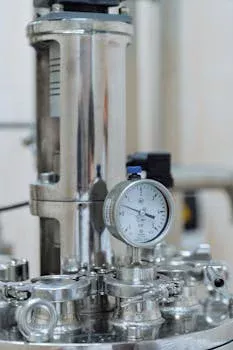
A robust train addresses physical, chemical, and biological loads in order. Pretreatment with a rotary mechanical bar screens (GX Series) removes 95%+ of solids larger than the bar gap. Most food lines specify 6–10 mm bars and keep screen headloss below 150 mm so gravity flow stays reliable at peak washdown.
Primary FOG control centers on dissolved-air flotation. DAF systems for Malaysian food processing plants routinely deliver 92–97% FOG removal and 60–70% TSS reduction at 3–5 bar saturation pressure. Secondary choice is conventional activated sludge versus MBR. Conventional plants give about 85–90% BOD removal at 30–40 day SRT. integrated MBR systems for Malaysia’s 2025 effluent standards reach 95%+ BOD/COD removal in roughly 60% less footprint. DF Series flat-sheet membranes at 0.1 μm pore size support 99.9% pathogen reduction when aeration and CIP stay controlled.
| Stage | Equipment Type | Primary Metric | Removal Efficiency |
|---|---|---|---|
| Pretreatment | Rotary Bar Screen (GX) | Solids >6mm | 95% |
| Primary | DAF System | FOG & TSS | 92% - 97% |
| Secondary | MBR (DF Series) | BOD & COD | 95% - 99% |
| Tertiary | ClO2 Disinfection | Pathogens | 99.9% |
| Sludge Handling | Plate & Frame Press | Dry Solids | 25% - 35% Cake |
Tertiary chlorine dioxide targets a 99.9% pathogen kill before discharge or reuse. Sludge leaves through a sludge dewatering solution for Malaysian food processing plants producing 25–35% dry-solids cake. You may compare filter press and centrifuge for food processing sludge dewatering when fat content and polymer dose drive cake dryness more than footprint.
How do HACCP systems affect plant wastewater design?
HACCP programs set washdown frequency, sanitizer type, and peak instantaneous flow into equalization. Most plants we size in Johor and Selangor see 1.5–2.5× average daily flow during CIP windows. Equalization of 4–8 hours HRT, plus pH trim before DAF, keeps biological stages from seeing sanitizer shocks that collapse MLSS overnight.
DAF vs MBR vs Conventional Systems: Cost and Performance
CAPEX for a 100 m³/h Malaysian food train varies by technology. DAF packages typically sit at MYR 800,000–2.5 million. MBR packages land at MYR 1.5–4 million because of membranes and PLC hardware. Conventional activated sludge falls near MYR 1–3 million but consumes more land in Shah Alam or Bayan Lepas. OPEX follows the same split: DAF about MYR 0.80–1.50/m³; MBR about MYR 1.20–2.00/m³; conventional about MYR 0.60–1.20/m³ for chemicals and power.
| Feature | DAF | MBR (DF Series) | Conventional Activated Sludge |
|---|---|---|---|
| FOG Removal | 92–97% | 70–80% (Pre-treatment req) | 40–60% |
| BOD Removal | 30–50% | 95%+ | 85–90% |
| Footprint | Medium | Compact (Smallest) | Large |
| Effluent Quality | Standard B | Reuse Quality (Class IIB) | Standard A/B |
| OPEX (MYR/m³) | 0.80 - 1.50 | 1.20 - 2.00 | 0.60 - 1.20 |
ROI stacks avoided DOE enforcement costs against water purchase. Industrial water in Malaysia often costs MYR 2–5/m³. A 200 m³/day site reusing 70% can save more than MYR 200,000/year in intake alone. High humidity accelerates MBR fouling if aeration is low; palm-oil emulsions often need acidification before DAF. You can also see how DAF systems are applied in Oman’s food processing industry when comparing high-temperature FOG performance.
Equipment Checklist for Malaysian Food Processing Plants
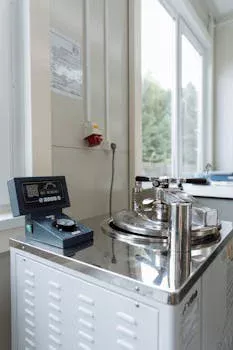
Procurement specs should lock materials and peak-flow factors before tender. Use this baseline when issuing RFQs:
- Pretreatment: Specify a GX Series rotary mechanical bar screen in SS316L for acidic food waste. Keep 6–10 mm spacing and 10–200 m³/h hydraulic capacity.
- Primary Treatment: The DAF system needs automatic skimming and a 3–5 bar saturation vessel, sized at 120% of peak hourly flow.
- Secondary Treatment: Specify an MBR system (DF Series) with 80–225 m² membrane area and 0.1 μm pores, with PLC ready for local SCADA.
- Sludge Dewatering: Plate and frame filter press (1–500 m²) with hydraulic closure at 15–25 bar for high-fat sludge, targeting 25–35% cake solids.
- Compact sites: Where civil works are constrained, an Underground Package Sewage Treatment Plant (WSZ Series) can cover sanitary plus low-strength process streams after FOG pretreatment.
- Monitoring: Continuous pH, turbidity, and flow with monthly lab BOD/COD/FOG aligned to the DOE report format.
- Chemicals: Coagulant and flocculant grades jar-tested on palm-oil and protein loads at actual CIP temperature.
What failure modes hit wet processing equipment?
Common failure modes on wet processing equipment in food plants are FOG-blinded sensors, screen bypass during peak dump, and DAF recycle pump cavitation at low saturation pressure. Prevention starts with duty/standby pumps, high-level diversion to equalization, and weekly checks that saturation pressure stays inside 3–5 bar. Membrane plants fail next on oil carryover; keep DAF FOG residual below the MBR vendor limit, usually under 5–10 mg/L entering the bioreactor.
Who This Is For / Next Step
This guide is for plant engineers, EPC contractors, and procurement managers sizing or upgrading Malaysian food-plant effluent systems to Standard A/B or reuse. Look elsewhere if you only need potable treatment or semiconductor wet-bench rinse water. For a capacity-matched equipment list and CAPEX band, request a technical quote with your peak m³/h and discharge standard.
Frequently Asked Questions
What discharge limits apply to Malaysian food processing plants?
Most food factories discharge under Industrial Effluent Regulations 2009 Standard A or B. Standard B typically means BOD ≤50 mg/L, TSS ≤100 mg/L, and FOG ≤10 mg/L at 20°C test conditions. Standard A tightens BOD to ≤20 mg/L and FOG to ≤1.0 mg/L near catchment intakes. COD for other industries is 80 mg/L (A) and 200 mg/L (B) under the Seventh Schedule, even when older design sheets still show 50/100 mg/L.
Is DAF enough to meet Standard B without biological treatment?
DAF alone is usually not enough for Standard B when influent BOD exceeds about 1,000 mg/L. DAF removes 92–97% FOG and 30–50% BOD under normal food-plant loading, which still leaves BOD above 50 mg/L on many lines. Pair DAF with activated sludge or MBR sized on peak hourly flow after equalization. Use DAF-only only for FOG polishing ahead of a municipal connection that already sets biological limits.
How much does a 100 m³/h food wastewater system cost in Malaysia?
At 100 m³/h, DAF packages commonly cost MYR 800,000–2.5 million, conventional ASP about MYR 1–3 million, and MBR about MYR 1.5–4 million installed in recent budget bands. OPEX runs roughly MYR 0.60–2.00/m³ depending on chemicals, aeration, and membrane cleaning. Final quotes move with civil scope, land cost, and whether reuse to MS 1228 Class IIB is required.
What sludge dryness should food plants target?
Plate-and-frame presses on food sludge typically reach 25–35% dry solids when polymer dose matches fat content.Centrifuges can help on continuous duty but may need higher polymer on oily loads. Confirm disposal route with DOE-licensed contractors before locking press area.
When should a Malaysian plant choose MBR over conventional ASP?
Choose MBR when land is scarce, reuse needs Class IIB quality, or pathogen limits demand 0.1 μm barrier filtration. MBR delivers 95%+ BOD/COD removal in about 60% of conventional footprint at higher OPEX (about MYR 1.20–2.00/m³). Conventional ASP remains viable where land is cheap and Standard B without reuse is the only permit driver.