NSW hospital wastewater treatment for on-site systems needs local council sewage management approval. Designs must also meet duties under the NSW Public Health Act 2010 and the Protection of the Environment Operations Act 1997 (POEO Act). Typical hospital effluent contains 300–1,200 mg/L COD, 50–300 mg/L BOD₅, and pathogen loads of 10³–10⁶ CFU/100mL (UTS 2024). MBR trains with ozone or chlorine dioxide disinfection commonly deliver 99.9% microbial removal for irrigation or toilet flushing reuse when effluent meets the relevant NSW private recycled water exposure class.
NSW Hospital Wastewater Treatment Compliance Requirements
Local councils approve on-site hospital sewage systems in NSW. NSW Health statutory accreditation covers only domestic retail units up to 10 persons or under 2,000 L/day, not custom hospital plants. Medium-exposure recycled water typically needs BOD below 20 mg/L, SS below 30 mg/L, and E. coli below 10 CFU/100mL under the Interim NSW private recycled water guidelines.
Earlier project notes often assumed mandatory Ministry of Health accreditation for hospitals above 20 beds; current NSW Health practice excludes non-domestic and larger custom hospital plants from that statutory accreditation path (NSW Health, 2026). Councils still assess design, public health risk, and environmental controls before installation and operation approvals. The Protection of the Environment Operations Act 1997 sets environmental protection and licensed discharge controls. Australian Standard AS 1546.3-2017 remains a common design benchmark for on-site treatment unit performance.
Under the Interim NSW Guidelines for Management of Private Recycled Water Schemes, high-exposure uses such as dual reticulation require BOD <10 mg/L, SS <10 mg/L, and E. coli <1 CFU/100mL (NSW Department of Water and Energy, 2008; still published by NSW DCCEEW). New on-site approvals commonly take 3–6 months; capacity-neutral modifications often take 1–2 months.
| Regulatory Aspect | Key Requirement/Standard | Governing Body/Legislation |
|---|---|---|
| Installation & Operation Approval | Issued for on-site sewage management systems | Local Councils (NSW) |
| System Accreditation (>20 beds) | Mandatory for facilities handling >20 beds | NSW Ministry of Health |
| General Public Health | Protects public health from sewage-related risks | NSW Public Health Act 2010 |
| Environmental Protection | Sets discharge standards and environmental controls | Protection of the Environment Operations Act 1997 |
| On-site System Design | Standards for domestic wastewater treatment units | Australian Standard AS 1546.3-2017 |
| Recycled Water Discharge (2025) | BOD₅ <20 mg/L, TSS <30 mg/L, E. coli <10 CFU/100mL | NSW Recycled Water Guidelines (2020) |
| Approval Timeline (New Systems) | Typically 3–6 months | Local Councils, NSW Health |
Hospital Wastewater Characteristics: Contaminant Loads and Treatment Challenges
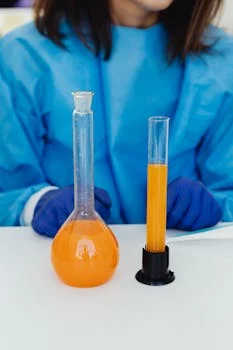
Hospital wastewater flow rates in NSW typically range from 300–800 litres per bed per day, varying with specialty wards, sterilisation demand, and occupancy. Oncology and theatre blocks often exceed general medical ward unit rates, so hydraulic design must cover average day and peak hour conditions.
Hospital effluent COD commonly spans 300–1,200 mg/L, while BOD₅ often sits between 150–600 mg/L (UTS 2024). TSS typically falls in the 100–400 mg/L band, higher than many domestic sewages. Pathogen loads remain elevated, with E. coli at 10³–10⁶ CFU/100mL and enterococci at 10²–10⁵ CFU/100mL in reviewed hospital studies (UTS 2024). Pharmaceuticals such as ciprofloxacin and amoxicillin often appear at 10–500 ng/L, alongside quaternary ammonium disinfectants and metals from dental or imaging streams. Flu-season loads can rise 20–40% above baseline, so peak-capacity margins matter for effluent reliability.
| Parameter | Typical Range (Hospital Effluent) | Unit | Impact on Treatment |
|---|---|---|---|
| Flow Rate | 300–800 | L/bed/day | System sizing, hydraulic loading |
| Chemical Oxygen Demand (COD) | 300–1,200 | mg/L | Organic load, oxygen demand |
| Biochemical Oxygen Demand (BOD₅) | 150–600 | mg/L | Biodegradable organic load, treatment efficiency |
| Total Suspended Solids (TSS) | 100–400 | mg/L | Clarification, sludge generation |
| E. coli | 10³–10⁶ | CFU/100mL | Pathogen removal, disinfection requirement |
| Enterococci | 10²–10⁵ | CFU/100mL | Pathogen removal, disinfection requirement |
| Pharmaceuticals (e.g., Antibiotics) | 10–500 | ng/L | Advanced oxidation, membrane filtration |
Treatment Process Selection: MBR vs DAF vs Chemical Dosing for Hospital Effluent
Membrane bioreactor (MBR) systems for hospital wastewater routinely achieve over 99.9% pathogen removal and up to 95% COD reduction when operated within design flux and sludge age. CAPEX is often about 30% higher than conventional activated sludge, while footprint is typically near 0.5 m²/m³/day and energy about 0.8–1.2 kWh/m³. An MBR integrated wastewater treatment system removes secondary clarifiers and strengthens the solids and pathogen barrier needed for reuse trains.
What do MBR systems cost for hospital effluent?
MBR capital cost for NSW hospital packages typically sits in the upper band of the $150,000–$500,000 CAPEX range quoted for 50–200 bed on-site plants, reflecting membranes, aeration, and controls. Relative CAPEX is about +30% versus conventional activated sludge at equal hydraulic capacity. Payback for hospitals above 100 beds is often 3–7 years when off-site trade-waste and sewer charges are high, provided membrane replacement and energy are budgeted in OPEX.
Dissolved air flotation (DAF) removes 70–90% TSS and is useful on kitchen FOG streams that upset biological reactors. Pathogen kill from DAF alone is limited, so disinfection must follow. Footprint is about 1.2 m²/m³/day and energy about 0.3–0.5 kWh/m³. Chemical dosing with PAC or ferric salts can cut phosphorus by 80–95%, but sludge mass may rise 30–50%; energy is low at 0.1–0.2 kWh/m³ while conventional clarification footprints can reach about 2.5 m²/m³/day.
Compact packaged trains such as the Medical & Hospital Wastewater Treatment System suit constrained hospital plant rooms when hydraulic and contaminant data are confirmed by jar tests and diurnal sampling.
| Technology | Key Benefit/Application | Pathogen Removal | COD/TSS Reduction | Footprint (m²/m³/day) | Energy (kWh/m³) | CAPEX (Relative) |
|---|---|---|---|---|---|---|
| MBR Systems | High effluent quality, compact, suitable for reuse | >99.9% | >95% COD, >99% TSS | 0.5 | 0.8–1.2 | High (+30% vs. conventional) |
| DAF Systems | Effective for FOG & TSS removal, pre-treatment | Limited (needs disinfection) | 70–90% TSS | 1.2 | 0.3–0.5 | Medium |
| Chemical Dosing | Phosphorus removal, effluent polishing | Limited (needs disinfection) | 80–95% P removal | Varies (0.1-0.2) | 0.1–0.2 | Low |
Disinfection Methods Compared: Chlorine Dioxide vs Ozone vs UV for Hospital Pathogens
Chlorine dioxide at 2 mg/L for about 30 minutes can deliver 99.99% E. coli inactivation and retains a residual, which helps distribution lines. Chlorite byproduct control and residual toxicity monitoring remain design duties. An on-site chlorine dioxide generator is often paired with MBR or filtered effluent when a residual is required.
Ozone at 0.5 mg/L for about 10 minutes can reach 99.9% pathogen removal and can oxidise many pharmaceuticals, with no lasting disinfectant residual. Energy for ozone generation is typically 0.5–1.0 kWh/m³ of treated water. UV at about 40 mJ/cm² also targets 99.9% inactivation without DBPs, but offers no residual and needs sleeve cleaning to hold dose.
What are typical disinfection costs for tanks and piping?
Disinfection CAPEX usually ranks UV lowest, chlorine dioxide mid-range, and ozone highest because of generators and contactor vessels. OPEX follows energy and consumables: ozone is typically highest at 0.5–1.0 kWh/m³, while ClO₂ chemical make-up and UV lamp replacement sit lower. Pipe, tank, and structure disinfection during commissioning is usually priced as a separate chemical or UV flush package and should be itemised outside continuous effluent disinfection OPEX.
| Disinfection Method | Efficacy (E. coli) | Key Advantages | Key Disadvantages | CAPEX (Relative) | OPEX (Relative) |
|---|---|---|---|---|---|
| Chlorine Dioxide (ClO₂) | 99.99% @ 2 mg/L in 30 min | Broad spectrum, residual effect | DBP formation, residual toxicity | Medium | Medium |
| Ozone (O₃) | 99.9% @ 0.5 mg/L in 10 min | No harmful residual, degrades CECs | High energy cost (0.5–1.0 kWh/m³) | High | High |
| Ultraviolet (UV) | 99.9% @ 40 mJ/cm² | Chemical-free, no DBPs | No residual effect, fouling risks, lamp replacement | Low | Low |
Cost Breakdown: On-Site vs Off-Site Treatment for NSW Hospitals
On-site CAPEX for NSW hospitals with 50–200 beds typically ranges from $150,000 to $500,000, driven by process train, civil works, and automation. On-site OPEX commonly falls between $0.80–$2.50/m³ for energy, chemicals, labour, and consumables. Off-site sewer and trade-waste pathways often cost about $1.20–$3.50/m³ once Sydney Water tariffs and strength surcharges are included.
According to Sydney Water (2026), industrial acceptance charging rates for 2026–27 are set by IPART and include mass-based charges for BOD, suspended solids, grease, nitrogen, and phosphorus when trade wastewater enters the municipal network. That tariff structure is why high-COD hospital discharges can push off-site unit costs above well-run on-site OPEX. For hospitals larger than 100 beds, simple ROI screening often shows 3–7 year payback using ROI = (annual off-site cost − annual on-site OPEX) / on-site CAPEX. Sludge haulage at $150–$300 per tonne and compliance testing at $5,000–$15,000 per year should sit in the same model.
| Cost Category | On-Site Treatment (Typical) | Off-Site Treatment (Typical) | Notes |
|---|---|---|---|
| CAPEX (50–200 beds) | $150,000–$500,000 | N/A (connection fees only) | Depends on technology (MBR > DAF), site specifics |
| OPEX (per m³) | $0.80–$2.50 | $1.20–$3.50 | Includes energy, chemicals, labour, maintenance |
| Sludge Disposal (per tonne) | $150–$300 | N/A (handled by municipal) | Varies by sludge type and disposal method |
| Compliance Testing (annual) | $5,000–$15,000 | N/A (handled by municipal) | Lab analysis, reporting, audits |
| ROI Payback Period | 3–7 years (>100 beds) | N/A | Based on savings vs. off-site costs |
How do package plants fit NSW hospital sites?
Package wastewater plants fit NSW hospital sites when average and peak flows stay within skid limits and a reuse or trade-waste endpoint is defined. Equalization of 6–12 hours at design temperature often stabilises COD spikes from theatres and kitchens before MBR or DAF stages. Sites with expanding bed counts should reserve space for a second membrane cassette or disinfection contactor rather than oversizing civil tanks on day one. Factory-tested package skids also shorten NSW council review cycles when validated performance data and a clear sludge handling plan accompany the section 68 application.
Supplier Checklist: Questions Before Selecting a Hospital Wastewater System

Procurement teams should confirm that the proposed train can meet the BOD, SS, and E. coli limits for the intended reuse or discharge pathway under NSW private recycled water guidance. Ask for a process flow diagram matched to measured hospital contaminant peaks, not brochure averages.
- Can you provide a process flow diagram tailored to our hospital’s contaminant profile and flow variations?
- What is annual maintenance cost as a percentage of CAPEX, including membrane replacement for MBR trains? (Target: typically less than 5%.)
- What warranty period covers membranes, pumps, and controls? (Target: 2–5 years for major components.)
- Do you maintain an NSW service team with defined emergency response times?
- Can you provide operating references from NSW hospitals or comparable healthcare sites?
- What energy use in kWh/m³ do you guarantee under stated influent conditions?
- How is sludge volume estimated, and who carries disposal cost risk?
- What operator training is included before handover?
- How can capacity or disinfection duty be expanded if bed numbers or reuse class rise?
Who this is for: facility engineers and EPC teams sizing on-site plants for NSW hospitals that face trade-waste surcharges, reuse goals, or sewer capacity limits. Who should look elsewhere: sites that can discharge dilute domestic-strength sewage within cheap municipal acceptance limits and have no reuse duty. Next step: compile 7-day flow and composite COD/BOD/TSS/pathogen data, then request a quote with bed count and target reuse class.
Frequently Asked Questions
What are the key differences between NSW Health and local council roles in hospital wastewater approval?
Local councils issue installation and operation approvals for on-site sewage management systems at hospitals. NSW Health’s statutory accreditation covers retail domestic units up to 10 persons or under 2,000 L/day average flow, not custom hospital plants (NSW Health, 2026). Earlier notes that assumed mandatory accreditation above 20 beds should be checked against the current regulation. Councils may still seek NSW Health advice where reuse or pathogen control is sensitive.
How do emerging contaminants like pharmaceuticals impact hospital wastewater treatment design in NSW?
Pharmaceuticals at 10–500 ng/L are poorly removed by primary clarification alone and often need MBR plus ozone or activated carbon. Designers should sample antibiotics and disinfectants early, because they change sludge yield and membrane fouling rates. If recycled water is planned, oxidative or adsorptive polishing should be sized against the high- or medium-exposure microbial limits in the Interim NSW private recycled water guidelines.
Is recycled water reuse permitted for NSW hospitals, and what are the requirements?
Yes, non-potable reuse for irrigation, toilet flushing, or similar duties is permitted when the scheme meets the Interim NSW Guidelines for Management of Private Recycled Water Schemes. Medium-exposure uses typically need BOD <20 mg/L, SS <30 mg/L, and E. coli <10 CFU/100mL; high-exposure dual reticulation needs BOD <10 mg/L, SS <10 mg/L, and E. coli <1 CFU/100mL (NSW DWE, 2008). Continuous disinfection residual or validated UV/ozone control, plus monitoring, remain approval conditions.
What are the common challenges in retrofitting existing NSW hospital wastewater systems for tighter compliance?
Retrofits usually struggle with plant-room footprint for MBR tanks or ozone skids, and with keeping wards online during cutovers. Older hydraulics may need new equalization to handle 20–40% seasonal peaks. Meeting tighter E. coli and solids limits almost always means adding tertiary filtration plus validated disinfection, plus updated trade-waste or reuse monitoring plans.