In Tampere, wastewater treatment plant costs in 2025 range from €2.10/m³ for municipal sewer fees (Tampereen Vesi) to €300M–€382M for large-scale projects like the Sulkavuori plant. Industrial facilities face additional compliance costs for phosphorus (30% reduction mandate) and nitrogen removal. This guide breaks down costs by treatment stage, compares municipal vs. industrial budgets, and includes an ROI calculator for equipment investments like MBR systems or DAF units.
Why Wastewater Treatment Costs in Tampere Are Rising in 2025
Wastewater treatment plant costs in Tampere are experiencing an upward trend in 2025, driven primarily by significant infrastructure investments, evolving environmental regulations, and increasing operational demands. The monumental Sulkavuori central wastewater treatment plant, for instance, saw its final cost reach approximately €382 million, a notable increase from its initial €300 million budget (Reddit, Kreate). This cost escalation is attributed to complex engineering challenges, including extensive rock excavation for the underground facility and the integration of advanced membrane technologies for enhanced purification.
Finland's commitment to environmental protection, particularly the 2025 phosphorus reduction mandate requiring a 30% decrease below 2020 levels, directly impacts operational budgets. Achieving this stricter target typically increases chemical dosing costs by approximately 15%. For example, common coagulants like ferric chloride are often dosed at 50–100 mg/L to ensure effective phosphorus precipitation, adding a recurring expense to treatment operations.
The burgeoning industrial growth in Tampere, encompassing sectors such as food processing and electronics manufacturing, also contributes to rising costs. These industries often produce highly concentrated or specialized wastewater that requires pre-treatment before discharge into the municipal sewer system. Non-compliant industrial discharges can incur additional fees of €0.50–€1.20/m³ from Tampereen Vesi, prompting many facilities to invest in on-site pre-treatment systems.
Energy consumption remains a substantial operational expense. Wastewater treatment facilities are energy-intensive, accounting for an estimated 1–3% of Tampere’s municipal electricity use. This aligns with the EU average energy consumption for wastewater treatment, which typically ranges from 0.5–1.0 kWh/m³ of treated water, making energy efficiency a critical factor in managing overall costs.
Municipal vs. Industrial Wastewater Treatment Costs in Tampere: A Side-by-Side Breakdown
Understanding the distinction between municipal sewer fees and the costs associated with on-site industrial wastewater treatment is crucial for businesses in Tampere evaluating their budget allocations. Municipal users in Tampere, including commercial and industrial entities without specialized discharge permits, are subject to Tampereen Vesi's fees, which currently stand at €2.10/m³ (including 25.5% VAT). This charge breaks down into a base fee of €1.67/m³ and a temporary water fee of €0.43/m³.
The costs of municipal and industrial wastewater treatment differ significantly, with industrial facilities facing a broader cost spectrum.Conversely, industrial facilities opting for or requiring on-site treatment face a broader cost spectrum, typically ranging from €0.80–€3.50/m³. These costs are highly variable, influenced by factors such as the wastewater flow rate, influent quality (e.g., high BOD, COD, or specific pollutants), and the chosen treatment technology. For instance, a 1,000 m³/day food processing plant in Tampere could pay approximately €766,500 per year in municipal fees. However, by investing in an MBR system for Tampere’s strict phosphorus limits, the operational costs for on-site treatment might be closer to €292,000 per year, excluding the initial CAPEX of €1.2M–€2.5M for such a system.
Beyond direct fees and operational expenses, hidden costs can significantly impact the overall financial picture. Municipal fees generally do not cover sludge disposal, which can cost €80–€150 per ton in Finland, or compliance monitoring, which involves annual lab tests ranging from €5,000–€20,000 to ensure discharge quality meets local regulations.
The following table provides a comparison of typical costs:
| Cost Category | Municipal Sewer Fees (Tampere) | Industrial On-Site Treatment |
|---|---|---|
| Direct Water Usage Fee | €2.10/m³ (incl. 25.5% VAT) | N/A (covered by own water source or separate purchase) |
| Operational Expenses (OPEX) | Included in fee | €0.80–€3.50/m³ (energy, chemicals, labor, maintenance) |
| Capital Expenditure (CAPEX) | N/A (covered by municipality) | €500,000 – €5,000,000+ (depending on scale & technology) |
| Sludge Disposal | Excluded (€80–€150/ton, if self-handled) | €80–€150/ton (for on-site generated sludge) |
| Compliance Monitoring | Covered by municipality (for general discharge) | €5,000–€20,000/year (for self-monitoring & lab tests) |
| Non-Compliance Penalties | €0.50–€1.20/m³ for industrial non-compliant discharge | Potential fines if self-treatment fails to meet limits |
Cost Breakdown by Treatment Stage: Where Your Budget Goes
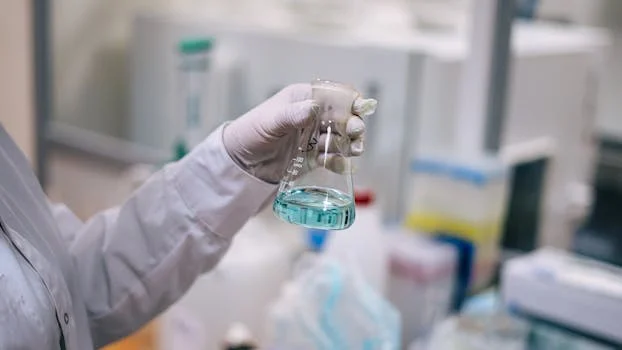
Deconstructing the total investment for a major wastewater treatment facility, such as the €382 million Sulkavuori plant, reveals distinct cost allocations across various treatment stages. Identifying these budget segments helps engineers and facility managers understand where capital is primarily deployed and where potential cost-saving opportunities exist.
Preliminary Treatment (Screening, Grit Removal): This initial stage typically accounts for 5–10% of the total project cost, translating to approximately €19M–€38M for a plant the size of Sulkavuori. Equipment like the GX Series Rotary Mechanical Bar Screen, designed with 6mm spacing, is critical for removing large solids and achieving up to 95% TSS removal, protecting downstream processes from damage and blockages.
Primary Treatment (Sedimentation): Representing 10–15% of the total cost, or €38M–€57M, primary treatment focuses on removing suspended solids and some organic matter through gravity. Comparing technologies, lamella clarifiers offer a compact footprint and typically cost €50–€120/m² of projected area, significantly less than conventional sedimentation tanks, which range from €80–€200/m² due to their larger land requirements. High-efficiency sedimentation tanks are crucial for optimizing this stage.
Biological Treatment (Aerobic/Anoxic, MBR): This is the most capital-intensive stage, consuming 30–40% of the total budget, or €115M–€153M. Advanced biological processes, including activated sludge with anoxic/oxic (A/O) zones or Membrane Bioreactor (MBR) systems, are essential for removing dissolved organic matter and nutrients. MBR systems, known for their high effluent quality and smaller footprint, typically cost €1,500–€3,000/m³/day of capacity. While efficient, their energy use can range from 0.8–1.5 kWh/m³, making energy optimization a key operational consideration.
Tertiary Treatment (Filtration, Disinfection): Accounting for 15–20% of the cost (€57M–€76M), tertiary treatment refines the effluent to meet stringent discharge limits. This often involves filtration (e.g., sand filters, membrane filtration) and disinfection. Chlorine dioxide generators, for instance, are a common disinfection solution, costing €20,000–€100,000 for units with 50–5,000 g/h output, depending on capacity requirements.
Sludge Handling (Dewatering, Disposal): Sludge management is a significant expense, making up 20–25% of the total budget (€76M–€95M). This includes thickening, dewatering, stabilization, and ultimate disposal. Plate and frame filter presses for sludge dewatering to cut Tampere’s disposal costs are widely used, with units costing €50,000–€300,000 for 50–500 m² of filtration area, effectively reducing sludge volume and associated transportation and disposal fees.
The following table illustrates the typical cost distribution for a large-scale plant:
| Treatment Stage | % of Total CAPEX (Sulkavuori) | Estimated Cost Range (€M) | Key Equipment/Processes |
|---|---|---|---|
| Preliminary Treatment | 5–10% | €19M–€38M | GX Series Rotary Mechanical Bar Screen, Grit Removal |
| Primary Treatment | 10–15% | €38M–€57M | Lamella Clarifiers, Conventional Sedimentation |
| Biological Treatment | 30–40% | €115M–€153M | Activated Sludge (A/O), MBR Systems |
| Tertiary Treatment | 15–20% | €57M–€76M | Filtration, Chlorine Dioxide Generators |
| Sludge Handling | 20–25% | €76M–€95M | Plate and Frame Filter Presses, Digesters |
Compliance Costs in Tampere: How Finland’s Regulations Impact Your Budget
Finland’s stringent environmental regulations directly translate into higher capital expenditure (CAPEX) and operational expenditure (OPEX) for wastewater treatment.Finland's regulations, particularly those enforced in Tampere, require stricter phosphorus and nitrogen limits. The EU Urban Waste Water Directive (91/271/EEC) sets a phosphorus limit of 0.5 mg/L, but Tampere aims for 0.3 mg/L. Achieving this enhanced phosphorus removal typically requires either increased chemical dosing, which can add €0.10–€0.30/m³ to operational costs, or the implementation of advanced technologies like MBR systems, which can increase OPEX by €0.50–€1.20/m³ but offer superior effluent quality.
Similarly, nitrogen removal in Tampere often exceeds standard EU directives. While the EU typically mandates 10 mg/L total nitrogen, Tampere targets 8 mg/L. Meeting this tighter limit necessitates advanced denitrification processes, which may include larger anoxic zones in biological reactors and the addition of external carbon sources, adding an estimated €0.20–€0.50/m³ to treatment costs.
Industrial facilities in Tampere face specific compliance challenges. Tampereen Vesi levies charges of €0.50–€1.20/m³ for non-compliant discharges, such as those with Chemical Oxygen Demand (COD) exceeding 500 mg/L or elevated levels of fats, oils, and grease. For example, a textile plant discharging 500 m³/day of non-compliant wastewater could face penalties of €182,500 per year. Investing in a DAF unit could reduce this significantly, making the initial CAPEX a strategic investment for long-term savings.
Ongoing monitoring costs are also a non-negotiable part of compliance, ranging from €5,000–€20,000 annually for regular laboratory analyses of parameters like phosphorus, nitrogen, Biochemical Oxygen Demand (BOD), and COD. To mitigate manual testing costs and ensure consistent compliance, facilities often deploy automated dosing systems with integrated pH and ORP probes, allowing for real-time adjustments and optimized chemical usage.
ROI Calculator: When Does On-Site Treatment Pay Off in Tampere?
For many industrial facility managers and procurement teams