High efficiency sedimentation tank troubleshooting starts with three checks: inlet flow balance, dissolved oxygen (DO) below 0.5 mg/L in the clarifier sludge blanket, and coagulant dose drift. Unbalanced distributors create local velocities that resuspend solids. Anoxic blankets drive denitrification and floating sludge. Weak or overdosed flocs cut TSS removal from about 92% toward 70% or lower. Lamella units sized for 20–40 m/h surface loading hold performance when those three faults are corrected first.
High efficiency sedimentation tank troubleshooting: root causes
Flow imbalance, clarifier DO below 0.5 mg/L, weak sludge recycle near 3–5% of influent, and coagulant miss are the main failure modes. Together they resuspend solids, drive N₂ gas lift, and drop TSS removal from about 92% toward 70% or lower on lamella trains held at 20–40 m/h.
Uneven inlet distribution is the most common hydraulic root of failure in high-efficiency sedimentation tanks, because localized high velocity resuspends settled solids and shrinks the effective settling area. Poor distributor channels produce short-circuiting across plate packs. Low DO below 0.5 mg/L in secondary clarifier blankets allows facultative bacteria to reduce nitrate and release N₂ bubbles that lift flocs. Weak return of conditioned sludge, often held near 3–5% of influent for floc seeding on these tanks, yields small flocs that settle slowly. Coagulant underdose leaves charge unneutralized; overdose can restabilize fines and shear fragile blankets.
Most plants we size for industrial solids run near the lower end of the 20–40 m/h band when influent solids spike. Operators who chase higher throughput without re-checking jar tests usually see effluent TSS rise first, then blanket instability. Keep the aeration effluent DO above 2 mg/L so the clarifier does not go anoxic under normal solids residence time.
Symptom 1: sludge blanket rising or floating
A rising or floating sludge blanket in a high-efficiency clarifier usually signals denitrification under anoxic conditions. Measure DO in the clarifier underflow; values below 0.5 mg/L confirm anoxic zones where N₂ attaches to flocs. Denitrification rates above 0.8 mg NO₃⁻-N/L/h inside the blanket are a strong process flag that gas lift is underway and solids will surface.
Raise return activated sludge (RAS) or sludge recycle by 10–20% of influent flow to shorten clarifier solids residence time and cut anoxic hold-up. Confirm aeration-tank effluent DO stays above 2 mg/L so nitrate reduction does not shift into the settler. For setpoint and aeration control detail, use the plant guide on optimizing dissolved oxygen control in aeration to prevent clarifier denitrification.
Physical blockage also lifts sludge. Inspect lamella plates for biofilm or packed solids that narrow channels and add turbulence. Clean plates with a low-pressure water jet every 3–6 months; high-solids trains may need shorter intervals.
Symptom 2: poor effluent quality and high TSS
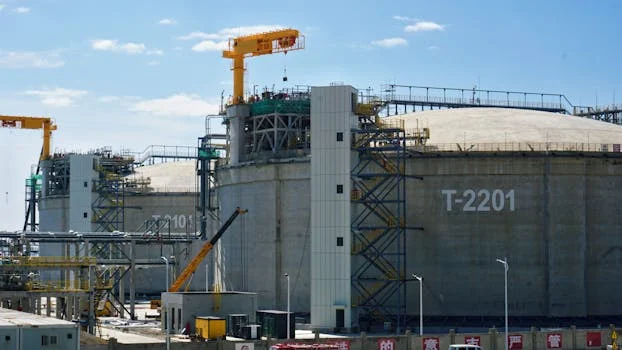
High effluent TSS after a lamella pack usually traces to hydraulic overload or weak chemical conditioning. Surface overflow above 40 m/h overwhelms plate settlers and drives short-circuiting. Units designed for 20–40 m/h surface loading keep solids capture when inlet distribution stays even and flocs are jar-tested.
Coagulant miss cuts removal from an optimized 92% to below 70%. Underdose yields tiny flocs; overdose restabilizes particles or builds a diffuse blanket. Run jar tests on current influent, then lock the dose with PLC-controlled chemical dosing for stable coagulation.
Flocculation shorter than 15 minutes leaves fragile flocs that shear in the inlet zone. Hold mixer G-values near 20–50 s⁻¹ for settleable floc without excess shear. Misaligned plates can cut active settling area by up to 30% and pass solids straight to the launders.
| Symptom | Probable Cause | Diagnostic Check | Corrective Action |
|---|---|---|---|
| High Effluent TSS | Hydraulic Overload | Measure influent flow rate; calculate surface loading rate. | Reduce influent flow or install additional capacity. Ensure loading is 20–40 m/h. |
| High Effluent TSS | Suboptimal Coagulation | Conduct jar tests; measure influent and effluent turbidity. | Adjust coagulant/flocculant dose based on jar test results. |
| High Effluent TSS | Poor Flocculation | Observe floc size and strength; check mixer G-value. | Adjust mixer speed for G-value 20–50 s⁻¹; ensure 15+ min flocculation time. |
| High Effluent TSS | Plate Misalignment/Clogging | Visually inspect plates for alignment, biofilm, or debris. | Realign plates; clean with low-pressure water jet. |
What fails first in a primary sedimentation tank?
Primary sedimentation tank duty fails first on hydraulic short-circuiting and sludge withdrawal lag when peak flows lift the blanket into the effluent weirs. Compared with lamella high-efficiency units, conventional primary tanks typically run much lower surface loading and longer detention, so overload shows as rising effluent TSS before plate packing becomes the bottleneck. If the plant already uses chemical flocculation ahead of plates, treat primary-tank symptoms with flow pacing and sludge inventory control before changing coagulant brands.
Where do scrubbers or RO still need separate solids control?
High-efficiency industrial scrubber blowdown and high-flow boiler RO pretreatment still need dedicated solids separation when suspended solids or precipitated salts would foul packing, membranes, or heat exchange. A clarifier or lamella stage handles settleable solids; it does not replace gas scrubbing or membrane rejection. Keep scrubber and RO chemical programs on their own control loops, and size the settler on measured TSS and settling velocity, not on air-pollution or permeate recovery targets.
Optimal operating parameters for lamella clarifiers
Lamella clarifiers stay stable when operators hold surface loading, detention, recycle, and DO inside engineered bands and correct drift early. The High-Efficiency Sedimentation Tank (Lamella Clarifier) is designed around those ranges, including integrated sludge recirculation that can support up to a 30% cut in chemical use when floc seeding is steady.
Surface loading of 20–40 m/h is the design window used here for high-efficiency tanks. Hydraulic retention time (HRT) targets 2–4 hours for primary clarification and 3–5 hours for secondary clarification on these process trains. Sludge recirculation near 3–5% of influent supports floc seeding without flooding the inlet. Keep aeration effluent DO above 2 mg/L; clarifier DO below 0.5 mg/L risks denitrification float.
| Parameter | Optimal Range (Industrial Wastewater) | Impact of Deviation |
|---|---|---|
| Surface Loading Rate | 20–40 m/h | >40 m/h: High TSS, short-circuiting; <20 m/h: Inefficient use of capacity |
| Hydraulic Retention Time (HRT) | Primary: 2–4 hours Secondary: 3–5 hours |
Too short: Incomplete settling; Too long: Septicity, denitrification risk |
| Sludge Recirculation Ratio | 3–5% of influent flow | Too low: Poor flocculation, low biomass; Too high: Hydraulic overload, excessive energy use |
| DO in Aeration Effluent | >2 mg/L | <0.5 mg/L: Denitrification, sludge floatation |
| Flocculation G-value | 20–50 s⁻¹ | Too low: Weak flocs; Too high: Floc shear, high TSS |
Preventing recurring issues with automation and monitoring
Online TSS and DO sensors in the clarifier underflow cut repeat upsets by alarming early. They warn before blankets float or solids break through. Alarm when DO falls below 0.5 mg/L or TSS exceeds 15 mg/L so operators act while inventory is still controllable. PLC dosing that trims coagulant and polymer to live turbidity and flow removes the manual lag that recreates underdose and overdose cycles.
See the process-control write-up on automating sludge recirculation and chemical dosing for stability, and pair it with PLC-controlled chemical dosing for stable coagulation when feed solids swing hour to hour. SCADA trends on blanket depth flag denitrification or overload early. Automated plate wash every 72 hours on high-solids duty keeps projected area open without waiting for a visual fail.
Who this is for and next step
Plant engineers and EPC teams use this page when running lamella or high-efficiency chemical sedimentation on industrial or municipal secondary solids. Look elsewhere if the duty is dissolved organics only, or if the bottleneck is membrane fouling without a settleable solids fraction.
Before changing hardware, check surface loading against 20–40 m/h and aeration effluent DO above 2 mg/L. Confirm jar-tested coagulant dose, flocculation of at least 15 minutes at G 20–50 s⁻¹, and plate alignment. Verify recycle near 3–5% when floc seeding is required, and watch blanket depth under peak flow. If those checks still show a capacity gap, request a sizing review through our clarifier troubleshooting and quote request.
Frequently Asked Questions
What causes sludge to rise in a sedimentation tank?
Low dissolved oxygen below 0.5 mg/L in the clarifier blanket allows denitrification when nitrate and residual carbon are present. Facultative bacteria reduce nitrate and release nitrogen gas bubbles that attach to flocs and lift them. Raise recycle to cut solids residence time, and keep aeration effluent DO above 2 mg/L so the settler does not go anoxic under normal inventory.
How can I improve TSS removal in a lamella clarifier?
Jar-test coagulant and polymer on current influent, then lock even inlet distribution across the plate pack. Hold surface loading inside 20–40 m/h and give flocculation at least 15 minutes at a G-value of 20–50 s⁻¹. Realign or clean plates if channels are fouled, because misalignment can remove up to 30% of active settling area and pass solids to the effluent.
What is the ideal sludge recirculation rate?
For high-efficiency sedimentation with floc seeding, a sludge recirculation ratio near 3–5% of influent flow is the operating target used in this article. Too little recycle weakens flocculation; too much adds hydraulic load and energy use. After denitrification float starts, a temporary 10–20% increase in return flow can shorten clarifier solids hold-up while DO is restored.
How often should inclined plates be cleaned?
Inspect and clean inclined plates every 3–6 months with a low-pressure water jet under typical industrial solids loads. High-solids applications may need shorter intervals, and automated wash cycles every 72 hours help keep projected area open. Biofilm or packed debris narrows channels, adds turbulence, and encourages localized float or carryover.
Why does effluent TSS jump after a coagulant change?
A new coagulant grade or seasonally colder water often shifts the charge-neutralization dose, so flocs stay small or restabilize. Removal can fall from about 92% toward below 70% until jar tests reset the dose and mixing G-value. Re-run jars on the current influent, then update the PLC setpoints rather than copying the previous chemical’s ppm.