Portugal’s 2025 MBR wastewater treatment systems deliver near-reuse-quality effluent (<1 μm filtration) with 92–97% COD removal, meeting Decreto-Lei n.º 236/98 discharge limits (BOD5 < 25 mg/L, TSS < 35 mg/L). For municipal projects like Montemor-o-Velho WWTP (3,740 PE), MBR systems reduce footprint by 60% and enable water reuse, while industrial applications benefit from modular designs (10–2,000 m³/day) and lower OPEX vs. conventional activated sludge. This guide provides Portugal-specific engineering specs, cost benchmarks (€1,200–€2,500/m³/day), and ROI calculations for 2025 projects.
Why Portugal’s Wastewater Regulations Are Driving MBR Adoption in 2025
Portugal's stringent wastewater discharge standards, primarily outlined in Decreto-Lei n.º 236/98, necessitate advanced treatment solutions like MBR to achieve the high effluent quality demanded for environmental protection and water reuse. Decreto-Lei n.º 236/98 sets national discharge limits for treated wastewater, typically requiring BOD5 below 25 mg/L, TSS below 35 mg/L, and COD below 125 mg/L for discharge into receiving waters. These limits are further reinforced by the EU Urban Waste Water Directive 91/271/EEC, which mandates secondary treatment for all agglomerations with a population equivalent (PE) greater than 2,000.
The Montemor-o-Velho WWTP, designed to serve 3,740 PE, exemplifies this shift by incorporating advanced MBR technology. This facility has achieved 95% COD removal, consistently exceeding standard EU discharge limits and demonstrating MBR's capability for superior performance (AmbiÁgua, 2024). For the industrial sector, particularly in regions like Porto’s industrial zones, local municipal regulations often impose even stricter limits, with some requiring TSS below 10 mg/L for specific industrial discharges. Industries such as food processing, textiles, and pharmaceuticals, characterized by complex and high-strength wastewater, find MBR technology crucial for meeting these demanding parameters.
Beyond compliance, Portugal’s National Water Plan 2030 actively promotes water reuse, mandating that 20% of treated wastewater be reused by 2030. MBR systems are particularly well-suited to meet this target, as their effluent quality (often near-tertiary) is ideal for non-potable applications such as agricultural irrigation, industrial process water, and urban landscaping. This dual benefit—compliance assurance and water resource optimization—positions MBR as a strategic investment for both municipal and industrial wastewater management in Portugal.
How MBR Systems Work: Engineering Mechanics for Portugal’s Wastewater
MBR systems integrate biological treatment with membrane filtration, fundamentally altering conventional wastewater processes to deliver superior effluent quality critical for Portugal's environmental objectives. The core mechanism combines an activated sludge process with a physical membrane barrier, eliminating the need for secondary clarifiers and tertiary filtration. In submerged MBR configurations, the membranes, typically made of polyvinylidene fluoride (PVDF) with a nominal pore size of 0.1 μm, are directly immersed in the bioreactor. This allows for high mixed liquor suspended solids (MLSS) concentrations (8,000–12,000 mg/L), intensifying biological activity and reducing reactor volume. External cross-flow systems, while offering easier membrane access, generally incur higher energy costs due to pumping requirements.
The choice of membrane material is crucial for Portugal’s diverse climate, which can experience significant temperature fluctuations and coastal humidity. While PVDF is widely used for its chemical resistance and durability, PTFE membranes offer superior chemical resistance, making them suitable for industrial applications with aggressive cleaning regimes. For municipal wastewater in Portugal, typical flux rates range from 15–25 LMH (liters per square meter per hour), whereas industrial wastewater, often with higher organic loads and suspended solids, requires lower flux rates of 10–20 LMH to prevent excessive fouling (MemWT, 2024). Energy consumption for submerged MBR systems typically falls between 0.6–1.2 kWh/m³ of treated water, a significant improvement over conventional activated sludge followed by tertiary filtration, which can consume 1.5–2.5 kWh/m³ (EPA Benchmarks, 2024).
A specific challenge in Portugal is the high organic loads found in industrial wastewater, particularly from food processing, where COD can range from 2,000–5,000 mg/L. Such wastewater often necessitates robust pre-treatment, such as dissolved air flotation (DAF), to remove fats, oils, grease (FOG), and suspended solids before entering the MBR system. This pre-treatment optimizes MBR performance, extends membrane lifespan, and reduces operational costs. HydropureWater offers PVDF flat sheet membranes for submerged MBR applications, designed for durability and high performance in challenging conditions. For more on pre-treatment options, explore pre-treatment options for high-COD wastewater in Portugal.
| Parameter | Municipal Wastewater | Industrial Wastewater | Notes |
|---|---|---|---|
| Membrane Pore Size | 0.1 μm | 0.1 μm | Typically PVDF or PTFE |
| Typical Flux Rate | 15–25 LMH | 10–20 LMH | Depends on wastewater characteristics |
| MLSS Concentration | 8,000–12,000 mg/L | 10,000–15,000 mg/L | Higher MLSS allows smaller footprint |
| Energy Consumption (Submerged MBR) | 0.6–1.2 kWh/m³ | 0.8–1.5 kWh/m³ | Includes aeration and permeate pumping |
| Membrane Lifespan | 5–8 years | 4–7 years | Dependent on wastewater, operation, and cleaning |
| Hydraulic Retention Time (HRT) | 4–8 hours | 6–12 hours | Longer HRT for higher organic loads |
| Sludge Retention Time (SRT) | 15–30 days | 20–40 days | Impacts sludge production and stability |
MBR vs. Conventional Activated Sludge: Portugal-Specific Comparison
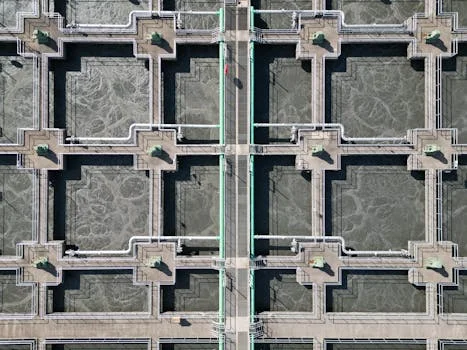
MBR technology consistently outperforms conventional activated sludge systems in critical areas such as effluent quality, footprint reduction, and sludge management, offering distinct advantages for wastewater treatment projects across Portugal. While conventional activated sludge relies on gravity sedimentation in a secondary clarifier to separate biomass from treated water, MBR employs a physical membrane barrier. This fundamental difference enables MBR to achieve 92–97% COD removal, significantly higher than the 85–90% typically seen in conventional systems (EPA, 2024; Ion Exchange, 2024).
One of the most compelling benefits for urban areas in Portugal, such as Lisbon with its limited space, is the reduced land footprint. MBR systems can reduce the required land area by up to 60% compared to conventional plants, due to higher biomass concentrations and the elimination of large clarifiers. The effluent quality from MBR is also vastly superior, producing reuse-grade water with TSS consistently below 1 mg/L and turbidity often less than 0.2 NTU. In contrast, conventional systems typically discharge effluent with TSS ranging from 10–30 mg/L, often requiring additional tertiary treatment for sensitive discharges or water reuse applications.
MBR systems generate 20–30% less waste activated sludge due to longer sludge retention times and higher biomass concentrations (MemWT, 2024). This reduction in sludge volume directly translates to lower disposal costs, a crucial factor in Portugal where landfill taxes range from €10–€20 per ton. MBR also offers greater operational flexibility, capable of handling variable hydraulic and organic loads more effectively than conventional systems. This resilience is particularly beneficial for regions like the Algarve, which experience significant seasonal tourism spikes, allowing systems to adapt from lower winter flows to peak summer demands without compromising effluent quality. For a deeper technical dive, refer to our engineering comparison of MBR vs. conventional activated sludge.
| Feature | MBR System | Conventional Activated Sludge | Significance for Portugal |
|---|---|---|---|
| Effluent Quality (TSS) | < 1 mg/L | 10–30 mg/L | Meets strict Decreto-Lei n.º 236/98 & reuse standards (NP 4434:2019) |
| Effluent Quality (COD Removal) | 92–97% | 85–90% | Ensures compliance for sensitive receiving waters |
| Footprint Reduction | Up to 60% smaller | Larger land requirement | Critical for urban areas (e.g., Lisbon) and high land costs |
| Sludge Production | 20–30% less | Higher volume | Reduces disposal costs (Portugal landfill tax €10–€20/ton) |
| Water Reuse Potential | High (near-reuse quality) | Requires tertiary treatment | Supports National Water Plan 2030 targets (20% reuse) |
| Operational Flexibility | High (handles variable loads) | Moderate (sensitive to load changes) | Ideal for seasonal tourism areas (e.g., Algarve) |
| Odor Control | Better (enclosed systems, less aeration) | Potential for odor issues | Improved public acceptance for urban WWTPs |
Cost Breakdown for MBR Systems in Portugal: CAPEX, OPEX & ROI for 2025 Projects
The total cost of ownership for MBR systems in Portugal, encompassing CAPEX from €1,200–€3,500/m³/day and OPEX from €0.30–€0.65/m³, demonstrates a strong return on investment driven by water reuse savings and avoided non-compliance fines. Capital expenditure (CAPEX) for MBR systems in Portugal typically ranges from €1,200–€2,500 per cubic meter per day capacity for municipal applications. For industrial projects, which often involve more complex wastewater characteristics and pre-treatment requirements, CAPEX can be higher, ranging from €1,800–€3,500/m³/day (data from Portugal-based suppliers, 2024). These figures include civil works, equipment (membranes, blowers, pumps, controls), installation, and commissioning.
Operational expenditure (OPEX) is a critical factor for long-term project viability. Energy consumption, primarily for aeration and permeate pumping, accounts for €0.15–€0.30/m³. Membrane replacement, with a typical lifespan of 5–8 years, contributes €0.05–€0.15/m³, while chemical costs for membrane cleaning (e.g., citric acid, sodium hypochlorite) add another €0.10–€0.20/m³. Other OPEX components include labor, maintenance, and sludge disposal. HydropureWater provides integrated MBR systems for Portugal’s wastewater projects, designed for energy efficiency and reduced long-term operating costs, often paired with an automatic chemical dosing system for MBR membrane cleaning.
A robust ROI framework for MBR systems in Portugal considers both direct savings and avoided costs. For industrial facilities, water reuse can generate significant savings, with industrial water tariffs in Portugal ranging from €1.50–€3.00/m³. avoiding fines for non-compliance with discharge limits, which can range from €5,000–€50,000 per year, provides a powerful incentive. A case study of a 500 m³/day MBR system installed in Porto demonstrated a payback period of approximately 4 years, primarily through the value of reclaimed water for process use (local engineering firm, 2023). To further support sustainable water management, Portugal’s Environmental Fund offers grants of up to 50% for eligible water reuse projects, with a substantial 2025 budget of €50 million, significantly improving the financial viability of MBR investments.
| Category | Cost Range (per m³/day capacity) | Notes & Impact |
|---|---|---|
| CAPEX (Capital Expenditure) | ||
| Municipal MBR System | €1,200–€2,500 | Includes civil works, equipment, installation, commissioning |
| Industrial MBR System | €1,800–€3,500 | Higher end for complex wastewater, specialized pre-treatment |
| OPEX (Operational Expenditure) | ||
| Energy Consumption | €0.15–€0.30/m³ | Primarily aeration and permeate pumping |
| Membrane Replacement | €0.05–€0.15/m³ | Based on 5–8 year lifespan, module cost, and labor |
| Chemicals (Cleaning, Nutrient Dosing) | €0.10–€0.20/m³ | Citric acid, NaOCl for cleaning; nutrients for biological process |
| Sludge Disposal | €0.05–€0.10/m³ | Lower than conventional due to reduced volume; Portugal landfill tax |
| Labor & Maintenance | €0.05–€0.10/m³ | Routine checks, minor repairs, skilled operator time |
| Total OPEX (Estimated) | €0.30–€0.65/m³ | Variable based on system size, wastewater, and local costs |
| ROI Drivers | ||
| Water Reuse Savings | €1.50–€3.00/m³ (Industrial tariffs) | Value of avoided fresh water purchase for non-potable uses |
| Avoided Non-Compliance Fines | €5,000–€50,000/year | Penalties for exceeding discharge limits (Decreto-Lei n.º 236/98) |
| Funding & Grants | Up to 50% CAPEX (Portugal Environmental Fund) | Reduces initial investment, shortens payback period |
Portugal’s Compliance Checklist for MBR Wastewater Treatment Projects
Ensuring MBR project compliance in Portugal requires a methodical approach to regulatory requirements, starting with pre-approval from APA and strict adherence to discharge limits specified in Decreto-Lei n.º 236/98 and local municipal standards. The first critical step is obtaining pre-approval from the Agência Portuguesa do Ambiente (APA). Any new wastewater treatment project, particularly those serving a population equivalent greater than 2,000 PE or involving industrial discharge, typically requires an environmental impact assessment (EIA) to secure necessary permits.
For operational compliance, the MBR effluent must consistently meet the discharge limits defined in Decreto-Lei n.º 236/98. These generally include BOD5 < 25 mg/L, TSS < 35 mg/L, and COD < 125 mg/L. It is crucial to also verify specific local municipal limits, as some regions, such as Lisbon, may impose even stricter requirements (e.g., TSS < 10 mg/L) depending on the receiving water body. To ensure continuous compliance and provide robust data, systems serving over 10,000 PE are often required to install online sensors for continuous monitoring of key parameters like TSS, COD, and flow rate.
If the treated MBR effluent is intended for non-potable water reuse, such as for agricultural irrigation, industrial processes, or urban landscaping, compliance with NP 4434:2019, the Portuguese standard for reclaimed water, is mandatory. This standard specifies quality parameters based on the intended reuse application. Finally, the management and disposal of dewatered sludge generated by the MBR system must conform to Decreto-Lei n.º 103/2010. This regulation sets limits for volatile solids (VS < 65%) and heavy metal concentrations for land application or incineration, ensuring environmentally sound sludge management. For optimal sludge management strategies, consider our guide on the best sludge dewatering system for industrial use.
Frequently Asked Questions
MBR systems distinguish themselves from MBBR technology by providing a higher degree of filtration and effluent quality, a key consideration for Portugal's strict wastewater discharge and reuse standards.
What are the key differences between MBR and MBBR for Portugal’s wastewater treatment?
MBR (Membrane Bioreactor) systems combine activated sludge with physical membrane filtration (typically 0.1 μm pore size) to produce near-reuse-quality effluent, making them ideal for meeting stringent discharge limits like Portugal’s Decreto-Lei n.º 236/98. MBBR (Moving Bed Biofilm Reactor) systems, on the other hand, utilize biofilm carriers for biological treatment without a membrane barrier, resulting in effluent that usually requires tertiary filtration for comparable quality. While MBR offers superior effluent quality and a smaller footprint, MBBR typically has lower energy consumption (0.4–0.8 kWh/m³ compared to MBR's 0.6–1.2 kWh/m³) and greater resilience to shock loads, but cannot achieve the same level of TSS or turbidity removal.
How much does 1 MLD of water cost to treat with an MBR system in Portugal?
For a 1,000 m³/day (1 MLD) MBR system in Portugal, the Capital Expenditure (CAPEX) typically ranges from €1.2 million to €2.5 million for municipal applications, and €1.8 million to €3.5 million for industrial projects. Operational Expenditure (OPEX) for treating 1 MLD is estimated to be €0.30–€0.65 per cubic meter, which includes energy (€0.15–€0.30/m³), membrane replacement (€0.05–€0.15/m³), chemicals (€0.10–€0.20/m³), and other operational costs. The Return on Investment (ROI) is highly dependent on factors such as water reuse savings (industrial tariffs €1.50–€3.00/m³) and avoided fines for non-compliance (€5,000–€50,000/year).
What is the largest MBR wastewater treatment plant in Portugal?
The largest operational MBR plant in Portugal is currently the Montemor-o-Velho WWTP, designed to serve an equivalent population of 3,740 PE, which translates to approximately 750 m³/day. However, a larger MBR plant with a capacity of 10,000 m³/day is currently under construction in Lisbon and is projected for completion in 2026. Globally, MBR technology scales significantly, with the largest MBR plant located in China, treating over 100,000 m³/day.
What are the maintenance requirements for an MBR system in Portugal’s climate?
MBR systems in Portugal require a structured maintenance schedule. This typically includes weekly chemical enhanced backwash or relaxation cycles using chemicals like citric acid or sodium hypochlorite to prevent membrane fouling. Monthly, sludge wasting is performed to maintain an optimal sludge retention time (SRT) of 15–30 days. Quarterly, membrane integrity tests (e.g., pressure decay tests) are crucial to detect any breaches. Annually, the aeration system, pumps, and instrumentation require thorough inspection and maintenance. For coastal areas in Portugal, such as the Algarve, high humidity and corrosive environments may necessitate the use of corrosion-resistant materials, like stainless steel, for exposed components and careful selection of electrical enclosures.
Can MBR systems handle Portugal’s seasonal tourism wastewater spikes?
Yes, MBR systems are inherently more capable of handling variable hydraulic and organic loads compared to conventional activated sludge systems. This makes them particularly well-suited for regions in Portugal that experience significant seasonal fluctuations due to tourism, such as the Algarve. For instance, a hotel MBR system designed for 500 m³/day could effectively manage flows ranging from 200 m³/day in the off-season to 800 m³/day during peak summer months by adjusting aeration rates and membrane flux (typically within 15–25 LMH). For industrial applications or facilities with high fats, oils, and grease (FOG) loads, pre-treatment technologies like Dissolved Air Flotation (DAF) are recommended to protect the MBR system from excessive fouling during peak loads.
Further Reading
Explore these in-depth articles on related wastewater treatment topics: