Poland’s 2025 MBR wastewater treatment systems deliver near-reuse-quality effluent (<1 mg/L TSS, <10 mg/L BOD) with a 60% smaller footprint than conventional activated sludge (CAS) systems, critical for land-constrained industrial zones like Wrocław or Gdańsk. For a 500 m³/day municipal plant, CAPEX ranges from PLN 1.2M–3.5M, with OPEX of PLN 0.80–1.50/m³ (including membrane replacement every 8–10 years). Compliance with EU Directive 91/271/EEC requires Polish water law permits (Art. 124–127 of the Environmental Protection Act), with additional scrutiny for nitrogen/phosphorus limits in sensitive areas like the Masurian Lakes.
Why Polish Industries and Municipalities Are Switching to MBR in 2025
Poland’s wastewater treatment capacity must grow 30% by 2030 to meet the stringent targets set by the EU Urban Waste Water Treatment Directive (UWWTD), as highlighted in a 2024 European Commission report. This expansion, coupled with increasing industrialization in regions like Silesia and Pomerania, presents a significant challenge, particularly regarding available land and escalating operational costs. Membrane Bioreactor (MBR) wastewater treatment systems offer a compelling solution by delivering high-quality effluent within a compact footprint, addressing critical pain points for Polish municipal engineers and industrial facility managers.
Land costs in Poland’s industrial hubs, such as Wrocław, can range from PLN 500–1,200/m², making MBR’s 60% smaller footprint a substantial cost-saving advantage compared to traditional Conventional Activated Sludge (CAS) systems. This efficiency is vital for new industrial parks and urban agglomerations where space is at a premium. the Polish Environmental Protection Act (Art. 124) mandates strict permits for discharges into sensitive areas, including the Baltic Sea catchment. MBR systems consistently achieve effluent quality of <1 mg/L TSS and <10 mg/L BOD, significantly outperforming CAS, which typically achieves 92–97% TSS removal (per Schwander Polska data). This superior performance ensures compliance with increasingly rigorous environmental standards.
Industrial sectors driving MBR adoption in Poland include food processing, exemplified by facilities like Żywiec Brewery, pharmaceuticals (e.g., Polpharma), and textiles (e.g., LPP in Gdańsk). These industries often require high-quality treated water for potential reuse or have complex wastewater streams demanding advanced treatment. A notable case study is the Wydminy WWTP in northeastern Poland, which, following an MBMR upgrade, achieved 80% nitrification and 20% denitrification, successfully meeting the strict EU nitrogen limits applicable to the ecologically sensitive Masurian Lakes region. This demonstrates MBR's capability to deliver advanced nutrient removal efficiently, making it a critical technology for meeting Poland's evolving environmental protection goals.
MBR Wastewater Treatment: How It Works in Polish Conditions
MBR wastewater treatment systems integrate advanced biological processes with a membrane filtration step, providing superior effluent quality and a compact footprint essential for Polish conditions. The core process involves anoxic and aerobic biological treatment zones, where microorganisms break down organic pollutants and nutrients, followed by solid-liquid separation using submerged PVDF (polyvinylidene fluoride) membranes. These membranes typically feature a pore size of 0.1–0.4 µm, effectively retaining all suspended solids, bacteria, and even some viruses, resulting in a highly clarified effluent.
Operating flux rates for MBR systems in Poland are typically 15–25 LMH (liters/m²/hour) for municipal applications and 10–20 LMH for industrial wastewater. Industrial applications often require lower flux rates due to higher concentrations of suspended solids (TSS) and fats, oils, and grease (FOG) (per Alfa Laval Poland data). This careful consideration of influent quality is critical for sustained membrane performance. Energy consumption for MBR systems ranges from 0.6–1.2 kWh/m³, which is higher than CAS systems (0.3–0.5 kWh/m³). Approximately 30% of MBR operational costs are attributed to membrane aeration, which prevents fouling and maintains optimal flux. With Polish electricity rates currently at PLN 0.70–0.90/kWh (2025), optimizing aeration efficiency is paramount.
Cold-weather adjustments are critical for MBR performance in Poland, particularly in regions like Pomerania, where temperatures can drop significantly. Membrane flux can be reduced by 20–30% when mixed liquor temperatures fall below 10°C. To mitigate this, systems may require pre-heating or the installation of a larger membrane area to maintain design capacity during colder months. Sludge production in MBR systems is significantly lower than CAS, typically 0.2–0.4 kg TSS/kg BOD removed, compared to 0.5–0.7 kg for CAS. This reduction in sludge volume translates directly to lower disposal costs, which range from PLN 200–400/ton in Poland.
Membrane fouling, primarily caused by cake layer formation and pore blocking, is a key operational challenge. In Poland, specific mitigation strategies are employed, such as chemical cleaning with citric acid for dairy wastewater or sodium hypochlorite for general organic fouling. Regular backflushing and relaxation cycles are also essential to maintain membrane permeability. HydropureWater’s integrated MBR system for Polish projects often incorporates advanced PLC-controlled dosing for MBR membrane cleaning to optimize chemical usage and extend membrane lifespan. For more details on system components, refer to HydropureWater’s integrated MBR system for Polish projects.
| MBR Operating Parameter | Municipal Wastewater (Poland) | Industrial Wastewater (Poland) | Conventional Activated Sludge (CAS) |
|---|---|---|---|
| Typical Flux Rate | 15–25 LMH | 10–20 LMH | N/A (no membranes) |
| Membrane Pore Size | 0.1–0.4 µm (PVDF) | 0.1–0.4 µm (PVDF) | N/A |
| Energy Consumption | 0.6–1.2 kWh/m³ | 0.8–1.5 kWh/m³ | 0.3–0.5 kWh/m³ |
| Sludge Production | 0.2–0.4 kg TSS/kg BOD | 0.2–0.5 kg TSS/kg BOD | 0.5–0.7 kg TSS/kg BOD |
| Cold-Weather Flux Reduction (below 10°C) | 20–30% | 20–30% | N/A (biological efficiency reduced) |
MBR vs. MBBR vs. CAS: Poland-Specific Comparison for 2025 Projects
Selecting the optimal wastewater treatment technology in Poland requires a detailed comparison of MBR, Moving Bed Biofilm Reactor (MBBR), and Conventional Activated Sludge (CAS) systems, considering local conditions like land costs, energy prices, and regulatory demands. MBR systems consistently deliver the highest effluent quality, typically below 1 mg/L TSS and 10 mg/L BOD, enabling compliance with stringent EU reuse standards (EN 16941-2:2021) for applications such as irrigation or industrial cooling water. In contrast, MBBR systems typically produce 10–20 mg/L TSS, while CAS systems range from 20–30 mg/L TSS, making MBR the preferred choice for sensitive discharge areas or water reuse initiatives.
Footprint is a critical differentiator in land-constrained regions of Poland. MBR systems require a compact footprint of 0.1–0.3 m²/m³/day, significantly smaller than MBBR (0.3–0.5 m²/m³/day) and CAS (0.5–1.0 m²/m³/day). For a 500 m³/day plant in a high-value area like Warsaw, MBR can save PLN 50,000–200,000 in land costs alone. This efficiency directly impacts overall project feasibility and budget. Regarding Capital Expenditure (CAPEX) for 2025, MBR systems for a 500 m³/day plant typically range from PLN 1.2M–3.5M, which is higher than MBBR (PLN 0.8M–2.0M) and CAS (PLN 0.5M–1.5M). However, this higher upfront cost for MBR is often offset by a 30% lower Operating Expenditure (OPEX) over a 10-year period, according to data from the Polish Waterworks Association.
Operational Expenditure (OPEX) for MBR systems in Poland averages PLN 0.80–1.50/m³, compared to MBBR at PLN 0.60–1.20/m³ and CAS at PLN 0.40–0.80/m³. While MBR incurs higher energy costs due to membrane aeration, these are partially balanced by significantly lower sludge disposal fees (PLN 200–400/ton), as MBR produces less sludge. Operational complexity also varies; MBR systems require more skilled operators for membrane cleaning and maintenance, while MBBR involves biofilm management, and CAS is generally considered less complex operationally, albeit with a larger footprint. Polish labor costs, ranging from PLN 40–60/hour, can make MBBR an attractive option for remote sites where highly specialized MBR operators might be less accessible.
Climate resilience is another important factor for Poland's varied weather conditions. MBR’s enclosed system design offers better performance in Poland's cold winters, such as the -20°C temperatures experienced in Suwałki, compared to open-air CAS systems, which require larger tanks to maintain nitrification efficiency in cold weather. For a more detailed MBR vs. MBBR vs. CAS comparison with global benchmarks, consult this engineering comparison. PVDF flat sheet membranes for cold-weather MBR performance are critical components to consider.
| Criterion | MBR (Membrane Bioreactor) | MBBR (Moving Bed Biofilm Reactor) | CAS (Conventional Activated Sludge) |
|---|---|---|---|
| Effluent Quality | <1 mg/L TSS, <10 mg/L BOD (Meets EU reuse standards EN 16941-2:2021) | 10–20 mg/L TSS, 15–30 mg/L BOD | 20–30 mg/L TSS, 20–40 mg/L BOD |
| Footprint (m²/m³/day) | 0.1–0.3 (60% smaller than CAS) | 0.3–0.5 | 0.5–1.0 |
| CAPEX (500 m³/day, 2025 PLN) | 1.2M–3.5M | 0.8M–2.0M | 0.5M–1.5M |
| OPEX (PLN/m³) | 0.80–1.50 (Lower sludge disposal offsets higher energy) | 0.60–1.20 | 0.40–0.80 |
| Operational Complexity | High (membrane cleaning, specialized operators) | Medium (biofilm management) | Low (but larger footprint) |
| Cold-Weather Performance | Excellent (enclosed, less affected) | Good (biofilm resilience) | Moderate (requires larger tanks for nitrification) |
| Land Cost Savings (500 m³/day, Warsaw) | PLN 50,000–200,000 | PLN 20,000–80,000 | Reference baseline |
Poland’s 2025 MBR Compliance Requirements: EU Directive 91/271/EEC and Local Permits
Compliance with both European Union directives and specific Polish legislation is non-negotiable for any wastewater treatment project in Poland, with MBR systems proving highly effective in meeting these stringent requirements. EU Directive 91/271/EEC on urban waste water treatment mandates secondary treatment for all agglomerations exceeding 2,000 Population Equivalent (PE). Crucially, the directive imposes stricter limits for sensitive areas, such as the Baltic Sea catchment, where discharge limits typically include 10 mg/L Total Nitrogen (TN) and 1 mg/L Total Phosphorus (TP). MBR technology, with its advanced biological treatment and superior filtration, is well-suited to achieve these low nutrient concentrations.
At the national level, the Polish Environmental Protection Act (Art. 124–127) forms the bedrock of water law, requiring specific water law permits for all wastewater discharges. Additional scrutiny and even tighter nitrogen and phosphorus limits are applied to protected zones, including the ecologically vital Masurian Lakes and Biebrza Marshes. MBR systems’ ability to achieve <1 mg/L TSS and <10 mg/L BOD consistently, combined with efficient nutrient removal, makes them ideal for ensuring compliance in these sensitive environments. The effluent from MBR systems often meets EU reuse standards (EN 16941-2:2021) for non-potable applications like irrigation or industrial cooling. However, Polish law, specifically the Water Law Act (Art. 39), requires separate permits for any water reuse projects, necessitating a comprehensive application process.
A successful case study demonstrating MBR's compliance capability is the Chełmiec WWTP (Top 1 research result), which achieved full compliance with EU nitrogen limits through the implementation of real-time nitrification-denitrification (NDN-RTC) control. This advanced operational strategy not only met regulatory targets but also reduced chemical dosing costs by 25%. The permit application process in Poland typically spans 6–12 months, requiring meticulous documentation. Essential submissions include detailed technical specifications of the MBR system, a comprehensive environmental impact assessment (particularly for projects exceeding 10,000 PE), and an analysis of sludge management plans. Common pitfalls include underestimating the complexity of sludge disposal requirements or failing to provide sufficient data on the proposed system's long-term performance under Polish climatic conditions.
MBR Cost Breakdown for Polish Projects: CAPEX, OPEX, and ROI Calculator
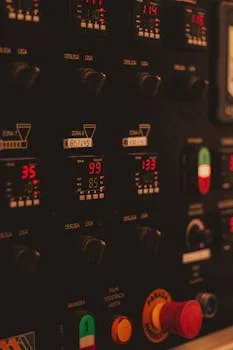
Accurate financial planning is essential for MBR wastewater treatment projects in Poland, encompassing detailed Capital Expenditure (CAPEX) and Operational Expenditure (OPEX) analyses to determine overall Return on Investment (ROI). The CAPEX for an MBR system in Poland (2025) for a typical 500 m³/day municipal plant ranges from PLN 1.2M–3.5M, while larger industrial or municipal facilities of 2,000 m³/day can expect CAPEX between PLN 5M–15M. The primary components of CAPEX include membrane modules (30–40% of total), biological tanks (20–30%), automation and control systems (15–20%), and civil works (10–15%).
Operational Expenditure (OPEX) for MBR systems in Poland averages PLN 0.80–1.50/m³. This figure comprises several key cost drivers: energy consumption (PLN 0.30–0.60/m³), membrane replacement (PLN 0.20–0.40/m³, typically every 8–10 years), labor (PLN 0.10–0.20/m³), chemicals for cleaning (PLN 0.05–0.10/m³), and sludge disposal (PLN 0.05–0.10/m³). Poland-specific cost drivers heavily influence these figures. Electricity rates, for instance, are currently PLN 0.70–0.90/kWh, while skilled labor costs range from PLN 40–60/hour. Membrane replacement, particularly for PVDF flat sheets, costs approximately PLN 150–250/m².
While MBR systems have a higher initial CAPEX compared to conventional alternatives like CAS, their long-term ROI is compelling due to significantly lower OPEX. Data from the Polish Waterworks Association (2024) indicates that MBR systems can achieve a 30% lower OPEX over 10 years compared to CAS. For example, a 500 m³/day MBR plant, despite a PLN 1.5M higher upfront cost, can realize savings of PLN 1.1M over a decade through reduced energy consumption, lower sludge disposal volumes, and superior effluent quality that avoids fines. To assist with project budgeting and supplier comparison, a downloadable ROI calculator is available, allowing users to input specific flow rates, influent characteristics (BOD/TSS), and local energy/labor costs to generate detailed CAPEX, OPEX, and payback period projections. This tool provides a transparent and actionable financial framework for evaluating MBR investments.
| Cost Category | Component | Typical Percentage of Total CAPEX | Typical Cost (PLN) |
|---|---|---|---|
| CAPEX (500 m³/day, 2025) | Membrane Modules | 30–40% | 400,000–1,400,000 |
| Biological Tanks & Equipment | 20–30% | 240,000–1,050,000 | |
| Automation & Controls | 15–20% | 180,000–700,000 | |
| Civil Works & Installation | 10–15% | 120,000–525,000 | |
| OPEX (PLN/m³) | Energy (incl. aeration) | N/A | 0.30–0.60 |
| Membrane Replacement (every 8-10 years) | N/A | 0.20–0.40 | |
| Labor & Maintenance | N/A | 0.10–0.20 | |
| Chemicals (cleaning) | N/A | 0.05–0.10 | |
| Sludge Disposal | N/A | 0.05–0.10 |
Selecting an MBR Supplier for Polish Projects: 2025 Decision Framework
Choosing the right MBR supplier in Poland requires a structured decision framework that evaluates technical specifications, compliance, local support, and cost transparency to ensure project success. Technically, a prospective supplier should offer membrane modules with a proven warranty of 8–10 years for PVDF membranes, guaranteeing long-term reliability. Key performance indicators include demonstrated flux rates of 15–25 LMH for municipal applications and energy efficiency below 1.0 kWh/m³. Critically for Poland, suppliers must provide verifiable data on cold-weather performance, with systems tested and proven to operate efficiently down to -20°C.
Compliance is non-negotiable. Suppliers must provide evidence of EU CE marking and EN 12566-3 certification, signifying adherence to European quality and safety standards. extensive experience with Polish water law permits, particularly Art. 124 of the Environmental Protection Act, is crucial for navigating the local regulatory landscape. A supplier's track record in securing permits for projects in Poland, such as municipal WWTPs in Chełmiec or Wydminy, offers strong validation of their expertise.
Local support infrastructure is a significant factor for Polish projects. A robust service network within Poland, potentially through partnerships with institutions like the Silesian University of Technology, ensures prompt technical assistance. Suppliers should guarantee spare parts availability with lead times typically under two weeks and offer comprehensive training programs for facility operators. This ensures that maintenance and operational staff are well-equipped to manage the MBR system effectively. For industrial MBR applications in high-TSS environments, understanding the supplier's local service capabilities is paramount, as detailed in an article on industrial MBR applications in high-TSS environments.
Cost transparency is another vital element of the decision framework. Suppliers should provide itemized CAPEX and OPEX breakdowns, including clear figures for membrane replacement costs (PLN 150–250/m² for PVDF flat sheets) and guaranteed energy consumption figures. Vague cost estimates or a lack of detailed operational cost projections are significant red flags. Finally, always request references and case studies for projects in Poland or similar climates (e.g., Scandinavia for cold-weather performance). Red flags during evaluation include a lack of EU certifications, vague energy consumption data, or the absence of local service partners in Poland, which could lead to long-term operational and maintenance challenges. Considering MBR cost benchmarks in emerging markets can also provide valuable context, as discussed in MBR cost benchmarks in emerging markets.
Frequently Asked Questions
- Which is better for Polish projects: MBR or MBBR? MBR is generally better for land-constrained sites, such as urban areas or industrial zones, or where near-reuse-quality effluent is required for applications like industrial cooling or irrigation. MBBR is often a more cost-effective choice for remote sites with lower effluent quality requirements, such as small municipalities, due to its lower CAPEX and operational complexity.
- What are the disadvantages of MBR in Poland? The primary disadvantages of MBR in Poland include a higher initial CAPEX, typically PLN 1.2M–3.5M for a 500 m³/day plant compared to PLN 0.8M–2.0M for MBBR. MBR also has higher energy consumption (0.6–1.2 kWh/m³) and faces membrane fouling risks, particularly in cold weather (e.g., -20°C in Suwałki), which can reduce flux rates. It also requires more skilled operators for membrane cleaning and maintenance.
- How much does an MBR system cost in Poland in 2025? For a 500 m³/day plant, the CAPEX for an MBR system ranges from PLN 1.2M–3.5M. For larger systems, such as 2,000 m³/day, CAPEX can be PLN 5M–15M. OPEX is estimated at PLN 0.80–1.50/m³, which includes membrane replacement costs of PLN 150–250/m² every 8–10 years.
- What permits are required for MBR in Poland? All MBR systems in Poland require a water law permit under Art. 124–127 of the Environmental Protection Act. Additionally, compliance with EU Directive 91/271/EEC is mandatory for agglomerations exceeding 2,000 PE. Projects discharging into sensitive areas, such as the Baltic Sea catchment or Masurian Lakes, face additional scrutiny and stricter nitrogen/phosphorus limits.
- Can MBR effluent be reused in Poland? Yes, MBR effluent typically meets EU reuse standards (EN 16941-2:2021) for non-potable applications like irrigation or industrial cooling. However, under Polish law (Water Law Act, Art. 39), any water reuse project requires a separate, specific permit in addition to the standard discharge permit.
Related Equipment
- PVDF flat sheet membranes for cold-weather MBR performance — view specifications, capacity range, and technical data
- PLC-controlled dosing for MBR membrane cleaning — view specifications, capacity range, and technical data
Need a customized solution? Request a free quote with your specific flow rate and pollutant parameters.