MBR Wastewater Treatment System Manitoba Cost and the 2026 License Rules
The MBR wastewater treatment system Manitoba cost in 2026 usually runs from $200,000 to over $2,000,000 CAD for nutrient polishing or reuse. Manitoba industrial plants need an Environment Act License before discharge. Federal SOR/2012-139 sets average CBOD and suspended solids at 25 mg/L for systems it covers, while many Licenses still write 15 mg/L BOD₅ and 0.5–1.0 mg/L total phosphorus.
According to section 2 of the Wastewater Systems Effluent Regulations, the federal rule applies when a system deposits effluent to water frequented by fish. The system must also collect an average of 100 m³ or more of influent per day. The same section excludes an on-site industrial system designed so blackwater plus greywater is less than 50% of influent volume. Most plants we size for a Manitoba food plant or mine are governed by the Environment Act License, not by the federal 25 mg/L CBOD line alone.
Manitoba Environment and Climate Change describes that federal regulation as applying to facilities that discharge more than 100 m³/day. Section 6 of the Justice Laws consolidation, on the page dated 2026-09-22, still sets average CBOD and suspended solids at 25 mg/L. The same section holds un-ionized ammonia below 1.25 mg/L as nitrogen at 15 °C ± 1 °C. Where chlorine is used, average total residual chlorine must not exceed 0.02 mg/L, and a grab sample must not exceed 0.10 mg/L.
Effluent authorized under that section must not be acutely lethal. Earlier tables grouped the 15 mg/L BOD₅ limit with SOR/2012-139. Section 6 sets average CBOD at 25 mg/L, not BOD₅ at 15 mg/L. Many Manitoba Licenses still use the tighter 15 mg/L BOD₅ number, so the table below keeps both labels.
What an Environment Act License Requires in Manitoba
An Environment Act License is mandatory for any Manitoba facility discharging industrial effluent, and it is normally issued 6 to 12 months after an Environment Act Proposal reaches Manitoba Environment and Climate Change. Manitoba industrial wastewater treatment sits under The Environment Act and The Water Protection Act, with site-specific Environment Act License (EAL) limits for most dischargers. Federal Wastewater Systems Effluent Regulations (SOR/2012-139) set average suspended solids (SS) and carbonaceous biochemical oxygen demand (CBOD) at 25 mg/L each for systems they cover. They do not set a 15 mg/L BOD₅ standard.
Many Manitoba Licenses still use tighter BOD₅ and phosphorus clauses, and mining sites are also checked against federal Metal and Diamond Mining Effluent Regulations (MDMER). Most plants we size for Manitoba specify 14-day composite sampling at design flow before the proposal stage, so the design basis matches the eventual permit conditions. Nutrient reduction remains the headline driver in 2026, especially phosphorus loading to Lake Winnipeg. Mining and food processing operations typically see tighter site-specific limits than the general industrial table.
A northern Manitoba mine is also checked against federal arsenic, copper, cyanide, and lead limits under MDMER. Under The Environment Act, corporations face fines of up to $500,000 CAD for a first offence. Each subsequent offence can draw a fine of up to $1,000,000 CAD, and a continuing offence may be charged for each day it continues. Permit conditions now routinely require continuous flow metering plus composite sampling to prove the 24-hour average stays within limits.
A site-specific assessment under the Manitoba Water Quality Standards, Objectives, and Guidelines can go tighter still on TSS, CBOD, pathogens, ammonia, or nutrients. Manitoba also requires an Environment Act License for biosolids land application and for wastewater sludge disposal, not only for the plant outfall. A Notice of Alteration must be approved before anyone changes a licensed works. Licensing follows the Classes of Development Regulation, the Licensing Procedures Regulation, and the Environment Act Fees Regulation.
| Parameter | Standard Limit (General Industrial) | Regulatory Authority |
|---|---|---|
| Total Suspended Solids (TSS) | ≤ 25 mg/L | Federal SOR/2012-139 / MB EAL |
| Biochemical Oxygen Demand (BOD₅) | ≤ 15 mg/L | Federal SOR/2012-139 / MB EAL |
| Total Phosphorus (TP) | ≤ 0.5 mg/L - 1.0 mg/L | Manitoba Water Protection Act |
| Total Ammonia Nitrogen (TAN) | Site-specific (Toxicity-based) | Manitoba Environment Act |
| Fats, Oils, and Grease (FOG) | < 15 mg/L (typical) | Municipal Sewer Use By-laws |
Industrial Wastewater Treatment Technologies: How DAF, MBR, and Conventional Systems Compare for Manitoba Facilities
Manitoba wastewater treatment technology selection is set by three hard constraints: sub-zero winter air temperatures, variable influent concentrations, and the 25 mg/L TSS / 15 mg/L BOD₅ discharge envelope used in many Licenses. Dissolved Air Flotation (DAF) is the default primary stage for food processing and manufacturing with high Fats, Oils, and Grease (FOG), typically achieving 90–95% TSS and insoluble BOD removal through micro-bubble flotation and mechanical skimming. A high-efficiency DAF system for Manitoba industrial wastewater suits sites that need a compact physical-chemical step before biological polishing or direct sewer discharge. Most plants we size for steady FOG in Manitoba run enclosed DAF at the lower end of the 0.3–0.5 kWh/m³ band.
Membrane Bioreactors (MBR) combine activated sludge with 0.03–0.1 μm membrane filtration, replacing the secondary clarifier and producing effluent TSS routinely below 1 mg/L. An MBR system for high-strength organic wastewater in Manitoba fits plants that need water-reuse quality or that face municipal surcharges on BOD and TSS in Winnipeg. In a detailed comparison of MBR and conventional activated sludge systems, MBR packages run at roughly 60% of the footprint of CAS. That saving matters on existing urban lots and at remote camps where civil work is expensive.
Where Conventional Activated Sludge Still Fits in Manitoba
Conventional Activated Sludge (CAS) still has a place for large, lower-strength flows with available land, but biological kinetics slow sharply once mixed liquor drops below about 10 °C. In Manitoba's climate that typically means heated basins or extended HRT through winter, which pushes energy and tankage costs up. Enclosed or containerized MBR and DAF packages are easier to insulate and maintain stable process temperatures. Field data summarized in DAF system performance data for cold-climate applications shows flocculation efficiency drops sharply below 10 °C influent, which is why enclosed DAF skids are common in unheated Manitoba plants.
| Feature | DAF Systems | MBR Systems | Conventional Activated Sludge |
|---|---|---|---|
| Primary Application | FOG, TSS, Heavy Metals | High BOD, Nutrient Removal | Low-strength Municipal/Industrial |
| Effluent Quality (TSS) | 10–30 mg/L | < 1 mg/L | 15–25 mg/L |
| Footprint | Compact | Very Compact | Large |
| Energy Use (kWh/m³) | 0.3–0.5 | 0.8–1.2 | 0.4–0.6 |
| Cold Climate Resilience | High (Enclosed) | High (Insulated) | Moderate to Low |
Industrial Wastewater Treatment CAPEX OPEX Manitoba 2026
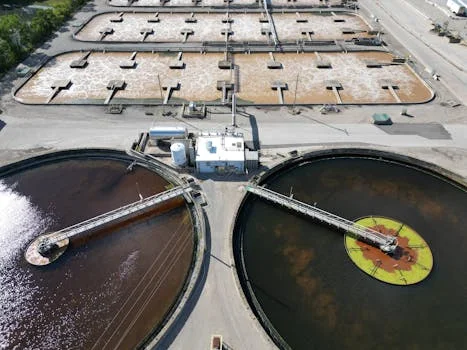
Capital expenditure (CAPEX) for Manitoba industrial wastewater systems in 2026 spans roughly $50,000 to over $2,000,000 CAD, depending on flow, nutrient target, and remoteness. DAF packages for primary treatment typically land between $50,000 and $500,000 CAD, while MBR systems for nutrient polishing or reuse range from $200,000 to over $2,000,000 CAD. Two Manitoba factors push these numbers higher: freight to northern mining sites and winter-proofed enclosures for all mechanical and electrical skids.
Operating expense (OPEX) for most plants runs $0.50 to $5.00 per cubic meter of treated water. DAF OPEX is dominated by coagulant and polymer dose; MBR OPEX is dominated by membrane aeration and periodic chemical cleaning. At 500 m³/day, payback on a well-sized system typically falls in the 3–5 year window from avoided surcharges and fines. Adding PLC-controlled chemical dosing for Manitoba wastewater compliance is one of the cheaper upgrades, typically trimming 10–20% of polymer and coagulant use.
Most plants we size at 500 m³/day in Manitoba land in the middle of these CAPEX bands, not at the brochure floor. The 3–5 year payback assumes surcharges and fines are real, which they are when the 24-hour average drifts. Northern freight can add more than the skid itself.
Six drivers move a Manitoba bid more than the equipment name on the cover.
- Flow and peak: Size to the 14-day composite peak, not the average day, for plants from 20–2,000 m³/day on DAF or 50–5,000 m³/day on MBR.
- Nutrient end point: A 0.5–1.0 mg/L total phosphorus target costs more than a 25 mg/L TSS / 15 mg/L BOD₅ sewer limit.
- Winter enclosure: Insulated containers and heat to hold mixed liquor above about 10 °C add both capital and kilowatt-hours.
- Northern freight: Mining sites pay more to move skids than a Winnipeg plant of the same flow.
- Chemicals versus air: DAF spends on polymer, while MBR spends on aeration at 0.8–1.2 kWh/m³.
- Sludge and fines: Haulage, plus fines of up to $500,000 CAD, belongs in the 10-year view.
DAF System Cost Manitoba Food Processing Facility
A DAF system for a Manitoba food processing facility typically lands between $50,000 and $500,000 CAD, with operating cost of $0.50 – $2.00 per cubic meter. Food plants with high FOG usually see 90–95% TSS removal when the skid is enclosed and influent stays above 10 °C. Read the MBR wastewater treatment system Manitoba cost beside that DAF band before you skip biological treatment. A sewer surcharge on BOD can erase the savings from a cheap primary skid.
What are typical disinfection costs for tanks and piping?
Disinfection of piping, tanks, structures, and equipment is scoped from contact time, chemistry, and access, not from a single unit price. Chlorine, peracetic acid, or hot-water sanitizing packages are priced after the 14-day characterization fixes volume and residual targets. Budget the work inside the same CAPEX envelope used for dosing and monitoring, and require the vendor to state chemical dose, contact time, and verification sampling in the bid. Where chlorine is the chosen chemistry, keep the federal grab-sample ceiling of 0.10 mg/L in that same specification.
Earlier project guidance treated the Manitoba Green Energy Equipment Tax Credit as covering geothermal, solar thermal, gasification, and biomass co-generation equipment, not conventional wastewater treatment plant hardware. The Manitoba Tax Assistance Office publishes a 15% credit on the remainder of eligible geothermal capital cost, plus 7.5% on a Manitoba-made heat pump. Solar thermal systems qualify for a 10% credit, and biomass fuel equipment used in a Manitoba business qualifies for 15%. Reconditioned equipment, buildings, and pool-water heaters are outside the credit.
Federal Clean Growth Hub grants still target projects that cut greenhouse gases or push effluent well past minimum limits. Eligibility is normally decided on a documented engineering audit showing the emission or quality gain, so the case is stronger when the proposal includes measured baseline data from the 14-day characterization step.
| System Type | Typical CAPEX (CAD) | Typical OPEX ($/m³) | Estimated ROI (Years) |
|---|---|---|---|
| Dissolved Air Flotation (DAF) | $50k – $500k | $0.50 – $2.00 | 2 – 4 |
| Membrane Bioreactor (MBR) | $200k – $2M | $1.00 – $4.00 | 4 – 7 |
| Conventional Activated Sludge | $100k – $1M | $0.75 – $3.00 | 5 – 8 |
Step-by-Step Compliance Checklist for Manitoba Industrial Facilities
Compliance in Manitoba runs from wastewater characterization through to a live Environment Act License, with operator certification closing the loop. The first deliverable is a baseline dataset on pH, temperature, BOD₅, TSS, and any sector-specific contaminants (heavy metals for mines, FOG and nitrogen for food plants). Sample to Standard Methods so the data is admissible in the licensing review. In our Manitoba projects, the 14-day composite usually runs in parallel with the engineering scoping study, which keeps the proposal and the process design on the same numbers.
Once that profile exists, the following checklist carries a facility from proposal to steady-state compliance:
- Pre-Assessment: Run a 14-day composite sampling program to fix peak and average hydraulic and pollutant loads.
- Licensing: Submit the Environment Act Proposal (EAP) to Manitoba Environment and Climate Change at least 12 months before intended discharge.
- Alterations: File a Notice of Alteration and wait for approval before changing a licensed plant, biosolids plan, or sludge disposal route.
- Equipment Integration: Install primary screening, such as a rotary bar screen for Manitoba industrial pre-treatment, upstream of biological or flotation units.
- Monitoring Systems: Add continuous flow, pH, and turbidity monitoring; high-risk sites are usually required to add auto-samplers keyed to the flow meter.
- Sludge Management: Review sludge dewatering options for Manitoba industrial facilities to cut haulage and disposal volume.
- Operator Certification: Staffing covers the Water and Wastewater Facility Operators Regulation under the Environment Act.
- Performance Audits: Schedule quarterly internal audits and one annual third-party performance audit to catch drift before it becomes a violation.
How to Select the Right Wastewater Treatment Equipment for Your Manitoba Facility
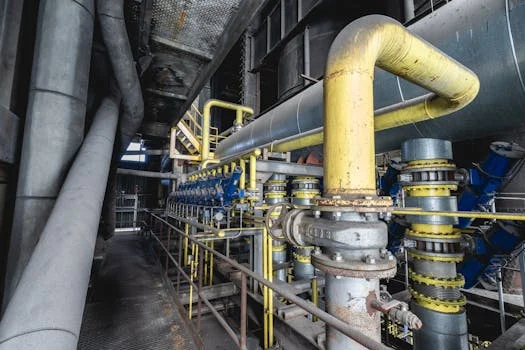
Equipment selection for a Manitoba plant is driven by three numbers: influent organic load, the winter design temperature, and the available footprint. A meat processing plant in Brandon or Neepawa with high FOG and TSS usually starts with DAF. A Winnipeg manufacturer discharging high-BOD effluent to the municipal sewer often picks an MBR to avoid surcharges and fit on a tight urban lot. Mines in the north tend to favor enclosed, containerized packages because they cut on-site civil work in permafrost or rock.
Containerized MBR System for Cold Climate Canada
A containerized MBR for a Manitoba winter holds mixed liquor above about 10 °C inside an insulated skid, because removal falls once temperature drops below about 10 °C. Cold-climate resilience is non-negotiable. Biological systems need insulation or heat recovery to keep mixed liquor above about 10 °C through January, otherwise nitrification and BOD removal both degrade. A 10-year Total Cost of Ownership view almost always beats a purchase-price view in Manitoba, because heating, polymer, and membrane replacement costs compound.
For smaller sites and remote camps, an Underground Package Sewage Treatment Plant (WSZ Series) is often paired with a DAF or MBR for flows under about 50 m³/day. Burial saves on winter heat loss at those camps. Operators looking at broader containerized waste water treatment solutions manitoba options for modular or skid-mounted plants should weigh containerization against the same 10-year TCO.
What small sewage equipment suits Manitoba camps?
Small septic and sewage removal equipment for Manitoba camps is usually a buried or containerized package under about 50 m³/day, paired with primary FOG or solids removal when the camp kitchen load is high. Spec winter insulation, lift-station redundancy, and haulage access before you lock CAPEX, because freeze-ups and sludge trucking dominate OPEX at remote sites.
| Selection Criteria | Choose DAF If... | Choose MBR If... |
|---|---|---|
| Primary Contaminant | High FOG, TSS, or metals precipitation needed upstream | High BOD, ammonia, or need for reuse-quality effluent |
| Target Effluent TSS | 10–30 mg/L is acceptable | < 5 mg/L required (reuse or strict sewer limits) |
| Footprint Constraint | Tight, but some tankage allowed | Very tight; small urban lot or remote camp |
| Winter Operation | Enclosed DAF skid, influent above 10 °C | Insulated MBR with membrane wash system |
| Typical Flow Range | 20–2,000 m³/day | 50–5,000 m³/day |
| Driver for Selection | Lowest CAPEX for primary separation | Lowest OPEX risk and reuse potential over 10 years |
Who This Guide Is For and How to Move Forward
Plant engineers, EPC contractors, and procurement managers in Manitoba's mining, food processing, and manufacturing sectors need a scope that matches the 2026 Environment Act, MDMER, and Water Protection Act limits. If your project is purely municipal sewer capacity with no industrial load, the municipal sewer-use by-law path is usually simpler than an EAL.
For a typical Manitoba scoping engagement, the next step is a 14-day composite sampling campaign and a preliminary mass balance. Follow that with a budgetary CAPEX/OPEX comparison across DAF, MBR, and CAS for the design flow and winter temperature. Send your flow, influent profile, and target effluent quality through the inquiry form. We will size a DAF, MBR, or containerized package against your site's winter design temperature and reuse target: request a treatment system quotation.
Frequently Asked Questions
What are the main industrial wastewater discharge limits in Manitoba for 2026?
Federal SOR/2012-139 sets average suspended solids and CBOD at 25 mg/L for systems it covers, and un-ionized ammonia must stay below 1.25 mg/L as nitrogen at 15 °C ± 1 °C. Many Manitoba Licenses still list 25 mg/L TSS, 15 mg/L BOD₅, and 0.5–1.0 mg/L total phosphorus. Mining sites are also checked against MDMER for arsenic, copper, cyanide, and lead. Site-specific clauses on the issued License override any general table.
How much does an industrial wastewater treatment system cost in Manitoba?
Budget capital cost in 2026 runs from about $50,000 CAD for a small DAF skid to over $2,000,000 CAD for a nutrient-tight MBR with full enclosure. Operating cost is typically $0.50 to $5.00 per cubic meter of treated water. Polymer and coagulant dominate DAF cost, and membrane aeration dominates MBR cost. Payback for a 500 m³/day plant usually falls in the 3–5 year range from avoided surcharges and fines.
DAF vs MBR: which is better for a Manitoba industrial facility?
DAF is the right primary stage when FOG, TSS, or metals precipitation dominate, with effluent TSS of 10–30 mg/L and energy use of 0.3–0.5 kWh/m³. MBR is the right choice when the plant needs effluent TSS under 5 mg/L, ammonia removal, or reuse-quality water, and when the roughly 60% footprint versus conventional activated sludge matters. Both can be enclosed for winter. Conventional activated sludge is generally competitive only where land is cheap and flows are large.
What does a Manitoba Environment Act License (EAL) cost in time and risk?
An Environment Act License typically takes 6 to 12 months after the Environment Act Proposal, including technical review and, in many cases, public consultation. Corporations face fines of up to $500,000 CAD for a first offence and up to $1,000,000 CAD for each subsequent offence. A judge may also suspend the licence. Getting the proposal and the 14-day dataset right costs less than one day of a continuing offence.
What funding or tax credits support wastewater treatment upgrades in Manitoba?
The Manitoba Green Energy Equipment Tax Credit covers geothermal, solar thermal, gasification, and biomass co-generation equipment, not typical wastewater treatment plant hardware. Published rates include 15% on eligible geothermal capital cost, 10% on solar thermal systems, and 15% on biomass fuel equipment used in a Manitoba business. Federal Clean Growth Hub grants still target projects that cut greenhouse gas emissions or push effluent well past minimum limits. A documented audit with measured baseline data is what reviewers expect.