Why Ludhiana Hospitals Are Failing Wastewater Compliance in 2025
Ludhiana hospitals are increasingly facing scrutiny over their wastewater discharge, with a significant number failing to meet the stringent Punjab Pollution Control Board (PPCB) 2025 standards. Recent PPCB audits revealed that 62% of Ludhiana hospitals failed fecal coliform tests in the 2023-24 period, highlighting a critical compliance gap. The most common violations include inadequate tertiary disinfection, which was cited in 45% of non-compliant cases, followed by undersized equalization tanks (30%) and a lack of pharmaceutical residue monitoring (25%). A stark example is a 200-bed hospital on Ferozepur Road, which incurred Rs 4.2 lakhs in penalties in 2023 for consistently exceeding BOD limits, discharging effluent with BOD levels averaging 65 mg/L against a limit of 30 mg/L. Hospital wastewater presents unique challenges compared to municipal sewage; it typically contains higher concentrations of organic pollutants (COD), a broader spectrum of pathogens, and critically, pharmaceutical residues and antibiotics, which generic wastewater treatment plants are not designed to handle effectively.
Ludhiana Hospital Wastewater Standards: 2025 Compliance Matrix
Adherence to the PPCB 2025 standards, alongside CPCB guidelines and Ludhiana Municipal Corporation (MC) bylaws, is non-negotiable for hospitals. These regulations set specific discharge limits for various parameters, with increasing emphasis on emerging contaminants. Failure to comply can result in substantial financial penalties and reputational damage. For instance, the Ludhiana MC issued fines averaging Rs 1.2 lakhs per hospital for fecal coliform violations in 2023, with penalties for exceeding Total Suspended Solids (TSS) limits also reaching up to Rs 50,000 in individual cases.
| Parameter | PPCB 2025 Limit | CPCB 2023 Limit | Municipal Bylaw (Ludhiana MC) | Testing Frequency | Penalty for Non-Compliance |
|---|---|---|---|---|---|
| BOD (Biochemical Oxygen Demand) | < 30 mg/L | < 30 mg/L | < 50 mg/L | Monthly | Rs 10,000 - 50,000 per day |
| COD (Chemical Oxygen Demand) | < 100 mg/L | < 100 mg/L | < 250 mg/L | Monthly | Rs 10,000 - 50,000 per day |
| TSS (Total Suspended Solids) | < 50 mg/L | < 50 mg/L | < 100 mg/L | Monthly | Rs 5,000 - 20,000 per day |
| Fecal Coliform | < 1000 MPN/100mL | < 1000 MPN/100mL | < 4000 MPN/100mL | Monthly | Rs 20,000 - 1,00,000 per day |
| Ammonia | < 5 mg/L | < 5 mg/L | < 10 mg/L | Quarterly | Rs 5,000 - 25,000 per day |
| Phosphate | < 5 mg/L | < 5 mg/L | < 10 mg/L | Quarterly | Rs 5,000 - 25,000 per day |
| Heavy Metals (Cr, Pb, Hg) | As per CPCB Guidelines | As per CPCB Guidelines | As per CPCB Guidelines | Quarterly | Rs 25,000 - 1,00,000 per parameter |
| Pharmaceutical Residues (e.g., Ciprofloxacin, Paracetamol) | New Requirement: Quarterly Monitoring | N/A | N/A | Quarterly | Rs 50,000 - 2,00,000 per non-compliance event |
The PPCB's 2025 mandate for quarterly antibiotic residue testing, as per Notification No. PPCB/2024/12, introduces a significant analytical and treatment challenge. Discharge limits can vary based on the receiving environment; stricter limits apply for discharge into surface water bodies compared to discharge into municipal sewers or for reuse applications. Hospitals must maintain rigorous monitoring protocols to ensure continuous compliance.
Hospital Wastewater Treatment Technologies: MBBR vs MBR vs DAF vs Hybrid Systems
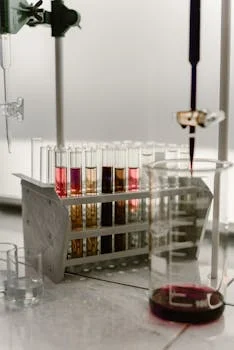
Selecting the appropriate wastewater treatment technology is crucial for meeting Ludhiana's specific regulatory demands and hospital operational needs. Each technology offers distinct advantages and disadvantages in terms of performance, footprint, and cost. Understanding these differences is key to designing an effective and compliant hospital effluent treatment plant (ETP) in Ludhiana.
| Technology | Influent Quality Handled | Removal Efficiency (BOD/COD/TSS) | Footprint (m²/100 beds) | Energy Use (kWh/m³) | Capital Cost (Rs lakhs/100 beds) | O&M Cost (Rs lakhs/year) | Disinfection Required? | Pharmaceutical Removal |
|---|---|---|---|---|---|---|---|---|
| MBBR (Moving Bed Biofilm Reactor) | Moderate to High Organic Load | 90-95% BOD/COD, 90%+ TSS | 30-50 | 0.8 - 1.2 | 12 - 18 | 2 - 3 | Yes | Limited (depends on media & HRT) |
| MBR (Membrane Bioreactor) | High Organic Load, Variable | >98% BOD/COD, >99% TSS | 20-30 | 1.5 - 2.5 | 30 - 45 | 4 - 6 | Yes (for pathogens if not using sterile membrane) | Good (membrane acts as barrier) |
| DAF (Dissolved Air Flotation) | High TSS, Fats, Oils, Greases | 50-70% TSS, 30-50% BOD/COD | 15-25 (as primary/tertiary) | 0.3 - 0.5 | 8 - 12 (as standalone pre-treatment) | 1 - 1.5 | No (for solids removal, not disinfection) | Minimal |
| Hybrid (e.g., MBBR + DAF + RO) | Variable | >98% BOD/COD/TSS (with RO) | 25-40 | 2.0 - 3.5 (with RO) | 40 - 60+ | 6 - 10+ | Yes (post-RO) | Excellent (with RO) |
MBBR systems, commonly installed in Ludhiana (estimated 85% market share), are cost-effective for BOD/COD reduction but necessitate robust tertiary treatment for disinfection and pharmaceutical removal. MBR systems, with a smaller market share (5-10%), offer superior effluent quality, approaching reuse standards, but at a significantly higher capital and operational cost. DAF is highly effective as a pretreatment step for removing suspended solids, fats, and oils, particularly from surgical or pathological waste streams, reducing the load on downstream biological processes. Hybrid systems, often combining MBBR for bulk organic removal with RO for advanced purification and reuse, are ideal for hospitals aiming for zero liquid discharge or high-quality recycled water, though they represent the highest investment. For effective pharmaceutical residue removal, advanced oxidation processes or membrane filtration are often required, which can be integrated into MBR or hybrid configurations. HydropureWater offers robust MBR systems for hospital wastewater reuse and DAF pretreatment for high-TSS hospital wastewater.
Designing a Hospital STP for Ludhiana: Process Flow and Critical Parameters
A well-designed hospital wastewater treatment plant (STP) in Ludhiana must account for the highly variable and contaminant-rich nature of medical effluent. The process flow is critical, ensuring each stage effectively targets specific pollutants before discharge or reuse. A typical process flow includes screening, equalization, primary clarification, biological treatment, secondary clarification, and disinfection, with options for tertiary treatment and sludge handling.
Process Flow Diagram:
Screening (Bar Screens) → Equalization Tank → Primary Clarifier → Biological Treatment (e.g., MBBR or MBR) → Secondary Clarifier → Disinfection (e.g., Chlorine Dioxide or UV) → Discharge/Reuse
Critical Parameters:
- Screening: Removes large solids (rags, tissues) to protect downstream equipment. Typically uses bar screens with 1-5 mm spacing.
- Equalization Tank: Crucial for hospital wastewater due to influent variability (BOD 150-800 mg/L, COD 300-1500 mg/L). A minimum hydraulic retention time (HRT) of 6-8 hours is recommended to buffer fluctuations in flow and concentration, ensuring stable operation of biological treatment.
- Biological Treatment: Technologies like MBBR, MBR, or Sequencing Batch Reactors (SBR) are employed. MBBR offers a compact footprint and resilience for hospital wastewater. MBR provides superior effluent quality but requires more intensive maintenance. A/O (Anaerobic/Oxic) processes can be beneficial for nutrient removal.
- Disinfection: Essential for pathogen inactivation. Chlorine Dioxide (ClO₂) is highly effective against bacteria, viruses, and protozoa, with residual disinfection properties. UV disinfection offers a chemical-free option but requires clear water for optimal performance. Ozone is another effective but more complex option for disinfection and some advanced oxidation of recalcitrant compounds. HydropureWater provides reliable ClO₂ disinfection for hospital effluent.
- Sludge Handling: Dewatering is necessary to reduce sludge volume. Options include belt presses or filter presses. Disposal routes in Ludhiana typically involve secured landfilling or incineration, with associated costs for transportation and tipping fees. HydropureWater offers robust filter presses for sludge dewatering.
Advanced treatment steps like tertiary filtration and reverse osmosis (RO) may be integrated for water reuse applications, significantly increasing system complexity and cost but offering substantial water savings. For hospitals considering compact solutions, compact hospital wastewater treatment systems are available.
Cost Breakdown: Hospital Wastewater Treatment in Ludhiana by Bed Count
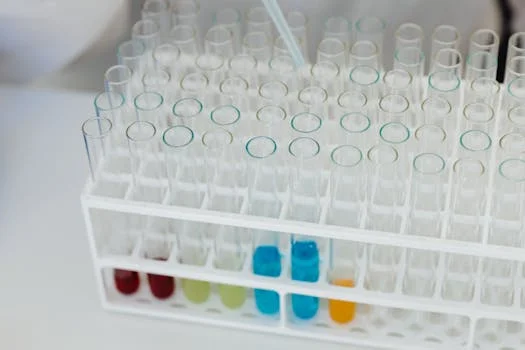
The capital and operational expenditure for a hospital wastewater treatment plant (STP) in Ludhiana varies significantly based on the hospital's bed count and the chosen technology. Understanding these cost drivers is essential for accurate budgeting and financial planning. For a 100-bed facility, a typical MBBR system can range from Rs 12-18 lakhs in capital cost, with annual O&M expenses between Rs 2-3 lakhs. Conversely, an MBR system for a similar capacity would incur capital costs of Rs 30-45 lakhs, with O&M costs escalating to Rs 4-6 lakhs per year due to membrane replacement and higher energy consumption.
| Bed Count | Technology | Capital Cost (Rs lakhs) | Annual O&M (Rs lakhs) | Payback Period (years) | Space Required (m²) | Staffing Needs |
|---|---|---|---|---|---|---|
| 50 | MBBR | 7 - 11 | 1.2 - 1.8 | 3 - 5 | 20 - 30 | 1-2 operators |
| 100 | MBBR | 12 - 18 | 2 - 3 | 3 - 5 | 30 - 50 | 2-3 operators |
| 200 | MBBR | 22 - 32 | 3.5 - 5 | 3 - 5 | 60 - 100 | 3-4 operators |
| 500 | MBBR | 50 - 75 | 8 - 12 | 3 - 5 | 150 - 250 | 4-6 operators |
| 50 | MBR | 18 - 28 | 2.5 - 4 | 6 - 8 | 15 - 25 | 2-3 operators |
| 100 | MBR | 30 - 45 | 4 - 6 | 6 - 8 | 25 - 40 | 3-4 operators |
| 200 | MBR | 55 - 80 | 7 - 10 | 6 - 8 | 50 - 70 | 4-5 operators |
| 500 | MBR | 120 - 170 | 15 - 25 | 6 - 8 | 120 - 180 | 5-7 operators |
Capital costs are influenced by technology choice, disinfection systems (ClO₂ generators range from Rs 2-4 lakhs, UV systems Rs 5-8 lakhs), and the level of automation. O&M costs are driven by energy consumption (MBBR: 0.8-1.2 kWh/m³, MBR: 1.5-2.5 kWh/m³), membrane replacement for MBR systems (Rs 5-8 lakhs every 5-7 years), and chemical dosing for disinfection. Return on Investment (ROI) is often calculated based on water reuse savings, which can range from Rs 15-25/m³. Hidden costs such as annual PPCB compliance testing (Rs 50,000-1 lakh) and sludge disposal (Rs 3,000-5,000 per ton) must also be factored into the total cost of ownership. For broader cost benchmarks in North India, consider wastewater treatment plant cost in Bihar 2025.
Ludhiana Supplier Checklist: How to Evaluate Hospital STP Vendors
Procuring a hospital wastewater treatment system requires due diligence to ensure long-term compliance and operational efficiency. Beyond price, a comprehensive evaluation of potential vendors is critical. A robust supplier checklist can help hospitals in Ludhiana make informed decisions and avoid costly mistakes.
10-Point Supplier Evaluation Checklist:
- Compliance Certifications: Does the vendor hold relevant certifications like CPCB approval and ISO 9001?
- Local Service Network: Is there a readily available service team in Ludhiana or Punjab for prompt support and maintenance?
- Hospital-Specific References: Can the vendor provide at least three verifiable references from similar hospital projects?
- Performance Guarantees: Does the vendor offer written guarantees for effluent quality (BOD/COD removal) and system uptime?
- Automation Level: What level of automation is offered (PLC-based control vs. manual operation), and what are the implications for operational ease and monitoring?
- Disinfection Method Expertise: Does the vendor have proven experience with ClO₂, UV, or ozone disinfection suitable for hospital effluent?
- Sludge Handling Integration: Is sludge dewatering and disposal included in the scope, or is it an additional cost?
- Warranty: What is the duration and coverage of the warranty for the equipment and installation?
- Training: Does the vendor provide comprehensive training for hospital operators and maintenance staff?
- After-Sales Support: What is the guaranteed response time for service calls, and is there a readily available stock of critical spare parts?
Red Flags to Watch For:
- Lack of specific hospital project references.
- Vague or unsubstantiated performance claims.
- No established local service presence.
- Reluctance to provide detailed technical proposals or performance data.
Hospitals should consider requesting a pilot testing phase to validate system performance with their specific influent characteristics before making a final procurement decision. Vendors like Eros Envirotech (known for MBBR) and Beri Water Treatment (offering custom STPs) are established players in the region, but thorough evaluation against these criteria is essential.
Frequently Asked Questions
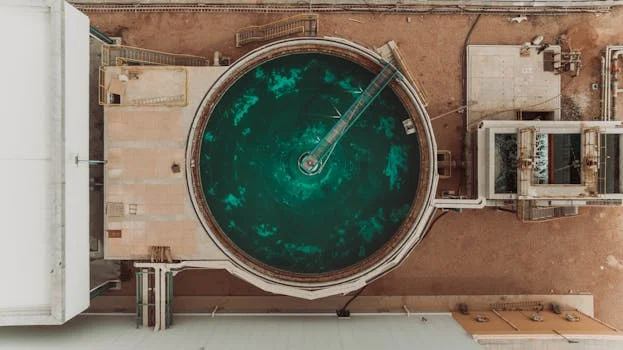
Q: How is hospital wastewater treated in Ludhiana?
A: Most Ludhiana hospitals utilize MBBR systems (estimated 85% market share) as their primary biological treatment, often supplemented by tertiary disinfection using Chlorine Dioxide (ClO₂) or UV systems. A typical treatment process for a 100-bed facility involves screening, an equalization tank with 6-8 hours of HRT, MBBR with 4-6 hours of HRT, secondary clarification, and ClO₂ dosing (2-5 mg/L). The effluent consistently meets PPCB limits, typically below 30 mg/L BOD, 100 mg/L COD, and 1000 MPN/100mL fecal coliform, aligning with PPCB 2025 standards.
Q: What are the 7 steps in hospital wastewater treatment?
A: The standard 7 steps in hospital wastewater treatment are: (1) Screening to remove large debris (1-5 mm bar spacing), (2) Equalization to buffer flow and concentration variations (6-8 hrs HRT), (3) Primary clarification to settle solids (1-2 hrs HRT), (4) Biological treatment (e.g., MBBR or MBR, 4-8 hrs HRT) to remove dissolved organic matter, (5) Secondary clarification to separate biomass (2-3 hrs HRT), (6) Disinfection (using ClO₂, UV, or ozone) to kill pathogens, and (7) Sludge dewatering (via belt or filter press) for disposal. Advanced treatment like RO for reuse can be an optional eighth step.
Q: What is the cost of a hospital wastewater treatment plant in Ludhiana?
A: For a 100-bed hospital in Ludhiana, the capital cost for an MBBR system is approximately Rs 12-18 lakhs, with annual O&M costs of Rs 2-3 lakhs. An MBR system is more expensive, with capital costs ranging from Rs 30-45 lakhs and annual O&M costs of Rs 4-6 lakhs. These costs scale with bed count: a 50-bed facility might cost 0.7x of a 100-bed system, a 200-bed facility 1.8x, and a 500-bed facility approximately 3.5x.
Q: What is an effluent treatment plant for hospitals?
A: An effluent treatment plant (ETP) for hospitals is a specialized wastewater treatment system designed to handle the unique contaminants found in medical facilities. These include high concentrations of pathogens (e.g., E. coli, viruses), pharmaceutical residues (antibiotics, analgesics), heavy metals (like mercury from dental amalgam or chromium from laboratory use), and generally higher organic loads (BOD often 200-800 mg/L, COD 400-1500 mg/L) than municipal sewage. Unlike standard STPs, hospital ETPs necessitate advanced disinfection methods and often advanced oxidation or membrane filtration to remove recalcitrant compounds like pharmaceuticals. For a comparative technical overview, see MBR vs MBBR vs SBR for hospital wastewater.
Q: What are the PPCB penalties for hospital wastewater non-compliance in Ludhiana?
A: Penalties for non-compliance with PPCB wastewater discharge standards in Ludhiana can range from Rs 50,000 to Rs 5 lakhs per violation, with the exact amount depending on the severity of the offense and whether it is a repeat violation. In 2023, the Ludhiana Municipal Corporation issued 42 notices specifically for fecal coliform violations, resulting in average fines of Rs 1.2 lakhs per hospital, demonstrating a firm enforcement approach by local authorities.