Why Hospital Wastewater Treatment in São Paulo is a Regulatory and Public Health Priority
São Paulo hospitals must treat wastewater to meet CONAMA 430/2011 limits (e.g., COD <125 mg/L, BOD <60 mg/L) and CETESB’s stricter local standards. A 200-bed hospital generating 50 m³/day of effluent typically requires a $300K–$800K system (MBR or DAF + chlorine dioxide disinfection) to achieve 99.99% microbial kill and avoid antimicrobial resistance risks. This guide provides 2025 engineering specs, cost benchmarks, and a compliance checklist for São Paulo facilities.
CETESB’s 2024 enforcement actions resulted in 12 hospitals across the Greater São Paulo area being fined between R$500,000 and R$2,000,000 for persistent non-compliance with federal discharge mandates (source: CETESB 2023 Annual Report). These penalties are increasingly tied to the failure of secondary treatment stages to handle pharmaceutical residues and concentrated organic loads. For facility managers, the risk is no longer just financial; environmental licensing (L.O.) renewals are now contingent upon proving consistent effluent stabilization and pathogen reduction.
The public health risk associated with untreated hospital sewage in Brazil is documented by recent studies showing that hospital effluent in São Paulo contains 10 to 100 times higher concentrations of multidrug-resistant (MDR) bacteria compared to standard municipal sewage (SciELO, 2023). This high concentration of Antimicrobial Resistance (AMR) genes creates a "hotspot" for horizontal gene transfer, potentially introducing superbugs into the Tiete or Pinheiros river basins. Modernizing treatment infrastructure is the primary defense against this bio-hazard.
Operational efficiency also plays a role in regulatory standing. For instance, the case of Sírio-Libanês Hospital demonstrates how integrating automated waste management and advanced treatment protocols can reduce cross-contamination incidents by 40%. Such systems align with the three-tier regulatory hierarchy governing São Paulo: Federal mandates under CONAMA 430, State enforcement by CETESB, and Municipal oversight via São Paulo’s Decreto 59.113/2013, which regulates the discharge into the public sewer network operated by SABESP.
For engineers, navigating São Paulo’s industrial wastewater treatment standards requires a shift from simple dilution to advanced oxidation and membrane separation. Failure to adapt to these 2025 enforcement priorities often results in the immediate suspension of discharge permits, forcing hospitals to rely on expensive vacuum truck hauling services that can cost upwards of R$150 per cubic meter.
CONAMA 430/2011 and CETESB Standards: Effluent Quality Targets for São Paulo Hospitals
The regulatory framework for effluent in São Paulo requires compliance with both federal CONAMA 430/2011 mandates and the more stringent Article 18 of State Decree 8.468/1976, enforced by CETESB. While federal laws provide a baseline for BOD and COD, local São Paulo regulations often impose tighter restrictions on heavy metals (such as silver from radiology and mercury from legacy equipment) and specific disinfection logs to protect the urban water cycle.
| Parameter | CONAMA 430/2011 Limit | CETESB 2025 Target (Art. 18) | Typical Raw Hospital Effluent |
|---|---|---|---|
| Chemical Oxygen Demand (COD) | < 125 mg/L | < 100 mg/L | 600 – 1,200 mg/L |
| Biochemical Oxygen Demand (BOD) | < 60 mg/L | < 40 mg/L | 300 – 600 mg/L |
| Total Suspended Solids (TSS) | < 100 mg/L | < 50 mg/L | 200 – 500 mg/L |
| Oil & Grease (FOG) | < 50 mg/L | < 20 mg/L | 50 – 150 mg/L |
| Fecal Coliforms | < 1,000 MPN/100mL | < 200 MPN/100mL | 10^6 – 10^9 MPN/100mL |
| Free Residual Chlorine | 0.5 – 2.0 mg/L | 0.5 – 1.5 mg/L | Variable |
Disinfection requirements for healthcare facilities in São Paulo have evolved to address specific pathogen threats. Current WHO 2024 guidelines, often adopted by CETESB inspectors, suggest a 99.99% (4-log) kill for fecal coliforms and a more rigorous 99.999% (5-log) reduction for resilient pathogens like Pseudomonas aeruginosa and Staphylococcus aureus. Achieving these targets requires a combination of fine filtration and high-potency oxidants.
A significant shift in 2024–2025 is the requirement for Antimicrobial Resistance (AMR) monitoring. Under CETESB Resolution 2023/11, certain high-capacity hospitals in the São Paulo metropolitan area are now required to conduct quarterly testing for carbapenem-resistant Enterobacteriaceae (CRE). This is a proactive measure to ensure that hospital wastewater treatment in São Paulo Brazil does not contribute to the "silent pandemic" of drug-resistant infections.
Data from CETESB’s 2023 audit reveals that 60% of São Paulo hospitals fail TSS and COD limits during peak morning hours. This is typically due to inadequate pretreatment or the use of undersized aerobic tanks that cannot handle the "shock loads" of disinfectants and detergents used in surgical ward cleaning. Understanding how Munich hospitals handle similar regulatory challenges through decentralized MBR units can provide a roadmap for São Paulo engineers facing similar density and compliance pressures.
Hospital Wastewater Treatment Technologies: Engineering Specs and Use-Case Matching
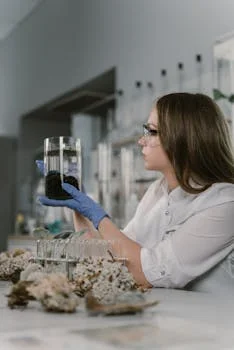
Membrane Bioreactor (MBR) systems utilizing 0.1 μm PVDF membranes achieve a 98% reduction in Chemical Oxygen Demand (COD) while simultaneously providing a physical barrier against multidrug-resistant bacteria. Unlike traditional activated sludge, MBR technology operates at higher Mixed Liquor Suspended Solids (MLSS) concentrations (8,000–12,000 mg/L), allowing for a significantly smaller footprint—a critical factor for São Paulo hospitals located in dense urban cores like Avenida Paulista or Itaim Bibi.
| Technology | COD/BOD Removal | Disinfection Log Kill | Footprint | CAPEX/OPEX |
|---|---|---|---|---|
| MBR (Membrane Bioreactor) | 95–98% | 5-log (Pathogens) | Very Small | High / Moderate |
| DAF + Chlorine Dioxide | 60–80% | 4-log (Coliforms) | Medium | Moderate / Low |
| Integrated Compact Systems | 90–95% | 5-log (Complete) | Compact/Mobile | Moderate / Moderate |
For facilities with high concentrations of oils and fats—typically from large hospital kitchens or surgical centers—Dissolved Air Flotation (DAF) serves as an essential pretreatment step. The DAF machines remove 90–95% of TSS and 60–80% of insoluble COD by utilizing micro-bubbles to float contaminants to the surface for mechanical skimming. However, DAF alone is insufficient for pathogen control and must be paired with downstream disinfection to meet CETESB standards.
Disinfection is the final and most critical barrier. While ozone is effective, many São Paulo facilities are opting for chlorine dioxide generators for hospital effluent disinfection due to the chemical's superior residual stability and its ability to penetrate biofilms without producing harmful trihalomethanes (THMs). The generators achieve a 5-log kill at 0.5–1.0 mg/L residual concentrations, ensuring that even the most resilient MDR bacteria are neutralized before discharge. This is particularly effective when compared to chlorine dioxide vs. ozone for hospital wastewater disinfection in high-organic-load environments.
For smaller clinics and specialized healthcare centers (5–30 m³/day), compact medical wastewater treatment systems for clinics and small hospitals offer an "all-in-one" solution. These integrated units combine sterilization, neutralization, and filtration into a single skid, reducing installation time from months to weeks. For larger 200–500 bed facilities, MBR membrane bioreactor systems for hospital wastewater remain the gold standard for achieving 2025 compliance targets within limited basement or parking lot spaces.
Cost Breakdown for Hospital Wastewater Treatment Systems in São Paulo (2025 Data)
A 100 m³/day hospital wastewater treatment plant in São Paulo requires an average CAPEX of R$1.2 million to R$2 million, depending on the chosen membrane technology and civil engineering requirements. These figures include the core treatment equipment, automation controls, and initial chemical charges, but exclude the cost of land, which is often the most significant barrier in central São Paulo districts. For a 200-bed hospital, the investment typically scales with the complexity of the influent, particularly if high concentrations of chemotherapy agents or radionuclides are present.
| System Capacity | MBR System CAPEX | DAF + ClO2 CAPEX | Annual OPEX (Est.) |
|---|---|---|---|
| 50 m³/day | R$ 750K – R$ 1.1M | R$ 450K – R$ 700K | R$ 80K – R$ 120K |
| 100 m³/day | R$ 1.2M – R$ 2.0M | R$ 800K – R$ 1.3M | R$ 150K – R$ 220K |
| 500 m³/day | R$ 4.5M – R$ 6.5M | R$ 3.0M – R$ 4.8M | R$ 600K – R$ 900K |
Permitting and administrative costs are a significant line item for São Paulo projects. A CETESB environmental license (LP, LI, and LO) can cost between R$50,000 and R$200,000 in consulting and official fees, depending on the hospital’s size and the sensitivity of the surrounding area. Municipal approvals from the São Paulo City Hall (Prefeitura) for civil works add another R$20,000 to R$50,000 to the pre-construction budget. These costs are essential to factor into the initial ROI analysis to avoid mid-project funding gaps.
Operational expenditures (OPEX) are driven by three main factors: energy, chemicals, and specialized labor. MBR systems are more energy-intensive, consuming between 0.8 and 1.5 kWh per cubic meter of treated water due to the air scouring required to prevent membrane fouling. Chemical costs for chlorine dioxide disinfection range from R$12 to R$20 per kilogram of precursor chemicals. For a 200 m³/day system, the labor requirement is typically one full-time equivalent (FTE) technician to manage daily monitoring, sensor calibration, and sludge wasting protocols.
The Return on Investment (ROI) for these systems is primarily driven by risk mitigation. Avoiding a single R$1 million CETESB fine and the associated legal fees can pay for a mid-sized DAF system instantly. according to Fiocruz 2023 data, reducing AMR-related healthcare costs (including longer patient stays and expensive last-resort antibiotics) could save São Paulo hospitals an estimated R$10 million annually. Efficient treatment is not just a compliance cost; it is a clinical necessity.
Step-by-Step Equipment Selection Checklist for São Paulo Hospitals
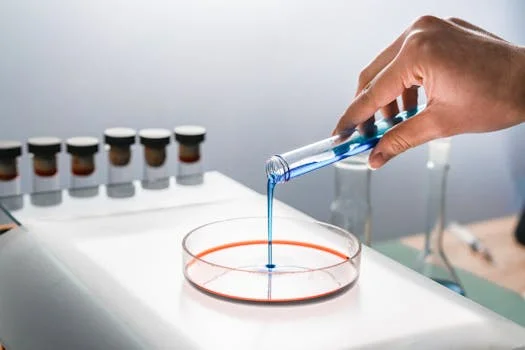
Selecting a wastewater system for a São Paulo healthcare facility requires a mandatory effluent characterization study conducted by a laboratory accredited by the General Coordination for Accreditation of Inmetro (Cgcre). This initial data is the foundation of the engineering design, as hospital effluent varies significantly between a maternity ward, an oncology center, and a general trauma hospital. Use the following framework to guide your procurement and engineering teams.
- Step 1: Characterize Effluent. Perform 24-hour composite sampling to determine average and peak concentrations of COD, BOD, TSS, FOG, and specific pathogens. Recommended labs include SABESP’s technical division or CETESB-certified private providers.
- Step 2: Match Technology to Quality Gaps. If TSS is >500 mg/L, prioritize a DAF unit for pretreatment. If COD is high and space is limited, select an MBR system. For pathogen-only concerns in small clinics, an integrated disinfection skid may suffice.
- Step 3: Size for Peak Flow. Hospital water usage is non-linear. Size your system for 1.5x to 2.0x the average daily flow to handle morning peak discharges. A 200-bed hospital averaging 60 m³/day should have a system rated for at least 100 m³/day peak capacity.
- Step 4: Evaluate Footprint and Installation. Determine if the system will be underground (to save surface space) or above-ground (for easier maintenance). In São Paulo’s historic districts, consider modular, containerized systems that can be craned into position.
- Step 5: TCO Analysis and Supplier Vetting. Request quotes that include a 5-year Total Cost of Ownership (TCO) analysis. Ensure the supplier provides local technical support in São Paulo and has a proven track record with compact medical wastewater treatment systems for clinics and small hospitals.
Once the technology is selected, the final check should focus on the disinfection log kill. Given the proximity of many São Paulo hospitals to residential areas, ensuring a 5-log reduction in pathogens is the only way to guarantee long-term safety and compliance. Always verify that the proposed system includes automated monitoring for residual chlorine or ORP (Oxidation-Reduction Potential) to provide the data logs required during CETESB inspections.
Frequently Asked Questions
Penalties for environmental non-compliance in São Paulo are governed by State Law 997/76, which allows for daily fines and the potential suspension of hospital activities. In addition to the R$500K–R$2M fines mentioned previously, CETESB has the authority to "seal" discharge points, effectively shutting down the facility's ability to operate until a compliant treatment solution is implemented and verified through independent testing.
How does CETESB test for antimicrobial resistance in hospital effluent?
While traditional tests focus on fecal coliforms, CETESB’s updated 2024 protocols involve qPCR (quantitative Polymerase Chain Reaction) testing to identify specific resistance genes, such as blaKPC (responsible for carbapenem resistance). Hospitals are required to submit these reports quarterly if they are classified as "high-impact" facilities under Resolution 2023/11.
What’s the difference between chlorine dioxide and ozone for hospital wastewater disinfection?
Ozone is a stronger oxidant but has zero residual effect, meaning bacteria can regrow in the piping system. Chlorine dioxide provides a stable residual that continues to disinfect as the water moves through the discharge line. For hospitals with complex internal plumbing, chlorine dioxide is often preferred for its ability to eliminate Legionella and other biofilms. (HydropureWater field data, 2025).
Can a 50-bed hospital use a package system, or is a custom solution required?
A 50-bed hospital typically generates 12–20 m³/day, which is perfectly suited for a package system. These systems are pre-engineered and factory-tested, significantly reducing the civil engineering costs and permitting timelines associated with custom-built concrete plants.
How often should hospital wastewater treatment systems be serviced in São Paulo?
Due to the high concentration of disinfectants in hospital sewage, sensors (pH, ORP, DO) should be calibrated monthly. Membrane cleaning (CIP) for MBR systems is typically required every 3 to 6 months, while mechanical components like DAF scrapers and chlorine dioxide dosing pumps should undergo a comprehensive engineering audit annually to ensure peak performance and compliance.