Why Hospital Wastewater in Thailand Demands Advanced Treatment
Hospital wastewater in Thailand contains high concentrations of antibiotic residues, such as sulfonamides and fluoroquinolones, which are not effectively removed by conventional activated sludge processes (Chiemchaisri 2022). Unlike standard municipal sewage, medical effluent is a complex matrix of pathogens, radioactive isotopes, and endocrine-disrupting chemicals. In dense urban environments like Bangkok, where healthcare facilities are integrated into residential and commercial hubs, the discharge of untreated or poorly treated wastewater poses a direct risk to the municipal water supply and public health.
The scale of treatment required for Thai tertiary care facilities is significant. Research indicates that a typical large-scale hospital in Bangkok utilizes a 3000 m³ wastewater collection pond to manage influent before it undergoes secondary and tertiary treatment (Hayre 2025). This massive volume functions as a critical hydraulic buffer, yet the presence of multi-drug resistant (MDR) bacteria within these ponds necessitates advanced disinfection protocols. Standard biological treatment often fails to neutralize antibiotic-resistant genes (ARGs), which have been increasingly monitored in Thai hospital effluents as a precursor to future regulatory tightenings.
The high daily flow rates in facilities like those in the Bangkok Hospital Group demand systems that can handle rapid fluctuations in organic loading. Chemical contaminants from diagnostic imaging, laboratory reagents, and oncology departments create a high Chemical Oxygen Demand (COD) that requires more than simple aeration. For procurement officers and engineers, the challenge lies in implementing a system that provides 99.9% pathogen reduction while maintaining a footprint small enough for urban land values.
Thai Hospital Wastewater Regulations and Discharge Standards
The Department of Industrial Works (DIW) and the Ministry of Natural Resources and Environment (MNRE) mandate that hospital effluent in Thailand must maintain a Biochemical Oxygen Demand (BOD) of less than 20 mg/L to prevent oxygen depletion in receiving water bodies (Perathornich 2022). Compliance is not merely a legal hurdle but an environmental necessity, as many hospitals discharge into public sewers that eventually feed into the Chao Phraya River basin. Failure to meet these standards can result in heavy fines, operational suspension, and significant reputational damage in the competitive Thai healthcare market.
Current regulations focus on traditional parameters, but there is an emerging focus on micropollutants. While antibiotic-resistant genes (ARGs) are not yet strictly regulated by the DIW, they are under intense scrutiny by the Ministry of Public Health. To understand how these requirements compare to global benchmarks, engineers often reference an international hospital wastewater compliance case study to evaluate the transition toward stricter micropollutant limits. The standard effluent parameters for healthcare facilities in Thailand are summarized below:
| Parameter | Thai Standard (DIW/MNRE) | Typical Raw Hospital Influent | Required Removal Efficiency |
|---|---|---|---|
| BOD5 (mg/L) | ≤ 20 | 150 – 300 | > 90% |
| COD (mg/L) | ≤ 100 | 300 – 600 | > 80% |
| TSS (mg/L) | ≤ 30 | 100 – 200 | > 85% |
| Fecal Coliform (MPN/100mL) | ≤ 1,000 | 10^6 – 10^8 | > 99.9% |
| Total Kjeldahl Nitrogen (mg/L) | ≤ 10 – 20 | 30 – 60 | > 70% |
Hospitals must also ensure that oil and grease levels remain below 5 mg/L, which typically requires the installation of high-efficiency grease traps at the source (kitchens and cafeterias) before wastewater enters the primary treatment stream. For facilities looking to align with global environmental trends, following a comprehensive industrial compliance guide can provide a roadmap for future-proofing systems against more stringent nitrogen and phosphorus limits.
Proven Treatment Technologies for Medical Facilities in Thailand
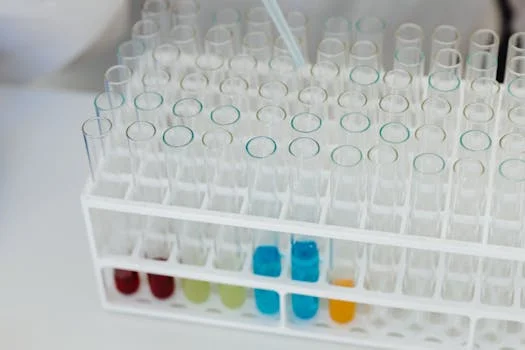
Tertiary medical centers in Bangkok, including the Bangkok Hospital Group and Vimut Hospital, have implemented ultraviolet (UV) disinfection systems to ensure microbial inactivation without the generation of harmful disinfection byproducts. UV technology is highly effective against bacteria and viruses, but its efficacy is heavily dependent on the turbidity of the water. Therefore, UV is typically used as a final polishing step following secondary biological treatment or membrane filtration.
For hospitals targeting the removal of antibiotics and other pharmaceuticals, Advanced Oxidation Processes (AOP) like ozone are superior to traditional chlorination. Using a compact ozone-based hospital wastewater system allows clinics to break down complex organic molecules that biological systems cannot process. When comparing disinfection methods, an ozone vs chlorine dioxide disinfection comparison reveals that ozone provides a 99%+ kill rate for pathogens while simultaneously reducing color and odor, which is vital for hospitals located in high-traffic urban areas.
Membrane Bioreactor (MBR) technology has become the gold standard for Thai hospitals with limited space. By combining the activated sludge process with 0.1 μm membrane filtration, a space-saving MBR system for high-quality effluent eliminates the need for secondary clarifiers. This results in a footprint that is 60% smaller than conventional plants while producing water clean enough for non-potable reuse, such as cooling tower make-up or landscape irrigation.
| Technology | Primary Benefit | Antibiotic Removal | Footprint |
|---|---|---|---|
| UV Disinfection | Pathogen inactivation | Low | Very Small |
| Ozone (AOP) | Micropollutant breakdown | High (>90%) | Small |
| MBR System | High-quality reuse water | Moderate/High | Compact |
| A/O + Chlorination | Reliable BOD removal | Low | Large (unless buried) |
System Selection: Matching Technology to Hospital Size and Flow
Selecting a treatment configuration for Thai hospitals requires a balance between available urban footprint and the required log-reduction of pathogens. For small specialized clinics and dental centers producing less than 5 m³/day, the focus is on compact, automated disinfection. These facilities often opt for ozone-based units that require no chemical storage and can be installed in mechanical rooms as small as 0.5 m². This ensures compliance with the EU Urban Waste Water Directive 91/271/EEC principles, which are often used as a benchmark for private healthcare quality in Thailand.
Mid-size hospitals (30 to 200 beds) with flow rates between 10–80 m³/h often benefit from decentralized, underground installations. Using an underground integrated sewage treatment plant allows the facility to utilize the ground above for parking or green space. These systems use an Anaerobic/Anoxic/Oxic (A/O) process combined with integrated disinfection to handle variable organic loads from different hospital wings, ensuring that surge flows during peak hours do not compromise effluent quality.
| Hospital Scale | Flow Rate | Recommended System | Installation Type |
|---|---|---|---|
| Small Clinics | < 5 m³/day | Compact medical wastewater system (Ozone) | Skid-mounted / Indoor |
| Mid-Size Hospital | 10 – 80 m³/h | WSZ Series (A/O + Disinfection) | Underground / Modular |
| Large Medical Center | > 100 m³/day | MBR (Flat Sheet Membrane) | Centralized / Above Ground |
Large-scale tertiary hospitals (>200 beds) usually require a centralized MBR system. The 3000 m³ collection ponds found in Bangkok’s leading hospitals serve as the equalization tank for these systems, providing a steady feed to the membrane modules. The use of flat-sheet membranes in these configurations reduces fouling and extends the interval between chemical cleanings, which is essential for maintaining 24/7 hospital operations without downtime.
Automation and Monitoring: Ensuring Reliable Compliance
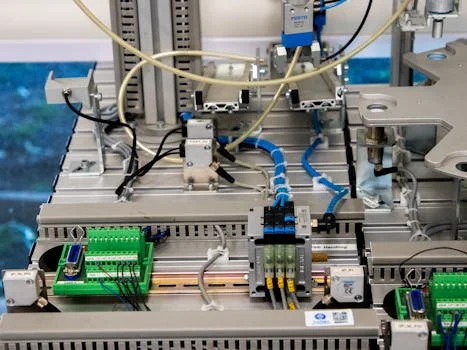
Automated control systems in medical wastewater plants reduce the risk of human error in chemical dosing and membrane backwashing cycles. Modern Thai medical facilities are increasingly moving toward "operator-free" plants where a Programmable Logic Controller (PLC) manages the entire process. A PLC automation for wastewater treatment system can monitor real-time parameters such as dissolved oxygen (DO), pH, and turbidity, adjusting aeration blowers or disinfectant feed pumps instantaneously to match the influent strength.
Remote monitoring is particularly valuable for hospital facility managers who oversee multiple sites. Systems equipped with IoT gateways can send alarm triggers to a central dashboard or mobile device if effluent parameters drift toward the DIW limits. By integrating online ammonia and DO monitoring, hospitals can optimize biological treatment efficiency, reducing energy consumption by up to 30% while ensuring that the 99.9% pathogen reduction target is consistently met. This level of automation ensures that the facility remains in compliance even during fluctuations in hospital occupancy or emergency surge events.
Frequently Asked Questions
What is the best disinfection method for hospital wastewater in Thailand?
While UV is common in Bangkok hospitals due to its safety, ozone offers superior control for antibiotics and micropollutants. For most facilities, a combination of biological treatment followed by UV or ozone is recommended to meet both BOD and pathogen standards.How much does a hospital wastewater treatment system cost in Thailand?
Compact ozone units for clinics start under $15,000. Larger, fully automated MBR systems for major hospitals can exceed $50,000, depending on the daily flow rate and the level of automation required.Can hospital wastewater be reused in Thailand?
Yes. Wastewater treated via MBR systems meets the high standards required for non-potable reuse, such as garden irrigation, toilet flushing, and cooling tower make-up, helping hospitals achieve "Eco-Hospital" certification.Are antibiotics removed by standard hospital treatment plants?
Standard plants often achieve less than 50% removal of antibiotics. To achieve >90% removal, advanced oxidation (ozone) or membrane bioreactors (MBR) are necessary.Is there government support for upgrading hospital wastewater systems in Thailand?
The Ministry of Public Health occasionally provides grants and technical support for public hospitals under "Green & Clean Hospital" initiatives to improve environmental compliance and sustainability.