Introduction to Hospital Wastewater Treatment in Kazan
Hospital wastewater treatment is a critical aspect of public health and environmental protection in Kazan. The city is actively investing in the modernization of its wastewater treatment infrastructure, recognizing the significant impact these facilities have on the local ecosystem. Specifically, the ongoing reconstruction of biological treatment facilities is poised to substantially improve the ecological balance of Kazan. This initiative underscores a commitment to advanced environmental stewardship, ensuring that the city's growth and public health needs are met with sustainable and effective wastewater management practices.
Regulations and Standards for Hospital Wastewater Treatment in Kazan
Hospital wastewater treatment in Kazan operates under a stringent regulatory framework established by the Russian Federation. These regulations are designed to safeguard public health and protect the environment from the potential hazards present in medical effluent. A key mandate requires the treatment of at least 650,000 cubic meters of sewage water daily, reflecting the substantial volume generated by the city's healthcare facilities and broader municipal needs. The applicable standards encompass rigorous requirements for the removal of a wide spectrum of pollutants, including pathogens, pharmaceuticals, and chemical contaminants commonly found in hospital wastewater. Compliance with these standards is essential for preventing the spread of infectious diseases and minimizing the ecological footprint of healthcare operations.
| Regulatory Body | Key Standards/Requirements | Focus Areas |
|---|---|---|
| Russian Federation Ministry of Natural Resources and Environment | Sanitary-Epidemiological Rules and Regulations (SanPiN) | Pathogen reduction, chemical contaminant limits, effluent quality |
| Federal Law "On Water Protection" | Requirements for discharge into water bodies | Minimizing pollution of surface and groundwater |
| Regional Environmental Protection Agencies | Specific discharge permits and monitoring protocols | Localized environmental impact assessment and control |
| National Project "Ecology" | Federal targets for wastewater treatment improvement | Overall enhancement of water body quality, including the Volga River basin |
Solutions for Hospital Wastewater Treatment in Kazan
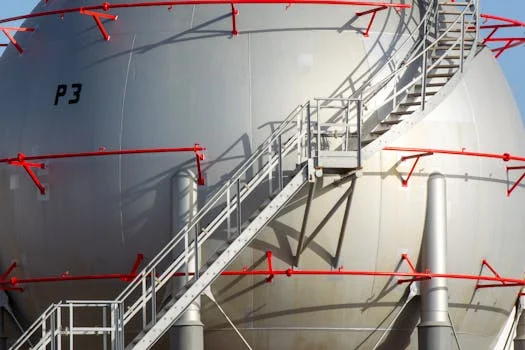
Effective hospital wastewater treatment in Kazan necessitates a multi-faceted approach, employing a range of technologies tailored to the unique composition of medical effluent. The primary treatment strategies fall into three broad categories: biological, chemical, and physical treatment. Each offers distinct advantages and disadvantages in terms of operational costs, treatment efficacy, and environmental impact. The selection of the optimal solution or combination of solutions is contingent upon the specific characteristics of the wastewater, the hospital's capacity, and its environmental objectives.
Biological treatment methods leverage microorganisms to break down organic pollutants. These systems are highly effective for treating large volumes of wastewater with moderate organic loads. An example of a comprehensive solution for urban wastewater management, which can be adapted for larger hospital complexes, is our underground integrated sewage treatment plant. These systems are designed for robust performance and minimal environmental footprint.
Chemical treatment involves the use of chemical agents to remove or neutralize contaminants. This can include processes like disinfection, coagulation, and oxidation. Chemical methods are often employed as a secondary or tertiary treatment step to address specific recalcitrant pollutants or to achieve a higher level of disinfection. For solids removal and sludge thickening, physical treatment processes are crucial. Dissolved air flotation (DAF) is a highly effective physical separation technique used to remove suspended solids, oils, and greases. Our DAF system is engineered for efficient separation and can significantly enhance the overall treatment process.
| Treatment Type | Key Technologies | Advantages | Disadvantages | Typical Applications |
|---|---|---|---|---|
| Biological Treatment | Activated Sludge, Membrane Bioreactors (MBRs), Trickling Filters | Effective for organic pollutant removal, relatively low chemical consumption, potential for nutrient removal | Requires stable operating conditions, sensitive to toxic shock loads, can produce significant sludge volume | Primary treatment for general hospital wastewater, high organic load streams |
| Chemical Treatment | Coagulation/Flocculation, Disinfection (Chlorination, UV, Ozonation), Oxidation | Rapid contaminant removal, effective for specific pollutants (heavy metals, certain pathogens), can achieve high disinfection levels | Can generate chemical sludge, requires careful dosing and monitoring, potential for formation of disinfection by-products | Pre-treatment for specific contaminants, final disinfection, polishing of effluent |
| Physical Treatment | Screening, Sedimentation, Filtration, Dissolved Air Flotation (DAF) | Removes suspended solids and oils, simple operation, effective for pre-treatment and sludge separation | Limited effectiveness on dissolved pollutants, may require subsequent treatment steps | Primary removal of gross solids, oil and grease separation, sludge dewatering preparation |
Comparison of Solutions for Hospital Wastewater Treatment in Kazan
Choosing the most appropriate wastewater treatment solution for a hospital in Kazan involves a careful evaluation of various factors, including the specific wastewater characteristics, regulatory compliance requirements, operational costs, and environmental impact. While biological treatment is highly effective for organic matter, it may require pre-treatment for specific hospital-generated contaminants. Chemical treatments offer targeted removal of challenging pollutants but can introduce their own set of operational complexities and by-products. Physical treatment methods are essential for solid-liquid separation but are typically part of a broader treatment train.
For instance, a hospital with a high volume of general organic waste might benefit from a robust biological system, potentially augmented by a DAF unit for effective solids and oil removal. Conversely, a facility dealing with significant chemical or pharmaceutical waste might necessitate advanced oxidation processes or specialized chemical precipitation steps. The long-term operational costs, including energy consumption, chemical usage, and sludge disposal, are critical considerations. The potential for beneficial reuse of treated water or recovered resources, such as through energy recovery from wastewater, should be factored into the decision-making process to enhance sustainability and reduce overall expenditure.
| Solution Category | Typical Effectiveness (Pollutant Group) | Estimated Capital Cost (Relative) | Estimated Operational Cost (Relative) | Environmental Impact | Complexity of Operation |
|---|---|---|---|---|---|
| Biological Treatment | High for BOD/COD, moderate for nutrients, low for specific chemicals/pharmaceuticals | Medium to High | Medium | Low (if well-managed), potential for greenhouse gas emissions | Medium to High |
| Chemical Treatment | Variable (high for specific metals, disinfectants, oxidizable compounds) | Low to Medium | High | Medium (potential for by-products, chemical residuals) | Medium |
| Physical Treatment (e.g., DAF) | High for suspended solids, oils, greases | Medium | Medium | Low (sludge generation requires disposal) | Low to Medium |
| Integrated Systems (e.g., MBR + Chemical Polishing) | Very High for a wide range of pollutants | High | High | Low | High |
Frequently Asked Questions
What are the regulations and standards for hospital wastewater treatment in Kazan?
Hospital wastewater treatment in Kazan is governed by federal regulations in the Russian Federation, including Sanitary-Epidemiological Rules and Regulations (SanPiN) and the Federal Law "On Water Protection." These standards mandate the treatment of substantial daily volumes of sewage water and set specific requirements for pollutant removal to protect public health and the environment. Regional agencies may impose additional specific monitoring protocols and discharge permits.
What are the available solutions for hospital wastewater treatment in Kazan?
Available solutions include biological treatment (e.g., activated sludge, MBRs), chemical treatment (e.g., disinfection, coagulation), and physical treatment (e.g., screening, DAF). Often, a combination of these technologies is employed to achieve comprehensive treatment of hospital wastewater, addressing its complex and variable pollutant profile.
How do I choose the best solution for my hospital?
Selecting the optimal solution involves a thorough assessment of your hospital's specific wastewater characteristics (e.g., volume, pollutant types, concentrations), current and future regulatory requirements, available space, capital and operational budget, and environmental sustainability goals. A detailed wastewater analysis and consultation with experienced treatment equipment manufacturers can help identify the most effective and cost-efficient approach.