Why Missouri Businesses Are Upgrading Sewage Treatment Equipment in 2025
Missouri businesses and municipalities face rising sewer surcharges (up to $2.00 per 1,000 gallons for high-strength waste) and strict MoDNR permit limits (30 mg/L BOD/TSS for industrial discharges). Selecting the right sewage treatment equipment supplier requires evaluating technical specs (e.g., MBR systems achieve 99% pathogen removal vs. 90% for DAF), compliance with EPA Region 7 pretreatment standards, and ROI benchmarks—where package plants ($50K–$500K) often pay back in 3–5 years via surcharge avoidance. This guide provides Missouri-specific data to compare suppliers, costs, and system types.
The economic pressure on Missouri’s industrial sector is intensifying as municipal utilities pass down the costs of aging infrastructure. In St. Louis, the Metropolitan Sewer District’s (MSD) multi-billion dollar "Project Clear" initiative to address combined sewer overflows has resulted in consistent rate hikes. For a Missouri factory manager, these increases manifest as BOD (Biochemical Oxygen Demand) and TSS (Total Suspended Solids) surcharges that can exceed $10,000 per month. According to MoDNR 2024 data, industrial surcharges now range from $0.50 to $2.00 per 1,000 gallons for facilities exceeding baseline discharge strength.
Regulatory enforcement is also tightening. The EPA ECHO database recorded 42 significant enforcement actions in Missouri during 2023, with fines for Clean Water Act violations reaching up to $37,500 per day. For instance, a Missouri food processor recently reduced its monthly surcharges by 65%, saving approximately $120,000 annually, after installing a dissolved air flotation (DAF) system to consistently hit 30 mg/L TSS limits. This shift toward onsite treatment is no longer just about compliance; it is a critical strategy for protecting operational margins against Missouri’s rising utility costs.
Missouri’s Regulatory Landscape: How Permits Shape Equipment Selection
MoDNR permit thresholds for industrial discharges are typically set at 30 mg/L BOD, 30 mg/L TSS, and 10 mg/L ammonia under the 2024 Water Quality Standards. These state-level mandates are often superseded by even stricter local limits in Missouri’s major metropolitan hubs. Procurement managers must select equipment capable of meeting the specific "local limits" of the receiving Publicly Owned Treatment Works (POTW) to avoid immediate fines.
| Missouri Jurisdiction | BOD Limit (mg/L) | TSS Limit (mg/L) | Ammonia Limit (mg/L) | Key Regulation |
|---|---|---|---|---|
| Kansas City | 250 (Surcharge baseline) | 20 (Discharge limit) | N/A | KC Water Services Code |
| St. Louis (MSD) | 25 (Direct discharge) | 30 | 1.5 (Seasonal) | MSD Ordinance 15850 |
| Springfield | 200 (Baseline) | 250 (Baseline) | 15 (Limit) | City Code Chapter 118 |
| MoDNR General Permit | 30 | 30 | 10 | 10 CSR 20-7.015 |
The MoDNR permitting process generally requires a 6-to-12-month timeline, involving detailed engineering reports and anti-degradation reviews. Equipment selection directly impacts this timeline; for example, technologies like Membrane Bioreactors (MBR) often receive faster approval for high-quality effluent needs because they provide a physical barrier to pathogens. Conversely, conventional systems may require additional tertiary filtration stages to meet the same standards. EPA Region 7 also enforces categorical pretreatment standards for specific Missouri industries, such as a 1.2 mg/L cyanide limit for metal finishers and strict 250 mg/L Fats, Oils, and Grease (FOG) limits for food processors. Failure to account for pH swings or chlorine residuals in the initial equipment spec is a leading cause of permit violations in Missouri industrial parks.
Sewage Treatment Equipment Types Compared: Which System Fits Your Missouri Facility?
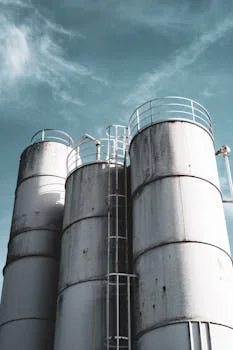
Missouri’s diverse industrial base—from Kansas City’s food processing plants to the decentralized rural communities in the Ozarks—requires a tailored approach to technology selection. Cold-weather performance is a critical engineering consideration in Missouri, where winter temperatures can inhibit biological activity. Systems must be designed with freeze protection or housed in climate-controlled enclosures to maintain nitrification rates during January and February.
| System Type | Removal Efficiency | Best Missouri Use Case | Technical Advantage |
|---|---|---|---|
| MBR (Membrane Bioreactor) | 99% BOD / 99.9% Pathogens | Hospitals, Municipalities, Water Reuse | 0.1 μm filtration; very small footprint |
| DAF (Dissolved Air Flotation) | 92–97% TSS / 90% FOG | Food Processing, Heavy Industry | Handles high grease and oil loads |
| Package Plants (WSZ) | 90–95% BOD/TSS | Rural Communities, Mobile Home Parks | Fully automated; underground options available |
| Plate & Frame Filter Press | 20–35% Cake Solids | Sludge Dewatering for Municipalities | Reduces waste volume for landfill disposal |
For high-clarity requirements, MBR systems for Missouri hospitals and municipalities provide 0.1 μm filtration, making them ideal for facilities looking to reuse water for irrigation or cooling towers. In the heavy industrial sector, particularly for those dealing with high organic loads, DAF systems for Missouri food processors and industrial sites are the standard for removing FOG and suspended solids before the waste hits the city sewer. For smaller, decentralized applications, package sewage treatment plants for rural Missouri communities offer a "plug-and-play" solution that can be installed underground to save space and provide natural insulation against Missouri winters. Finally, to manage the byproduct of these processes, sludge dewatering equipment for Missouri municipalities is essential for reducing hauling costs by producing high-solids cake (up to 35% solids).
Cost Breakdown: Sewage Treatment Equipment in Missouri (2025 Data)
Capital Expenditure (CAPEX) for sewage treatment in Missouri varies significantly based on flow volume and required effluent quality. A standard package plant for a small rural development (1–80 m³/h) typically ranges from $50,000 to $500,000. In contrast, advanced MBR systems for industrial applications (10–2,000 m³/day) can range from $1.2M to $2.5M. These figures exclude civil works, which in Missouri typically add 20–40% to the equipment cost for concrete pads, excavation, and piping.
Operating Expenditure (OPEX) is primarily driven by Missouri’s energy rates, which averaged $0.08–$0.15/kWh in early 2025. While MBR systems offer the highest water quality, they consume more power (0.8–1.2 kWh/m³) compared to DAF systems (0.3–0.5 kWh/m³). Chemical costs also fluctuate; DAF systems require coagulants and flocculants costing between $0.50 and $2.00 per cubic meter, whereas MBR systems focus costs on membrane cleaning chemicals, typically $0.10–$0.30/m³.
| Equipment Category | CAPEX Range (2025) | Avg. OPEX (per m³) | Missouri ROI Payback |
|---|---|---|---|
| Package Plants | $50K – $500K | $0.40 – $0.70 | 3–5 Years |
| DAF Systems | $80K – $1.2M | $0.60 – $2.10 | 2–4 Years |
| MBR Systems | $1.2M – $2.5M | $0.90 – $1.50 | 5–7 Years |
| Filter Presses | $30K – $200K | $0.15 – $0.45 | 1–3 Years |
The primary ROI driver for Missouri businesses is the avoidance of surcharges and the prevention of EPA fines. A facility discharging 50,000 gallons per day with high BOD could face $30,000 in monthly surcharges. By installing a $400,000 treatment system, the facility could eliminate those surcharges, achieving a full ROI in under 18 months. Additionally, considering disinfection options for Missouri industrial wastewater can further enhance ROI by allowing for onsite water reuse, reducing the volume of expensive city water purchased.
Top Sewage Treatment Equipment Suppliers in Missouri: How to Evaluate Them
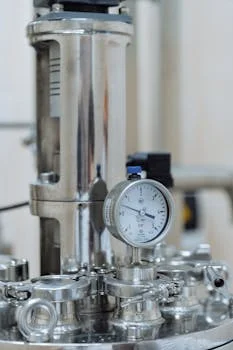
Evaluating a sewage treatment equipment supplier in Missouri requires looking beyond the initial quote. Because wastewater treatment is a long-term infrastructure investment, the supplier’s ability to provide local support and MoDNR-compatible engineering documentation is paramount. Missouri-based distributors often offer faster response times for emergency repairs, but national or international manufacturers may offer a broader range of advanced technologies like specialized membranes.
A critical qualification for any supplier is ISO 9001/14001 certification, which MoDNR often looks for during the permit review process as a proxy for equipment reliability. Lead times currently range from 4 to 12 weeks for standard package equipment and 6 to 18 months for custom-engineered systems. Procurement managers should demand a local service network capable of providing spare parts within 24–48 hours. When vetting a supplier, always request Missouri-specific references—specifically from the same industry (e.g., food processing or municipal) to verify that the equipment has successfully navigated MoDNR inspections in the past.
Red flags during the supplier evaluation process include a lack of familiarity with EPA Region 7 standards or vague guarantees regarding effluent quality. A reputable supplier should be willing to provide influent data analysis and a performance guarantee backed by a clear warranty (typically 1–2 years for mechanical components and 5–10 years for membranes). For those operating near state lines, it is helpful to understand Iowa’s 2025 package plant requirements (similar to Missouri’s rural needs) to ensure regional compliance consistency.
Procurement Checklist: 10 Steps to Selecting Sewage Treatment Equipment in Missouri
- Step 1: Characterize your wastewater. Conduct a 24-hour composite sampling to establish baseline BOD, TSS, FOG, and pH data. MoDNR requires this for any permit application.
- Step 2: Determine permit requirements. Identify your discharge point (POTW vs. direct discharge) and confirm local limits with your municipal utility.
- Step 3: Calculate flow rates. Document average daily flow and peak hourly flow. Select equipment with 20–30% excess capacity to account for future production growth.
- Step 4: Evaluate system types. Compare MBR, DAF, and package plants based on your specific contaminants and space constraints.
- Step 5: Request detailed quotes. Ensure quotes include equipment, shipping, startup services, and operator training.
- Step 6: Visit Missouri reference sites. Ask the supplier to take you to a local installation to see the equipment in a live environment.
- Step 7: Review OPEX estimates. Calculate long-term costs for energy, chemicals, and labor (e.g., package plants require ~1 hour/day of attention).
- Step 8: Confirm MoDNR permit compatibility. Verify that the supplier can provide the stamped engineering drawings required for the MoDNR construction permit.
- Step 9: Negotiate service agreements. Secure a contract that includes annual inspections and remote monitoring support.
- Step 10: Plan for installation. Coordinate with a Missouri-licensed contractor for civil and electrical work, ensuring the site is ready for equipment delivery.
Frequently Asked Questions
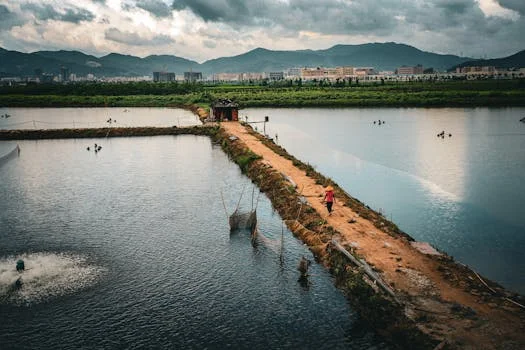
What are the most common sewage treatment systems used in Missouri?In Missouri, DAF systems are the standard for food processing and industrial pretreatment, while MBR and package plants (WSZ series) are most common for municipal and decentralized residential applications due to their high effluent quality and small footprint.
How much does a package sewage treatment plant cost in Missouri?For a system handling 1–80 m³/h, CAPEX ranges from $50,000 to $500,000. Total installed costs are often 20–40% higher when accounting for Missouri labor rates and civil construction.
What are Missouri’s permit requirements for industrial wastewater discharges?Most industrial permits follow the "30/30" rule (30 mg/L BOD and TSS), though local municipal limits in cities like Kansas City or St. Louis can be significantly stricter for specific parameters like ammonia or heavy metals.
How do I choose between MBR and DAF systems for my Missouri facility?Choose DAF if your primary goal is removing grease, oils, and suspended solids to avoid sewer surcharges. Choose MBR if you need to meet very low BOD/pathogen limits for direct discharge or water reuse.
What are the lead times for sewage treatment equipment in Missouri?Standardized package plants currently have lead times of 4–12 weeks. Custom-engineered MBR or DAF systems typically require 6–18 months from design approval to delivery.
How can I reduce sewer surcharges in Missouri with treatment equipment?By installing onsite pretreatment (like a DAF or filter press), you can reduce the concentration of BOD and TSS in your waste stream. This brings your discharge below the city’s "high-strength" threshold, often eliminating surcharges entirely.
What are the operating costs for sewage treatment systems in Missouri?Expect to pay $0.40–$2.10 per cubic meter treated, depending on the technology. This includes Missouri’s average industrial electricity rates ($0.08–$0.15/kWh) and chemical consumables.