In Oklahoma City, wastewater treatment plant costs range from $44M for modernization projects (e.g., Hefner Water Treatment Plant) to $500M+ for new municipal facilities (e.g., Edmond’s Arcadia Lake plant). Local benchmarks show capital costs of $3–$10 per gallon of daily capacity, with industrial systems averaging 20–30% higher due to stricter pretreatment requirements. Federal grants (e.g., ARPA) can cover up to 75% of costs, as seen in Glenpool’s $59M facility, where $44M was federally funded. Use this guide’s ROI calculator to estimate payback periods based on your project’s scale and technology choice.
Why Oklahoma City’s Wastewater Treatment Costs Are Rising in 2025
Oklahoma City’s rapidly expanding population and aging infrastructure are the primary drivers behind escalating wastewater treatment project costs in 2025. The city has experienced approximately 1.5% annual population growth since 2020, significantly straining existing treatment capacity and necessitating major investments. This growth directly drives large-scale projects, such as Edmond’s proposed $500M+ Arcadia Lake plant, which aims to increase regional water volume and reduce reliance on Oklahoma City’s reserves (KOCO News 5, 2026).
the structural integrity and technological capabilities of existing facilities are a growing concern. Approximately 40% of Oklahoma’s wastewater treatment plants are over 30 years old (Oklahoma DEQ, 2024), requiring substantial modernization efforts to remain operational and compliant. For instance, Oklahoma City’s Hefner Water Treatment Plant is undergoing a $44M improvement project to enhance its longevity and efficiency (City of OKC, 2023). These upgrades are critical for meeting the Oklahoma DEQ’s stringent 2025 nutrient limits, which mandate advanced treatment processes for nitrogen and phosphorus removal.
Federal funding programs, particularly the American Rescue Plan Act (ARPA), have played a pivotal role in mitigating the local financial burden of these projects. Glenpool’s new $59M wastewater treatment facility, for example, received $44M in ARPA funding, covering approximately 75% of the total cost and significantly reducing taxpayer impact (Glenpoolonline.com, 2023). Municipalities and industrial entities can apply for similar federal and state grants through programs like the EPA Clean Water State Revolving Fund (CWSRF) or the Oklahoma Water Resources Board (OWRB) to offset significant capital expenditures.
Industrial wastewater treatment projects in Oklahoma City often face higher costs compared to municipal ventures due to more stringent pretreatment requirements and specific discharge limits. Facilities in sectors like food processing and petrochemicals must adhere to the Oklahoma DEQ’s 2025 Industrial Pretreatment Program updates, which mandate the removal of specific contaminants like fats, oils, and grease (FOG). This often necessitates specialized equipment, such as DAF systems for Oklahoma City industrial pretreatment, which adds complexity and cost to engineering and installation.
Wastewater Treatment Plant Cost Breakdown: Capital vs. Operational Expenses
Accurate project budgeting for wastewater treatment plants in Oklahoma City requires a clear distinction between one-time capital expenditures and recurring operational costs. Capital costs represent the initial investment in infrastructure and equipment, while operational expenses (OPEX) cover the ongoing daily functions of the plant.
Capital Costs: These typically represent 60-70% of the total project cost and are broken down as follows:
- Land Acquisition: 5–10% of total project cost, varying significantly based on location and size.
- Civil Works & Construction: 30–40% of total, including site preparation, concrete structures, buildings, and piping.
- Equipment & Instrumentation: 30–35% of total, encompassing pumps, tanks, reactors, filtration systems, and control electronics. For example, Glenpool’s $59M facility allocated approximately 35% of its budget to critical equipment such as DAF units, MBR systems, and disinfection technologies (Glenpoolonline.com, 2023).
- Engineering, Design & Permitting: 10–15% of total, covering feasibility studies, detailed engineering, and securing necessary permits from local and state authorities. Glenpool’s project, for instance, allocated about 15% to permitting and design.
- Contingency: 10–15% of total, reserved for unforeseen challenges and cost overruns.
Operational Costs: These account for 30-40% of the total lifecycle cost and are typically incurred annually:
- Energy Consumption: 30–40% of OPEX, primarily for pumping, aeration, and mixing. Advanced treatment technologies like MBR systems, while energy-efficient per unit of treated water, still contribute significantly to the overall energy bill.
- Labor & Staffing: 20–30% of OPEX, including operators, maintenance technicians, and administrative personnel.
- Chemicals: 15–20% of OPEX, vital for coagulation, flocculation, disinfection, and nutrient removal. Oklahoma City’s Hefner plant, for example, is estimated to spend over $1.2M annually on chemicals for its coagulation/flocculation processes (City of OKC, 2023).
- Maintenance & Repairs: 10–15% of OPEX, covering routine upkeep, spare parts, and emergency repairs.
- Sludge Disposal: 5–10% of OPEX, involving dewatering, transport, and landfilling or beneficial reuse.
The average national cost benchmarks for wastewater treatment per gallon treated reveals that municipal plants in Oklahoma City typically incur capital costs of $3–$6 per gallon of daily capacity. Industrial plants, however, average $5–$10 per gallon due to the additional equipment and processes required for specialized pretreatment, such as DAF for FOG removal.
Hidden Costs: Project planners must also account for less obvious expenses. Permitting delays, which can extend 6–12 months in Oklahoma compared to 3–6 months in some neighboring states, can add significant indirect costs. Soil remediation is a common expense for brownfield sites, and utility upgrades (e.g., increasing power supply for energy-intensive MBR systems) can also add substantial unforeseen costs.
| Plant Capacity (MGD) | Municipal Capital Cost Range (Millions USD) | Industrial Capital Cost Range (Millions USD) | Annual OPEX Range (Millions USD) |
|---|---|---|---|
| 0.1 (100,000 GPD) | $0.3 - $0.6 | $0.5 - $1.0 | $0.15 - $0.3 |
| 0.5 (500,000 GPD) | $1.5 - $3.0 | $2.5 - $5.0 | $0.75 - $1.5 |
| 1.0 (1 MGD) | $3.0 - $6.0 | $5.0 - $10.0 | $1.5 - $3.0 |
| 5.0 (5 MGD) | $15.0 - $30.0 | $25.0 - $50.0 | $7.5 - $15.0 |
| 10.0 (10 MGD) | $30.0 - $60.0 | $50.0 - $100.0 | $15.0 - $30.0 |
Treatment Technology Comparison: Costs, Efficiency, and Compliance for Oklahoma City Projects
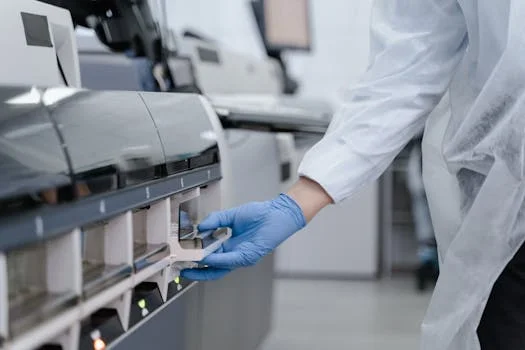
Selecting the optimal wastewater treatment technology for an Oklahoma City project hinges on balancing upfront capital costs, long-term operational efficiency, and the ability to meet stringent compliance requirements. Each technology offers distinct advantages and trade-offs.
- Conventional Activated Sludge (CAS): This remains the most widely adopted treatment method, characterized by its relatively low capital cost, typically ranging from $2–$4 per gallon of daily capacity. However, CAS systems generally incur higher operational expenses due to significant sludge handling requirements and larger land footprints. According to Oklahoma DEQ 2024 data, CAS is employed in approximately 60% of municipal plants across the state due to its proven reliability and lower initial investment.
- Membrane Bioreactor (MBR): MBR systems represent a more advanced approach, boasting higher capital costs, usually between $5–$8 per gallon of daily capacity. Despite the higher initial outlay, MBR offers significant advantages, including a 60% smaller physical footprint compared to CAS, making it ideal for urban or space-constrained sites like Edmond’s proposed Arcadia Lake plant (KOCO News 5, 2026). MBR technology also delivers superior effluent quality, achieving over 99% pathogen removal and meeting strict nutrient limits, making MBR systems for compact municipal plants in Oklahoma City a preferred choice for future-proofing against evolving regulations.
- Dissolved Air Flotation (DAF): DAF systems are specialized for industrial pretreatment, with costs ranging from $3–$6 per gallon of daily capacity, depending on the contaminant load and flow rate. They are highly effective in removing fats, oils, grease (FOG), suspended solids, and other insoluble pollutants from industrial wastewater streams, particularly in food processing, meatpacking, and petrochemical facilities. Glenpool’s $59M facility, for instance, incorporates DAF technology specifically for FOG removal in its influent (Glenpoolonline.com, 2023). For a deeper dive into DAF vs. other flotation technologies for industrial pretreatment, refer to our detailed comparison.
- Sequencing Batch Reactor (SBR): SBR technology offers flexibility for variable flow rates and treatment demands, with capital costs typically between $4–$7 per gallon of daily capacity. These systems are often favored in small to medium-sized Oklahoma towns due to their operational simplicity and ability to achieve high-quality effluent. Muskogee’s $97M plant, for example, utilizes SBR technology as part of its modernization efforts (Muskogee Phoenix, 2023).
| Technology | Capital Cost Range ($/gallon daily capacity) | Typical TSS Removal (%) | Typical BOD Removal (%) | Footprint (Relative) | Energy Use (kWh/MGD) |
|---|---|---|---|---|---|
| Conventional Activated Sludge (CAS) | $2 - $4 | 85 - 95 | 90 - 95 | Large | 1,500 - 3,000 |
| Membrane Bioreactor (MBR) | $5 - $8 | 98 - 99+ | 95 - 98+ | Small (60% less than CAS) | 2,500 - 4,500 |
| Dissolved Air Flotation (DAF) | $3 - $6 (for pretreatment) | 70 - 95 | 40 - 70 | Medium | 800 - 1,500 |
| Sequencing Batch Reactor (SBR) | $4 - $7 | 90 - 97 | 90 - 97 | Medium | 1,800 - 3,500 |
(Data based on EPA 2024 benchmarks and industry averages for typical municipal and industrial applications.)
Oklahoma City Compliance Requirements: How Regulations Impact Costs
Adhering to Oklahoma DEQ wastewater standards is a significant cost driver for both municipal and industrial wastewater treatment projects in Oklahoma City. The state's environmental regulations are becoming increasingly stringent, particularly concerning nutrient discharge and industrial pretreatment.
The Oklahoma DEQ’s 2025 nutrient limits are a critical factor for municipal wastewater treatment plants. These updated regulations mandate strict discharge concentrations, typically requiring total nitrogen (TN) levels below 3 mg/L and total phosphorus (TP) levels below 0.1 mg/L for many sensitive watersheds. Achieving these low limits often necessitates advanced treatment processes beyond conventional biological methods, such as enhanced biological nutrient removal (BNR), chemical dosing, or tertiary filtration. Implementing these advanced systems can add an estimated $1M–$3M to the capital costs of a municipal plant (Oklahoma DEQ, 2024). For precise nutrient control, chemical dosing systems for Oklahoma DEQ nutrient compliance are often integrated.
Industrial facilities operating in Oklahoma City must comply with the Oklahoma DEQ’s Industrial Pretreatment Program, which imposes specific effluent limitations on various industries before discharge into municipal sewer systems or direct discharge to waterways. For sectors like food processing, metal finishing, and petrochemicals, common pretreatment requirements include reducing biochemical oxygen demand (BOD) to less than 300 mg/L, total suspended solids (TSS) to less than 300 mg/L, and fats, oils, and grease (FOG) to less than 10 mg/L. To meet these limits, specialized pretreatment solutions are essential. DAF systems, such as HydropureWater’s, are widely used for effective FOG and TSS removal but can add $500K–$2M to the overall project costs depending on scale and complexity. Understanding industrial wastewater treatment strategies for neighboring states can also provide valuable comparative insights.
Permitting costs and timelines also significantly impact project budgets. Obtaining the necessary permits from the Oklahoma DEQ for a municipal wastewater treatment plant can range from $50K–$200K, while industrial facilities, with their more complex discharge profiles, may face costs between $100K–$500K. The typical timeline for permit approval in Oklahoma can be 6–12 months, which is often longer than the 3–6 months seen in some neighboring states, potentially leading to project delays and associated indirect costs.
Finally, sludge disposal is a critical compliance-driven cost. The Oklahoma DEQ requires biosolids to meet Class B standards for land application, which often necessitates further treatment such as lime stabilization, anaerobic digestion, or dewatering. These processes add $50–$100 per ton to the operating costs. Implementing sludge dewatering solutions for Oklahoma biosolids management, like a plate and frame filter press, can significantly reduce sludge volume and associated transportation costs, but requires an initial capital investment.
ROI Calculator: Estimate Your Oklahoma City Wastewater Treatment Project’s Payback Period
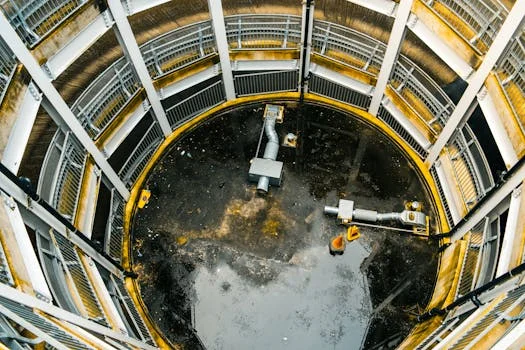
Evaluating the financial feasibility of a wastewater treatment project in Oklahoma City extends beyond initial capital outlay; it requires a comprehensive understanding of the return on investment (ROI) and payback period. This step-by-step calculator provides a framework for municipal engineers and industrial facility managers to assess their project’s economic viability.
Step 1: Define Project Scale and Technology. Begin by determining the daily treatment capacity (in MGD) and the primary technology chosen (e.g., MBR, DAF, Conventional Activated Sludge). For example, a 1 MGD MBR plant in Oklahoma City might incur an estimated capital cost of ~$6M, with annual operational expenses (OPEX) averaging $1.5M/year.
Step 2: Calculate Annual Savings and Revenue. Identify all potential financial benefits generated by the new or upgraded facility. These can include:
- Avoiding Water Reserve Fees: For municipalities, reducing reliance on external water sources can eliminate significant annual fees. Edmond, for instance, pays over $1M annually for the right to purchase water from Oklahoma City (KOCO News 5, 2026).
- Reducing Discharge Violations: Compliance with Oklahoma DEQ standards avoids hefty fines, which can reach up to $10K per day for significant violations.
- Water Reuse Revenue: Treated effluent can be repurposed for non-potable uses like irrigation, industrial process water, or aquifer recharge, generating revenue or reducing potable water purchases.
- Reduced Surcharges: Industrial facilities can avoid municipal surcharges for high-strength wastewater by implementing effective pretreatment.
- Energy Savings: Implementing energy-efficient equipment or energy recovery systems can reduce OPEX.
Step 3: Estimate Payback Period. The payback period quantifies the time required for the project’s accumulated savings to offset its initial investment. The formula is:
Payback Period = (Capital Cost - Grants) / (Annual Savings - Annual OPEX)
For example, Glenpool’s $59M facility, with $44M in ARPA grants, had a net capital cost of $15M. If the facility generates $3M/year in combined savings (e.g., avoiding fines, water reuse, reduced operational inefficiencies), its payback period would be approximately 5 years ($15M / $3M/year). This demonstrates how MBR systems for compact municipal plants in Oklahoma City, despite higher initial costs, can achieve competitive payback periods when grant funding is secured.
Step 4: Factor in Intangibles and Long-Term Value. Beyond direct financial metrics, consider benefits that enhance organizational value and community well-being:
- Improved Public Health: Enhanced treatment reduces the risk of waterborne diseases and improves environmental quality (e.g., reduced E. coli violations).
- Environmental Compliance: Proactive compliance ensures regulatory stability and avoids future penalties.
- Drought Resilience: Investing in robust wastewater treatment and reuse systems strengthens community resilience against water scarcity, a critical concern given Oklahoma’s 2025 Water Plan projects a 20% supply gap by 2040.
- Enhanced Reputation: Demonstrating environmental stewardship can improve public perception and stakeholder relations.
| Project Scale (MGD) | Technology Type | Estimated Capital Cost (Millions USD) | Estimated Annual OPEX (Millions USD) | Estimated Annual Savings/Revenue (Millions USD) | Typical Payback Period (Years, without grants) |
|---|---|---|---|---|---|
| 0.1 | Conventional Activated Sludge | $0.5 | $0.15 | $0.25 | 5.0 |
| 0.1 | DAF (Industrial Pretreatment) | $0.8 | $0.20 | $0.40 | 4.0 |
| 1.0 | Membrane Bioreactor (MBR) | $6.0 | $1.50 | $2.50 | 6.0 |
| 1.0 | Conventional Activated Sludge | $4.0 | $1.20 | $1.80 | 6.7 |
| 10.0 | Membrane Bioreactor (MBR) | $55.0 | $14.00 | $22.00 | 6.9 |
(Example calculations are illustrative and dependent on specific project parameters, grant funding, and wastewater treatment cost per gallon data.)
Frequently Asked Questions
Addressing common technical and financial questions helps decision-makers in Oklahoma City navigate complex wastewater treatment projects.
Q: How much does it cost to set up a 1 MGD wastewater treatment plant in Oklahoma City?
A: The capital cost for a 1 MGD (million gallons per day) wastewater treatment plant in Oklahoma City typically ranges from $3M–$8M, depending heavily on the chosen technology and site-specific conditions. Conventional activated sludge systems generally cost $3M–$5M, while more advanced MBR systems, offering higher effluent quality and a smaller footprint, range from $5M–$8M. This estimate includes civil works, equipment, and engineering but excludes land acquisition costs.
| Technology Type (1 MGD Plant) | Capital Cost Range (Millions USD) | Key Advantages |
|---|---|---|
| Conventional Activated Sludge (CAS) | $3.0 - $5.0 | Lower initial cost, proven technology |
| Membrane Bioreactor (MBR) | $5.0 - $8.0 | Higher effluent quality, smaller footprint |
| Sequencing Batch Reactor (SBR) | $4.0 - $7.0 | Flexibility for variable flows, good effluent |
Q: What is the life expectancy of a sewage treatment plant in Oklahoma?
A: The life expectancy of a sewage treatment plant in Oklahoma varies by component. Civil structures, such as concrete tanks and buildings, typically have a design life of 25–40 years, and often longer with proper maintenance. Mechanical and electrical components, including pumps, blowers, and control systems, generally last 10–20 years before requiring significant overhaul or replacement. Oklahoma DEQ requires new wastewater treatment plants to have a minimum design life of 20 years. For example, the $44M modernization project at Oklahoma City’s Hefner Water Treatment Plant is expected to extend its operational life by an additional 30 years (City of OKC, 2023).
Q: Do wastewater treatment plants in Oklahoma make money?
A: Municipal wastewater treatment plants in Oklahoma rarely operate as profit-generating entities; their primary purpose is public health and environmental protection. However, they can generate revenue through mechanisms such as water reuse (e.g., selling treated effluent for irrigation or industrial process water) and the sale of Class B biosolids for agricultural land application. Industrial plants, on the other hand, often see a significant return on investment (ROI) through reduced discharge fees, avoidance of regulatory fines, and potential recovery of valuable resources from their waste streams, contributing to a positive wastewater treatment plant payback period.
Q: What is the cost of an ETP (Effluent Treatment Plant) for a food processing facility in Oklahoma?
A: The cost of an Effluent Treatment Plant (ETP) for a food processing facility in Oklahoma typically ranges from $500K–$2M for plants treating 0.1–0.5 MGD. These costs are highly dependent on the wastewater characteristics (e.g., high BOD, TSS, FOG) and the required effluent quality. DAF systems, such as HydropureWater’s, are commonly integrated into food processing ETPs for effective FOG and suspended solids removal, adding an estimated $200K–$500K to the total capital expenditure.
| Industry Type | Typical ETP Cost Range (0.1–0.5 MGD) | Key Contaminants | Common Pretreatment Technologies |
|---|---|---|---|
| Food Processing | $500K - $2M | FOG, BOD, TSS | DAF, Screens, Biological Treatment |
| Metal Finishing | $700K - $2.5M | Heavy Metals, Cyanide, pH | Chemical Precipitation, Ion Exchange |
| Petrochemical | $1M - $3M | Hydrocarbons, Phenols, TSS | API Separators, DAF, Biological Treatment |
Q: How can I reduce wastewater treatment plant costs in Oklahoma?
A: Several strategies can significantly reduce wastewater treatment plant costs in Oklahoma. Prioritize modular designs, such as package plants, to minimize expensive civil works and construction time. Actively pursue federal and state grants, like ARPA funds or EPA Clean Water State Revolving Fund (CWSRF) loans; Glenpool’s facility, for example, saved $15M in local funding by securing $44M in ARPA grants (Glenpoolonline.com, 2023). Additionally, selecting energy-efficient technologies, such as MBR systems with low-energy membranes or optimized aeration, can substantially reduce long-term operational expenses. Implementing water reuse programs and effective sludge management can also offset costs.