In Gurgaon, wastewater treatment plant costs range from ₹2.5 lakh for a 100 m³/hour basic ETP to ₹50 lakh+ for a 2000 m³/day tertiary treatment plant (HydropureWater field data, 2025). Key cost drivers include capacity (₹1,250–₹2,500 per m³/day), technology (SBR: ₹10.5L/1000 m³/day vs. MBR: ₹18L/1000 m³/day), and compliance with Haryana PCB’s stringent effluent norms (BOD <30 mg/L, TSS <100 mg/L). Use this engineering breakdown to compare vendors and calculate ROI for your project.
Why Gurgaon’s Wastewater Treatment Costs Are Rising in 2025
Haryana PCB’s 2024–25 enforcement drive has led to a 30% increase in penalties for non-compliant effluent discharges, according to the Haryana PCB Annual Report 2023–24. This heightened regulatory pressure is a primary factor driving up investment in robust wastewater treatment solutions across Gurgaon. Industrial growth in key zones such as Udyog Vihar and Manesar currently generates approximately 450 MLD (Million Liters per Day) of wastewater, with only an estimated 60% receiving treatment, as per CPCB 2023 data. This significant treatment gap, coupled with increasing environmental scrutiny, compels facilities to upgrade or install new effluent treatment plants (ETPs) and sewage treatment plants (STPs).
Beyond compliance, operational costs are also escalating. Sludge disposal costs in Gurgaon have risen by 20% year-on-year, now ranging from ₹3,500–₹5,000 per ton, primarily due to landfill scarcity and stricter handling regulations (HydropureWater field data, 2025). Energy prices, a substantial component of operational expenditure, are also a concern, with electricity costing ₹8–₹12 per kWh in Haryana. These factors collectively push the total expenditure for wastewater treatment, necessitating a strategic approach to technology selection and operational efficiency to manage the overall wastewater treatment plant cost in Gurgaon.
Wastewater Treatment Plant Cost Breakdown: What You’re Actually Paying For
The total capital expenditure (CAPEX) for a wastewater treatment plant in Gurgaon typically comprises four main components: civil works, mechanical equipment, electrical & automation, and installation. Civil works account for 25–35% of the total project cost, translating to approximately ₹625–₹875 per m³/day of treatment capacity. This includes essential infrastructure like concrete tanks, equalization basins, clarifier structures, excavation, and site grading, which form the physical foundation of the plant.
Mechanical equipment represents the largest portion, typically 40–50% of the overall cost, or ₹1,000–₹1,250 per m³/day. This category covers critical components such as pumps (for influent, treated effluent, and sludge transfer), aeration blowers, clarifiers, filters, and advanced membrane systems. Electrical and automation systems constitute 15–20% of the cost (₹375–₹500 per m³/day), encompassing Programmable Logic Controllers (PLCs), sensors, motor control center (MCC) panels, wiring, and supervisory control and data acquisition (SCADA) systems, which ensure efficient and automated plant operation. Operational costs (OPEX) typically range from ₹0.80–₹1.50 per m³ of treated wastewater, with energy consumption (60%) being the largest contributor, followed by chemicals (20%), labor (15%), and sludge disposal (5%).
For facilities with limited space or specific budget constraints, considering underground modular sewage treatment plants for Gurgaon’s space-constrained sites can significantly impact the cost breakdown. Modular designs, such as the WSZ series, can reduce civil costs by up to 30% due to pre-fabricated components and minimal on-site construction, though they may offer less scalability than custom-built plants. Below is a detailed breakdown for a typical 500 m³/day plant:
| Cost Component | % of Total CAPEX | Cost per m³/day (₹) | Approximate Cost for 500 m³/day Plant (₹) |
|---|---|---|---|
| Civil Works | 25-35% | 625-875 | 3,12,500 - 4,37,500 |
| Mechanical Equipment | 40-50% | 1,000-1,250 | 5,00,000 - 6,25,000 |
| Electrical & Automation | 15-20% | 375-500 | 1,87,500 - 2,50,000 |
| Installation & Commissioning | 5-10% | 125-250 | 62,500 - 1,25,000 |
| Total CAPEX Range | 100% | 2,125-2,875 | 10,62,500 - 14,37,500 |
Capacity-Based Pricing: How Much Does a Wastewater Treatment Plant Cost in Gurgaon?
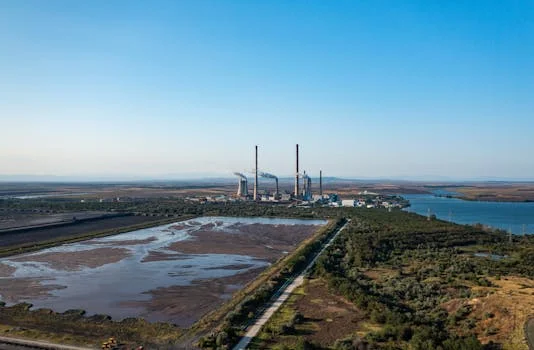
The total capital investment for a wastewater treatment plant in Gurgaon is primarily scaled by its daily treatment capacity, with costs per cubic meter generally decreasing with larger volumes due to economies of scale. For small industrial facilities or residential complexes requiring 50–100 m³/day, a basic ETP or STP can cost between ₹2.5 lakh and ₹5 lakh. These systems typically utilize simpler processes like extended aeration or basic physical-chemical treatment.
Mid-sized projects, such as hotels, hospitals, or medium-scale factories treating 200–500 m³/day, can expect costs ranging from ₹8 lakh to ₹20 lakh. These plants often incorporate more advanced technologies like Sequencing Batch Reactors (SBR) or enhanced extended aeration to meet tighter discharge norms. For large industries or municipal wastewater treatment projects requiring 1000–2000 m³/day, tertiary treatment options featuring Membrane Bioreactors (MBR) or DAF systems for high-efficiency solids and oil removal in Gurgaon’s industrial wastewater typically fall within the ₹30 lakh to ₹50 lakh range. The cost per m³/day generally varies from ₹1,250–₹2,500, with modular plants often at the lower end due to reduced civil works, while custom-engineered systems for specific industrial effluents are at the higher end.
For example, a large-scale plant designed for 100 m³/hour, equivalent to 2400 m³/day, can cost between ₹40 lakh and ₹60 lakh, demonstrating significant cost efficiencies at higher capacities compared to smaller, decentralized systems. The table below provides a general pricing matrix for various capacities:
| Capacity (m³/day) | Application | Approximate CAPEX Range (₹) | Cost per m³/day (₹) |
|---|---|---|---|
| 50-100 | Small industries, residential complexes | 2,50,000 - 5,00,000 | 2,500 - 5,000 |
| 200-500 | Hotels, hospitals, mid-sized factories | 8,00,000 - 20,00,000 | 1,600 - 4,000 |
| 1000-2000 | Large industries, municipal projects | 30,00,000 - 50,00,000 | 1,500 - 2,500 |
| 2000+ (e.g., 2400 m³/day) | Very large industrial complexes | 40,00,000 - 60,00,000 | 1,667 - 2,500 |
Gurgaon’s Compliance Landscape: Haryana PCB Norms and CPCB Guidelines
Haryana PCB effluent norms for 2025 mandate strict discharge parameters for all industrial and domestic wastewater in Gurgaon, with general standards requiring Biochemical Oxygen Demand (BOD) <30 mg/L, Chemical Oxygen Demand (COD) <250 mg/L, Total Suspended Solids (TSS) <100 mg/L, and pH between 6.5–8.5 (source: Haryana PCB General Standards for Discharge of Environmental Pollutants). These standards are critical for preventing pollution of surface and groundwater sources within the region.
Beyond these general limits, specific industries face even more stringent regulations. For example, textile units are often required to meet a BOD <50 mg/L, while food processing industries have specific limits for oil & grease <10 mg/L. Pharmaceutical manufacturing facilities face a COD limit of <350 mg/L. the Central Pollution Control Board (CPCB) has issued Zero Liquid Discharge (ZLD) mandates for water-intensive industries like textiles and distilleries in Haryana, pushing for advanced treatment and recycling systems. Non-compliance carries significant financial penalties, ranging from ₹1 lakh to ₹5 lakh per violation, in addition to potential plant shutdowns as per Haryana PCB 2024 guidelines. To achieve these stringent norms, especially for ZLD, facilities often deploy tertiary treatment technologies such as sand filtration, activated carbon filters, UV disinfection using chlorine dioxide generators for tertiary disinfection in Gurgaon’s STPs and ETPs, or advanced MBR systems for ZLD compliance and high-efficiency treatment in Gurgaon, and Dissolved Air Flotation (DAF) for effective oil and grease removal.
| Parameter | Haryana PCB General Norms (2025) | Industry-Specific Examples | Compliance Technology Examples |
|---|---|---|---|
| BOD | <30 mg/L | Textiles: <50 mg/L | SBR, MBR, Activated Sludge |
| COD | <250 mg/L | Pharmaceuticals: <350 mg/L | MBR, Activated Carbon, Advanced Oxidation |
| TSS | <100 mg/L | General: <100 mg/L | Clarifiers, Sand Filters, MBR |
| pH | 6.5-8.5 | All industries | Neutralization (acid/alkali dosing) |
| Oil & Grease | <10 mg/L | Food Processing: <10 mg/L | DAF, Oil-Water Separators |
| ZLD Mandate | Not a parameter, but a requirement | Textiles, Distilleries | MBR, RO, Evaporators, MEE |
Treatment Technologies Compared: SBR vs. MBR vs. Conventional for Gurgaon’s Needs
Selecting the appropriate wastewater treatment technology in Gurgaon involves balancing capital cost, operational efficiency, land footprint, and the ability to meet stringent compliance requirements. The Sequencing Batch Reactor (SBR) system, priced around ₹10.5 lakh per 1000 m³/day (HydropureWater field data, 2025), offers 90–95% BOD removal efficiency and is highly suitable for small to mid-sized projects ranging from 500–2000 m³/day. SBRs operate in cycles within a single tank, simplifying controls and reducing civil infrastructure compared to conventional systems.
Membrane Bioreactor (MBR) technology, with a higher capital cost of approximately ₹18 lakh per 1000 m³/day, delivers superior treatment, achieving over 98% BOD removal. MBR systems are ideal for applications requiring ZLD compliance or exceptionally high-quality effluent for reuse, and their compact footprint (up to 60% smaller than conventional activated sludge systems) makes them advantageous for industrial wastewater treatment in space-constrained urban environments like Gurgaon. Conventional Activated Sludge (CAS) systems, while costing around ₹8 lakh per 1000 m³/day, offer 85–90% BOD removal but demand significantly larger land areas and typically produce more sludge, leading to higher disposal costs. The choice between these technologies often depends on site availability, discharge standards, and long-term operational goals, especially when considering MBR membrane bioreactor modules for enhanced performance and reduced footprint.
Energy consumption also varies, with SBR systems typically using 0.6–0.8 kWh/m³, MBR systems consuming 0.8–1.2 kWh/m³ due to membrane aeration and pumping, and conventional systems requiring 0.4–0.6 kWh/m³. Sludge production rates are also a factor, with SBR systems generating 0.3–0.5 kg/m³, MBR systems 0.2–0.4 kg/m³ (due to longer sludge retention times), and conventional systems 0.5–0.7 kg/m³.
| Feature | SBR (Sequencing Batch Reactor) | MBR (Membrane Bioreactor) | Conventional (Activated Sludge) |
|---|---|---|---|
| CAPEX (₹/1000 m³/day) | 10,50,000 | 18,00,000 | 8,00,000 |
| BOD Removal Efficiency | 90-95% | 98%+ | 85-90% |
| Footprint (relative) | Medium (single tank operation) | Compact (60% smaller than conventional) | Large (multiple tanks, secondary clarifier) |
| Effluent Quality | Good (secondary treatment) | Excellent (tertiary treatment, ultrafiltration quality) | Moderate (secondary treatment) |
| ZLD Compatibility | Requires additional tertiary steps | Highly compatible (direct feed to RO) | Requires extensive tertiary treatment |
| Energy Consumption (kWh/m³) | 0.6-0.8 | 0.8-1.2 | 0.4-0.6 |
| Sludge Production (kg/m³) | 0.3-0.5 | 0.2-0.4 | 0.5-0.7 |
| Ideal Application | Mid-sized projects, variable flow | High-quality effluent, ZLD, space-constrained sites | Large capacities, ample land, lower initial budget |
ROI Calculator: How Long Until Your Wastewater Treatment Plant Pays for Itself?
A well-designed wastewater treatment plant in Gurgaon can offer a significant Return on Investment (ROI) through various savings and potential revenue streams, making it a financially justifiable investment for industrial and increasingly for municipal entities. The payback period, a key metric, can be calculated using the formula: Total Capital Cost / (Annual Savings + Annual Revenue). Annual savings are primarily driven by water reuse, which can offset costs of fresh water procurement at ₹10–₹20/m³ (HydropureWater field data, 2025), reduced penalties for non-compliance (₹1 lakh–₹5 lakh per violation), and potentially lower sludge disposal costs through volume reduction or valorization (₹3,500–₹5,000/ton). Additional annual revenue can be generated from selling treated water for industrial use (₹15–₹30/m³) or leveraging government incentives, such as Haryana’s 30% subsidy for ZLD projects.
For instance, a 500 m³/day SBR plant with a capital cost of ₹15 lakh, achieving 50% water reuse, could save approximately ₹1.5 lakh per month in fresh water costs alone. Assuming conservative operational costs and compliance benefits, such a plant could achieve a payback period of 8–10 years. For more complex financial analyses, Net Present Value (NPV) and Internal Rate of Return (IRR) are used, typically with a 10% discount rate for industrial projects and a 5% rate for municipal projects, consistent with World Bank guidelines. Understanding these financial metrics is crucial for securing budget approval and demonstrating the long-term value of the investment, as explored in package wastewater treatment plant options in Punjab vs. Gurgaon.
| Metric | Description | Typical Range/Formula |
|---|---|---|
| Payback Period | Time to recover initial investment | Total CAPEX / (Annual Savings + Annual Revenue) |
| Annual Water Reuse Savings | Cost avoided by recycling water | (Recycled Volume m³/year) × (Fresh Water Cost ₹/m³) |
| Annual Penalty Avoidance | Savings from avoiding non-compliance fines | ₹1,00,000 - ₹5,00,000 per violation |
| Annual Revenue (Water Sales) | Income from selling treated water | (Sold Volume m³/year) × (Selling Price ₹/m³) |
| Government Incentives | Subsidies or grants received | Haryana’s 30% subsidy for ZLD projects |
| Net Present Value (NPV) | Present value of future cash flows | Σ [Cash Flow / (1 + Discount Rate)^t] - Initial Investment |
| Internal Rate of Return (IRR) | Discount rate making NPV zero | Rate where NPV = 0 |
Vendor Checklist: How to Evaluate Wastewater Treatment Plant Suppliers in Gurgaon
Thorough evaluation of wastewater treatment plant suppliers in Gurgaon is critical to ensure a reliable, compliant, and cost-effective solution for your facility. Begin by assessing technical criteria, focusing on the proposed plant’s treatment efficiency, specifically its ability to consistently achieve required BOD, COD, and TSS removal percentages. Energy consumption (kWh/m³) is a major operational cost, so compare quoted figures, and consider the plant’s physical footprint (m²/m³/day) if space is a constraint. Request detailed process flow diagrams and mass balance calculations.
Compliance is non-negotiable. Verify that the supplier’s proposed solution meets all current and anticipated Haryana PCB and CPCB norms, including ZLD capability if applicable to your industry. Inquire about tertiary treatment options like sand filtration, UV disinfection, or advanced oxidation processes. Financially, scrutinize the CAPEX (₹/m³/day) and OPEX (₹/m³) estimates, ensuring transparency in what’s included. A clear payback period analysis, a comprehensive warranty (ideally 1–5 years for key components), and a breakdown of maintenance costs are essential. Finally, evaluate vendor credibility by requesting case studies of successful installations in Gurgaon’s industrial zones (e.g., Udyog Vihar, Manesar), client references, and a clear commitment to after-sales service, including guaranteed response times and local spare parts availability. Be wary of red flags such as a lack of compliance certifications, vague operational and maintenance (O&M) cost estimates, or the absence of a local service team, which can lead to significant long-term issues.
Frequently Asked Questions
Q: How much does it cost to build a water treatment plant in Gurgaon for a 100-bed hospital?
A: A 100-bed hospital typically generates around 100 m³/day of wastewater. A compliant SBR plant with tertiary treatment, necessary to meet Haryana PCB norms, would cost approximately ₹8 lakh–₹12 lakh. Additional costs include civil works (₹2 lakh–₹3 lakh) and automation (₹1 lakh), bringing the total investment to roughly ₹11 lakh–₹16 lakh.
Q: Are wastewater treatment plants profitable in Gurgaon?
A: Yes, for industrial users, wastewater treatment plants can be highly profitable. Water reuse for non-potable applications can save ₹15–₹30/m³ on fresh water purchases, and Haryana’s 30% subsidy for ZLD projects significantly reduces initial CAPEX. These factors often lead to a payback period of 5–7 years. Municipal projects, while not directly profitable, offer substantial environmental and public health benefits and typically rely on government funding schemes like AMRUT.
Q: What are the Haryana PCB norms for industrial wastewater discharge in Gurgaon?
A: The Haryana PCB mandates stringent discharge norms for industrial wastewater in Gurgaon, including BOD <30 mg/L, COD <250 mg/L, TSS <100 mg/L, and pH 6.5–8.5. Specific industries, such as textiles and food processing, have even stricter limits, for example, oil & grease <10 mg/L. Non-compliance can result in severe penalties, ranging from ₹1 lakh to ₹5 lakh per violation, and potential plant shutdowns.
Q: How much land is required for a 500 m³/day wastewater treatment plant in Gurgaon?
A: The land requirement for a 500 m³/day wastewater treatment plant varies significantly by technology. Conventional activated sludge plants typically require 500–700 m². SBR systems offer a more compact footprint, needing about 300–400 m². MBR systems are the most space-efficient, requiring only 150–200 m². For extremely space-constrained sites, modular underground plants like the WSZ series can be installed in as little as 50–100 m².
Q: Can I install a wastewater treatment plant in a basement in Gurgaon?
A: Yes, installing a wastewater treatment plant in a basement in Gurgaon is feasible, but generally limited to smaller capacities (typically <200 m³/day) and requires explicit approval from the Haryana PCB. Critical considerations for basement installations include robust ventilation systems for odor control, noise mitigation measures, and adequate access for maintenance. Modular underground plants are often ideally suited for such installations due to their compact design and reduced visual impact.