The Unique Challenge of Hospital Wastewater in the UK
Hospital wastewater in the UK contains high concentrations of pharmaceuticals, antibiotics, cytotoxins, and multi-resistant microbial strains. According to research published in the Journal of Water and Health, these contaminants resist conventional wastewater treatment and enter surface waters, impacting aquatic ecosystems and human drinking water. While hospital effluent across the UK is currently released into urban sewer systems without specific measurement or pre-treatment for antibiotic levels, advanced on-site systems eliminate these pollutants, including AMR pathogens. Implementing an on-site hospital wastewater treatment and disinfection system in the United Kingdom also enables up to 70% water recycling.
Data from IHEEM shows that up to 90% of orally administered pharmaceuticals are excreted into wastewater as active substances in patient urine and faeces. Municipal wastewater treatment plants are not designed to remove these complex healthcare micro-pollutants. As a result, active pharmaceutical ingredients—including painkillers, contrast media, heart medications, and broad-spectrum antibiotics—pass through municipal secondary treatment into receiving rivers. Facilities reviewing their site environmental footprint should evaluate greywater recycling equipment for UK sites to prevent raw pharmaceutical discharge into public infrastructure.
Key Contaminants Requiring Specialized Treatment
Specialized medical effluent treatment targets four primary categories of recalcitrant pollutants generated across hospital wards, operating theatres, and laboratories.
- Active Pharmaceutical Ingredients (APIs): Excreted antibiotics, cytotoxic oncology agents, analgesics, heart medications, and X-ray contrast media that bypass standard municipal degradation processes.
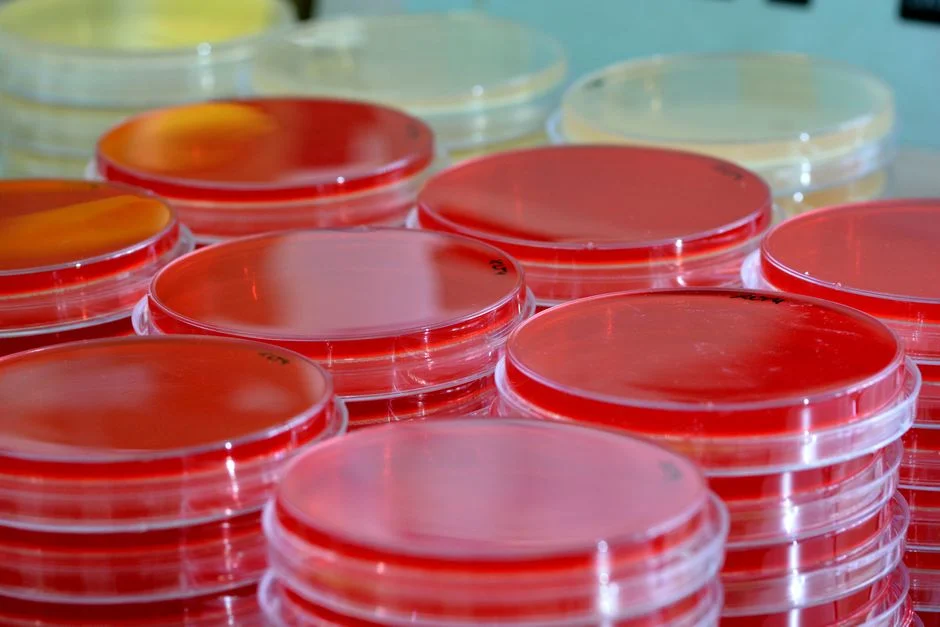
- Biological Micro-pollutants & Pathogens: Antimicrobial-resistant (AMR) bacteria, multi-resistant microbial strains, and viral particles such as Covid-19 that pose severe public health risks if discharged unchecked.
- Disinfectants and Sterilizing Agents: Concentrated surface cleaning formulations, instrument sterilants, and quaternary ammonium compounds that can disrupt downstream biological processes.
- Laboratory Effluents & Reagents: Chemical wastes, stain residues, and heavy metals originating from diagnostic labs and pharmacy operations.
These compounds create point-source hotspots for pharmaceutical emissions, requiring facilities to isolate and treat specific waste streams before they mix with general municipal sewers.
Comparing On-Site Hospital Wastewater Treatment Systems
Selecting an on-site wastewater plant requires matching process mechanics to target discharge standards and physical footprint constraints. Since 2008, integrated waste and wastewater management systems such as Pharmafilter have operated in the Netherlands to process solid waste and wastewater at the source, decontaminating both streams simultaneously. Traditional modular treatment trains combine biological digestion with advanced physical barriers.
An integrated MBR membrane bioreactor system combines activated sludge biological treatment with ultrafiltration or microfiltration membranes. This configuration retains biomass while producing a high-clarity permeate free from suspended solids and large biological pathogens. For facilities with footprint limitations, a compact medical wastewater treatment system provides automated operation and rapid installation. Process engineers should compare MBR, package plant, or sewer options to determine which process architecture meets site hydraulic requirements.
| Discharge route or influent problem | Governing rule or process option | What data settles it |
|---|---|---|
| Direct sewer discharge containing active pharmaceuticals | Integrated waste and wastewater management combined with MBR and advanced oxidation | Laboratory characterization of pharmaceutical micro-pollutants and local water authority trade effluent consent limits. |
| High biological hazard and AMR pathogen load | Membrane bioreactor paired with ozone or chemical disinfection stages | Microbial swab assays, viral load testing, and target log-reduction specifications. |
| Non-potable water recycling requirement | Ultrafiltration (UF) paired with reverse osmosis and secondary sterilization | Daily non-potable volume requirements (m³/day) and required effluent reuse purity standards. |
Selecting Your Hospital Wastewater Disinfection System
Disinfection forms the final barrier against pathogen dissemination in UK healthcare water treatment. Primary biological and membrane steps remove suspended solids and bacteria, but destroying multi-resistant microbial strains and viruses requires targeted chemical or physical disinfection methods.
- Ozone Disinfection: Provides rapid oxidation of complex pharmaceutical molecules and high kill rates for viruses and bacteria without leaving persistent chemical residuals in the final discharge.
- Chlorine Dioxide Generation: Delivers broad-spectrum microbial control and biofilm removal across effluent plumbing without generating excessive chlorination byproducts.
- UV Sterilization: Provides chemical-free physical disinfection that damages pathogen DNA, effectively neutralizing chlorine-resistant microorganisms when applied to low-turbidity permeate.
Integrating dedicated pathogen removal systems upstream prevents multi-resistant strains from mixing into public infrastructure, protecting municipal treatment systems and receiving water bodies.
Benefits of Advanced On-Site Treatment and Water Recycling
Deploying specialized UK healthcare water treatment delivers immediate operational, clinical, and environmental advantages.
- Environmental Protection: On-site decontamination prevents pharmaceuticals, contrast media, and AMR bacteria from reaching surface waters, safeguarding aquatic ecosystems and downstream drinking water supplies.
- Enhanced Antibiotic Stewardship: Eliminating active antibiotic residues at the hospital boundary removes a driver of environmental antimicrobial resistance.
- Water Recycling and Cost Savings: Advanced membrane and oxidation systems decontaminate effluent sufficiently to enable up to 70% water recycling for non-potable applications such as toilet flushing or cooling towers.
- Improved Staff and Patient Safety: Integrated systems that process ward-level waste via automated transport networks reduce manual handling of hazardous material, diminishing needle stick injuries and cross-contamination risks.
- Operational Efficiency: Automating waste and wastewater decontamination reduces internal transport, waste storage buffering, and off-site transport logistics.
Critical Inputs for Your UK Hospital Wastewater System Quotation
Obtaining an accurate equipment proposal requires providing comprehensive engineering specifications to system designers. Reviewing a detailed hospital wastewater treatment engineering guide helps facility teams compile required baseline metrics.
| Quote line item | Technical scope to specify | Red flags to check before signing |
|---|---|---|
| Primary treatment & MBR module | Peak and average flow rates (m³/day, L/h), membrane pore size, flux rates, and automated CIP frequency | Sizing plant capacity solely on average flow without accounting for peak hourly discharge surges. |
| Advanced oxidation & disinfection unit | Ozone dosage (mg/L), UV transmissivity (% UVT), contact time, and target log-reduction values for AMR strains | Omission of target kill rates for specific hospital pathogens or lack of residual oxidant destruction steps. |
| Recycling & monitoring package | Permeate polishing stages, storage capacity, and automated online quality monitoring loops (TOC, turbidity, conductivity) | Absence of automated diversion valves linked to turbidity or conductivity alarms to prevent off-spec discharge. |
Engineering teams must also supply complete characterization data including Chemical Oxygen Demand (COD), Biochemical Oxygen Demand (BOD), Total Suspended Solids (TSS), pH range, and spatial constraints for plant footprints.
Frequently Asked Questions
What factors determine the overall cost of installing a hospital wastewater treatment system in the UK?
Equipment capital expenditure and ongoing operational costs depend on daily wastewater volume (m³/day), influent contaminant concentrations, required effluent purity standards, and physical site constraints. Buyers should request an itemized proposal detailing membrane replacement intervals, energy consumption per cubic meter treated, chemical dosing volumes, and routine maintenance requirements rather than relying on generalized estimates.
How should healthcare facility managers select a vendor and verify system compliance?
Facility managers should evaluate suppliers based on verified pathogen log-reduction performance, previous healthcare project references, equipment warranty terms, and local technical support availability. Before contracting, buyers must request pilot-testing data or certified third-party validation confirming the technology removes target pharmaceuticals and AMR pathogens to meet local trade effluent requirements.
Why are standard municipal wastewater plants insufficient for hospital effluent?
Municipal facilities use conventional biological processes designed primarily for municipal sewage degradation, not for complex synthetic pharmaceuticals or concentrated disinfectants. Research shows that up to 90% of active pharmaceutical ingredients can pass through standard municipal plants unchanged, making dedicated on-site treatment essential for removing hospital-specific pollutants at the point of origin.
Can treated hospital wastewater be safely reused on-site in United Kingdom healthcare facilities?
Yes, when treated through advanced multi-stage processes such as MBR, ultrafiltration, and advanced oxidation or UV sterilization, effluent quality allows up to 70% water recycling. The purified water can be safely repurposed for non-potable hospital applications including boiler feed, cooling tower makeup, and toilet flushing, provided automated continuous monitoring safeguards quality.