Choose the Treatment Route from the Wastewater Duty
Dissolved air flotation (DAF) is suitable when mine wastewater requires the separation of fine suspended solids, colloids, precipitates, or floatable material, especially where a compact clarification stage is needed. Applications include vehicle-washing water, acid mine drainage neutralization, and high-rate solids/water separation. A documented Chilean copper-mine installation used a 450 m³/hr (2,000 gpm) DAF system, Stainless Steel 316 fabrication, and Seismic zone 4 compliance. Selection depends on representative water analysis, peak flow, treatment objectives, discharge or reuse limits, footprint, and seismic requirements; DAF alone does not establish final regulatory compliance.
DAF, also called pressure flotation or flotation with microbubbles, separates material by attaching bubbles to particles that rise to the surface. It is distinct from a gravity or lamella clarifier, which relies primarily on particle settling. In the documented Chilean train, thickener overflow and scrubber wastewater were combined; scrubber wastewater underwent H₂S precipitation through prior ferrous sulfate oxidation, solids were removed in a lamella plate settler, and DAF then removed fine dispersed solids before discharge. That sequence demonstrates when DAF serves as a polishing clarification step rather than a substitute for upstream precipitation and settling.
Do not use DAF as the sole treatment route for dissolved metals or other dissolved contaminants unless a validated process demonstrates their removal. Biological treatment, neutralization, precipitation, oxidation, or another unit may also be required. Identify the discharge or reuse route and applicable limits before selecting the equipment.
| Discharge route or influent problem | Governing rule or process option | What data settles it |
|---|---|---|
| Fine suspended solids, colloids, precipitates or emulsified oil | Evaluate DAF as a clarification route, with chemical conditioning defined by the wastewater. | Representative particle-size distribution, suspended-solids concentration, oil and grease analysis and settling or flotation test results. |
| Dissolved metals, acidity or other dissolved contaminants | Use a validated chemical, biological or combined route; DAF is not, by itself, proof of dissolved-contaminant removal. | Full water analysis, treatment objective and the applicable mine-specific discharge or reuse limits. |
| Heavy solids load followed by fine dispersed solids | Consider upstream settling followed by DAF, as in the documented Chilean precedent. | Mass and hydraulic loading, stream-combination rules, sludge characteristics and required final-water quality. |
| Space-constrained clarification with floatable material | Compare DAF with a lamella or gravity clarifier using the same water, footprint and solids-handling basis. | Site plan, available footprint, peak flow, required separation and downstream sludge route. |
For the upstream solids-removal comparison, request a high-efficiency sedimentation tank assessment and require each alternative to meet the same clarified-water objective.
Size the DAF Around Peak Flow and Solids Loading
Size systems from the complete hydraulic and solids-loading profile rather than average flow alone. Obtain average and peak hourly flows, flow-duration data, operating shifts, batch discharges, recycled water, and any storm or upset contribution. Obtain a representative analysis covering suspended solids, particle-size distribution, oil and grease, pH, metals, and process-specific contaminants. Because research does not provide a typical Chilean mine dataset, these are mandatory buyer inputs rather than assumptions to be filled by a supplier.
Academic reviews cite a broad DAF treatment range of 100–20,000 m³ h⁻¹, but this is not a selection range for an individual plant. The Chilean reference establishes one precedent: FRC Systems International was contracted to manufacture and deliver a 450 m³/hr (2,000 gpm) DAF mining wastewater treatment system for Minera Doña Ines de Collahuasi. It does not establish the capacity, loading rate, or performance required at another mine.
- Define the design and peak flows, including combined and bypassed streams.
- Measure solids concentration, particle-size distribution, and the contaminants that may affect conditioning or flotation.
- Define the required clarified-water quality and applicable limit.
- Confirm chemical conditioning, recycle-flow demand, available footprint, and skid arrangement.
- Use representative samples or a pilot study to validate the selected configuration and loading.
Request the supplier to identify every calculated assumption, including hydraulic loading, recycle ratio, air-saturation basis, and sludge yield. If site data are incomplete, mark the equipment capacity as provisional and do not compare quoted prices as if the scopes were equivalent.
Compare configurations using the industrial DAF system for mining wastewater only after confirming the process basis and utility requirements.
Specify the Equipment for Chile Site Conditions
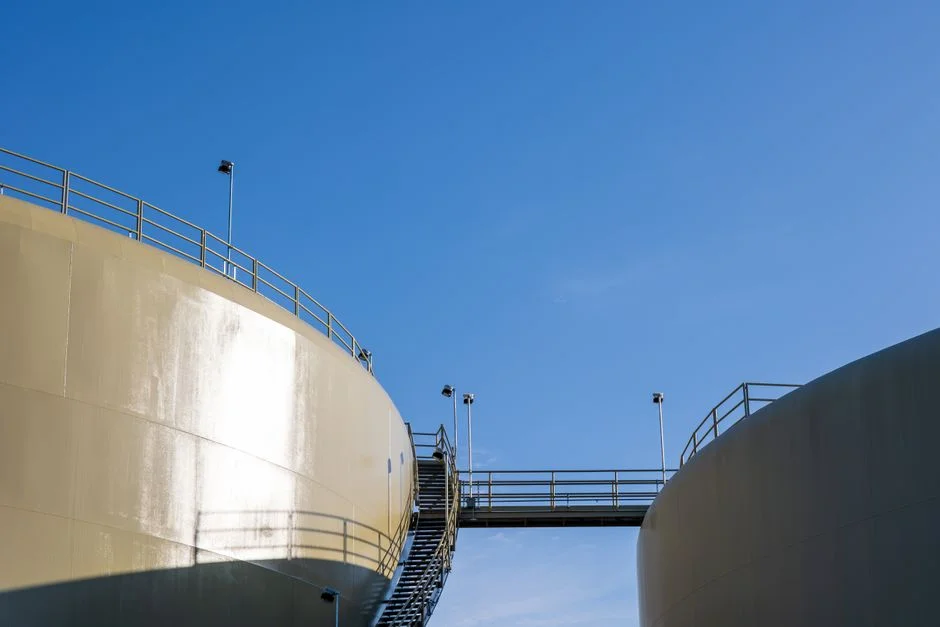
Require seismic compliance to be a documented quotation item, not a general statement that the equipment is “suitable for Chile.” For the referenced copper-mine installation, the supplier stated that the DAF needed to comply with Seismic zone 4. Ask for the seismic classification used for the actual site, the applicable Chilean requirement, and the supporting design or certification documents. The historical installation is evidence of a project precedent, not proof that every Chilean mine has the same classification.
Specify construction materials against the site’s corrosion assessment and design basis. The documented Chilean DAF was fabricated from Stainless Steel 316. Where that grade is required, state it expressly in the quotation and identify wetted parts, structural supports, fasteners, piping, and coating requirements. Also state whether replacement or alternative materials require owner approval.
For the flotation mechanism, define bubble-generation method, saturation pressure, recycle-pump arrangement, nozzle distribution, contact zone, float-scraping mechanism, sludge hopper, controls, and utilities. Academic research describes mining DAF using microbubbles of 30–100 μm and notes that DAF units operate at pressures above 3 bar because microbubble formation at saturation pressures of 3 bar or less is limited. These are process considerations, not a universal operating specification; the supplier must calculate the operating point for the selected design.
Specify chemical dosing as a separate interface. If pretreatment is required, request an automatic chemical dosing system for DAF pretreatment scope covering chemicals, metering, mixers, controls, containment, and verification of the dose.
Keep local electrical requirements, installation, service, commissioning, training, documentation, and spare parts separate from process performance. Otherwise, quotations can appear comparable while excluding different portions of the project cost and risk.
Build a Comparable Quotation and Acceptance Checklist
Compare offers line by line against the same process basis, site inputs, and boundary conditions. Require each supplier to identify assumptions, exclusions, performance guarantees, and the evidence needed to demonstrate them. Because research does not establish a universal total suspended solids limit for Chilean mining wastewater, the site owner must provide the applicable limit rather than leave it to the equipment supplier.
| Quote line item | Technical scope to specify | Red flags to check before signing |
|---|---|---|
| Process and hydraulic guarantee | Design flow, peak flow, solids loading, influent and effluent basis, recycle requirement and stated test method. | No flow profile; unspecified influent; guarantee based on clean water; excluded chemical dosing. |
| Seismic design | Site classification, governing requirement, calculation or certification reference, anchorage and support scope. | “Chile approved” without documents; seismic items excluded; anchors treated as site work without responsibility. |
| Fabrication and materials | Named material grades for wetted parts, structure, piping and hardware; coatings and corrosion exclusions. | Grade or component omitted; substitute material allowed without approval; tank and piping scopes inconsistent. |
| Controls and utilities | Power supply, control philosophy, instruments, air and water demand, recycle pump, sludge-valve arrangement and utility connections. | Utilities listed as “by others” without interfaces; no control narrative; operating consumption undefined. |
| Installation and commissioning | Transport, positioning, mechanical completion, connections, electrical work, training, trial run, sampling and handover. | Installation boundary unclear; owner labor omitted; performance test not linked to handover. |
| Performance acceptance | Test protocol, representative samples, operating period, analytical methods, acceptance criteria and remedy for failure. | No test method; guarantee tied to unrealistic influent; remedy and retesting responsibilities omitted. |
| Documents and spares | Drawings, calculations, manuals, certificates, seismic records, source-code or control access where required, and recommended spares. | Document list absent; proprietary control lock-in; no start-up support or consumables identified. |
Use the best DAF unit selection framework to structure technical review, and resolve every open input before comparing commercial offers.
Plan Commissioning and Operating Controls
Make commissioning a measured acceptance process rather than a single water-clearance demonstration. Include startup, shakedown, chemical-dose adjustment, recycle-flow tuning, saturation checks, float-removal verification, sludge-withdrawal checks, and clarified-water sampling. Record the influent condition during each test because a performance claim without its wastewater basis is not comparable.
Monitor hydraulic loading, recycle flow, saturation conditions, float behavior, and sludge consistency during operation. Academic reviews identify smaller footprint, thicker sludge, rapid startup, and operational reliability among DAF advantages, but those benefits depend on correct conditioning, equipment design, and operating control. The DAF troubleshooting guide is useful for defining checks after startup.
Define the mining wastewater sludge route before acceptance. A surface scraper removes float from the DAF, but that does not establish final disposal or dewatering readiness. Coordinate sludge characteristics, withdrawal, storage, and transfer with the selected dewatering route; assess a plate-and-frame filter press only as part of that broader route.
Retain operating records with the commissioning file so the owner can distinguish normal startup adjustment from an unresolved process or mechanical issue.
Frequently Asked Questions
What information is needed before comparing DAF quotations for mining wastewater?
Request the complete flow profile, representative wastewater analysis, and treatment objective from the mine’s environmental or process engineer. These inputs establish hydraulic and solids loading, identify contaminants affecting DAF performance, and reveal whether upstream treatment or a different discharge route is required. Compare quotations only after all suppliers use the same basis.
What Chile-specific seismic and construction information should the DAF supplier provide?
Ask for the seismic classification used for the actual site, the applicable requirement, supporting calculations or certification, anchorage details, and a fabrication schedule identifying materials and wetted components. Seismic zone 4 compliance and Stainless Steel 316 construction are documented features of one Chilean copper-mine precedent, not universal rules for every site.
How much should a DAF system for mining wastewater cost?
Research provides no supported quotation for Chilean mining DAF equipment, so no defensible price can be stated here. Request itemized prices for the DAF skid, controls, recycle system, chemical conditioning, seismic documentation, freight, installation, commissioning, training, spares, and performance testing. Require the supplier to state exclusions and validity conditions so that budget comparisons reflect the same scope.
What should be included in the performance guarantee and delivery scope?
Require a guarantee tied to a stated design flow, influent quality, clarified-water objective, and analytical test method. The quotation should also identify the test period, commissioning responsibilities, acceptance remedy, delivery boundary, electrical and utility interfaces, documentation, training, installation scope, and spare parts. The site owner supplies representative samples, flow records, and applicable limits; the DAF supplier supplies equipment design, process calculations, seismic documentation, and commissioning procedures.
For the broader route comparison, use the DAF versus clarifier for mining wastewater assessment before finalizing the process selection.