Choose DAF by the contaminant and treatment objective
For a Lesotho industrial site, select dissolved air flotation (DAF) as the primary process when the objective is removing suspended solids, colloids, oil and grease, or floatable contaminants; use it as pretreatment before biological treatment when biodegradable dissolved organic load remains; and add membrane treatment only where the discharge or reuse objective requires it. The deciding evidence is the wastewater characterisation, final water route and site flow data—not generic DAF performance figures.
DAF uses fine air bubbles to lift suspended and chemically flocculated material to the surface, where it is skimmed as float. This makes it relevant to settleable solids, colloids, fibres, fats, oils and other floatable material. Coagulation and flocculation improve the separation by aggregating particles that would otherwise remain dispersed. The DAF system engineering specifications explain why recycle, pressurisation, chemical conditioning and sludge removal must be considered together.
DAF is not automatically a complete treatment plant. In one tannery installation, the DAF system achieved removal of up to 90% of COD and suspended solids, with an average effluent COD of 1,004 mg/l based on daily sampling in the first quarter 2009, according to LeatherMag. That source-specific result is not a Lesotho guarantee and does not establish compliance with a local discharge or reuse requirement.
| Discharge route or influent problem | Governing rule or process option | What data settles it |
|---|---|---|
| Suspended solids, colloids, fibres, oil and grease dominate | Consider DAF, with chemical conditioning where testing shows it is required. Fine bubbles lift separated material for skimming. | Representative COD, BOD5, suspended solids, pH, turbidity, oil and grease, colloid and dissolved-solids results across production and cleaning cycles. |
| Biodegradable dissolved organic load remains after physical separation | Use DAF for solids and fat removal before anaerobic or aerobic biological treatment, rather than treating DAF as the sole biological-stage substitute. | BOD5, COD, nutrients, biodegradability information and the required final effluent quality. |
| Reuse or discharge requires further solids separation | Consider a biological or membrane route only after establishing the required water quality and controlling upstream fouling risks. | The reuse application, intended quality, final discharge destination and applicable authority or sewer-entry conditions. |
| Final limits have not been established for the site | Do not convert a published DAF result into a project guarantee. Obtain the applicable Lesotho conditions and set acceptance criteria against them. | Written discharge route, authority conditions, permit or sewer-entry requirements and, where relevant, a signed performance specification. |
Build the treatment train around peak flow and equalization
Size the treatment train from the complete flow profile, not average flow alone. Request average flow, peak flow, production shifts, batch discharges and cleaning-water flows. Equalization should smooth flow and load variation, prevent anaerobic conditions, and protect downstream pumps and treatment units from shock loads.
Place screening ahead of DAF where rags, fibres, plastics or coarse solids could obstruct the saturator, recycle pump or nozzles. The equipment scope can be checked against the rotary mechanical bar screen option, while the supplier must confirm the selected aperture, duty, installation method and solids-disposal route.
Use source-specific pretreatment only where characterisation identifies a material hazard or inhibitor. LeatherMag describes separate sulphide oxidation for tannery unhairing and liming streams before those streams are combined. The reported process aerates spent lime liquors for 5 to 8 hours in the presence of a catalyst such as manganese sulphate. At Articulos de Piel los Favoritos, sulphide was reduced from 1,100 mg/l S2– to 0.19 mg/l after completion of 8 hours of oxidation. This supports the sequencing principle; it does not establish treatment time or performance for another site.
Equalization and conditioning should also define how pH adjustment, coagulant and flocculant dosing are controlled. Request the chemical basis, target operating range, storage arrangement, duty-standby philosophy and confirmation of residuals entering any downstream biological or membrane process. The best DAF unit selection framework for industrial wastewater provides a useful structure for comparing those elements.
Match the downstream process to the final water route
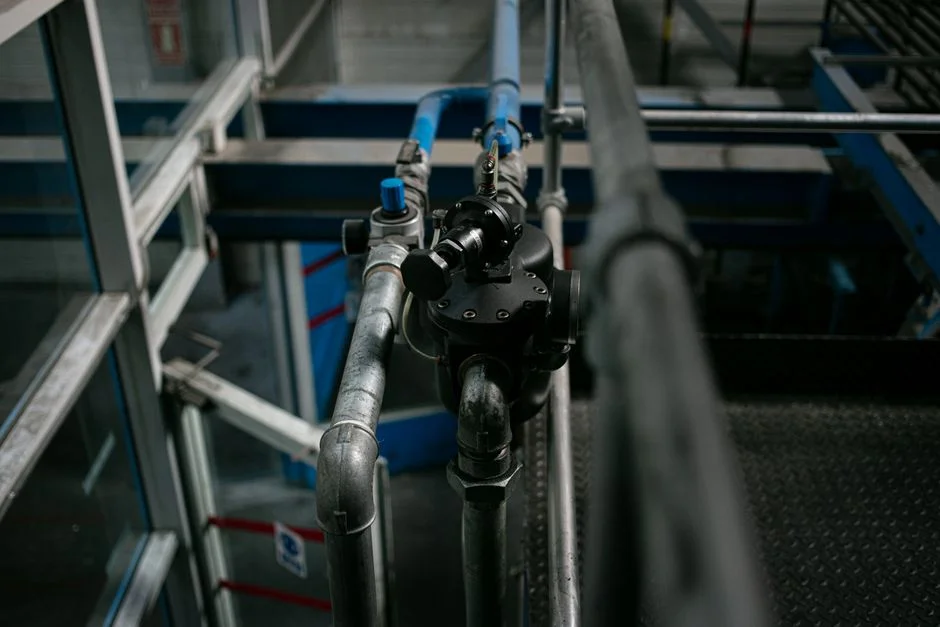
Match downstream treatment to the pollutant and the intended use of the treated water. DAF is most defensible as physical or physicochemical pretreatment when suspended solids, colloids or oils could inhibit downstream treatment. It does not remove the need for biological treatment where the objective includes biodegradable dissolved organic load.
CondorChem states that dairy wastewater may require anaerobic or aerobic biological treatment after separation of suspended solids and fats. The same source notes that physical or physicochemical pretreatment may be needed to remove contaminants that inhibit biology. It also identifies ultrafiltration after flotation as a route for further oil and fat removal, while warning that solids entering a flotation system can cause fouling and clogging.
Timing should support process selection, not replace sizing. Cheneng Water reports that a well-designed DAF unit clears solids in 20 to 60 minutes, compared with four to eight hours for a gravity clarifier treating the same flow. The comparison is source-specific and does not establish Lesotho plant performance.
Membrane treatment should be selected only when the required quality or reuse target justifies it and the pretreatment controls membrane fouling. The RFQ should distinguish an integrated membrane wastewater treatment system from an ultrafiltration system, identifying the required separation objective rather than relying on product names alone.
Before selecting the final route, obtain the discharge destination, applicable authority or sewer-entry conditions, and any reuse specification. The available information does not verify Lesotho-specific obligations for this plant, so those documents must be identified by the site’s environmental or compliance contact before contractual performance limits are set.
Turn the selected route into an RFQ and acceptance plan
Make the quotation traceable to site conditions. Require the supplier to state design flow, operating flow, peak-flow treatment, wastewater-characterisation basis, treatment objective and discharge route. Any guaranteed value should follow pilot testing or representative testing on the actual industrial effluent; published case-study results are comparison evidence, not project guarantees.
| Quote line item | Technical scope to specify | Red flags to check before signing |
|---|---|---|
| Influent and flow basis | Average and peak flow, batch and cleaning contributions, production schedule, representative analytical results, sample dates and sampling points. | No stated wastewater basis, reliance on average flow only, or no explanation of how batch discharges affect treatment. |
| Equalization and screening | Equalization duty, mixing and aeration strategy, screening, solids removal, odour control, access and site utilities. | Equalization omitted without an alternative peak-flow strategy, or no route for screenings. |
| Chemical conditioning and DAF | pH adjustment, coagulant and flocculant dosing, mixing, recycle, flotation, scum removal, instrumentation and controls. | Chemical doses are guaranteed without tests, or the automatic coagulant and pH dosing system is excluded without a manual alternative. |
| Downstream treatment | State whether biological treatment, membranes or another route are included; define the treated-water quality and reuse or discharge basis. | DAF is presented as a complete biological solution, or membrane performance is promised without a fouling-control strategy. |
| Sludge handling | Sludge collection, thickening or storage, dewatering, discharge or disposal route, and residual-liquid handling. | No sludge route, or sludge dewatering omitted while the quotation implies complete plant performance. Compare the plate-frame filter press option against the actual sludge characteristics. |
| Acceptance and handover | Define flow verification, representative treated-water sampling, sludge removal checks, automatic-control tests, utility consumption, documents, training and spare parts. | Acceptance is limited to visual inspection, or no sampling protocol, test duration, detection method or remedy for failure is stated. |
| Equipment and warranty | Identify the offered industrial dissolved air flotation system, materials, corrosion allowance, utilities, spares and warranty. | Equipment scope is generic, key exclusions are unnamed, or performance and warranty are tied to unrepresentative test wastewater. |
Obtain comparable quotations using the same influent data, route, treatment objectives, testing protocol and boundary limits. This gives the buyer a defensible technical and commercial comparison rather than a comparison between different plant scopes.
Related Equipment
- industrial dissolved air flotation system — specifications, capacity range, and technical data
Further Reading
- DAF system engineering specifications
- comparison of DAF, MBR and packaged industrial effluent plants
Frequently Asked Questions
Can a DAF system treat an entire industrial effluent stream?
Sometimes, but only if testing and the final water route show that physical or physicochemical separation meets every required objective. If biodegradable dissolved organic load remains, specify biological treatment after DAF. If the reuse specification requires additional solids separation, assess a membrane stage and control its pretreatment requirements.
Which samples, flow records and discharge documents are needed for sizing?
Request representative samples across production and cleaning cycles, together with average and peak flow records, production shifts and batch-discharge details. The analytical package should cover COD, BOD5, suspended solids, pH, turbidity, oil and grease, colloids and dissolved solids. Also obtain the discharge destination, applicable authority or sewer-entry conditions, reuse target, footprint, utilities, installation access and site elevation.
What should a DAF quotation include, and which exclusions create risk?
The quotation should clearly include or exclude screening, equalization, mixing, pH adjustment, coagulant and flocculant dosing, DAF, recycle, aeration, sludge removal, controls and downstream treatment. Ask each supplier to price exclusions explicitly. An unstated peak-flow strategy, undefined chemical conditioning, omitted sludge route or unsupported performance promise can change installation cost and operating performance.
How should supplier acceptance criteria be compared without treating case studies as guarantees?
Require the same acceptance protocol from each supplier: representative influent, defined sampling points and frequency, analytical methods, flow conditions, utility measurement and remedies for failure. If project guarantees are required, first obtain pilot or representative testing. Use published results only to identify process potential and supplier experience, not as guaranteed Lesotho acceptance values.