Start with the discharge route and site constraints
For a hotel in Honduras, compare a municipal sewer connection, a buried A/O package plant and an MBR system using the same site inputs: flow, wastewater quality, available land, receiving route, reuse targets, sludge handling and operating capability. A sewer is usually the first option to verify, while a package A/O plant suits many decentralized hotel duties and MBR adds compact treatment and reuse potential. Do not choose from a generic catalogue capacity alone. The available research confirms that sewage pollution can affect tropical reef communities, but it does not establish a current Honduran discharge limit or permit authority. Obtain local requirements and site data before fixing the route or issuing an RFQ.
The governing decision is not “Which package is smallest?” It is “Which route can lawfully receive the hotel’s wastewater at the actual design flows and water quality?” First ask the utility or relevant local authority for written confirmation that a compliant sewer connection is available and identify connection requirements, capacity constraints, charges and pretreatment obligations. Separately establish whether direct discharge is permitted and whether treated water will be reused on site.
The receiving environment must be investigated rather than assumed. Ocean & Coastal Management identifies nitrogen from human sewage as a major pollution threat in tropical coastal ecosystems, including coral-reef and seagrass habitats. Research on poorly flushed tropical lagoons and bays also associates sewage pollution with major changes in species composition and abundance. These findings justify receptor assessment, but they do not establish a current Honduran numerical effluent limit. Request the applicable permit conditions from the competent Honduran authority and the environmental requirements for the identified receiving point.
Before selecting equipment, obtain the hotel’s design occupancy, daily and peak flow, wastewater characterization results, available footprint, soil and groundwater conditions, flood level, electrical supply, operating staffing, sludge-disposal route and remote-monitoring requirements. See Honduras effluent treatment and DAF selection for related site-specific due diligence, while keeping the hotel’s sewage route and permitting evidence separate.
Compare sewer, A/O and MBR treatment routes
Compare all four routes against the same destination, site and operating criteria. A sewer transfers treatment responsibility to the utility but does not remove the need to confirm capacity, connection requirements and local obligations. A buried A/O package plant combines biological treatment with clarification and disinfection in a decentralized installation. An MBR system separates membrane filtration from biological treatment and may suit tighter effluent or reuse objectives. A hybrid route should be selected only where its additional equipment or existing infrastructure solves a documented site constraint.
| Discharge route or influent problem | Governing rule or process option | What data settles it |
|---|---|---|
| Municipal sewer is available | Use the sewer route if the utility confirms an acceptable connection and the hotel’s discharge can meet its requirements. | Written utility confirmation, available sewer capacity, connection standard, applicable charges and any pretreatment obligation. |
| No sewer or off-site route is confirmed | Evaluate a buried A/O package sewage treatment plant for decentralized biological treatment, clarification and disinfection. | Average and peak wastewater flows, test results, footprint, soil bearing, groundwater, flood level and effluent destination. |
| Treated-water reuse is required or land is constrained | Evaluate an MBR wastewater treatment system against the required effluent and reuse application. | Reuse target, membrane-feed quality, available footprint, electrical supply, operator capability and maintenance access. |
| Existing treatment assets or mixed discharge needs must be retained | Define a hybrid route only by naming each treatment stage, flow path and final destination. | Existing asset condition, hydraulic profile, redundant treatment requirements, ownership boundaries and measurable performance duties. |
Use A/O versus MBR treatment for hotel projects and hotel sewer, A/O and MBR route comparison as comparative background, not as substitutes for Honduran site data or permit verification.
Build the hotel wastewater design basis
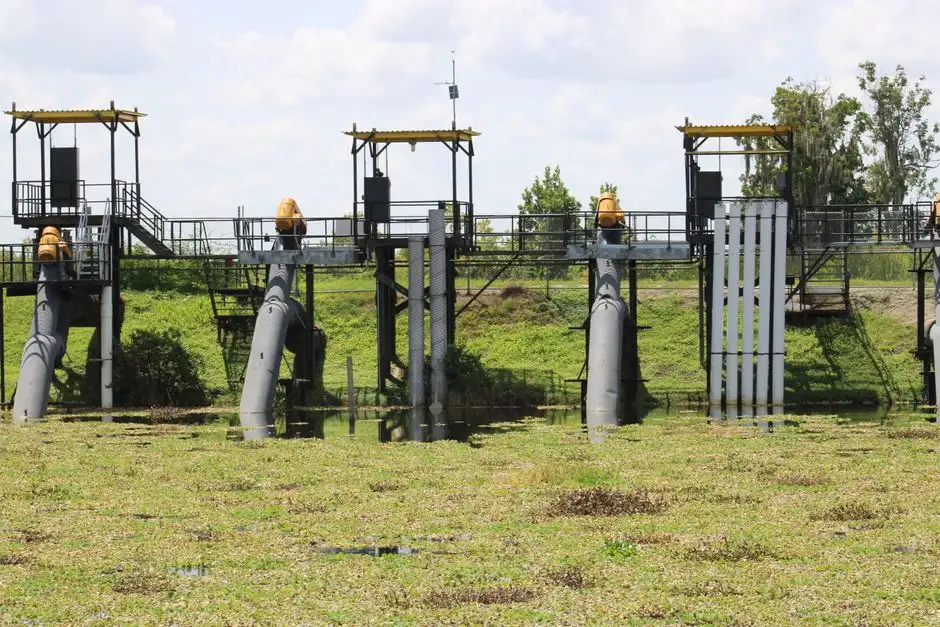
Convert procurement assumptions into a fillable site-input form. The design basis should be complete enough for bidders to price the same duty, distinguish design exclusions and expose unresolved assumptions.
- Occupancy and flow: Record design occupancy, operating season, average daily flow, peak flow, diurnal pattern and whether kitchen, laundry or pool backwash flows enter the sewer.
- Wastewater quality: Obtain test results for COD, BOD, suspended solids, fats, oils and grease, pH and nutrients. A flow estimate from occupancy alone is not sufficient characterization.
- Site and installation: Record available footprint, maintenance access, burial depth, soil bearing conditions, groundwater, flood level and landscaping constraints.
- Service objectives: Define required effluent quality, intended reuse application, receiving point, sludge destination, operating staffing and remote-monitoring requirement.
Issue the same form to every bidder and require deviations to be returned separately. That makes omissions visible: a low equipment price may exclude civil works, pumping, controls, power upgrades or disposal, while a quoted capacity may not reflect the hotel’s peak-flow basis. Use the technical background in the hospital treatment route comparison and industrial effluent route comparison to sharpen technical questions, not to infer a legal discharge standard.
Prepare a quotation-ready technical scope
Require bidders to submit equivalent, separately priced scopes so that a lower base price does not conceal exclusions. Each proposal should state design flow, treatment process, duty cycle, process stages, materials, controls, instrumentation and supplied accessories. State the required effluent and reuse targets, sampling points, test methods, test duration and acceptance authority without inserting an unverified Honduran discharge limit.
| Quote line item | Technical scope to specify | Red flags to check before signing |
|---|---|---|
| Treatment equipment | State design and peak flow, process stages, duty cycle, treatment objectives, materials and all included treatment components. | Capacity quoted without flow assumptions, undefined treatment stages or performance guarantees unsupported by stated test conditions. |
| A/O package scope | Confirm that biological contact oxidation, sedimentation and disinfection are integrated in the supplied package and identify the flow path. | Omitted clarification or disinfection, unavailable replacement media, or treatment claims based only on nominal equipment capacity. |
| MBR package scope | Confirm membrane system, aeration, controls, cleaning provisions, replacement responsibility and stated operating envelope. | Unclear membrane life, omitted cleaning equipment or replacement terms that are later treated as bidder exclusions. |
| Civil and installation works | Price excavation, foundations, pipework, access, electrical supply, controls and site restoration as explicit line items. | Generic exclusions for “civil works” without quantities, responsibilities, assumptions or a stated site allowance. |
| Sludge handling | Define extraction, storage, transport and final destination, including who owns each step. | No named destination, no disposal frequency or an assumption that sludge disappears through the treatment process. |
| Commissioning and handover | Price installation checks, wet commissioning, performance testing, operator training, manuals, as-built drawings, spares, warranty and remote support. | Commissioning or training omitted, acceptance criteria undefined, or handover made dependent on an unresolved permit. |
For other examples of tender scoping, use the Sioux City base-bid and alternate approach and Godwin pump-maintenance contract structure only as documentation-context examples. They do not supply Honduran requirements.
Verify commissioning and operating acceptance
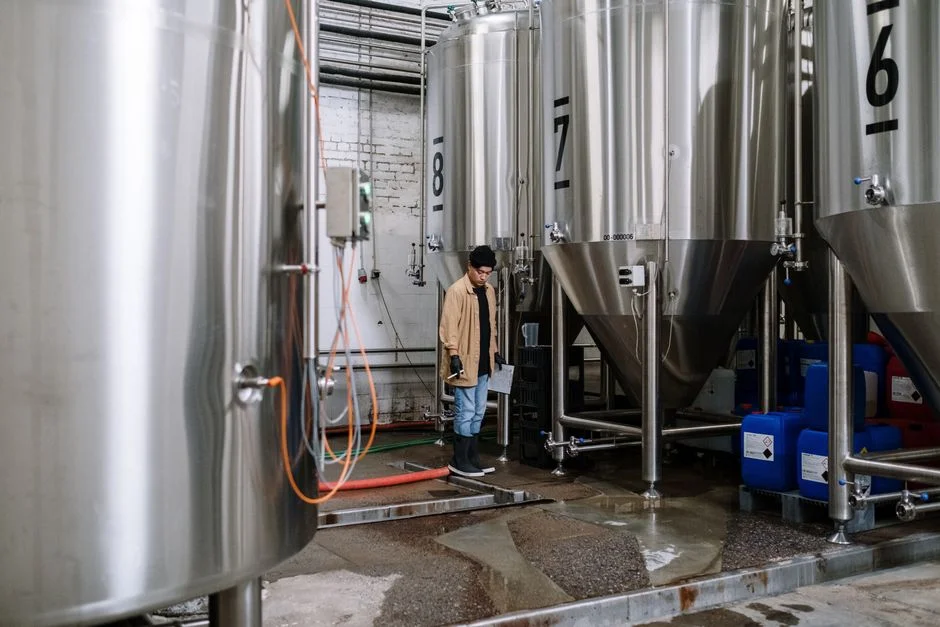
Acceptance should be an evidence-based handover, not a visual demonstration. Require installation and leak checks, electrical and control testing, equipment rotation, alarm testing and a structured wet-commissioning protocol. Performance sampling must reflect the contracted flow and wastewater conditions, with results compared against the project-specified effluent criteria and, where applicable, reuse requirements.
Define the handover pack before signature: operating manuals, as-built drawings, PLC settings, spare-parts lists, maintenance schedules and operator-training records. Agree sludge-disposal frequency, maintenance access, membrane-cleaning or replacement responsibilities and remote-monitoring arrangements in the contract rather than leaving them to site practice.
Do not include power-generation benefits in the base quotation without a site-specific proposal. International Plasma Technology Center describes sewage-sludge gasification, syngas and downstream power conversion, and reports a calorific value of about 12 MJ/kg for biosolids from 16,000 publicly owned wastewater treatment plants. That commercial excerpt does not establish hotel-scale applicability, so it should not justify an allowance in the hotel RFQ.
Use the flow and level-sensor tender example to check instrumentation scope and the commissioning-requirements example to structure records, while requiring site-specific test protocols.
Frequently Asked Questions
How should the treatment plant be sized?
Size it from measured wastewater flow characterization, not a catalogue rate or occupancy estimate alone. Require bidders to state average and peak-flow assumptions, occupancy basis, kitchen, laundry and pool-backwash contributions, and the wastewater quality used for the proposal. If those inputs are unavailable, obtain them before comparing capacity claims.
What should be included in the quotation?
The quotation should itemize process equipment, civil and installation works, electrical supply, controls, sludge handling, commissioning, performance testing, training, manuals, spares, warranty and remote support. Ask each bidder to price each item separately and identify exclusions; without a supported quotation, no defensible price comparison can be made.
How should A/O and MBR bids be compared?
Compare bids against the same required effluent or reuse target, influent characterization, footprint, operating resources and acceptance protocol. For A/O, confirm the integrated biological, sedimentation and disinfection scope. For MBR, confirm membrane, aeration, controls, cleaning and replacement terms. Do not use equipment footprint or purchase price alone to decide.
Which compliance items must be verified locally?
Ask the relevant Honduran authority to confirm the discharge or sewer route, permit authority, applicable conditions, monitoring requirements and any connection or pretreatment obligations. The environmental research supports concern about sewage-related nitrogen and ecological effects in tropical waters, but it supplies no current Honduran hotel discharge limit. Include the confirmed permit documents and receiving-point conditions in the RFQ rather than inserting an invented numerical limit.