
Start with the Slovak contamination profile and reuse objective
The immediate decision for a Slovak hospital involves choosing between discharge to the sewer, installing a package treatment plant, or using an MBR-based route with dedicated disinfection. Slovak evidence from healthcare facilities in Bratislava found elevated pharmaceutical concentrations, while broader research identifies antibiotic-resistant microorganisms and viruses in hospital wastewater. MBR and activated-sludge processes can remove pharmaceuticals, but reported performance varies by compound; UV, chlorination and ozone are established virus-disinfection options. Final selection must follow site flow, wastewater composition, reuse target, discharge route, local permit conditions and verified Slovak requirements.
The contamination profile sets the monitoring and treatment scope. Analyses of selected healthcare facilities in Bratislava reported elevated concentrations of pharmaceuticals such as tramadol and midazolam relative to municipal wastewater (S1). Hospital effluent may also contain pharmaceuticals, metabolites, antibiotic-resistant microorganisms and viruses, so solids removal alone does not demonstrate that the selected route addresses the relevant hazards (S1).
Define the intended outcome before comparing equipment: compliant sewer discharge, direct environmental discharge, or reuse. Each route changes the required treatment train, monitoring duty and evidence needed from the bidder. For reuse, specify the application and required water-quality target; for sewer or environmental discharge, obtain the applicable receiving authority or permit criteria from the responsible Slovak authority or sewer operator.
Choose the discharge route before selecting equipment
Testing site constraints against the disposal objective determines the route, rather than assuming that MBR is automatically required. Sewer discharge may be feasible where the sewer accepts the wastewater and the applicable obligations are confirmed. An underground integrated sewage treatment system may suit constrained sites with defined pretreatment objectives. An MBR membrane bioreactor wastewater treatment system becomes more relevant where compact treatment, pharmaceutical control or reuse objectives justify the additional process complexity.
A review of on-site hospital wastewater technologies identifies membrane bioreactors as an alternative with pharmaceutical-removal values higher than 80% in its cited treatment context; this is not a universal performance guarantee (S4). Request the design influent and receiving-sewer or environmental-discharge criteria before choosing a route. The available research excerpts do not establish a Slovakia-wide numerical discharge limit for this duty.
| Discharge route or influent problem | Governing rule or process option | What data settles it |
|---|---|---|
| Discharge to an existing municipal sewer | Confirm connection acceptance, applicable sewer conditions and downstream treatment responsibility with the sewer operator. | Current collection layout, sewer-owner conditions, proposed flow profile, discharge points and any local analytical requirements. |
| Constrained footprint with limited sewer or direct-discharge acceptance | Evaluate an underground package treatment route, with treatment stages matched to the agreed effluent duty. | Available footprint, soil and groundwater conditions, access, utilities, peak flow and confirmed treatment objectives. |
| Pharmaceutical control, reuse objective or stringent footprint constraint | Evaluate an MBR route, including whether additional polishing or disinfection is required. | Site wastewater characterization, compound monitoring, reuse target, operator capability, sludge or membrane-waste handling and verified performance data. |
| Hydraulic peaks materially above the normal hospital wastewater profile | Select equalization and treatment capacity from measured flow data rather than average daily demand. | Continuous flow recording, peak-hour and peak-event profile, storage limits and storm or temporary-discharge conditions. |
Match biological treatment to the wastewater profile
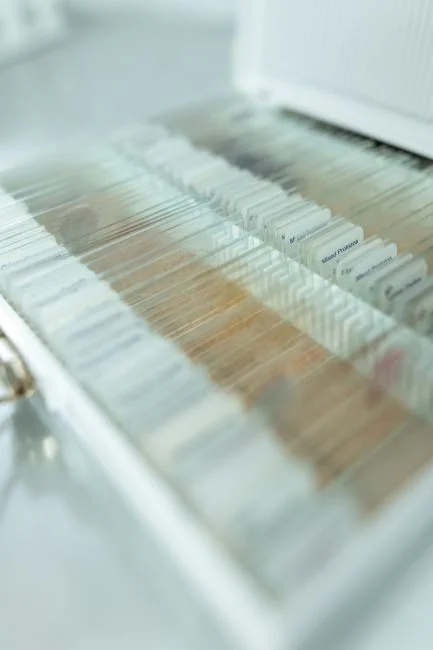
Biological treatment should be justified against the compounds and variability present at the site. The reviewed literature reports pharmaceutical concentrations up to 1.1 mg/L for detected compounds in hospital wastewater (S4). A separate review reports frequently observed concentrations of naproxen at 1.37 mg/L and norfloxacin at 0.561 mg/L in wastewater; these are literature findings, not guaranteed Slovak site values (S5).
Use site sampling to establish whether activated sludge, MBR or a staged hybrid addresses the facility’s compound profile. Review evidence also reports that reverse osmosis, ozonation and activated sludge achieved the best removal efficiency, reaching 99% in the reviewed studies (S5), but that figure cannot be transferred to a plant without comparable influent, treatment conditions and acceptance testing.
Request compound-specific sampling across representative operating periods, supported by routine parameters such as COD, BOD, TSS and pH. Ask the bidder to state which pharmaceutical compounds its proposed treatment is intended to address, provide measured evidence for those compounds, and identify any polishing stage. Do not accept “biological treatment” as an unqualified guarantee for pharmaceutical micropollutant removal.
Where the MBR membrane bioreactor wastewater treatment system is being evaluated, also verify membrane cleaning, integrity testing, replacement provisions and the operating support required from hospital staff.
Select disinfection by target organism and operating constraints
Select disinfection from the required microbial outcome and operating conditions. Chlorination, ultraviolet treatment and ozone are commonly used hospital wastewater disinfection technologies and have demonstrated effectiveness for virus elimination (S1). The permit, tender specification or verified supplier guarantee must define the acceptance requirement; do not invent a log reduction or residual target where none has been supplied.
Compare the routes using chemical supply and storage, operator intervention, footprint, downstream compatibility, power demand and monitoring requirements. The medical wastewater treatment and ozone disinfection system combines multi-stage filtration with ozone disinfection for clinics and other small medical facilities; its suitability must be confirmed against site flow, wastewater profile and required performance.
For a UV-based train, review the UV sterilizer water treatment option for the required reactor configuration and site utilities. For a chlorine-based route, ask the bidder to substantiate the chlorine dioxide generator basis, including generated species, dosing control, chemical supply, residuals and by-product monitoring responsibilities. Those links describe supplier options, not site-specific compliance.
Turn the selected route into an RFQ and acceptance checklist
Make the RFQ conditional on verified site data and confirmed Slovak requirements. State who supplies design flow, peak flow, influent characterization, receiving-sewer or discharge criteria, reuse targets, site surveys and utility data. A quotation that prices equipment before those inputs are confirmed should be treated as budgetary rather than an acceptance-ready offer.
- Issue a site-input form covering average and peak flow, wastewater sources, COD, BOD, TSS, pH, microbiological indicators, pharmaceuticals, available footprint, soil conditions, discharge route, reuse application, electricity, chemicals and operator capability.
- Define the process route and treatment objectives against the receiving authority or sewer-operator criteria.
- Require proof of performance under the agreed influent and effluent conditions, including compound coverage where relevant.
- Define commissioning, monitoring, training, handover, warranty and performance-test conditions.
- List every exclusion, especially pilot work, civil works, utilities, permits, sludge or filter-waste handling, chemical supply, replacement items and off-site disposal.
| Quote line item | Technical scope to specify | Red flags to check before signing |
|---|---|---|
| Design basis and site inputs | Average and peak flow, representative wastewater characterization, discharge route, permit basis, reuse target, footprint and utility requirements. | Equipment capacity stated without a peak-flow profile, analytical dataset or confirmed discharge criteria. |
| Process performance guarantee | Guaranteed outcomes tied to agreed influent and effluent conditions, with pharmaceutical compounds, microbiological indicators and test methods named where relevant. | Literature removal percentages presented as site guarantees, or a guarantee limited to parameters the permit does not regulate. |
| Pilot and reference evidence | Relevant wastewater conditions, treatment configuration, monitoring methods, reference scope and any proposed site pilot. | Synthetic-water results or unrelated hospital projects substituted for evidence matching the proposed duty. |
| Equipment, controls and alarms | Flow equalization, biological stage, filtration, disinfection, PLC, instrumentation, alarm functions, remote monitoring and retained history. | Control scope, alarm list, power requirements or communication protocol left undefined. |
| Commissioning and handover | Installation boundary, testing, operator training, documentation, operating instructions, warranty, spares and maintenance intervals. | Commissioning limited to energization, with no performance test or defined acceptance sampling. |
| Residuals and consumables | Sludge and filter-waste handling, retained-waste removal, chemicals, reagent deliveries, membrane cleaning and replacement responsibility. | Disposal, supply and replacement costs omitted from the price or hidden in exclusions. |
Use the hospital wastewater treatment plant CAPEX and OPEX breakdown to structure the commercial review, but require a quotation tied to the confirmed site inputs. The 30 m³/day hospital dialysis MBR case study is useful as a reference for identifying bid deliverables, not as proof that the same capacity or performance applies to the Slovak facility. For a wider specification check, the hospital wastewater treatment engineering specifications guide can prompt questions on process boundaries and acceptance scope; local Slovak conditions still govern.
Frequently Asked Questions
How should a Slovak hospital choose between sewer discharge, a package plant and an MBR system?
Start with the confirmed discharge route and reuse objective. Use the sewer route only after the sewer operator accepts the connection and applicable conditions; use a package plant when footprint, treatment duties and site constraints support a packaged solution; evaluate MBR where pharmaceutical control, reuse requirements or space constraints justify the additional process scope. Obtain the governing site data before comparing equipment.
Which flow, wastewater and reuse data are required to size the system?
Require measured average flow, peak-hour and peak-event flow, wastewater source inventory, COD, BOD, TSS, pH and the relevant pharmaceutical, antibiotic, coliform, virus and disinfectant-by-product data. Add the intended reuse application and required water-quality target. These inputs establish hydraulic capacity, treatment duty and monitoring scope; no single literature concentration should be used as the Slovak site design value.
What should a supplier include in the quotation and performance acceptance criteria?
Require a complete commercial and technical boundary covering equipment, civil interfaces, utilities, installation, commissioning, training, controls, alarms, monitoring, chemicals, maintenance, spares, sludge or filter-waste handling, warranty and exclusions. Tie performance acceptance to the agreed influent and effluent conditions, named analytical methods and confirmed Slovak permit or sewer requirements. Require pilot or reference evidence for any claimed compound-specific performance.
How can UV, chlorine-based and ozone disinfection be compared without unsupported performance claims?
Compare each option against the specified microbial target, site flow, chemical handling, footprint, power demand, operator capability, residual or by-product monitoring, and compatibility with the selected treatment train. Ask each bidder for verified site-relevant test evidence and state the acceptance method. Until that evidence is agreed, do not assign an unsupported log reduction, residual level or superiority claim to UV, chlorine or ozone.
