Define the Eritrean hotel wastewater design basis
For a hotel in Eritrea, choose a packaged A/O plant when a buried, low-land-footprint system is suitable for normal domestic wastewater, or MBR when tighter effluent quality, water reuse or greater treatment compactness justifies added complexity. Final selection requires verified peak flow, wastewater loads, discharge route, reuse objectives and site conditions. Modular hotel systems can serve between 60–300 people, while containerized extended-aeration plants are used for hotels, resorts and remote sites. Because no cited source establishes an Eritrean hotel-specific effluent limit, permit and receiving-water criteria must be confirmed before ordering.
Measured and documented inputs, not occupancy estimates alone, provide the necessary foundation for plant design. Ask hotel operations staff for average daily wastewater flow, peak hourly flow, occupancy patterns and seasonal variation. Confirm these figures against meter records where available. A reproducible sampling program should then establish domestic sewage characteristics, including COD, BOD, suspended solids, grease loading and pH. These data establish the treatment duty and reveal whether a standard domestic package is adequate.
Next, document the final discharge point or reuse application, the responsible Eritrean authority and the receiving party. Ask each for the applicable effluent criteria, sampling requirements and permit procedure in writing. Do not infer an Eritrean limit from a sewage-treatment project in another jurisdiction.
One Eritrea project includes containerized reverse-osmosis equipment and a 115 m3/day activated-sludge package sewage treatment plant, but that water-treatment equipment does not establish a hotel sewage standard or reuse requirement. For procurement planning, use the separate containerized sewage treatment plant sizing in Eritrea guide as a sizing checklist while keeping the project’s own design basis intact.
- Obtain operating records for daily and peak wastewater flow.
- Collect representative influent laboratory results.
- Confirm the discharge or reuse route with the authority and receiving party.
- Record soil, groundwater, footprint, power and staffing constraints.
Match the discharge or reuse route to treatment
The discharge or reuse route determines the required treatment and verification evidence. A conventional A/O or extended-aeration package may suit domestic wastewater going to a permitted sewer or receiving route, but only after local criteria and site constraints are checked. An comparison of sewer, A/O and MBR routes for hotels provides a process framework; it does not supply Eritrean limits.
| Discharge route or influent problem | Governing rule or process option | What data settles it |
|---|---|---|
| Domestic sewage to a permitted sewer or receiving route | Consider A/O or containerized extended aeration, subject to the applicable discharge criteria and receiving-party conditions. | Obtain the authority’s effluent limits, discharge-point conditions and written route approval, supported by peak-flow and influent-load data. |
| On-site reuse | Define the intended application and required water quality before selecting the core process or any additional treatment. | Request the reuse application, applicable criteria, end-user requirements and proposed validation method. One project included a 35,000 GPD reuse requirement treated as grey water; that figure documents that project only. |
| Odour, nutrient removal or additional water-quality control | Confirm whether disinfection, filtration, nutrient removal or odour control must follow the biological process. | Provide the governing criteria, receiving conditions and site constraint survey; require a complete process train in the quotation. |
Containerized extended-aeration plants are custom-configurable and designed for location-specific requirements. The cited material does not establish Eritrea-specific limits, so every proposed process must be checked against the applicable authority and receiving-water criteria. A facility producing only domestic sewage should not procure disinfection, reuse equipment or nutrient-removal stages as generic features; define each addition against a documented requirement.
Compare A/O, containerized aeration and MBR systems
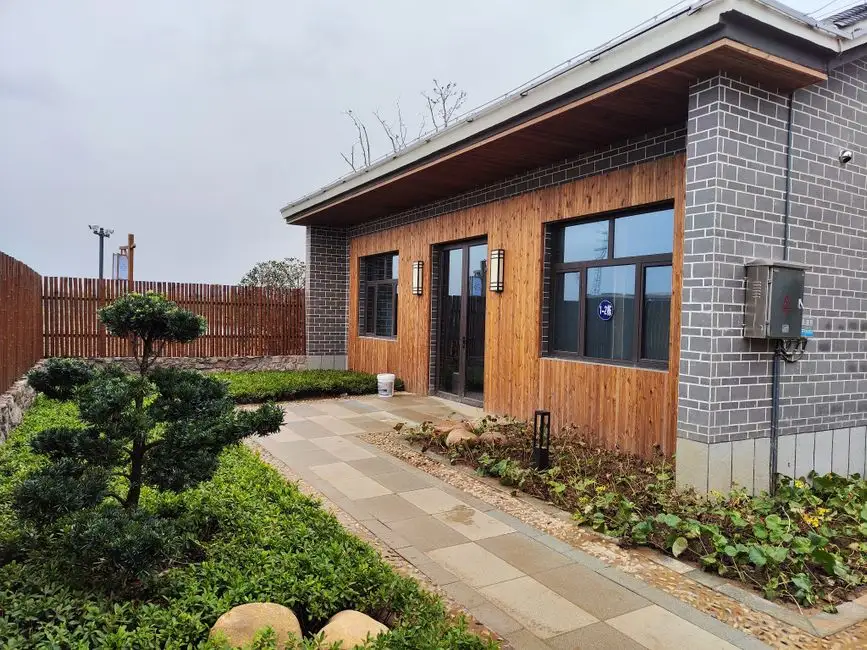
Select the process by lifecycle and site-operability requirements, not footprint alone. A buried A/O system may suit normal domestic wastewater where excavation depth, soil and groundwater conditions permit installation and where a conventional biological route can meet the confirmed effluent requirements. The buried A/O package sewage treatment plant should therefore be quoted against verified flow, load, discharge criteria and installation conditions.
Containerized extended aeration is a practical alternative where rapid deployment and limited site works matter. Supplier information identifies hotels, resorts and other small or remote sites as typical applications and notes that smaller systems can arrive completely assembled, plumbed and wired. The quotation must state whether that factory assembly is included or optional, and must identify the site works needed after delivery.
MBR becomes relevant when the confirmed route requires tighter effluent quality, reuse performance or greater treatment compactness. The MBR membrane bioreactor comparison must include membrane cleaning, replacement, instrumentation, power interruption and operator capability; those obligations can outweigh the benefit of compact equipment.
| Technology | Buyer decision | Evidence or check required before selection |
|---|---|---|
| Buried A/O | Preferred when the confirmed route permits conventional treatment and low surface footprint is important. | Peak flow and organic loading; effluent criteria; excavation depth; soil, groundwater and access conditions. |
| Containerized extended aeration | Preferred where rapid deployment, self-contained packaging and field operation are priorities. | Factory assembly scope, delivery boundary, lifting access, civil works, odour controls, controls and operator requirements. |
| MBR | Preferred when confirmed reuse or effluent requirements justify membrane-based treatment and operation. | Required reuse quality, membrane-cleaning method, replacement provisions, power and backup-power needs, skilled staffing and acceptance test method. |
One modular hotel-treatment source reports capacity for between 60–300 people and states that up to nine units can be installed in parallel. Treat the population figures as product-specific evidence, not as a universal hotel design rule. The supplier must demonstrate how the proposed configuration handles the hotel’s measured average and peak flows. Separately, an extended-aeration project was supplied at 300,000 GPD for domestic waste, and another project included a 35,000 GPD grey-water reuse requirement. These case-specific values demonstrate the need to state the duty; they are not sizing rules for the Eritrean hotel.
Turn the selected route into a supplier-ready RFQ
A comparable quotation must define the design basis, delivery boundary and acceptance test in the same document. Ask each supplier to show design flow, peak factor, organic loading, process assumptions and proposed sizing margin. Any difference between the buyer’s measured data and the supplier’s design values should be explained before price comparison.
| Quote line item | Technical scope to specify | Red flags to check before signing |
|---|---|---|
| Design basis and equipment selection | State average and peak flow, occupancy pattern, influent COD, BOD, suspended solids, grease and pH; identify the selected process and sizing margin. | A quotation based only on occupancy, or a design flow and loading that do not reconcile with the hotel’s verified data. |
| Process and treatment completeness | List biological treatment, clarification, filtration, disinfection, nutrient removal, odour control and reuse equipment where justified by the confirmed route. | Core biological treatment is specified but required downstream components are excluded or described as “optional”. |
| Connections and civil works | Identify incoming and outgoing connection details, excavation or installation depth, chamber requirements, access, lifting provisions and site reinstatement. | “Delivered” leaves excavation, foundations, pipework, chambers, electrical entry or reinstatement outside the supplier’s scope. |
| Power, controls and automation | State electrical supply requirements, control philosophy, alarm functions, data/remote communications, backup-power provisions and operator training. | No power estimate, unclear control-panel boundary or no defined response to power loss and restart. |
| Sludge, odour and consumables | Define sludge withdrawal and disposal responsibilities, odour-control provisions, routine maintenance materials and recommended spare parts. | Sludge handling, odour control or consumables are omitted from the price and performance obligations. |
| Delivery, installation and commissioning | Specify Incoterm, shipping to Eritrea, import responsibilities, assembly, supervision, local civil works, startup, testing and training. | Factory assembly is assumed but not priced; installation, commissioning, travel or training are unallocated responsibilities. |
| Documentation, warranty and support | Require process drawings, O&M manuals, electrical documentation, material information, spare-parts list, warranty terms, local support contacts and response times. | Documentation is supplied only after payment, warranty exclusions are unclear, or local technical support is not committed. |
| Effluent compliance and acceptance | State required characteristics, applicable criteria, test methods, test duration, sampling responsibility and remedy for failure. | An undefined promise of “reuse quality”, a single spot sample, or no enforceable acceptance and remedy procedure. |
Do not accept “meets local standards” as an acceptance clause unless the applicable authority and criteria are identified. Ask the supplier to state the required characteristics, test methods, test duration and sampling responsibility, then have that basis checked against the authority and receiving party before signature.
Delivery scope should distinguish a completely assembled, plumbed and wired containerized system from a package requiring site assembly. It should also identify responsibility for regulatory submissions. A supplier may prepare technical information, but the buyer should confirm with the responsible Eritrean authority which submissions, approvals or operating procedures are required.
Further Reading
Frequently Asked Questions
What flow data should I provide when pricing a packaged sewage treatment plant for a hotel in Eritrea?
Provide average daily flow, peak hourly flow, occupancy patterns and seasonal variation, supported by meter records where possible. Require each supplier to reconcile its design flow and sizing margin with those inputs. Do not use the modular system’s reported 60–300-person range as the hotel’s sizing basis without confirming the relationship between occupancy and actual wastewater generation.
How should I compare the price of a buried A/O plant, containerized aeration system and MBR?
Request a line-by-line quotation using one design basis and one effluent specification. Compare process equipment, civil works, power, controls, factory assembly, installation, commissioning, sludge management, training, documentation, warranty and acceptance testing separately. Ask what inputs are needed for an apples-to-apples quotation rather than accepting a single equipment price.
Which supplier delivery and support terms reduce implementation risk in Eritrea?
Require the supplier to identify shipping terms to Eritrea, import responsibilities, site works, assembly, commissioning, documentation, warranty and local support. Confirm whether smaller containerized systems are being supplied completely assembled, plumbed and wired, and obtain the delivery schedule, support contacts and response times as contractual commitments.
What should I verify before accepting a reuse-quality or compliance guarantee?
Confirm the reuse application and governing criteria with the responsible authority and receiving party. Require the quotation to list effluent characteristics, test methods, test duration, sampling responsibility and the remedy for non-acceptance. The cited grey-water reuse project documents a project-specific requirement; it does not establish an Eritrean hotel reuse standard.