Choose the treatment route from the hotel's design basis
Select a packaged sewage treatment plant for hotels in Chad by comparing A/O, MBR and modular routes against the same seasonal flow, effluent use, footprint and operating requirements. No Chad-specific permit, discharge limit or reuse rule has been verified here, so the technical selection must remain provisional until bidders identify the applicable approval basis and the local authority confirms it.
Begin with a design-basis worksheet rather than a unit’s headline capacity. Record average wastewater flow, peak hourly and daily flow, occupancy scenarios, design horizon, wastewater temperature, COD, BOD, suspended solids, fats, oils and grease, and the intended discharge or reuse route. These inputs determine whether an A/O package, an MBR membrane bioreactor for hotel wastewater reuse, or a modular configuration can meet the duty at the site.
Separate guest-room sewage from kitchen wastewater, laundry effluent, pool backwash and other high-strength or high-flow streams before selecting the biological process. Each stream can change hydraulic loading, treatment objectives, pretreatment needs and the final equipment schedule. Ask the hotel’s operations team for metering records or, where metering is unavailable, occupancy and fixture-use assumptions that can be validated before quotation.
An on-site route is a practical alternative where connection to a central wastewater plant is unavailable. The hotel treatment source describes decentralized systems as eliminating the need to connect to a centrally located plant, while also identifying fluctuating demand from seasonal tourism as a common challenge. Design for the peak occupancy period and document how additional modules or capacity would be introduced.
Decide whether the treated water will be discharged, used for irrigation or dust control, or intended for another non-potable application. This is a project input, not a verified Chad requirement. The precise reuse application and seasonal demand should drive any supplier-specific performance guarantee.
The hotel A/O versus MBR selection method provides a useful comparison framework, but its treatment routes must still be checked against Chad-specific site and authorization conditions.
Compare A/O, MBR and modular package configurations
Choose A/O where the buried configuration, low visible footprint and stated automation fit the site; choose MBR where compact equipment and reuse-ready treatment justify added process complexity. Confirm either choice against supplier-specific hydraulic, loading and effluent guarantees rather than inferred occupancy claims.
| Discharge route or influent problem | Governing rule or process option | What data settles it |
|---|---|---|
| Land-limited hotel with landscaping above the treatment unit | Underground A/O package combining anoxic/aerobic contact oxidation, sedimentation and disinfection | Available footprint, burial depth, groundwater level, soil conditions, access route and supplier installation drawing |
| Hotel requiring treated water for a defined non-potable application | MBR configuration combining biological treatment with membrane filtration | Required effluent quality, reuse application, seasonal reuse demand, membrane arrangement and supplier process guarantee |
| Remote property requiring treatment without a central sewer connection | Decentralized on-site treatment with a modular configuration | Average and peak flows, occupancy scenarios, expansion plan and available installation area |
| Seasonal occupancy causes large wastewater-production spikes | Equipment selected for peak duty, with future parallel modules or expansion identified | Peak hourly flow, peak daily flow, design horizon and supplier confirmation that the proposed configuration covers both |
| Kitchen, laundry or pool streams are connected to the sewage inlet | Separate pretreatment or flow segregation, depending on composition | COD, BOD, suspended solids, fats, oils and grease, flow and temperature for each stream |
The underground A/O package sewage treatment plant combines anoxic/aerobic contact oxidation, sedimentation and disinfection in a buried package and is described as fully automated with no operator required. It can be installed below grade with landscaping above or mounted on a trailer for mobile deployment. Require the bidder to define what “no operator required” means for inspections, response to alarms and routine maintenance.
The MBR membrane bioreactor for hotel wastewater reuse adds membrane filtration to biological treatment. Hotel treatment guidance identifies MBR as suitable for landscape irrigation and dust control when the required quality is established. The same guidance states that MBR units do not require a clarifying tank and have a compact modular form, but asks that footprint, expansion and maintenance requirements be confirmed for the proposed project.
For a larger modular installation, the supplied BIOROCK MULTIROCK example states a capacity of 60 - 300 people and supports up to nine units in parallel. These are vendor-specific figures, not a Chad design rule. Ask the proposed supplier for actual hydraulic and loading limits, flow-distribution arrangements and the basis on which equivalent occupancy was calculated.
Use the hotel package-plant comparison and RFQ framework to keep the evaluation consistent, while not transferring Caribbean site conditions or assumptions to Chad.
Match the system to Chad's site and operating conditions
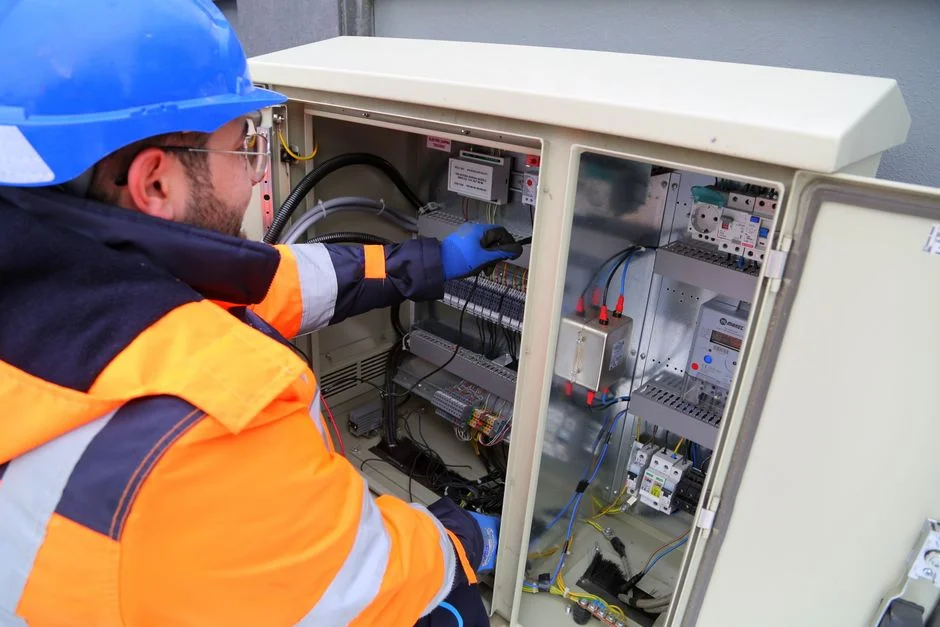
The decisive site constraints are footprint, groundwater, access, power, operator capability and the legal effluent route. If any of these cannot be documented before equipment selection, the comparison remains a concept rather than a procurable design.
Request the available footprint, soil conditions, groundwater level, burial depth, access route, and distance to the discharge or reuse point. Ask for a scaled plant layout, excavation or installation requirements, and confirmation that construction, transport and maintenance access remain workable. The hotel treatment source describes decentralized treatment as an alternative where a central connection may not be available.
Check electrical supply, backup-power arrangements, remote monitoring, spare-parts availability, and the hotel’s ability to support routine inspections and maintenance. For an MBR, ask specifically about membrane cleaning, replacement access and consumables. For an A/O installation, ask who handles sludge removal, inspection access and corrective response.
If irrigation, dust control or another non-potable reuse is proposed, identify the precise application, seasonal demand and water-quality criteria. Require the supplier to state whether its guarantee covers reuse, or only the general effluent specification. Do not treat generic non-potable reuse language as authorization for a particular discharge or irrigation method.
No Chad-specific regulator, permit, discharge limit or reuse rule has been established for this comparison. The RFQ should require each bidder to identify the approval basis it proposes to follow and the supporting evidence. The responsible local authority or environmental authority should then confirm the route before installation.
Ask bidders to document how their selected process manages seasonal occupancy loading. Hotel demand is recognized as fluctuating, so capacity selection should identify how units are staged, what flow remains within limits during the peak period, and what future expansion would involve. The packaged sewage treatment plant project guide provides a further site-specific check.
Build an RFQ that fixes the scope before quotation
A comparable quotation requires the same duty, site boundary, effluent route and performance tests for every bidder. Otherwise, an apparently lower price may exclude civil works, utilities, commissioning, local approvals, training or long-term operating costs.
Issue the design-basis worksheet with the enquiry. Include average and peak flow, design horizon, occupancy scenarios, influent analysis, required effluent quality, discharge or reuse route, footprint, utilities, and local-authority requirements. Require a process description, hydraulic calculation, equipment schedule, membrane or media details, control narrative, civil interface, utilities consumption, noise data, and maintenance schedule.
State whether the price must cover delivery to Chad, installation, commissioning, operator training, initial chemicals or media, commissioning spares, warranty, and O&M support. Require every exclusion, local subcontractor, import requirement, civil work and long-term consumable to be listed. The hotel treatment source notes that capital outlay can be a barrier and that outsourced operation may be considered, so present capital and service pricing separately.
| Quote line item | Technical scope to specify | Red flags to check before signing |
|---|---|---|
| Equipment and process package | Defined flow duty, occupancy scenarios, treatment route, equipment schedule, media or membranes, controls and performance guarantees | Capacity expressed only in room count or people equivalent without hydraulic and loading calculations |
| Delivery and installation | Destination, unloading responsibilities, transport requirements, installation method, civil interface and local subcontractor scope | Delivery included to a different location or civil works excluded without a named allowance |
| Utilities and site works | Electrical supply, backup power, drainage connections, controls, access, landscaping or excavation interfaces | Power upgrades, trenching, controls or building services omitted |
| Commissioning and training | Testing, startup, operator training, attendance records, initial chemicals or media and commissioning spares | Commissioning limited to equipment delivery, with no treatment test or handover requirement |
| Local authorization | Permit or approval pathway, supporting documents, liaison responsibilities and identified local authority | Supplier states the system “meets local requirements” without identifying the rule or evidence |
| Warranty and O&M | Coverage, response obligations, routine visits, consumables, membrane or media replacement and pricing basis | Long-term membrane replacement, sludge removal or specialist labour omitted |
Use the containerized treatment sizing and procurement comparison as a reference for structuring supplier submissions, not as evidence of a Chad requirement.
Set acceptance tests and handover criteria
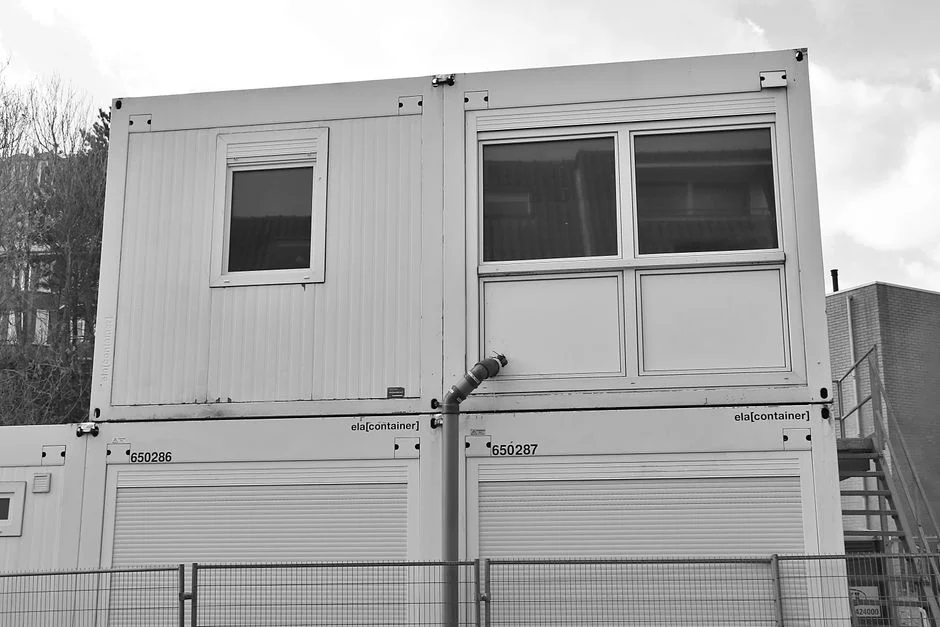
Acceptance should verify the selected system at the agreed duty and effluent route before final payment. Set thresholds against the buyer-approved specification and locally confirmed requirements, because no verified Chad discharge or reuse limits were identified for this comparison.
Agree hydraulic acceptance tests for average and peak duty, including simultaneous operation of duty and standby equipment where applicable. Define commissioning samples, test methods, witnessed parameters and acceptance thresholds. The contractor should state which parameter it is responsible for demonstrating and how failures will be corrected and retested.
Confirm automatic controls, alarm response, power-loss behavior, remote monitoring, access security, spare-parts stock and operator training. Test the functional sequence rather than accepting it only from a control narrative. Document recovery after a power interruption and the response expected from hotel staff or an outsourced operator.
Require as-built drawings, O&M manuals, test certificates, chemical or media safety data, warranty terms, and the approved local compliance pathway. The handover checklist should record completed functional tests, demonstrated treatment flow, training attendance, delivery of spares and closure of outstanding defects.
If O&M is outsourced, define response times, included services and the price basis. The hotel treatment source describes volume-based Water-as-a-Service pricing, but that commercial model does not establish the appropriate basis for Chad. Require bidders to state whether their service charge is per treated volume or another basis and list excluded services.
Frequently Asked Questions
Should a hotel in Chad use a sewer connection or an on-site package plant when both are technically possible?
Use the sewer connection if it is available, authorized and operationally reliable, but compare it with the package plant’s total lifecycle requirements rather than capital cost alone. Ask the authority for connection availability, approval conditions and any required contribution works. Request an on-site alternative with treatment duty, civil works, utilities, O&M and compliance responsibilities stated. A decentralized plant can avoid dependence on a central connection where that infrastructure is unavailable, but it does not remove the need for site-specific approval.
What flow and occupancy data must be provided before selecting an A/O or MBR package?
Provide average flow, peak hourly flow, peak daily flow, each occupancy scenario, design horizon, wastewater temperature, COD, BOD, suspended solids, fats, oils and grease. Also identify kitchen, laundry, pool and other separate streams. Ask for metering records where available and have bidders document peak-load operation, future expansion and the calculation used to size the proposed system.
What should a supplier include in the price for delivery, installation, commissioning and O&M in Chad?
Require one installed-price schedule that states the destination, installation boundary, civil works, electrical and drainage connections, utilities, transport permits, import responsibilities, local subcontractor scope, commissioning, training, initial consumables, spares, warranty and O&M. Ask bidders to list exclusions and long-term replacement items separately. For outsourced O&M, request the service basis, included visits, response times, consumables, specialist labour and any volume-based charge.
Which acceptance tests and documents should be included before accepting the packaged sewage treatment plant?
Require witnessed hydraulic tests at average and peak duty, functional tests of controls and alarms, a power-loss response test, and commissioning samples analysed against the approved effluent specification using stated methods. Before final payment, require as-built drawings, O&M manuals, test certificates, safety data, warranty records, training attendance, spares delivery and closure of defects. Include the locally approved authorization pathway in the handover package.