Define the Treatment Objective Before Selecting Equipment
Hospital wastewater treatment in Niger should be selected as a complete treatment-and-disinfection train, not as a single generic unit. A 2026 study examined raw and treated wastewater from three major Niamey hospitals and found carbapenem-resistant Gram-negative bacilli, while research from Bamako documented antibiotics in hospital effluents discharged toward the Niger River. These findings support source control, biological treatment, solids removal and validated disinfection. The final choice depends on measured flow, contaminants, available footprint, discharge route and project-specific acceptance criteria.
Identify the final route: a permitted sewer connection, discharge to a specified receiving environment, or reuse for a defined application. The available studies are not discharge authorities and do not establish one universal Niger-wide effluent limit. Ask the hospital’s client or environmental consultant to issue the applicable permit, sewer-entry conditions, receiving-water requirements or reuse criteria as a written basis of design.
Define the reuse end use before selecting membranes, disinfection or additional polishing. A discharge objective and a reuse objective impose different acceptance tests; neither should be inferred from the equipment type. Useful supporting comparisons are available in the hospital wastewater treatment and disinfection guide for Laos and the hospital wastewater treatment and disinfection guide for Kosovo, but their local requirements must not be transferred to Niger without confirmation.
Match Influent Risks to the Treatment Train
Treatment stages must be selected from measured site conditions rather than generic hospital assumptions. A 2026 Niamey study sampled raw and treated wastewater at the Niamey National Hospital, the Amirou Boubacar Diallo National Hospital and the General Referral Hospital. Its identification of carbapenem-resistant Gram-negative bacilli makes sampling of resistant organisms relevant to both treatment design and verification.
The Bamako study found antibiotics in hospital effluents discharged into the Niger River and warned that untreated or inadequately treated effluent can introduce pharmaceutical residues into aquatic ecosystems. It also reported that conventional activated sludge is not designed specifically to remove antibiotic residues. These findings do not establish that one process removes every pharmaceutical, but they justify source segregation, biological treatment and a defined fate for concentrated hospital streams.
Request flow records by shift, daily peak flow, COD, BOD, suspended solids, pH, temperature and priority-contaminant analysis. The Bamako study reported pH from 6.97–7.42 across its sampling sites, but that result must not replace testing at the proposed Niger hospital site.
| Discharge route or influent problem | Governing rule or process option | What data settles it |
|---|---|---|
| Permitted sewer connection | Design pretreatment and final treatment against the sewer authority’s written entry conditions. | Permit or sewer-entry document, receiving sewer characteristics and the hospital’s peak discharge schedule. |
| Direct or indirect discharge toward a receiving environment | Add project-specific source control, biological treatment, solids removal and validated disinfection, with receiving-risk assessment. | Discharge point, downstream use, seasonal receiving conditions and criteria issued by the responsible consultant or authority. |
| Antibiotic, disinfectant or pharmaceutical residues | Segregate source streams where feasible and test whether the proposed train provides a defined treatment result. | Laboratory results for identified compounds, source-stream flow and mass-loading calculations using measured data. |
| Antibiotic-resistant organisms | Include biological treatment and solids removal before the final disinfection barrier, with monitoring agreed for acceptance. | Raw and treated microbiology results, disinfectant demand data and the receiving-water or reuse risk basis. |
| Intended reuse | Specify the end use before final polishing and disinfection; request a reuse-specific acceptance protocol. | Permitted reuse application, end-use water-quality criteria, pretreatment needs and proposed monitoring frequency. |
The 30 m³/day West African hospital MBR case study provides a useful example of how a hospital wastewater treatment and disinfection system in Niger should be specified, but its flow and site conditions must not be copied as a design basis.
Compare MBR, Package Plant and Hybrid Configurations
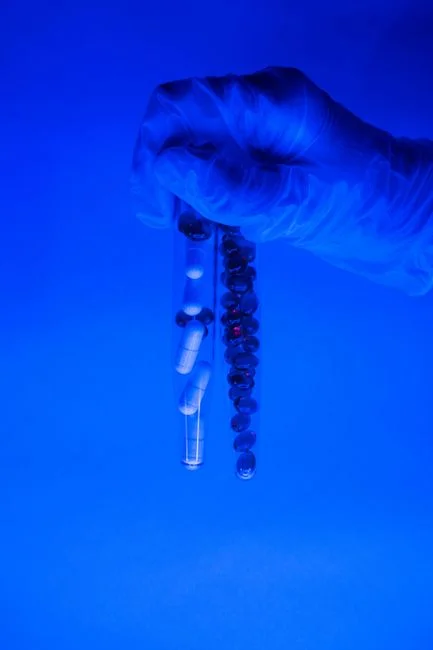
MBR systems provide a compact biological treatment and solids-separation train with membrane-based clarification. The integrated MBR membrane bioreactor should be evaluated against measured flow, organic load, solids, footprint, membrane maintenance and the required effluent specification. MBR capacity is not established by bed count alone; ask the supplier to state the design flow, average load, peak load and membrane design basis.
Packaged sewage treatment solutions are suitable when the treatment duty, operating responsibility and ground conditions support a prefabricated arrangement. A buried package plant requires verification of soil, groundwater, excavation access, lifting arrangements, odor control and provisions for sludge removal. The compact medical wastewater treatment system is a relevant configuration to request for comparison because it combines filtration and ozone disinfection, but the buyer must verify its process duty against site wastewater.
Hybrid configurations utilize equalization, biological treatment, membrane separation and a separate disinfection stage if they provide a better fit than one packaged process. This route can accommodate variable hospital flows or a defined reuse objective, but it increases the number of interfaces that must be covered by guarantees. Use the MBR effluent quality, cost and ROI comparison to structure that comparison; do not use its cost framing without current supplier quotations and site-specific inputs.
- List the design flow, average and peak loads, footprint and operating responsibilities.
- Compare biological treatment, solids removal, disinfection, sludge handling and reuse polishing stage by stage.
- Apply the same influent basis and acceptance criteria to every proposal.
- Confirm maintenance access, utilities, operator competence and spare-parts strategy.
Choose Disinfection by Source Load and Discharge Risk
The final disinfection barrier must be selected based on the load entering it. UV can serve as a final barrier when wastewater is adequately preconditioned. The academic review by Sustainability identifies suspended-solids removal and turbidity reduction as essential for effective UV treatment, so the supplier must state how pretreatment protects UV performance and how fouling will be detected.
Ozone and chlorine dioxide provide alternative routes, but each needs a defined control strategy. The compact medical wastewater treatment system combines multi-stage filtration with ozone disinfection. A UV wastewater disinfection system should be compared against those options only after solids and turbidity performance are assured. For chlorine dioxide, request the on-site disinfection equipment specification within the complete train, including generation, contact, residual or feed control, monitoring and safety requirements.
Do not assume that one disinfectant addresses pathogens, pharmaceutical residues, resistant organisms and receiving-water risk simultaneously. Require a written treatment train explaining which stage controls each identified risk, what monitoring demonstrates performance, and who owns the downstream residual-management obligation.
Build the RFQ and Pre-Signature Acceptance Checklist
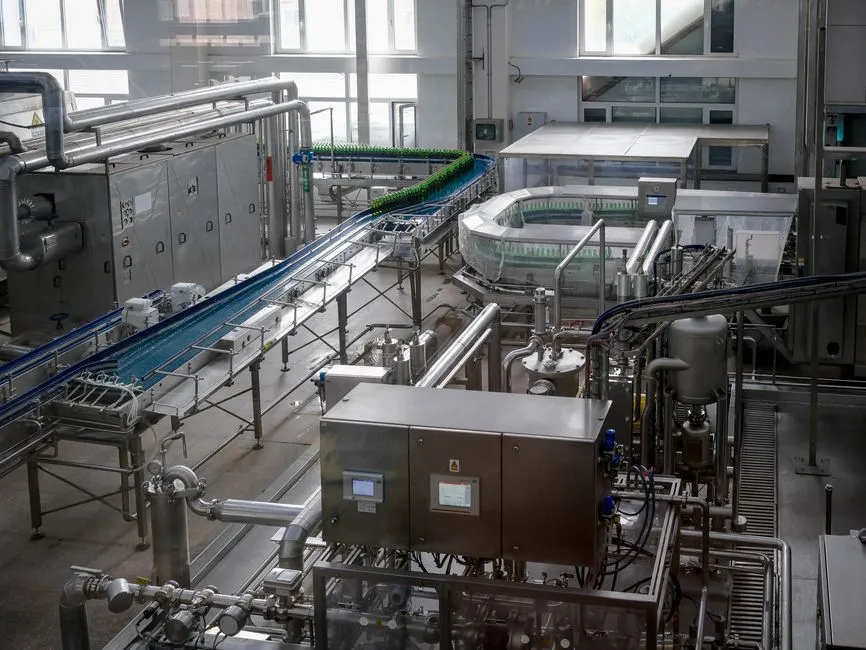
RFQs become comparable when every supplier uses the same measured design basis. Hospital operations should provide flow and operating records; the laboratory should provide influent analysis; the consulting or environmental authority should provide discharge and reuse criteria; the contractor should provide process stages, guarantees and test protocols.
| Quote line item | Technical scope to specify | Red flags to check before signing |
|---|---|---|
| Design basis and process route | Design flow, average and peak loads, treatment objective, incoming-water basis, discharge route, process stages and acceptance tests. | Generic hospital flow assumptions, omitted peak condition or an undefined discharge route. |
| Pretreatment and biological treatment | Equalization, screening, biological reactor, solids removal, sludge handling and the treatment duty assigned to each stage. | No pretreatment definition, no sludge route, or reliance on generic claims that antibiotic residues will be removed. |
| MBR or packaged equipment | Membrane or media sizing basis, hydraulic loading, materials, access, cleaning regime and replacement strategy. | Equipment capacity is quoted without load data, membrane life or maintenance access. |
| Disinfection | Selected technology, contact or dose basis, pretreatment dependency, monitoring, residual management and safety controls. | No fouling strategy, no monitoring method, or no responsibility for downstream residual effects. |
| Installation and handover | Civil works, utilities, testing, training, documentation, commissioning samples, warranty response times and spare parts. | Exclusions leave the hospital responsible for civil works, operators or critical consumables. |
| Performance acceptance | Agreed test influent, sampling points, analytical methods, test duration, acceptance values and remedy for failure. | Unwritten guarantees, research observations treated as regulatory limits, or acceptance based on clean-water commissioning only. |
Condition final acceptance on the agreed test influent and sampling points. Require correction procedures if a test does not demonstrate the contracted result. The West African hospital wastewater engineering guide for Dakar can help structure technical questions, but the applicable Niger permit and project criteria must control the contract.
Further Reading
Frequently Asked Questions
How should a Niger hospital size its wastewater treatment system?
Size the system from measured average and peak flow, COD, BOD, suspended solids, temperature and the agreed discharge or reuse criteria. Ask operations for hourly or shift flow records and the laboratory for a campaign covering the hospital’s operating variation; do not select capacity from a generic hospital assumption.
Is UV, ozone or chlorine dioxide the best hospital effluent disinfectant?
Choose based on the load entering the final stage and the receiving-water risk. For UV, require evidence that solids removal and turbidity control are included; for ozone or chlorine dioxide, require generation, contact, monitoring and residual-management provisions. No single disinfectant can be declared best without site data and written acceptance criteria.
What should a supplier include in a hospital wastewater treatment quotation?
Request itemized pricing for design basis, pretreatment, biological treatment, solids removal, membrane or media equipment, disinfection, sludge handling, installation, utilities, commissioning, training, spare parts and warranty response. Ask for exclusions separately, because an apparently complete price may omit major site works.
How can a buyer compare MBR, package plant and hybrid suppliers?
Issue one RFQ with the same measured influent, footprint, discharge route and performance tests to every bidder. Require each offer to identify design flow, load, treatment stages, maintenance responsibilities and remedy for failed acceptance, then compare the complete operating scope rather than the initial equipment price alone.