Confirm the Effluent Objective and Gambia Route
Select an industrial effluent treatment plant and DAF system in Gambia by first defining the treated-water destination, verifying the applicable approval route, and collecting representative flow and wastewater data. Compare complete treatment trains against treatment objectives, operating conditions, civil interfaces, testing, and delivery responsibilities. A DAF unit should not be selected from nominal capacity alone, and compliance should not be claimed until the regulator, permit conditions, and receiving requirements are documented. This workflow gives suppliers a traceable basis for quotation and prevents excluded site works from entering the purchase order late.
Record whether the treated effluent will be discharged, sewered, reused, transferred to another treatment stage, or handled by a third party. Each route changes the information needed for final sizing and acceptance. Request the legal effluent destination, current permit conditions, applicable standards, client specifications, and any authority or client approval requirements from the Gambian site operator or environmental representative.
The available evidence does not establish a Gambia-specific permit, regulator, or numeric discharge limit. Do not infer a direct-discharge requirement from a sewer-connection rule, an industrial case study, or general engineering guidance. Before the DAF system engineering specifications are converted into an acceptance test, obtain written confirmation of the governing route and the required effluent-quality parameters.
Build the Industrial Effluent Treatment Train
Base the treatment train on the wastewater characteristics and flow variation, not on a standalone DAF capacity. Characterize COD, TSS, oil and grease, pH, temperature, and the suspended-solids fractions across representative operating conditions. The sample record should also distinguish settleable solids, colloids, and dissolved material, because those fractions determine where screening, equalization, chemical conditioning, flotation, biological treatment, or polishing is required.
The tannery case illustrates a sequence that must be adapted rather than copied: segregation of process streams, screening of coarse solids, oxidation of sulphide-bearing liquors, aerated balancing, chemical conditioning, flotation, automatic skimming, and sludge dewatering. Its balancing tank provided flow equalization, neutralization, and precipitation, while effective mixing and aeration were intended to prevent anaerobic conditions and solids settlement. These are site-specific process findings, not a universal configuration for every Gambian operation.
Treat DAF as one part of an industrial effluent plant and DAF selection method. The train must define how wastewater reaches the unit, how chemicals are introduced, how float is removed, where sludge goes, what further treatment is required, and what the final receiving point can accept.
| Discharge route or influent problem | Governing rule or process option | What data settles it |
|---|---|---|
| Discharge to a receiving location or sewer | Apply only the permit, sewer acceptance or receiving requirements confirmed for that route. | Legal destination, current permit, applicable standards and written authority requirements. |
| Coarse solids, fibres or screenings | Provide removal before pumps and downstream treatment equipment. | Representative screening analysis, solids inventory and observed flow variation. |
| Variable or batch industrial discharge | Evaluate equalization and controlled feeding before the DAF. | Hourly flow record, batch-discharge schedule, operating hours and future production changes. |
| Colloids or dispersed solids requiring separation | Evaluate chemical conditioning followed by flotation; include downstream treatment if required. | COD, TSS, oil and grease, pH, temperature, solids fractions and jar-test results. |
| Reuse or transfer to another treatment stage | Specify the receiving process and its required incoming water quality. | Downstream process data, reuse specification and agreement between the responsible parties. |
Size the DAF from Performance and Operating Data
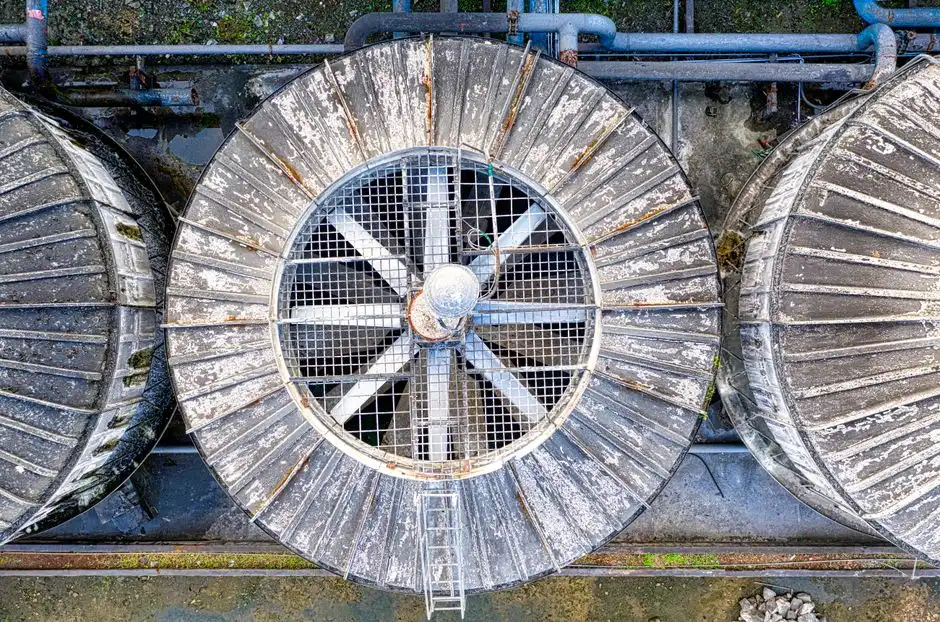
Compare DAF systems on their design basis and operating response, not only their nominal flow capacity. Give each supplier the same wastewater and flow information, then require the design flow, hydraulic loading, pressure and recycle arrangement, bubble specification, solids loading, chemical-conditioning assumptions, and guaranteed performance to be stated.
Request representative and peak wastewater flows, operating hours, batch-discharge events, the complete flow profile, and expected production changes. Include laboratory results from samples collected across relevant production conditions and explain whether any discharge stream is intermittent. These inputs are necessary because the tannery balancing tank was used specifically to balance effluents, improve treatment efficiency, and avoid oversized treatment plants having to handle peak flows.
Chemical conditioning must be included in sizing and operation. The tannery DAF received aluminium sulphate and a polymer before flotation, with pH adjustment; the report stated that the selected coagulants and polymers were tested and adjusted to improve effluent quality and reduce chemical use. Use that evidence to specify a dosing concept and acceptance method, rather than assuming that the same chemical doses apply to another industrial effluent.
The case reported removal of 70–80% of COD and average effluent COD of 1,004 mg/l in one description. A second passage from the same source reported up to 90% COD removal and an average of 1,004 mg/l from daily sampling in the first quarter 2009. These are results from that tannery installation, not universal design guarantees for a Gambian project.
The same source reported floated sludge containing up to 10% dry material. Include sludge extraction, storage, dewatering, or disposal in the plant scope. Review the DAF machine specifications together with the manufacturer’s guide to DAF selection and efficiency, but require each supplier to state the basis for its proposal.
Turn the RFQ into a Testable Equipment Scope
Do not accept a quotation that names equipment without defining performance, interfaces, and acceptance evidence. Separate the supply into process equipment, pretreatment, DAF, pumps, tanks, chemical dosing, controls, sludge handling, electrical works, civil interfaces, installation, and commissioning. For every line, identify exclusions, site-utility requirements, access requirements, and the responsible party.
Use the best DAF unit selection framework for industrial wastewater to identify missing decisions, and require quotations to state which industrial DAF system for Gambian wastewater projects is offered, together with its design inputs and guarantees.
| Quote line item | Technical scope to specify | Red flags to check before signing |
|---|---|---|
| DAF process performance | Design flow, hydraulic and solids-loading basis, recycle arrangement, bubble specification, treatment objectives and guaranteed test conditions. | Capacity is stated without a design basis; performance lacks sample points, test duration or acceptance limits. |
| Industrial wastewater pretreatment | Screening, equalization, mixing, aeration, oxidation or other unit operations justified by the wastewater characterization. | Coarse solids are removed by pumps; equalization or stream segregation is omitted without explanation. |
| Chemical conditioning | Dosing equipment, chemical storage, mixing sequence, pH control, interlocks, dosing ranges and commissioning assistance. | No automatic coagulant and flocculant dosing system is defined, or chemical consumption is not stated. |
| Sludge handling | Float extraction, pump or scraper arrangement, storage, thickening, dewatering, transport and final disposal responsibility. | Flotation performance is promised while sludge removal and disposal remain outside the quotation. |
| Controls, electrical and automation | Electrical supply, schematics, PLC functions, alarms, interlocks, set-point control, data logging and access to spare parts. | Site utility conditions are absent; automatic operation is claimed without a functional description. |
| Civil works and installation | Tank and building interfaces, foundations, pipework, drainage, lifting, access roads, utilities, local labour and site safety requirements. | The quotation uses phrases such as “installation excluded” without identifying the owner and cost responsibility. |
| Testing and handover | FAT, SAT, performance test, commissioning, training, manuals, as-built drawings, spare parts, warranty and local service support. | No FAT or SAT plan, no acceptance criteria, no documentation list or no named commissioning responsibility. |
Verify Commissioning, Operation and After-Sales Support
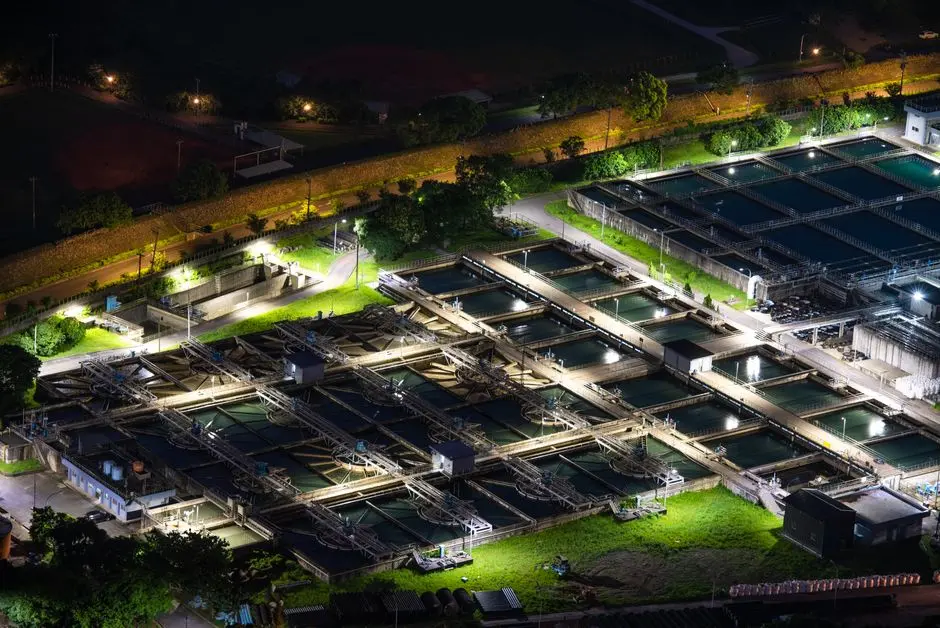
Define commissioning evidence before signing. Specify factory and site acceptance tests for flow, floatation, skimming, controls, alarms, chemical dosing, and integration with upstream and downstream equipment. The performance test must identify the influent used, sampling locations, test duration, analytical methods, acceptance limits, and responsibility for failed results.
Allocate site inputs and obligations in writing. Identify who supplies chemicals, utilities, local labour, civil works, lifting, installation, operator training, and first-line troubleshooting. Request documented start-up, operating, shutdown, and maintenance procedures, spare-parts availability, warranty terms, and a defined local-service route.
Include a practical sludge-management plan. Timely float removal affects plant operability and downstream handling. The tannery system used an automatic scraper, sludge pumping, a holding tank, and a high-pressure belt press. That sequence supports a procurement question: what is the expected float quantity, where is it stored, which device removes water, and who transports the residual sludge? Where a supplier needs to determine these conditions, require a flotation and solids mass balance after the site data are approved.
Record unresolved assumptions to ensure clarity. Do not order until missing permit conditions, wastewater data, flow records, site utilities, civil interfaces, and acceptance limits have named owners and an agreed date for closure.
Frequently Asked Questions
Is DAF alone sufficient for industrial effluent treatment?
Not necessarily. DAF can remove floatable and conditioned solids, but the need for equalization, biological treatment, or polishing depends on the wastewater characterization and receiving requirements. Ask the supplier to submit a complete process train with mass balances and sampling-based treatment objectives; do not infer adequacy from DAF capacity alone.
What information does a supplier need to size a DAF system?
Provide representative and peak flows, operating hours, batch-discharge details, the flow profile, and planned production changes, together with COD, TSS, oil and grease, pH, temperature, and suspended-solids fractions. Include the effluent route, treatment objectives, and site utility constraints. Request the supplier’s design flow, hydraulic loading, solids loading, recycle arrangement, chemical assumptions, and guarantee in return.
What should the RFQ require before a purchase order is approved?
Require process and control drawings, P&IDs, equipment data sheets, materials information, electrical schematics, FAT and SAT procedures, commissioning and training plans, manuals, spares, warranty terms, and named responsibilities. The quotation should state the performance test, sampling points, analytical methods, test duration, acceptance limits, and consequences of non-compliance. Missing flow boundaries or undefined site utilities are reasons to hold approval.
What should be requested for the price and supplier selection?
Request itemized quotations that separately price the DAF, pretreatment, tanks, pumps, chemical dosing, controls, sludge handling, electrical works, civil interfaces, installation, commissioning, training, and after-sales support, with exclusions listed. No verified quotation was available for this guide, so no price should be inferred. Select the supplier through documented technical compliance, references for comparable duties, FAT/SAT capability, delivery schedule, and local service arrangements rather than the lowest incomplete price.