Confirm the discharge route before choosing equipment
For a sewage treatment plant in Estonia, first decide whether the wastewater will enter a public sewer or require treatment at the site. If treatment is needed, establish the applicable environmental permit route and treatment objectives before selecting equipment. Estonia has more than 100 water companies supplying drinking water and wastewater services, while Water Act (VeeS) § 187 requires water companies to obtain a special environmental permit for water use and operate according to its conditions. Because no universal plant size or discharge limit can be inferred, request flow, wastewater, site and sludge data before comparing an underground biological package plant with a membrane bioreactor.
Identify the water company serving the proposed site and ask it in writing whether it will accept the proposed wastewater. The reply should address flow, wastewater quality, pretreatment, connection requirements and the information needed for approval. Do not treat sewer availability alone as permission to discharge: acceptance conditions must be established before the treatment scope is finalized.
| Discharge route or influent problem | Governing rule or process option | What data settles it |
|---|---|---|
| Wastewater can enter a permitted public sewer | Connection to the receiving water company’s wastewater network | Written confirmation of accepted flow and quality, required pretreatment, connection works and reporting conditions |
| On-site treatment with a compact biological process | Underground A/O package sewage treatment plant | Average and peak flow, wastewater characteristics, treatment objectives, installation footprint and soil or groundwater conditions |
| On-site treatment requiring membrane separation | MBR wastewater treatment system | Confirmed treatment targets, membrane operating requirements, site constraints, utilities, operator capability and maintenance access |
| Wastewater contains suspended solids, oil, grease or colloids | Pretreatment before the selected biological stage | Influent sampling results, expected pollutant variation and the receiving utility’s or permit’s pretreatment requirements |
Build the site-input sheet
A quotation becomes comparable only when every bidder receives the same design inputs. Ask the site owner or operator for average and peak sewage flows, wastewater characteristics, required discharge parameters and a copy of the applicable environmental permit conditions. These are request items, not values that can be inferred from the project location.
- Obtain the wastewater flow record and a characterization program covering the pollutants that may affect biological treatment, solids separation or pretreatment.
- Request a site survey addressing soil, groundwater, available footprint, access for deliveries and maintenance, electrical supply, drainage and installation constraints.
- Estimate sludge generation and confirm whether the project requires collection, removal, dewatering, transport to an accepted disposal facility or another disposal route.
- Confirm operator availability, chemical supply arrangements, laboratory support and access for monitoring samples.
- Record the authority responsible for each approval and the party that will provide laboratory data, operating records and evidence of the final sludge destination.
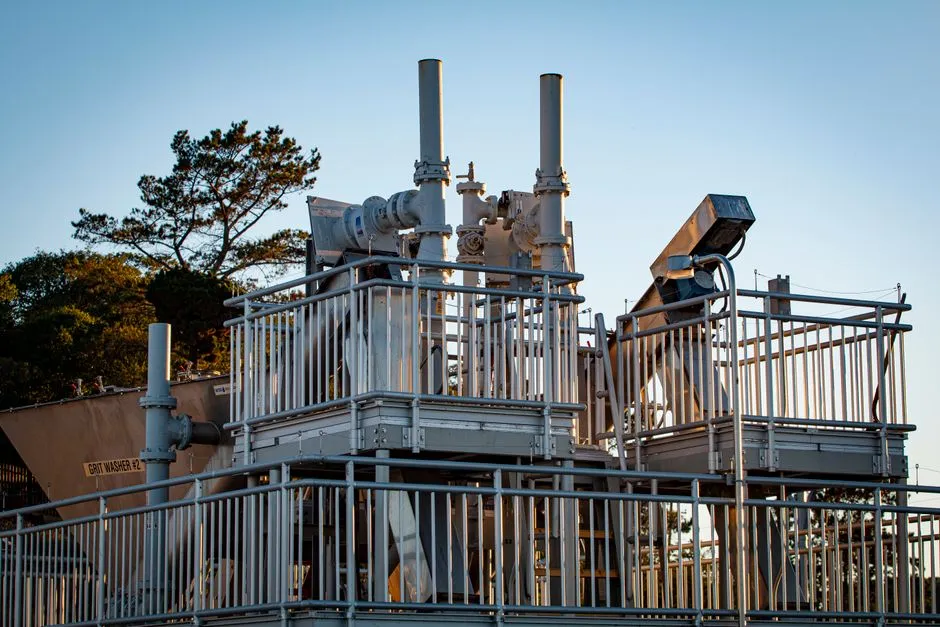
Where mechanical screening is being considered, request the supplier to state the design flow, screen type, extracted material handling, retained solids disposal method and installation requirements. The rotary mechanical bar screen product scope can then be evaluated against the wastewater characteristics rather than accepted as an isolated item.
Documentation requirements are integral to the equipment selection process in Estonia. Environmental permits define reporting obligations for water companies, including laboratory measurements, regular monitoring reports and annual reporting. For an on-site installation, determine whether these duties remain with the water company or must be transferred into the owner’s operating procedures. Ask the Environmental Agency or relevant authority which records must be retained and submitted.
Match the wastewater to a treatment train
Compare routes against the same confirmed duty rather than equipment labels. Sewer discharge is the preferred route only when the receiving utility formally accepts the wastewater. An underground A/O package sewage treatment plant should be evaluated where its biological treatment, footprint and operating arrangements fit the confirmed site conditions. An MBR wastewater treatment system should be evaluated where the required separation and treatment objectives justify its process and maintenance requirements.
Use the comparison of sewer, A/O and MBR treatment routes as a decision framework, but evaluate the alternatives against Estonian site data and permit conditions. The choice cannot be made from flow alone: treatment targets, footprint, utilities, operator availability and maintenance access are equally relevant.
For industrial wastewater treatment applications, characterize suspended solids, oil, grease, colloids and any inhibitory constituents before selecting the biological stage. Define where screening, grit removal, equalisation, separation or other pretreatment will occur, who owns the equipment and how the extracted material will be removed. Do not allow the main biological package to carry an undefined pretreatment burden.
Specify disinfection only after the receiving route, permit conditions and treatment objectives are confirmed. Add disinfection to the scope only where it is required and identify the control method, monitoring point, chemical or operational dependency and validation responsibility. A broader treatment comparison is also available in the discussion of containerized sewage treatment plant sizing, although its project context is not an Estonian design basis.
Define sludge handling and reporting deliverables
Define sludge as an output with a destination, not as an incidental by-product. The equipment schedule should state expected sludge volume and characteristics, where dewatering occurs, how the sludge is stored, who removes it and which records prove transfer to the approved destination. Estonia’s developing sewage-sludge information system is intended to exchange information among on-site system owners, removal providers, water companies, local governments and the state; this supports the need to document quantities, types, pumping and disposal, but does not itself establish the project’s disposal route.
| Quote line item | Technical scope to specify | Red flags to check before signing |
|---|---|---|
| Residual sludge generation | Expected sludge quantity and characteristics under the agreed influent basis, with sampling or calculation method | No influent basis, no method for estimating sludge, or an unsupported promise that residual sludge will be negligible |
| Sewage sludge dewatering | Mechanical dewatering duty, feed basis, filtrate handling, retained solids handling and required containment | Equipment specified without confirming the required dewatering result, sludge characteristics or filtrate route |
| Sludge collection and removal | Storage capacity, access arrangement, removal responsibility, accepted destination and transfer documentation | Final disposal route is unnamed or the supplier excludes access, collection, transport and documentation |
| Operating and compliance records | Logbooks, laboratory results, calibration records, alarm handling, permit-condition checks and report ownership | Supplier provides equipment only, leaving monitoring, reporting or data validation entirely with the owner without disclosure |
| Sludge energy concept | Whether energy recovery is a project objective and what feedstock, equipment and performance evidence are required | A modeled thermal efficiency approaching 85%, reported by a commercial developer, is presented as an Estonia-specific project guarantee |
The sewage-sludge energy source describes a commercial gasification and power-conversion concept. It does not create an Estonia-specific equipment-selection criterion. A commercial source reports modeled thermal efficiency approaching 85% for its most efficient configuration, but that figure is not a project acceptance value. Any energy-recovery proposal must be evaluated against the actual sludge characteristics and independently defined performance conditions. The municipal sewage sludge treatment process guide can support route development, while a plate-and-frame filter press should be assessed only against the required dewatering duty and filtrate-handling conditions.
Turn the technical scope into an RFQ
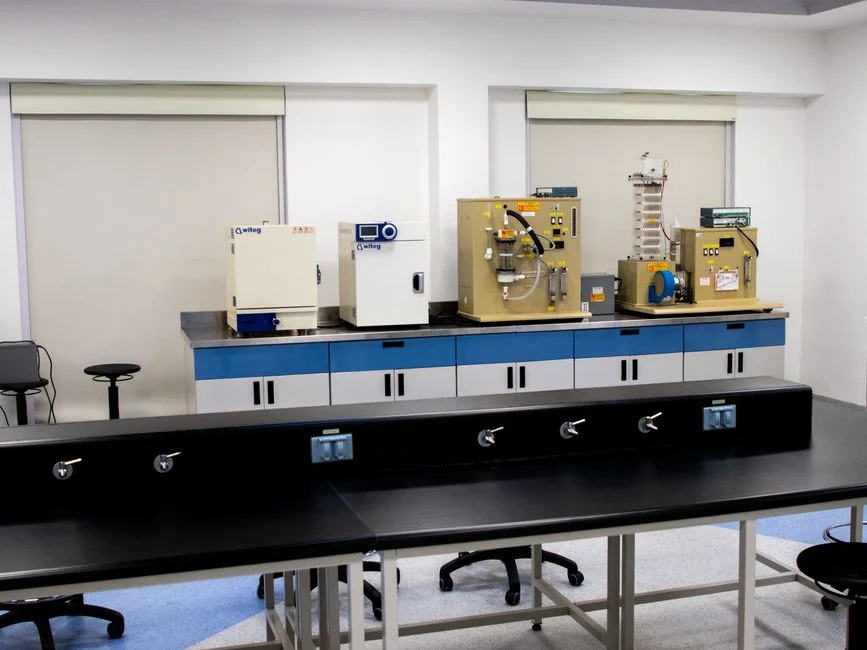
Make every bid state the same design basis, scope boundaries and acceptance evidence. Require each quotation to identify design flow, treatment objective, process stages, included equipment, utilities, controls, performance guarantees and exclusions. Missing site inputs should appear as explicit quotation items, including the information or survey needed to close each gap.
Assign responsibility for the site survey, civil works, permitting support, laboratory testing, operator training, commissioning samples and handover documentation. Require suppliers to identify permit-dependent assumptions rather than treating a permit as guaranteed. Normalize the alternatives: quote the underground package plant and the MBR system against the same confirmed duty, receiving route, treatment targets, commissioning samples and operating documentation.
Before comparing commercial bids, resolve the following:
- Is sewer discharge formally accepted, and if so under what conditions?
- Which environmental permit and authority govern the proposed solution?
- What flow and wastewater data define the equipment duty?
- Which pretreatment, sludge, disinfection and reporting activities are included?
- Who performs commissioning sampling and demonstrates compliance?
- Which utilities, maintenance tasks, operator actions and site works remain with the owner?
Then evaluate cost and lifecycle obligations against that common scope. A lower equipment price may exclude civil works, pretreatment, sludge removal, controls, sampling, training or permit support. Conversely, a higher quotation may be justified by a defined treatment objective or narrower performance guarantee. The RFQ should make those differences visible rather than leave them embedded as commercial assumptions.
Frequently Asked Questions
How much does a sewage treatment plant in Estonia cost?
There is no defensible universal price without a quotation based on the confirmed site duty. Request itemized pricing for the selected treatment route, pretreatment, civil works, installation, power and chemical connections, controls, commissioning, laboratory work, operator training, maintenance, sludge handling, permit support and exclusions. Compare bids only after confirming that each includes the same flow basis, treatment objective and acceptance requirements.
Should we connect to the public sewer or install an on-site treatment plant?
Choose sewer discharge if the serving water company accepts the wastewater in writing and its flow, quality, pretreatment and reporting conditions can be met. Consider an on-site route if that acceptance cannot be obtained or if the permit, site and treatment objectives support it. Ask the utility first; its written response determines whether the project is a connection package or an on-site treatment procurement.
How do A/O and MBR treatment routes differ for equipment selection?
Evaluate them using the same confirmed wastewater and site data. The comparison should cover treatment objective, footprint, process stages, utilities, controls, operator skill, maintenance access, pretreatment requirements, sludge production and acceptance testing. Use the utility’s requirements, permit conditions and representative wastewater results to determine which route fits the duty rather than selecting from a nominal capacity alone.
What evidence should a supplier provide for sludge handling and commissioning?
Require a written residual-sludge estimate based on the agreed influent, a stated collection and dewatering route, a named final destination and responsibility for removal records. At commissioning, require the supplier to provide agreed sample results, operating records, control and alarm checks, training records, equipment documentation, as-built information and a list of unresolved deficiencies. This links the equipment guarantee to the operating and reporting responsibilities that remain after handover.