Confirm the Effluent Destination and Required Outcome
An effluent treatment plant in Guyana should be selected according to the final effluent destination, intended reuse, wastewater characteristics and site constraints—not by copying a generic municipal design. A discharge route may require equalization, biological treatment, clarification, filtration and disinfection; irrigation or reuse adds polishing requirements. The supplied Guyana proposal cites expected values of pH 5 – 9, BOD ≤20mg/l, COD ≤250mg/l and Total Suspended Solids ≤30mg/l, but these are proposal parameters rather than a universal permit. Obtain site data and confirm applicable EPA requirements before selecting equipment.
Treatment requirements derive from the receiving water, drainage canal, irrigation area or reuse process. The EPA Guyana proposal states that treatment extent is guided by Environmental Protection Agency guidelines and the intended use of the final product. Obtain the site’s environmental authorization, permit conditions and supporting effluent limits from the EPA or the authority responsible for the receiving point.
A 2023 Guyana report described the Cartagena Convention and its 1999 Land-Based Protocol as requiring participating countries to treat domestic wastewater so that effluent meets specified standards. That context does not replace a project-specific permit determination. Ask the environmental authority to confirm the applicable discharge point, limits and monitoring conditions, and identify the party that supplied the wastewater data.
Compare Discharge, Irrigation and Reuse Routes
Selection of a discharge, irrigation or reuse route depends on matching the receiving environment to the required effluent quality. Direct discharge can be acceptable when the permitted receiving point and limits are confirmed. Irrigation adds land-application, agronomic and infiltration constraints. Reuse requires a defined process specification, so polishing must be designed around the reuse endpoint rather than copied from a municipal discharge train.
| Discharge route or influent problem | Governing rule or process option | What data settles it |
|---|---|---|
| Direct discharge to a receiving water or drainage canal | Equalization and chemical dosing before biological treatment, clarification, filtration and disinfection are identified as an industrial ETP sequence. | Permit limits, named discharge point, receiving-water condition, flow variation and required monitoring. |
| Irrigation | Land application requires an endpoint defined by the receiving soil and crop conditions, not only a general discharge standard. | Application rate, land area, soil and groundwater conditions, crop water requirement, seasonal flow and infiltration constraints. |
| Reuse | University of Twente research identifies nanofiltration as a polishing technology for wastewater treatment plant effluent and reclamation. | Intended reuse process, quality specification, residual contaminants, pretreatment needs and the required treatment train. |
| Oily or solids-heavy industrial wastewater | Evaluate a DAF system for industrial wastewater pretreatment before biological treatment where the influent analysis supports it. | Oil and grease, suspended solids, settleability, flow profile and contaminant variability. |
| Reuse requiring a compact, integrated treatment route | Evaluate an integrated MBR wastewater treatment system only against the confirmed outlet quality and site constraints. | Footprint, utilities, membrane cleaning requirements, operator capability, sludge handling and confirmed effluent criteria. |
Match Treatment Stages to the Wastewater
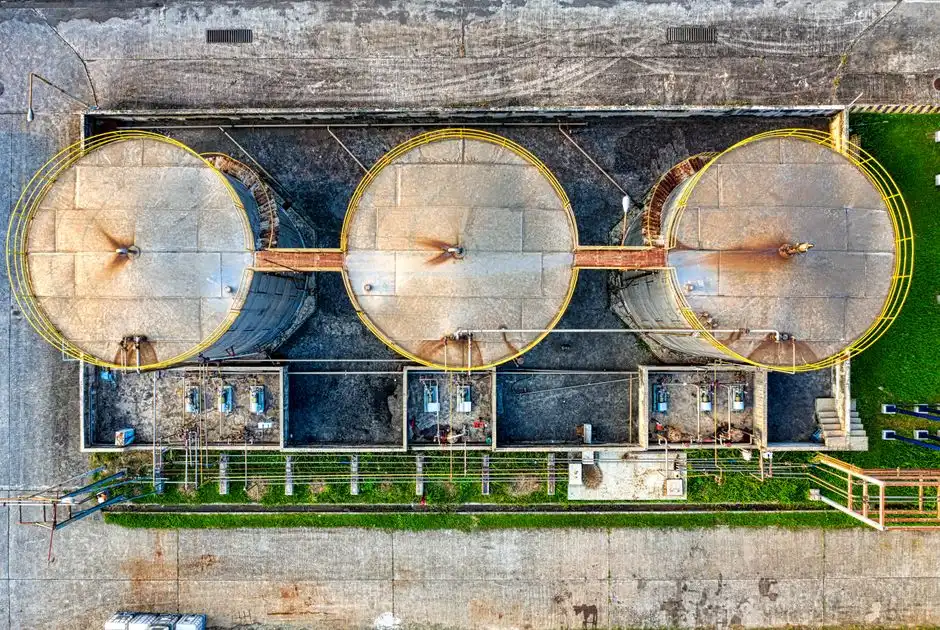
Treatment objectives must align with the specific contaminants present in the influent. Obtain average and peak wastewater flows, pH, BOD, COD, suspended solids, oil and grease, nitrogen, ammonia and total phosphorus before selecting biological, flotation, filtration or disinfection equipment. These influent results—not the route label alone—determine the process design.
The EPA Guyana proposal lists expected effluent values of pH 5 – 9, BOD ≤20mg/l, COD ≤250mg/l and Total Suspended Solids ≤30mg/l. Preserve that source scope: they are presented as expected proposal parameters, not confirmed site limits. They also do not establish that a particular treatment train will meet them without design calculations and performance evidence.
Use the measured wastewater profile to allocate stages:
- Use equalization to address flow and concentration variation, subject to hydraulic and operating analysis.
- Assess whether oil, grease or floatable solids require DAF pretreatment before biological treatment.
- Select biological wastewater treatment only after biodegradable load and process-control requirements are established.
- Use clarification and filtration to address the specified solids and turbidity outcomes.
- Add disinfection where the permit or reuse criterion requires it.
- Add advanced polishing for the confirmed reuse specification. Constructed wetlands were identified as a researched option for micropollutant removal, but that evidence does not justify treating them as a universal replacement for biological treatment or required discharge controls.
Build a Quotation-Ready Site Data Request
Require a complete site-data package before accepting a quotation. The Georgetown example shows why project identity must be kept separate from general procurement assumptions: a 2023 report described a proposed US$36 million plant with a 20 megaliters per day capacity. That named municipal proposal does not size an industrial ETP without site-specific flow, influent and discharge data.
Issue the RFQ with average and peak flow, wastewater analysis, destination and reuse criteria, site drawings, utility information and operating requirements. Ask bidders to state the design flow, treatment stages, equipment sizing basis, scope boundaries, utilities, controls, commissioning tests and performance guarantees. Use the industrial effluent treatment RFQ checklist to interrogate exclusions, while the comparison of DAF, MBR, UF and RO routes can help identify whether the offered route matches the required treatment outcome.
| Quote line item | Technical scope to specify | Red flags to check before signing |
|---|---|---|
| Design basis | Average and peak design flow; wastewater characterization; destination; confirmed permit or reuse criteria; sizing calculations and stated assumptions. | Equipment selected from an average flow alone, with no peak-flow explanation or unidentified wastewater data. |
| Process stages | Stage-by-stage treatment objectives, streams to be removed, pretreatment requirements and final effluent outcome. | A generic process list with no pollutant-specific rationale, duty calculations or description of intermediate water quality. |
| Equipment and civil works | Separately list equipment supply, tanks, piping, controls, electrical works, civil works, installation, foundations and site drainage. | “Complete plant” wording that leaves foundations, wiring, drainage, access or connections outside the quoted scope. |
| Utilities and sludge | Power, water, compressed air, chemicals, sludge removal, odour control and disposal routes. | Unstated utility consumption or no provision for concentrated sludge, waste oil or chemical residuals. |
| Commissioning and guarantees | Commissioning method, tests, sampling responsibility, acceptance criteria, training, spares and maintenance support. | Expected proposal values presented as guaranteed performance without a defined test protocol and sampling duration. |
Confirm Delivery, Commissioning and Performance Acceptance
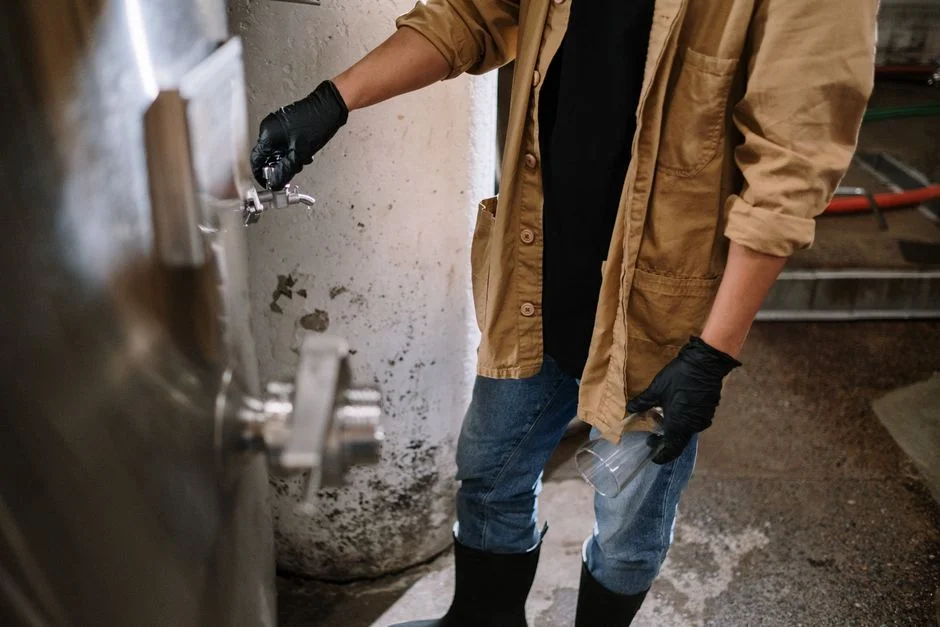
Separate equipment supply from civil works, installation, commissioning, training, spares and long-term maintenance before accepting the commercial offer. The delivery scope should identify the design flow, equipment duties, utilities, controls, operator interface, commissioning tests, acceptance responsibilities and exclusions.
Link performance tests to the confirmed permit or reuse criteria. State the sampling points, methods, test duration, analytical parameters and party responsible for witnessing. Do not convert the proposal’s expected effluent values into guaranteed acceptance criteria until their legal and contractual status has been confirmed. Require the supplier to demonstrate how the selected train meets the project outcome rather than relying on a generic process-stage description.
For a mobile or decentralized solution, verify site access, installation foundations, power, drainage and operator capability against the proposed automation. The comparison of A/O package, containerized and MBR plants illustrates why delivery format must be checked against project conditions rather than selected from equipment configuration alone. Also review the engineering breakdown in primary and secondary wastewater treatment costs when comparing lifecycle assumptions, without treating it as a quotation for the Guyana project.
Related Equipment
- DAF system for industrial wastewater pretreatment — specifications, capacity range, and technical data
Frequently Asked Questions
How should an industrial ETP in Guyana be sized?
Size it from confirmed average and peak flows, wastewater characteristics and the required discharge or reuse outcome. Request flow records, laboratory analysis and destination criteria, then require the supplier to state how each piece of equipment was sized. Do not transfer the capacity of the proposed municipal plant to an industrial project.
What information should be included in an ETP quotation request?
Include average and peak flows, pH, BOD, COD, suspended solids, oil and grease, nitrogen, ammonia, total phosphorus, site drawings, utilities, destination and reuse criteria. Require line-item scope for equipment, civil works, installation, commissioning, training, spares, sludge handling and performance testing.
How can buyers compare industrial wastewater equipment suppliers?
Compare treatment fit, sizing basis, scope boundaries, controls, utility demands, commissioning evidence and lifecycle support. Ask each bidder to demonstrate how its selected train meets the confirmed site criteria and to identify excluded civil works, utilities, sludge disposal and performance responsibilities.
Do EPA guidance and intended reuse determine the acceptance route?
They frame the requirements, but the project-specific authorization determines the legal discharge conditions. Request the site permit and confirm whether irrigation or reuse has a separate quality specification. Use those confirmed limits to define sampling, testing, commissioning and contractual acceptance.