Define the discharge or reuse route first
The best wastewater treatment and water reuse system in Guinea-Bissau depends on the destination of the water: sewer discharge, environmental discharge or reuse within the facility. An MBR is appropriate when low suspended solids and a compact footprint are priorities; UF can polish suitable effluent for reuse; a buried A/O package plant can serve smaller decentralized sewage duties. No supplied source establishes site-specific effluent limits or proves one universal system, so the quotation must follow a wastewater analysis, flow survey, reuse specification and applicable permit review.
Separate the three routes because each imposes a different documentation and treatment obligation:
- Sewer discharge: Obtain the sewer operator’s acceptance requirements before selecting equipment. Confirm the permitted discharge point, connection conditions, metering and any prohibited constituents.
- Environmental discharge: Obtain the current permit and receiving-water requirements from the responsible authority. The available research does not identify current Guinea-Bissau wastewater discharge limits, so an environmental target must be treated as an unresolved project input rather than assumed.
- Facility reuse: Identify the exact application, such as washing or cooling, and attach a project-specific water-quality specification. Washing, cooling and process reuse should not be combined into one undefined “reuse” requirement.
National context does not select the train. SDG6 Data reports renewable water resources of 16,873 m3 per capita in 2017 and water-related ecosystems covering 3,098 square kilometres, or 11 % of Guinea-Bissau’s land area. Those figures establish the sensitivity of water management, but neither establishes a discharge route or an effluent standard for this site.
| Discharge route or influent problem | Governing rule or process option | What data settles it |
|---|---|---|
| Discharge to an authorised sewer | Sewer acceptance rules govern; downstream treatment may make additional on-site polishing unnecessary. | Written connection approval, sewer acceptance criteria, discharge point and any restricted constituents. |
| Discharge to the environment | Treatment objectives must follow the applicable permit and receiving-water requirements. | Current permit, receiving-water assessment, effluent sampling points and the authority’s test method requirements. |
| Reuse for washing or cooling | Define the application-specific quality target before selecting biological treatment, membrane polishing or both. | Reuse specification, end-user process conditions, temperature and chemical-demand constraints. |
| Decentralised sewage from a small site | A buried A/O package sewage treatment plant may suit the duty, subject to wastewater, footprint and installation checks. | Daily and peak flows, wastewater analysis, soil conditions, groundwater/drainage conditions and maintenance access. |
Match the process to the wastewater and site
The wastewater analysis, flow records and reuse targets determine the process selection rather than the equipment category alone. S1 identifies imported chemicals, pesticides, fertilizers, plastic bags and hydrocarbons as contributors to contamination concerns in Guinea-Bissau, but it does not characterize any particular project’s wastewater. Those national observations cannot establish the required pretreatment for a factory, camp or municipal development.
Use the following decision logic:
- If the wastewater is predominantly domestic sewage and the application is a decentralized sewage duty, compare a buried A/O package sewage treatment plant with an integrated MBR wastewater treatment system. The package route requires confirmation that the site conditions suit buried installation; the MBR route requires confirmation that its footprint, controls, aeration and maintenance provisions meet the project requirements.
- If the effluent requires a compact biological stage and low suspended solids before reuse or discharge, evaluate the integrated MBR wastewater treatment system. Obtain membrane design information, cleaning requirements and replacement provisions tied to the offered equipment.
- If biologically treated effluent needs further separation before a defined reuse application, evaluate membrane bioreactor and ultrafiltration polishing as separate stages. The MBR, UF or RO treatment-route comparison provides a useful framework, but the final choice still requires site-specific water-quality and application data.
- If the wastewater contains oil, solids or other contaminants that could overload biological or membrane stages, evaluate dissolved air flotation and other pretreatment as part of the industrial effluent treatment route comparison. Confirm the contaminant, separation duty and residual-waste route before assigning it to the main treatment train.
Do not specify MBR, UF or package equipment until the supplier has addressed the same design questions: what the flow consists of, which parameters control the process, what pretreatment is required and what evidence demonstrates the offered performance.
Build the site-data sheet before requesting a quotation
A quotation is meaningful only when both parties use the same design basis. Request a site-data sheet containing the following inputs from the owner, engineer or qualified local contractor:
- Hydraulics: Daily and peak wastewater flow rates, seasonal variation, operating hours and the water balance for each discharge or reuse stream.
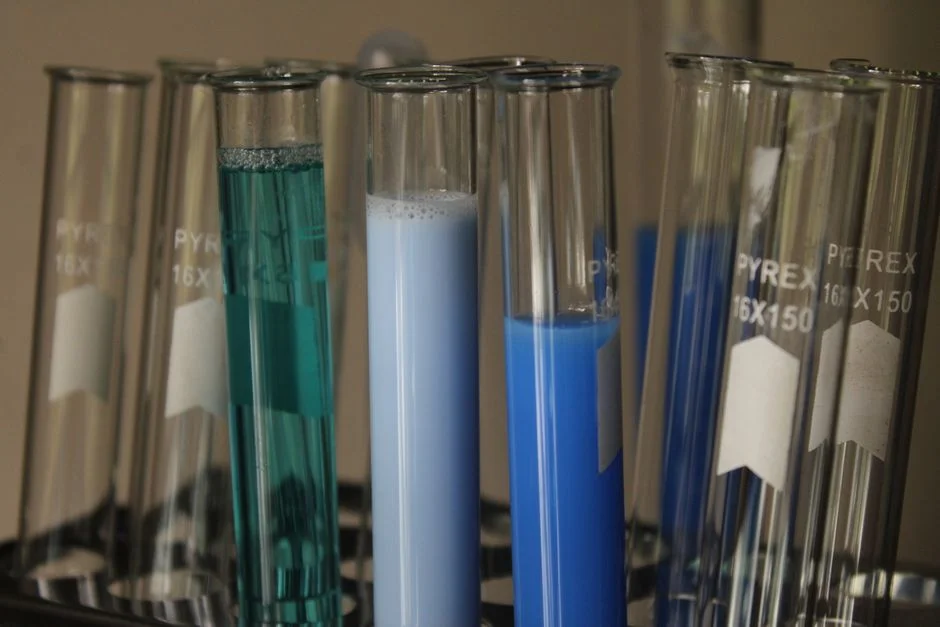
- Wastewater characterization: A laboratory analysis covering COD, BOD, TSS, oil and grease, pH and salinity, plus any process-specific contaminants identified by the site’s activities.
- Destination: The intended reuse application, applicable water-quality targets, discharge route, sewer rules or environmental permit.
- Installation: Required throughput, available footprint, soil and groundwater conditions, drainage level, access route, power supply and local installation constraints.
- Operations: Named operating staff, routine maintenance capability, sludge quantity and characteristics, and the approved sludge-disposal route.
Require the analysis to identify its sampling date, sampling point, laboratory and test methods. If reuse water will return to a process, include expected temperature, pH, dissolved-solids and chemical exposure conditions. These inputs allow the buyer to distinguish a designed treatment train from a catalogue unit with an unverified performance claim.
Turn the selected route into a quotation scope
Suppliers must state the design flow, influent design basis, treatment objectives, reuse specification, discharge route and the performance test. A supplier may omit these items while still presenting a firm price, which makes the price difficult to compare and leaves performance risk with the buyer.
Ask the supplier to state explicitly whether pretreatment, pumping, electrical control, installation, commissioning, training, initial spares, sludge handling and performance testing are included. Require supporting documents to relate to the offered equipment; a general supplier-directory statement is not proof of the proposed system’s suitability or performance.
Use the effluent plant RFQ checklist to structure the request, but require project-specific responses rather than completed generalities.
| Quote line item | Technical scope to specify | Red flags to check before signing |
|---|---|---|
| Design basis and performance | Design flow, operating hours, influent characterization, treatment objectives, reuse target or discharge route, and acceptance test. | A price without a flow basis, wastewater limits, final-water targets or test conditions is not comparable. |
| Process equipment and pretreatment | Every stage, duty, materials, controls, instruments, membrane arrangement or package-plant scope required for the stated design basis. | Excluded pretreatment, feed pumps, aeration or membrane systems leave a critical treatment duty unallocated. |
| Installation and utilities | Civil works, foundations, buried installation where applicable, power, drainage, connections, access and site-specific interfaces. | Installation, excavation, electrical works or local logistics may be omitted even though the supply price appears complete. |
| Commissioning and handover | Start-up, training, operating manuals, performance testing, sampling, corrective work and documented handover. | “Commissioning excluded” or “performance not guaranteed” removes the supplier from responsibility for proving the equipment. |
| Operations and residuals | Maintenance instructions, initial spares, membrane or consumable replacement basis, sludge handling and support arrangements. | The quotation does not identify who owns routine O&M or where treatment residuals will go. |
Set acceptance tests and handover criteria

Acceptance protocols must be defined before the purchase order so the installed system is tested against agreed conditions rather than broad descriptions of treated quality. Record the contractual flow basis, wastewater conditions, operating mode, sampling points, test methods and treatment objectives in the acceptance protocol.
Set measurable criteria for treated effluent and reused water using the project’s applicable permit, sewer rules or reuse specification. No unverified regulatory limit should be inserted into the contract. For non-potable reuse, the end user must also approve the quality target for the intended application.
During commissioning, require the supplier to demonstrate equipment startup and shutdown, automatic controls, alarms and normal operating sequences. Provide the operating instructions, training records and the agreed critical spares at handover. Performance testing should include sampling and analysis by a party identified in the contract, with a procedure for recording failures, corrective actions and retesting.
Assign ownership after handover. The contract should identify who performs routine O&M, who responds to alarms, who verifies final water quality, who holds critical spares and who is responsible for corrective work following performance testing. A comparison of permanent and containerized project delivery approaches is available in the containerized versus permanent wastewater plant decision guide, but the final delivery model must follow the site constraints and confirmed scope.
Frequently Asked Questions
Should we select an MBR, UF system or package plant for the project?
Do not select from the technology name alone. Use wastewater quality, daily and peak flow, the required footprint, the reuse application and site conditions to compare the routes. MBR, UF and package plants address different duties; confirm whether UF is a standalone polishing duty or follows biological treatment, and whether a package plant is suitable for the wastewater and local installation conditions.
What information should we provide before requesting a price?
Provide average and peak flows, seasonal variation and operating hours; a laboratory wastewater analysis covering COD, BOD, TSS, oil and grease, pH and salinity; the reuse targets or discharge route; footprint, soil, drainage, power and access constraints; and the proposed sludge-disposal route. Ask the supplier to identify any missing input that could change the selected train.
What should the supplier quotation include?
Require a line-by-line scope for process stages, design basis, pretreatment, pumping, electrical controls, civil and installation work, commissioning, training, spares, sludge handling and performance testing. Treat a firm price that omits these items as incomplete until the exclusions, exclusions’ prices and delivery responsibilities are stated.
How should performance and regulatory verification be handled?
Attach the acceptance test to the purchase order and state the flow basis, wastewater conditions, sampling points, test methods, required results and retesting procedure. Confirm the current project-specific permit, sewer acceptance rules or reuse requirements with the responsible authority; neither national context nor a supplier catalogue establishes compliance by itself.