Wastewater Treatment Plant Cost in Vizag 2025: Engineering Breakdown with Local Data, ROI & Equipment Selection
In Vizag, wastewater treatment plant costs vary dramatically based on scale, technology, and compliance requirements. For industrial plants (10–500 m³/day), expect ₹2L–₹50L capital expenditure (capex), with operating costs (opex) of ₹0.5–₹2 per m³ treated. Municipal projects like the ₹452 crore Pendurthi WWTP highlight the impact of rising input costs (GST hikes, civil works) and long-term O&M contracts. This guide breaks down 2025 costs by technology, local compliance, and ROI—helping Vizag buyers select the right system for their budget and discharge standards.
Why Wastewater Treatment Costs in Vizag Are Rising in 2025
Wastewater treatment plant costs in Vizag are experiencing an upward trend in 2025, primarily driven by stringent regulatory updates, escalating input material costs, and increased labor expenses. The Andhra Pradesh Pollution Control Board (APPCB) has reinforced its 2025 discharge standards, mandating stricter limits for industrial effluents including Biochemical Oxygen Demand (BOD) to less than 30 mg/L, Chemical Oxygen Demand (COD) to less than 250 mg/L, and Total Suspended Solids (TSS) to less than 100 mg/L (APPCB 2024 notification). Meeting these enhanced compliance benchmarks often necessitates more advanced and thus more expensive treatment technologies.
Further contributing to the cost escalation is the increase in Goods and Services Tax (GST) on treatment equipment from 12% to 18%, adding an estimated 5–6% directly to the capital expenditure for new installations. Civil construction, a significant component of any wastewater treatment plant (WWTP) project, also faces rising costs in Vizag, with reinforced concrete structures now ranging from ₹4,500–₹6,000 per m³ (2025 market rates from local contractors). Concurrently, labor cost inflation for skilled operators has seen an 8–10% year-over-year increase, as reported by the Andhra Pradesh State Skill Development Corporation (2024 report). These factors collectively impact project budgets, as exemplified by the Pendurthi WWTP, which saw its initial cost of ₹412 crore revised to ₹452 crore due to technical changes, including the addition of a fourth aeration tank and flash mixer upgrades, alongside rising input costs (Top 2 scraped content).
Wastewater Treatment Plant Cost Breakdown: Capex vs Opex for Vizag Projects
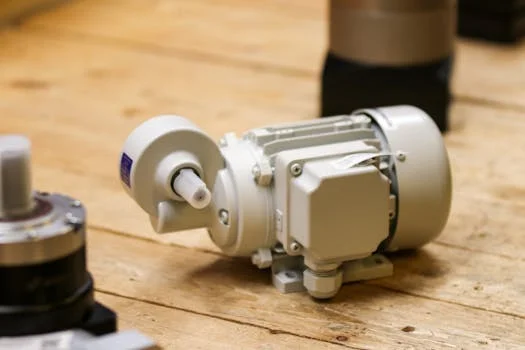
Effective budgeting for wastewater treatment plants in Vizag necessitates a clear distinction between capital expenditure (Capex) and operational expenditure (Opex), as each carries distinct financial implications. Capex represents the one-time investment costs for plant construction and equipment procurement, typically comprising civil works (30–40% of total Capex), mechanical equipment (40–50%), electrical and instrumentation systems (15–20%), and design and approval fees (5–10%). For instance, a typical 100 m³/day industrial Effluent Treatment Plant (ETP) in Vizag can have a Capex ranging from ₹12L–₹20L, depending on the chosen technology and site-specific conditions.
Opex, on the other hand, covers the recurring costs associated with daily plant operation and maintenance. The largest Opex component is typically power, accounting for 40–50% of the total, with industrial consumers in Vizag facing tariffs of ₹7.50–₹8.50 per kWh (APDISCOM 2025 tariff). Chemical costs, essential for coagulation, flocculation, and disinfection, contribute 20–30% of Opex, with Polyaluminum Chloride (PAC) priced at ₹120–₹180 per kg and lime at ₹80–₹120 per kg (local supplier quotes 2025). Labor costs for skilled operators and technicians represent 15–25% of Opex, while routine maintenance and spare parts account for 10–15%. Sludge disposal, including landfill tipping fees, adds another 5–10%, with Vizag Municipal Corporation (2024 rates) charging ₹1,500–₹2,500 per ton. Consequently, the Opex for a 100 m³/day ETP typically falls within ₹1.2–₹1.8 per m³ of treated wastewater.
| Cost Category | Component | Typical % of Total | Vizag-Specific Data (2025) |
|---|---|---|---|
| Capital Expenditure (Capex) | Civil Works | 30–40% | ₹4,500–₹6,000 per m³ for RCC structures |
| Mechanical Equipment | 40–50% | Varies by technology (e.g., pumps, blowers, clarifiers) | |
| Electrical & Instrumentation | 15–20% | Includes panels, wiring, sensors, PLC systems | |
| Design & Approvals | 5–10% | APPCB fees, engineering consultancy | |
| Operational Expenditure (Opex) | Power Consumption | 40–50% | ₹7.50–₹8.50 per kWh (industrial tariff) |
| Chemicals | 20–30% | PAC: ₹120–₹180/kg; Lime: ₹80–₹120/kg | |
| Labor | 15–25% | Skilled operator wages (8–10% YoY inflation) | |
| Maintenance & Spares | 10–15% | Routine upkeep, replacement parts | |
| Sludge Disposal | 5–10% | ₹1,500–₹2,500 per ton (landfill tipping fees) |
Technology Comparison: MBR vs SBR vs DAF vs Conventional for Vizag Wastewater
Selecting the appropriate wastewater treatment technology in Vizag is critical for balancing effluent quality, footprint constraints, and budget. Each technology offers distinct advantages and cost implications tailored to specific industrial or municipal needs.
- MBR (Membrane Bioreactor): MBR systems for high-efficiency wastewater treatment in Vizag integrate membrane filtration with biological treatment, delivering superior effluent quality suitable for direct reuse or stringent discharge standards. A 100 m³/day MBR system typically incurs a Capex of ₹25L–₹50L and Opex of ₹1.5–₹2.5/m³. Its compact footprint (0.5–1 m²/m³ of capacity) makes it ideal for sites with limited space, and it consistently achieves effluent BOD levels below 5 mg/L (per Top 1 scraped content). Vizag pharmaceutical plants, for instance, often utilize MBR technology to meet the Andhra Pradesh Pollution Control Board's (APPCB 2024 mandate) zero-liquid discharge (ZLD) requirements.
- SBR (Sequencing Batch Reactor): SBR systems operate in a batch mode, performing aeration, sedimentation, and decantation in a single tank. For a 100 m³/day capacity, SBRs have a Capex of ₹15L–₹30L and Opex of ₹1–₹2/m³. They require a moderate footprint (1–2 m²/m³) and can achieve effluent BOD levels below 20 mg/L, making them a flexible option for varying flow rates and quality requirements.
- DAF (Dissolved Air Flotation): DAF systems for FOG and suspended solids removal in Vizag are highly effective for primary treatment, particularly in industries with high fats, oils, and grease (FOG) content or suspended solids. A 100 m³/day DAF unit has a Capex of ₹10L–₹25L and Opex of ₹0.8–₹1.5/m³. DAF offers a very compact footprint (0.3–0.8 m²/m³) and is confirmed as best for FOG removal (Top 3 scraped content), often used as a pre-treatment step before biological processes.
- Conventional (Aeration + Clarifier): This traditional method involves activated sludge processes followed by clarification. For a 100 m³/day plant, the Capex is typically ₹8L–₹20L, with Opex ranging from ₹0.7–₹1.2/m³. While requiring a larger footprint (2–3 m²/m³), conventional systems are robust and can achieve effluent BOD levels below 30 mg/L, suitable for many standard discharge requirements.
Understanding these differences is crucial for matching technology to the specific effluent characteristics and regulatory mandates in Vizag. For plants seeking to comply with key differences between secondary and tertiary wastewater treatment standards, MBR or SBR systems with tertiary polishing are often necessary.
| Technology | Typical Capex (per 100 m³/day) | Typical Opex (per m³ treated) | Footprint (m²/m³ capacity) | Effluent BOD (mg/L) | Best Use Case in Vizag |
|---|---|---|---|---|---|
| MBR (Membrane Bioreactor) | ₹25L–₹50L | ₹1.5–₹2.5 | 0.5–1 | <5 | High-quality effluent, water reuse, ZLD compliance (e.g., pharma) |
| SBR (Sequencing Batch Reactor) | ₹15L–₹30L | ₹1–₹2 | 1–2 | <20 | Variable flows, moderate space, consistent quality |
| DAF (Dissolved Air Flotation) | ₹10L–₹25L | ₹0.8–₹1.5 | 0.3–0.8 | N/A (Primary) | Pre-treatment for high FOG/TSS (e.g., food & beverage) |
| Conventional (Aeration + Clarifier) | ₹8L–₹20L | ₹0.7–₹1.2 | 2–3 | <30 | Large footprint available, standard discharge, cost-sensitive |
Vizag Compliance and Tender Requirements for Wastewater Projects
Navigating the local regulatory landscape and tender processes in Vizag is paramount for successful wastewater treatment projects, preventing costly delays and non-compliance penalties. The Andhra Pradesh Pollution Control Board (APPCB) mandates specific fees for obtaining Consent-to-Establish (CTE) and Consent-to-Operate (CTO), which typically range from ₹50,000–₹2L based on the plant's capacity (APPCB 2025 fee schedule). Additionally, an Environmental Impact Assessment (EIA) is a mandatory requirement for wastewater treatment plants exceeding 1 MLD (Million Liters per Day) capacity, as per the Andhra Pradesh EIA Notification 2024.
For municipal projects, the Greater Visakhapatnam Municipal Corporation (GVMC) employs a structured 3-stage tender process: technical bid, financial bid, and L1 (lowest bidder) selection, often incorporating long-term 15-year Operation and Maintenance (O&M) contracts (Top 2 scraped content). These tenders frequently stipulate stringent performance guarantees, including 90% uptime and 95% compliance with discharge standards (GVMC 2025 tender documents). the AP Industrial Policy 2023–2027 emphasizes local content, requiring at least 30% of equipment to be sourced from Andhra Pradesh manufacturers. A notable example is the Pendurthi WWTP tender, which included specific provisions for dust-filling works and integration with the BRTS road, highlighting the need for detailed local understanding in project execution (Top 2 scraped content).
How to Evaluate Wastewater Treatment Suppliers in Vizag: A 2025 Checklist
Selecting the right wastewater treatment supplier in Vizag is a critical decision that impacts project costs, operational efficiency, and long-term compliance. A structured evaluation framework helps mitigate risks of budget overruns, poor performance, and regulatory non-compliance. Suppliers should be assessed based on robust technical criteria, including their proposed treatment efficiency (BOD/COD/TSS removal percentages), the required footprint for their system, the level of automation offered (e.g., PLC-controlled chemical dosing for Vizag wastewater plants), and their approach to sludge handling and disposal. Financial criteria are equally important, encompassing not only the initial Capex and recurring Opex but also the estimated payback period and available financing options, such as the GVMC's Public-Private Partnership (PPP) model for municipal projects.
Compliance criteria are non-negotiable, requiring verification of APPCB and GVMC approvals, relevant certifications like ISO 14001, and a track record of successful project references specifically within Vizag or Andhra Pradesh. Buyers should also be wary of red flags, such as suppliers lacking a local service team, offering vague performance guarantees, or having an insufficient spare parts inventory within Andhra Pradesh. This due diligence ensures a reliable and compliant wastewater treatment solution.
| Category | Question to Ask Suppliers | Why it Matters for Vizag Projects |
|---|---|---|
| Technical Criteria | What is your guaranteed BOD/COD/TSS removal efficiency for my specific effluent? | Directly impacts APPCB discharge compliance (BOD <30, COD <250, TSS <100 mg/L). |
| What is the required footprint of your proposed system for my daily flow rate? | Crucial for Vizag's often limited industrial land availability. | |
| Describe your system's automation level and remote monitoring capabilities. | Reduces labor costs and improves operational reliability in Vizag's industrial environment. | |
| Financial Criteria | Provide a detailed Capex breakdown, including civil, mechanical, and electrical components. | Ensures transparent budgeting and avoids hidden costs. |
| What are the estimated Opex costs (power, chemicals, labor, maintenance) per m³ treated? | Critical for long-term financial planning and ROI calculation. | |
| Do you offer financing options or support for government subsidies (e.g., ZLD schemes)? | Can significantly reduce upfront investment and improve project viability. | |
| Compliance Criteria | Can you provide references for similar projects successfully completed in Vizag or AP? | Demonstrates understanding of local regulations, conditions, and project execution. |
| What is your uptime guarantee for a 100 m³/day ETP in Vizag, and how is it enforced? | Ensures continuous operation and avoids costly compliance penalties. | |
| Are your systems certified to relevant standards (e.g., ISO 14001) and APPCB-approved? | Verifies adherence to environmental management systems and local regulatory requirements. | |
| Support & Service | Do you have a local service team and spare parts inventory in Andhra Pradesh? | Ensures prompt maintenance, reduces downtime, and meets local content requirements. |
ROI Calculator: Wastewater Treatment Plant Payback Period in Vizag
Justifying the investment in a wastewater treatment plant in Vizag goes beyond mere compliance; it involves tangible financial returns through cost savings and avoided penalties. The payback period, a key metric for industrial buyers, can be calculated using the formula: (Capex + Opex over X years) / (Annual savings from compliance + water reuse + reduced penalties). This calculation provides a clear timeline for recouping the initial investment.
Consider two localized examples:
- A 100 m³/day ETP for a Vizag textile plant with a ₹15L Capex and ₹1.5/m³ Opex. If the plant achieves ₹3L/year in savings from water reuse (reducing fresh water consumption) and avoided APPCB fines, the payback period would be approximately 5 years.
- A 500 m³/day Sewage Treatment Plant (STP) for a Vizag residential complex, with an ₹80L Capex and ₹1/m³ Opex. If annual savings from avoided GVMC fines and potential revenue from treated water sales amount to ₹5L/year, the payback period extends to approximately 12 years.
| Parameter | Vizag Textile Plant (100 m³/day ETP) | Vizag Residential Complex (500 m³/day STP) |
|---|---|---|
| Initial Capex | ₹15,00,000 | ₹80,00,000 |
| Annual Opex (approx.) | ₹54,750 (100m³ x 365 days x ₹1.5/m³) | ₹1,82,500 (500m³ x 365 days x ₹1/m³) |
| Annual Savings/Avoided Costs | ₹3,00,000 (water reuse, avoided penalties) | ₹5,00,000 (avoided GVMC fines, potential water sales) |
| Estimated Payback Period | ~5 Years | ~12 Years |
Frequently Asked Questions
How much does a 100 m³/day wastewater treatment plant cost in Vizag?
A 100 m³/day wastewater treatment plant in Vizag typically costs between ₹12L–₹25L in capital expenditure (Capex) and incurs ₹1–₹2 per m³ in operational expenditure (Opex). The exact cost depends heavily on the chosen technology (e.g., MBR, SBR, or conventional activated sludge), the required effluent quality, and site-specific conditions.
| Technology Type | Typical Capex (100 m³/day) | Typical Opex (per m³) |
|---|---|---|
| Conventional (Aeration + Clarifier) | ₹8L–₹20L | ₹0.7–₹1.2 |
| SBR (Sequencing Batch Reactor) | ₹15L–₹30L | ₹1–₹2 |
| MBR (Membrane Bioreactor) | ₹25L–₹50L | ₹1.5–₹2.5 |
What are the APPCB discharge standards for industrial wastewater in Vizag?
The Andhra Pradesh Pollution Control Board (APPCB 2025 notification) mandates specific discharge standards for industrial wastewater in Vizag. Key parameters include Biochemical Oxygen Demand (BOD) less than 30 mg/L, Chemical Oxygen Demand (COD) less than 250 mg/L, Total Suspended Solids (TSS) less than 100 mg/L, and a pH range of 6.5–8.5.
How long does it take to install a wastewater treatment plant in Vizag?
The installation timeline for a wastewater treatment plant in Vizag varies significantly with scale and complexity. Small industrial plants (10–100 m³/day) typically require 3–6 months for design, fabrication, installation, and commissioning, including obtaining necessary APPCB approvals. Larger municipal projects (1–10 MLD) can take 12–18 months, encompassing detailed engineering, civil construction, equipment integration, and regulatory clearances.
Can I reuse treated wastewater in Vizag?
Yes, treated wastewater can be reused in Vizag, primarily for non-potable applications, provided it undergoes tertiary treatment. Common reuse applications include cooling tower makeup water, industrial process water, agricultural irrigation, and toilet flushing. To meet reuse standards, treated effluent typically requires additional filtration (e.g., sand filtration, ultrafiltration) and disinfection (e.g., UV, chlorination) to remove residual contaminants. GVMC 2025 guidelines outline specific quality parameters for various reuse categories.
What financing options are available for wastewater treatment plants in Vizag?
Several financing options are available for wastewater treatment plants in Vizag. For municipal projects, the Greater Visakhapatnam Municipal Corporation (GVMC) often utilizes a Public-Private Partnership (PPP) model, as seen with the ₹1200 crore desalination plant. The Andhra Pradesh government also offers subsidies, such as a 30% subsidy for Zero Liquid Discharge (ZLD) systems, encouraging sustainable practices. Industrial projects can secure bank loans, typically at 12–15% interest, from various financial institutions. Additionally, exploring options similar to Tamil Nadu’s 2025 package wastewater treatment plant requirements might reveal relevant schemes or models.
Related Equipment
- MBR systems for high-efficiency wastewater treatment in Vizag — view specifications, capacity range, and technical data
- DAF systems for FOG and suspended solids removal in Vizag — view specifications, capacity range, and technical data
Need a customized solution? Request a free quote with your specific flow rate and pollutant parameters.