Vietnam’s 2025 wastewater treatment market demands compact, compliant solutions: package plants (50–5,000 m³/day) now account for 38% of new industrial projects, per Vietnam Environment Administration (VEA) data. These pre-fabricated systems—combining MBBR, SBR, or DAF technologies—achieve QCVN 40:2011/BTNMT compliance (COD < 150 mg/L, TSS < 100 mg/L) at 40–60% lower CAPEX than traditional plants. Key drivers include Vietnam’s Decree 38/2015/ND-CP (mandating zero-discharge for industrial zones) and rising land costs (Ho Chi Minh City: $1,200/m²). This guide provides Vietnam-specific cost benchmarks ($80K–$1.2M), technical specs, and a supplier checklist for procurement teams.
Why Vietnam’s Industrial Zones Are Switching to Package Wastewater Treatment Plants
Package wastewater treatment plants now account for 38% of new industrial projects in Vietnam, driven by stringent environmental regulations and escalating operational costs. The Vietnam Environment Administration (VEA) reported this significant increase from just 12% in 2020, highlighting a clear market shift towards compact WWTP Vietnam solutions. This surge is primarily fueled by the mandate of Decree 38/2015/ND-CP, which requires industrial zones (IZs) to achieve zero-discharge by 2025. Non-compliance with this decree carries severe financial penalties, with fines reaching up to 500 million VND (approximately $21,000 USD) for repeat violations, according to 2024 VEA enforcement data.
Another critical factor driving the adoption of package plants is Vietnam's increasing land scarcity and associated costs. Industrial land in major economic hubs like Ho Chi Minh City commands prices as high as $1,200 per square meter (Savills 2024). Package plants, with their compact footprint typically ranging from 0.5 to 2 m²/m³/day, offer a cost-effective alternative, often proving 60% cheaper in overall CAPEX compared to conventional, land-intensive wastewater treatment systems. For instance, a 500 m³/day textile plant in Binh Duong successfully reduced its capital expenditure from an estimated $2.1 million for a conventional system to $850,000 by implementing a package MBBR (Moving Bed Biofilm Reactor) plant. This compact solution not only delivered substantial cost savings but also consistently met the stringent QCVN 40:2011/BTNMT discharge limits, particularly achieving COD levels below 150 mg/L. This demonstrates how package plants address both the economic pressures and the critical need for Vietnam industrial wastewater compliance, making them an increasingly attractive option for sectors from food processing plants in Dong Nai to textile factories in Binh Duong.
Vietnam’s Wastewater Standards: QCVN 40:2011/BTNMT and Decree 38 Compliance Checklist
Compliance with QCVN 40:2011/BTNMT and Decree 38/2015/ND-CP is mandatory for industrial discharge in Vietnam, with non-compliance penalties reaching 500M VND ($21K) per violation. QCVN 40:2011/BTNMT, issued by the Ministry of Natural Resources and Environment (BTNMT), sets specific national technical regulations on industrial wastewater. For industrial discharge into public water sources, Column A specifies critical parameters:
| Parameter | QCVN 40:2011/BTNMT Column A Limit (mg/L, unless specified) |
|---|---|
| pH | 6–9 |
| Chemical Oxygen Demand (COD) | < 150 |
| Biochemical Oxygen Demand (BOD) | < 50 |
| Total Suspended Solids (TSS) | < 100 |
| Ammonium Nitrogen (NH4-N) | < 10 |
| Total Phosphorus (Total P) | < 6 |
| Total Nitrogen (Total N) | < 30 |
| Oil and Grease | < 10 |
| Heavy Metals (e.g., Cr, Pb, Hg) | Specific limits apply, often < 0.1–1.0 |
Beyond these limits, Decree 38/2015/ND-CP (detailing some articles of the Law on Environmental Protection) mandates strict adherence, including a zero-discharge requirement for certain industrial zones by 2025. Penalties are phased, starting with approximately 200 million VND for a first offense and escalating to 500 million VND for repeat violations, emphasizing the critical importance of a robust QCVN 40:2011/BTNMT checklist. To ensure compliance and avoid severe how Vietnam’s package plant market compares to India’s, procurement teams should follow a 10-step compliance audit:
- Influent Characterization: Conduct comprehensive analysis of raw wastewater (COD, BOD, TSS, pH, heavy metals, etc.) over various operating conditions.
- Regulatory Review: Confirm all applicable QCVN standards and Decree 38/2015/ND-CP requirements for your specific industry and discharge location.
- Technology Selection: Choose a package plant technology (e.g., MBBR, SBR) proven to meet your specific effluent targets.
- Design Verification: Ensure the plant design incorporates adequate capacity and treatment stages for peak flows and pollutant loads.
- Pre-treatment Assessment: Confirm that necessary pre-treatment steps (e.g., screening, grit removal, DAF systems for Vietnam’s high-FOG wastewater (food processing, slaughterhouses)) are integrated.
- Chemical Management: Plan for appropriate chemical dosing (e.g., pH adjustment, coagulants, flocculants) to optimize treatment efficiency.
- Sludge Management: Develop a plan for proper sludge handling, dewatering, and disposal according to local regulations.
- Effluent Monitoring: Establish a continuous monitoring system for key parameters (pH, DO, turbidity) and regular laboratory analysis.
- Reporting Protocols: Set up a clear reporting framework for submitting monitoring data to the Department of Natural Resources and Environment (DONRE).
- Emergency Response Plan: Develop procedures for handling system malfunctions or compliance breaches.
Common pitfalls include underestimating the need for precise pH adjustment (QCVN 40 requires 6–9), neglecting specific heavy metals (e.g., chromium in tanneries or lead in battery manufacturing), or failing to incorporate tertiary treatment for advanced nitrogen and phosphorus removal when required. HydropureWater’s package wastewater treatment solutions, including medical wastewater treatment systems, are designed to address these complex compliance challenges.
Package Plant Technologies for Vietnam: MBBR vs SBR vs DAF vs MBR
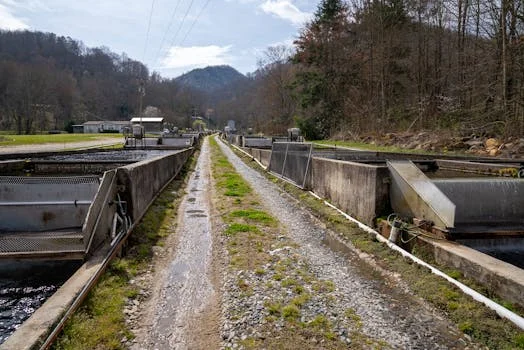
Selecting the optimal package wastewater treatment technology in Vietnam depends on influent characteristics, site constraints, and desired effluent quality, with MBBR dominating 65% of current installations due to its operational resilience. Each technology offers distinct advantages for specific industrial applications, from high-flow municipal wastewater to demanding industrial reuse scenarios. For instance, DAF best practices for high-FOG wastewater are crucial for food processing plants.
- MBBR (Moving Bed Biofilm Reactor): This technology is highly effective for dilute, high-flow wastewater streams typical of municipal utilities or food processing plants. MBBR systems utilize thousands of small plastic carriers with high surface areas to support microbial growth, offering robust biological treatment. They typically achieve 85–95% COD removal and require a compact footprint of 0.5–1 m²/m³/day. In Vietnam, MBBR systems are popular due to their low OPEX, high shock load capacity, and tolerance for power fluctuations, making them suitable for widespread adoption.
- SBR (Sequencing Batch Reactor): SBRs are ideal for treating wastewater with variable loads and flows, common in textile, chemical, and pharmaceutical plants. This technology operates in a batch mode, performing equalization, aeration, and clarification in a single tank, offering significant flexibility. SBRs typically achieve 80–90% COD removal and require a footprint of 1–2 m²/m³/day. Their adaptability makes them a rising choice in Vietnam's textile manufacturing hubs like Dong Nai and Binh Duong.
- DAF (Dissolved Air Flotation): DAF systems excel at removing high concentrations of fats, oils, grease (FOG), and suspended solids (TSS), making them indispensable for industries such as slaughterhouses, palm oil mills, and dairy processing. DAF works by dissolving air under pressure into wastewater, then releasing it at atmospheric pressure, creating microscopic bubbles that attach to pollutants and float them to the surface for skimming. DAF systems typically achieve 90–98% TSS removal.
- MBR (Membrane Bioreactor): MBR technology combines biological treatment with membrane filtration (microfiltration or ultrafiltration) to produce exceptionally high-quality effluent suitable for direct discharge or water reuse. This makes MBR ideal for industries requiring stringent discharge limits or seeking to implement MBR systems for water reuse in Vietnam’s electronics sector, such as electronics, pharmaceuticals, and high-tech manufacturing. MBR systems achieve 95–99% COD removal and boast the smallest footprint, ranging from 0.3–0.8 m²/m³/day. HydropureWater’s MBR integrated wastewater treatment systems offer superior effluent quality for critical applications.
Here’s a comparative overview of these package plant technologies:
| Technology | Primary Application | COD Removal (%) | TSS Removal (%) | Footprint (m²/m³/day) | Vietnam-Specific Consideration |
|---|---|---|---|---|---|
| MBBR | Dilute, high-flow (municipal, food processing) | 85–95 | 80–90 | 0.5–1 | Dominant (65%), low OPEX, power fluctuation tolerant |
| SBR | Variable loads (textile, chemical) | 80–90 | 85–95 | 1–2 | Rising in textile hubs for flexibility |
| DAF | High FOG/TSS (slaughterhouses, palm oil) | N/A (Pre-treatment) | 90–98 | 0.8–1.5 | Essential for food processing, high FOG industries |
| MBR | Water reuse quality (electronics, pharma) | 95–99 | >99 | 0.3–0.8 | Highest effluent quality, smallest footprint |
Cost Breakdown: Package Wastewater Treatment Plants in Vietnam (2025)
The total CAPEX for a package wastewater treatment plant in Vietnam ranges from $80K to $1.2M, with operational costs (OPEX) typically between $0.10 and $0.50 per cubic meter, influenced significantly by local labor, electricity, and import duties. These benchmarks are crucial for accurate budgeting for wastewater treatment cost Vietnam 2025. For a 100 m³/day MBBR system, CAPEX can start at approximately $80,000, while a 5,000 m³/day MBR system, designed for high-quality effluent and water reuse in Vietnam, can reach $1.2 million. These figures generally include equipment, civil works, and installation, with some sources suggesting $1,500–$2,500/m³/day for MBBR systems depending on complexity.
Key cost components to consider:
- Equipment & Technology: This is the largest CAPEX component. MBBR and SBR systems are generally less expensive than MBR due to simpler technology and lower membrane replacement costs. DAF systems vary based on capacity and material.
- Import Duties: Equipment sourced from ASEAN countries (e.g., China, Thailand) typically incurs 0–5% import duties due to free trade agreements. However, equipment from non-ASEAN regions (e.g., EU, US) can face higher duties, ranging from 10–20%, significantly impacting the overall CAPEX.
- Civil Works & Installation: Local labor costs for installation are estimated at $15–$30 per hour, while commissioning specialists might command $20–$50 per hour (Vietnam General Statistics Office 2024). The complexity of civil works, including foundation, piping, and electrical connections, also contributes significantly.
- Land Costs: The cost of land has a substantial impact on overall project CAPEX, especially in densely populated areas. For example, industrial land in Ho Chi Minh City at $1,200/m² can lead to a 20–30% higher CAPEX compared to regions like Hai Phong, where land costs might be around $400/m².
Operational Expenditures (OPEX) are equally critical for long-term financial planning:
- Electricity: Vietnam’s industrial electricity rates typically range from $0.08–$0.12/kWh. MBR systems, due to their higher pumping and aeration requirements, have higher power consumption ($0.20–$0.50/m³) compared to MBBR systems ($0.10–$0.30/m³).
- Chemicals: Costs for pH adjustment chemicals, coagulants, flocculants, and chlorine dioxide disinfection for QCVN 40 compliance vary based on influent quality and effluent targets.
- Maintenance & Spare Parts: Routine maintenance, labor, and replacement of consumables (e.g., MBBR media, DAF skimmers) are ongoing costs. For MBR systems, membrane replacement every 3–5 years represents a significant, recurring OPEX.
- Sludge Disposal: Costs associated with dewatering and disposing of generated sludge, which vary by region and volume.
The Return on Investment (ROI) for package plants in Vietnam is driven by several factors:
- Penalty Avoidance: Avoiding Decree 38 fines (up to 500 million VND/year) is a primary ROI driver.
- Water Reuse Savings: Implementing MBR systems for water reuse in Vietnam’s electronics sector can save approximately $0.50/m³ in fresh water costs, especially valuable for industries with high water demand.
- Government Incentives: The Vietnamese government offers incentives, such as a 10% corporate tax reduction for ISO 14001-certified plants, further improving ROI.
| Cost Component | Typical Range (Vietnam, 2025) | Notes |
|---|---|---|
| CAPEX (Total Plant) | $80K (100 m³/day MBBR) – $1.2M (5,000 m³/day MBR) | Includes equipment, civil works, installation |
| Import Duties (Equipment) | 0–5% (ASEAN), 10–20% (Non-ASEAN) | Based on equipment value |
| Local Labor (Installation) | $15–$30/hour | Vietnam General Statistics Office 2024 |
| Local Labor (Commissioning) | $20–$50/hour | Specialized skills |
| OPEX (MBBR) | $0.10–$0.30/m³ | Includes power, chemicals, maintenance |
| OPEX (MBR) | $0.20–$0.50/m³ | Higher power, membrane replacement (3-5 years) |
| Industrial Electricity | $0.08–$0.12/kWh | Vietnam industrial rates |
| Land Cost Impact | Ho Chi Minh City: $1,200/m²; Hai Phong: $400/m² | Can swing CAPEX by 20–30% |
How to Select a Package Wastewater Treatment Plant Supplier in Vietnam
Selecting a package wastewater treatment plant supplier in Vietnam requires a five-step evaluation process focusing on compliance verification, local support infrastructure, spare parts availability, relevant case studies, and financing options. This structured approach helps procurement teams identify reliable package plant suppliers Vietnam that can deliver long-term value and ensure operational continuity.
- Step 1: Verify Compliance with QCVN 40:2011/BTNMT. The absolute first step is to confirm the supplier’s ability to guarantee effluent quality that meets Vietnam’s national technical regulations. Request third-party test reports (e.g., from SGS, TÜV, or local accredited laboratories) for similar installations. These reports should demonstrate consistent compliance with parameters like COD, BOD, TSS, and pH. Suppliers should also be knowledgeable about Decree 38/2015/ND-CP and its implications for your specific industry.
- Step 2: Assess Local Support and Service Network. A critical factor for successful long-term operation in Vietnam is the supplier’s local presence. Evaluate if they have established service centers or dedicated technical teams in key industrial regions such as Ho Chi Minh City, Hanoi, or Da Nang. This ensures prompt response times for maintenance, troubleshooting, and operational support. For example, HydropureWater, with its Hangzhou HQ, maintains a dedicated Vietnam office to provide localized service.
- Step 3: Check Spare Parts Availability and Lead Times. Unplanned downtime due to unavailable spare parts can be costly. Inquire about the lead times for critical components such as MBR membranes, DAF pumps, blowers, and control system parts. Ideal lead times for essential spares should be less than two weeks. A local warehouse or a robust supply chain within Vietnam is a significant advantage.
- Step 4: Review Relevant Case Studies and References. Ask for specific case studies of package plant installations in Vietnam, particularly within your industry (e.g., textile plants in Binh Duong, food processors in Dong Nai, or municipal utilities). Contacting these references can provide invaluable insights into the supplier’s project execution, post-installation support, and system performance under local conditions.
- Step 5: Compare Financing Options and Guarantees. Beyond the initial CAPEX, explore the financing options offered or facilitated by suppliers. Local banks in Vietnam, such as Vietcombank, often provide green loans at competitive interest rates (e.g., 5–7%) for environmentally friendly projects, especially for ISO 14001-certified plants. Understand the warranty terms, performance guarantees, and any service level agreements (SLAs) provided by the supplier.
5 Pre-Vetted Package Wastewater Treatment Plant Suppliers for Vietnam (2025)
Five pre-vetted package wastewater treatment plant suppliers demonstrate proven experience in Vietnam, offering diverse technical strengths, local presence, and competitive pricing for industrial and municipal applications. This comparison table provides a starting point for procurement teams to shortlist vendors based on their specific project requirements and budget.
| Supplier | Origin/Local Presence | Key Strengths | Price Range (CAPEX) | Relevant Vietnam Case Study/Focus |
|---|---|---|---|---|
| HydropureWater | China/Vietnam (Ho Chi Minh City office) | MBBR/SBR expertise, cost-effective solutions, local service | $80K–$900K | 300 m³/day textile plant in Binh Duong (COD < 120 mg/L) with HydropureWater’s MBBR package plants for Vietnam’s industrial zones |
| Organo Vietnam | Japan/Vietnam | DAF/MBBR for food processing, industrial wastewater | $100K–$1.2M | 200 m³/day slaughterhouse in Dong Nai (TSS < 50 mg/L) |
| JFE Engineering | Japan/Vietnam | Large-scale MBBR (500–5,000 m³/day), municipal focus | $500K–$2M | Hanoi municipal plant (270,000 m³/day capacity) |
| Veolia Water Technologies | France/Global (Vietnam projects) | MBR for water reuse, advanced industrial treatment | $200K–$1.5M | Electronics manufacturing plant in Hai Phong (TOC < 5 mg/L effluent) |
| Vinaconex | Vietnam (Local) | Low-cost SBR solutions, local construction, smaller scale | $60K–$500K | 150 m³/day garment factory in Long An (BOD < 30 mg/L), typically < 1,000 m³/day |
Frequently Asked Questions
Common inquiries regarding package wastewater treatment plants in Vietnam address typical lead times, adaptability to seasonal variability, maintenance requirements, government incentives, and specific steps for QCVN 40:2011/BTNMT compliance.
Q: What is the typical lead time for a package wastewater treatment plant in Vietnam?
A: The typical lead time is 8–12 weeks for MBBR/SBR systems and 12–16 weeks for MBR systems. This timeframe includes manufacturing (often from China or Thailand), international shipping, customs clearance, and local installation. For smaller systems (< 500 m³/day) from local Vietnamese suppliers like Vinaconex, delivery and installation can be as quick as 4–6 weeks.
Q: Can package plants handle Vietnam’s seasonal rainfall variability?
A: Yes, package plants can handle Vietnam’s seasonal rainfall variability, but the design must account for potential 20–30% flow spikes during monsoon seasons. This is typically achieved through integrated equalization tanks to buffer influent flow and concentration, or by using technologies like SBRs with adjustable cycle times. MBBR systems are particularly resilient to dilute influent, maintaining performance even during periods of heavy rainfall.
Q: What are the maintenance requirements for a package plant in Vietnam?
A: Maintenance requirements vary by technology. Weekly tasks include checking aeration systems, sludge levels, and chemical dosing pumps. Monthly, operators should clean MBR membranes (if applicable), replace DAF skimmer blades, and calibrate sensors. Annually, key components like MBR membranes or MBBR media may require replacement. Local labor for maintenance typically costs $20–$50 per hour.
Q: Are there government incentives for installing package plants in Vietnam?
A: Yes, there are government incentives. Decree 38/2015/ND-CP offers a 10% corporate tax reduction for enterprises that install wastewater treatment systems and obtain ISO 14001 certification. Additionally, the Vietnam Environment Protection Fund (VEPF) provides low-interest loans, typically at 5–7%, for environmental protection projects, including wastewater treatment plants, especially those located in industrial zones.
Q: How do I ensure my package plant meets QCVN 40:2011/BTNMT?
A: To ensure your package plant meets QCVN 40:2011/BTNMT, start with a thorough characterization of your influent wastewater (COD, BOD, TSS, pH, heavy metals). Based on this, select the appropriate treatment technology (e.g., MBBR for high COD removal, DAF for high TSS/FOG). If necessary, incorporate tertiary treatment stages like sand filtration or chlorine dioxide disinfection to achieve stringent limits. Finally, install online monitoring systems for key parameters (pH, DO, turbidity) and establish regular laboratory testing protocols for accurate reporting to DONRE.