In Ivory Coast, DAF (Dissolved Air Flotation) systems are critical for treating high-strength industrial wastewater—removing 90–98% of suspended solids (TSS) and 70–90% of chemical oxygen demand (COD) at flow rates from 10 to 300 m³/h. Local projects, like a 50 m³/d cosmetic plant in Abidjan, demonstrate DAF’s efficacy, but costs ($80K–$450K) and compliance with Ivory Coast’s 2025 discharge standards (e.g., <30 mg/L TSS for industrial effluent) require careful supplier selection. This guide provides technical specs, cost benchmarks, and a vetted supplier checklist for Ivory Coast facilities.
Why DAF Systems Are Essential for Ivory Coast’s Industrial Wastewater
The manufacturing sector in Ivory Coast is expanding at an annual rate of 6.5% according to 2024 World Bank data, placing unprecedented pressure on existing hydraulic infrastructure and local water bodies. In industrial hubs like the Yopougon and Vridi zones in Abidjan, the discharge of untreated effluent from cosmetic, dairy, and food processing facilities has led to heightened regulatory scrutiny. These industries typically produce wastewater characterized by high concentrations of fats, oils, and grease (FOG) and suspended organic matter that traditional gravity-based clarifiers cannot efficiently separate.
For instance, a standard cosmetic manufacturing plant in Abidjan producing 50 m³/d with peak flows of 10 m³/h requires rapid separation technology to handle the emulsified oils used in lotions and soaps. DAF systems utilize micro-bubbles to float these contaminants to the surface, achieving up to 70% COD reduction in dairy applications and virtually 100% removal of free FOG. This is particularly relevant as Abidjan generates approximately 4,000 tons of food waste daily, which, if improperly managed in liquid form, contributes to significant methane emissions and the eutrophication of the Ébrié Lagoon.
Environmental pressures are now backed by financial consequences. Under the updated regulatory framework, discharge violations in Ivory Coast can result in fines ranging from $5,000 to $50,000 per occurrence. When compared to alternatives, DAF systems for Ivory Coast industrial wastewater offer a 30% smaller footprint than traditional sedimentation tanks and 50% lower chemical consumption than electrocoagulation methods, making them the preferred choice for space-constrained urban factories.
How DAF Systems Work: Technical Specifications for Ivory Coast Projects
DAF systems operate on the principle of altering the buoyancy of suspended particles by attaching them to micro-bubbles, typically ranging from 20 to 50 μm in diameter. The process begins with the saturation of a portion of the treated effluent with compressed air at pressures between 4 and 6 bar. When this air-saturated water is released into the flotation tank at atmospheric pressure, the dissolved air precipitates as millions of tiny bubbles. These bubbles collide with and attach to flocculated particles, lifting them to the surface to form a thickened sludge blanket that is mechanically skimmed off.
Engineers specifying systems for Ivory Coast must consider the balance between air-to-solids (A/S) ratios and hydraulic loading rates. For high-strength industrial effluent, a recycle ratio of 15% to 30% is standard. Performance benchmarks for a well-designed DAF system include 90–98% TSS removal and 95–99% FOG removal. These metrics are vital for facilities transitioning between secondary vs. tertiary wastewater treatment stages to meet final discharge limits.
| Parameter | Standard Specification | Industrial Performance (Ivory Coast) |
|---|---|---|
| Flow Rate Capacity | 4 – 300 m³/h | Scalable for 50 m³/d to 5,000 m³/d plants |
| Saturation Pressure | 4 – 6 Bar | Optimized for high-temperature Abidjan climate |
| Bubble Size | 20 – 50 μm | High-efficiency attachment for organic flocs |
| Energy Consumption | 0.2 – 0.5 kWh/m³ | Significantly lower than MBR (0.8–1.2 kWh/m³) |
| Footprint Requirement | 1.5 – 3 m² per m³/h | 200 m² for a 100 m³/h system |
Energy efficiency is a major consideration given the rising industrial electricity tariffs in West Africa. Modern DAF units utilize high-efficiency saturation pumps and automated chemical dosing for DAF optimization, ensuring that polymer and coagulant use is precisely matched to the incoming pollutant load, preventing chemical waste and reducing OPEX.
Ivory Coast Wastewater Compliance: Discharge Standards and Permitting
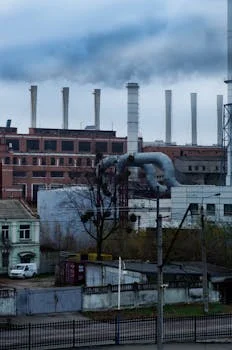
Ivory Coast regulates industrial discharge primarily through the Ivory Coast Water Code (2020) and Decree No. 2023-542, which establishes strict limits for industrial effluent. Additionally, the Abidjan Municipal Bylaw 12/2024 mandates pre-treatment for any facility discharging into the municipal sewer network. These regulations aim to protect the lagoon ecosystems and ensure that heavy organic loads do not overwhelm municipal treatment works.
The 2025 compliance targets require effluent to meet specific concentrations before discharge. DAF technology is specifically engineered to bridge the gap between raw process water and these legal thresholds. Failure to comply results in fines; the Ivorian Ministry of Environment has increased enforcement, with 2024 case studies showing production halts for several manufacturing units in the San Pédro region due to persistent TSS violations.
| Pollutant Parameter | Ivory Coast Limit (2025) | DAF Typical Effluent | Compliance Status |
|---|---|---|---|
| Total Suspended Solids (TSS) | < 30 mg/L | 15 – 25 mg/L | Compliant |
| Chemical Oxygen Demand (COD) | < 125 mg/L | 80 – 110 mg/L | Compliant |
| Fats, Oils, and Grease (FOG) | < 10 mg/L | < 5 mg/L | Compliant |
| pH | 6.5 – 8.5 | 6.5 – 8.0 | Compliant |
The permitting process for a new DAF installation typically takes 6 to 12 months. It requires a comprehensive Environmental Impact Assessment (EIA), detailed technical specifications of the treatment unit, and operator certifications. Application fees and administrative costs generally range from $2,000 to $10,000, depending on the facility's size and the complexity of the discharge profile.
DAF System Costs in Ivory Coast: Budgeting and ROI Analysis
Capital expenditure (CAPEX) for DAF systems in Ivory Coast typically ranges from $80,000 for small-scale 10 m³/h units to over $450,000 for large-scale 300 m³/h industrial installations. These figures include the flotation unit, saturation system, chemical dosing skids, and basic control automation. While the initial investment is significant, the operational expenditure (OPEX) is relatively low, averaging between $0.15 and $0.40 per cubic meter of treated water.
Return on investment (ROI) is driven by three primary factors: the avoidance of environmental fines, the reduction in freshwater procurement costs through water reuse, and the potential valorization of recovered byproducts. In the food processing sector, the "sludge" recovered from DAF units often contains high levels of fats that can be processed for biodiesel or animal feed. Many facilities find that wastewater treatment plant cost analysis justifies the system within 24 to 36 months solely through the avoidance of the $5,000+ monthly fines common in Abidjan's industrial zones.
| System Capacity (m³/h) | Estimated CAPEX (USD) | Annual OPEX (USD) | Avg. Payback Period |
|---|---|---|---|
| 10 m³/h | $80,000 – $110,000 | $12,000 | 3.5 Years |
| 50 m³/h | $160,000 – $210,000 | $45,000 | 2.5 Years |
| 100 m³/h | $240,000 – $300,000 | $85,000 | 2.0 Years |
| 300 m³/h | $400,000 – $450,000 | $220,000 | 1.8 Years |
Financing for these projects is increasingly accessible through the World Bank Green Climate Fund, which offers grants covering up to 70% of the cost for sustainable water projects in West Africa. Local Ivorian banks also provide industrial equipment loans with interest rates typically between 8% and 12%, often requiring a technical audit as part of the approval process.
Selecting a DAF Supplier for Ivory Coast: Comparison and Checklist
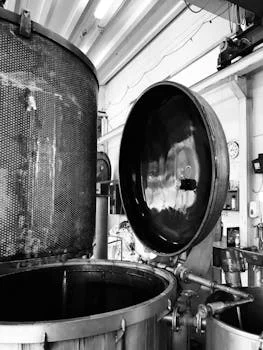
When selecting a DAF supplier for Ivorian industrial projects, local support in Abidjan and a robust spare parts inventory are critical. Given the tropical humidity and potential for power fluctuations, systems must be built with high-grade stainless steel (SS304 or SS316) and include surge protection for control panels. A supplier without a regional presence often fails to provide the 24/7 technical support required to prevent production downtime during a system malfunction.
When comparing vendors, look for those who provide comprehensive wastewater treatment solutions in West Africa and can demonstrate successful case studies within Ivory Coast or neighboring Ghana and Cameroon. Avoid suppliers who cannot provide ISO 9001 certification or clear performance guarantees regarding the 2025 discharge limits.
| Supplier Category | Capacity Range | Lead Time | Local Support | Compliance Expertise |
|---|---|---|---|---|
| HydropureWater | 4 – 300 m³/h | 8 – 12 Weeks | Regional Partners | High (Ivory Coast Code) |
| European Specialty OEM | 10 – 200 m³/h | 16 – 24 Weeks | Limited (Remote) | High (EU Standards) |
| Regional Fabricator | 5 – 50 m³/h | 6 – 10 Weeks | High (Abidjan) | Medium |
| North American OEM | 50 – 500 m³/h | 20 – 30
Get a Free Quote — Tell Us About Your Project
Contact Us
|