Cameroon’s 2025 wastewater treatment market demands package plants that handle high turbidity (up to 3,000 mg/L TSS), frequent power outages, and compliance with MINEE’s 2023 effluent standards (e.g., <30 mg/L BOD, <50 mg/L COD). Prefabricated systems like HydropureWater’s WSZ Series (1–80 m³/h) offer 92–97% COD removal and can be deployed in 4–8 weeks, with costs ranging from $15,000 for a 5 m³/day mobile unit to $500,000 for a 200 m³/day industrial system. Solar-powered options are critical for off-grid sites, while modular designs allow phased expansions as demand grows.
Why Cameroon Needs Package Wastewater Treatment Plants in 2025
Cameroon’s urban wastewater treatment coverage is critically low, estimated at less than 30% by the World Bank in 2023. Major cities like Douala and Yaoundé discharge over 80% of their untreated effluent directly into rivers, as reported by MINEE in 2024, leading to severe environmental degradation and public health risks. Industrial sectors, including food processing, textiles, and palm oil, face significant financial penalties from MINSANTE, with fines reaching up to 10 million XAF ($16,500) for non-compliance with effluent standards such as BOD <30 mg/L, COD <50 mg/L, and TSS <30 mg/L (MINSANTE Decree 2024-042). This regulatory pressure mandates effective wastewater management solutions.
rural communities predominantly rely on pit latrines, resulting in widespread groundwater contamination with E. coli levels that are 10–100 times higher than WHO limits, according to UNICEF data from 2024. This contamination directly impacts drinking water sources and agricultural practices, necessitating decentralized and robust treatment solutions. Package wastewater treatment plants offer a compelling solution to these challenges due to their rapid deployment capabilities, modular scalability, and significantly lower Capital Expenditure (CAPEX) compared to complex, custom-built treatment facilities. They provide a standardized, efficient, and compliant approach to addressing Cameroon’s urgent wastewater treatment needs across diverse settings, from urban hotels facing fines to remote communities seeking clean water.
Technical Specs: Matching Package Plants to Cameroon’s Conditions
Influent quality in Cameroon varies significantly, with rural areas often presenting Total Suspended Solids (TSS) between 500–3,000 mg/L, while urban municipal wastewater typically ranges from 200–800 mg/L. Industrial effluents, particularly from sectors like food processing or palm oil mills, can exhibit Biochemical Oxygen Demand (BOD) loads from 200–1,500 mg/L and pH levels fluctuating between 5–9, requiring robust pre-treatment and resilient biological processes (HydropureWater field data, 2025).
Cameroon’s tropical climate poses specific challenges for wastewater infrastructure. High humidity, consistently between 80–95%, accelerates corrosion of metallic components, necessitating durable, anti-corrosion coatings or non-metallic construction materials. Ambient temperatures, ranging from 25–35°C, require careful design of aeration systems to optimize oxygen transfer efficiency and maintain stable biological treatment performance. Power constraints are another critical factor; average grid outages of 8–12 hours per day in Douala mandate the integration of solar/battery backup systems or generator-ready configurations to ensure continuous operation and prevent treatment upsets. For instance, the WSZ Series underground package plant for Cameroon’s urban and rural projects is designed with options for resilient power integration.
Common wastewater treatment methods suitable for Cameroon include the A/O (Anaerobic/Anoxic/Oxic) biological contact oxidation process, exemplified by systems like the WSZ Series, which are effective for high organic loads typical of domestic and some industrial effluents. For applications requiring reuse-quality effluent, such as in hotels or hospitals, MBR systems for reuse-quality effluent in Cameroon’s hotels and hospitals integrate ultrafiltration membranes, achieving superior removal of TSS and pathogens. Industries with high levels of Fats, Oils, and Grease (FOG), like food processing, often necessitate DAF systems for Cameroon’s food processing and textile industries as a primary treatment step. Footprint requirements for these systems are highly variable: a 1 m³/day mobile system occupies approximately 2 m², while a fixed, above-ground unit of the same capacity might require 5 m². A 50 m³/day system can be as compact as 20 m² for an underground installation, versus 50 m² for an above-ground plant, balancing land availability with operational access.
| Parameter | Typical Influent (Cameroon) | WSZ Series Effluent Target | MBR Effluent Target | DAF Application |
|---|---|---|---|---|
| Flow Rate (m³/day) | 5 - 200 | 1 - 200 | 5 - 100 | 10 - 500 (pre-treatment) |
| TSS (mg/L) | 200 - 3,000 | <30 | <5 | Removal of FOG & suspended solids |
| BOD₅ (mg/L) | 200 - 1,500 | <30 | <10 | Reduction of organic load |
| COD (mg/L) | 400 - 3,000 | <50 | <20 | Reduction of organic load |
| pH | 5 - 9 | 6 - 9 | 6 - 9 | Neutralization (if needed) |
| Footprint (m²/m³/day) | N/A | 0.2 - 0.5 (fixed) | 0.1 - 0.3 (fixed) | 0.05 - 0.1 (fixed) |
| Power Consumption (kWh/m³) | N/A | 0.3 - 0.8 | 0.8 - 1.5 | 0.2 - 0.5 |
Cost Breakdown: Package Wastewater Treatment Plants in Cameroon (2025)
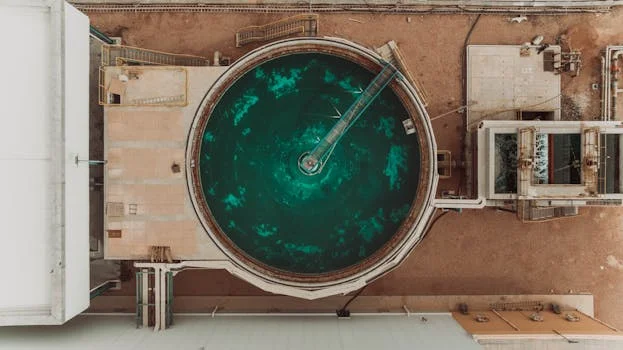
Capital Expenditure (CAPEX) for package wastewater treatment plants in Cameroon varies significantly based on capacity and technology, with systems for rural communities and small establishments (5–10 m³/day) typically ranging from $15,000 to $30,000. Mid-sized applications, such as hotels or hospitals requiring 20–50 m³/day, can expect CAPEX between $50,000 and $150,000. Larger industrial systems, handling 100–200 m³/day, command prices from $200,000 to $500,000 (Industry benchmarks, 2025). These figures reflect the cost of the unit, basic installation, and commissioning.
Operational Expenditure (OPEX) is a critical factor in long-term budgeting. Electricity costs typically fall between $0.10–$0.30/m³, though integrating solar power can reduce this by approximately 40%. Chemical consumption, particularly for pH adjustment, coagulation, or disinfection, adds $0.05–$0.15/m³. For advanced systems like MBR, membrane replacements are a recurring cost, estimated at $500–$2,000 per year, depending on the membrane type and influent quality. Key cost drivers include the influent quality (high TSS or BOD necessitates more intensive treatment and higher chemical usage), the power source (solar integration can add 20–30% to the initial CAPEX but yields substantial OPEX savings), and local labor rates, which differ between urban centers like Yaoundé ($15–$25/hour for skilled technicians) and rural areas ($5–$10/hour).
Several financing options are available to mitigate initial investment. MINEE offers grants, sometimes covering up to 50% of project costs for rural wastewater initiatives, aligning with national development goals. Institutions like the African Development Bank (AfDB) also provide loans for water infrastructure projects. Additionally, some suppliers offer leasing programs, allowing organizations to acquire necessary equipment without a large upfront capital outlay. Understanding Angola’s 2025 wastewater treatment requirements and cost benchmarks or Lagos’ wastewater treatment plant costs and ROI benchmarks for 2025 can provide comparative insights for regional projects.
| Capacity (m³/day) | Application | Estimated CAPEX (USD) | Estimated OPEX (USD/m³) | Key Cost Drivers |
|---|---|---|---|---|
| 5 - 10 | Rural Community, Small Hotel | $15,000 - $30,000 | $0.20 - $0.45 | Simplicity, modularity, local labor |
| 20 - 50 | Medium Hotel, Hospital, School | $50,000 - $150,000 | $0.15 - $0.35 | Technology (MBR higher), solar integration |
| 100 - 200 | Industrial Facility, Large Resort | $200,000 - $500,000 | $0.10 - $0.30 | Influent quality, automation, civil works |
Compliance Checklist: Cameroon’s 2025 Wastewater Treatment Laws
MINEE Decree 2023-001 sets stringent effluent limits for discharges into the environment, mandating Biological Oxygen Demand (BOD) below 30 mg/L, Chemical Oxygen Demand (COD) below 50 mg/L, Total Suspended Solids (TSS) below 30 mg/L, and a pH range of 6–9. Adhering to these standards is non-negotiable for all industrial and municipal wastewater discharges in Cameroon. For sensitive applications, MINSANTE Decree 2024-042 further specifies mandatory disinfection, typically through chlorine or UV sterilization, for effluent originating from hospitals and food processing facilities to prevent the spread of pathogens. This requires the integration of disinfection units like chlorine dioxide generators into the treatment train.
Beyond national legislation, local municipal codes impose additional requirements. Douala, for instance, often requires industrial facilities to implement pre-treatment systems before discharging into municipal sewers, focusing on removing heavy metals, FOG, and high organic loads. Yaoundé mandates a minimum of 90% BOD removal for hotels and other commercial establishments, ensuring that treated water has minimal environmental impact. Package plants are engineered to meet these diverse requirements: the WSZ Series, with its A/O biological treatment, sedimentation, and integrated disinfection, is designed for broad compliance. Medical wastewater treatment systems, often incorporating MBR technology, achieve ultrafiltration for pathogen removal, critical for hospital effluent. DAF systems are specifically tailored for FOG removal in food industries, preventing blockages and ensuring compliance with pre-treatment mandates.
Documentation requirements are comprehensive for permit applications. Facilities must submit influent and effluent test reports from ISO 17025 accredited laboratories, detailed system schematics, a comprehensive maintenance plan, and records of operator training. These documents demonstrate the plant's capacity for sustained compliance and proper operation, forming the backbone of the regulatory approval process.
Mobile vs. Fixed Package Plants: Which is Right for Your Project?
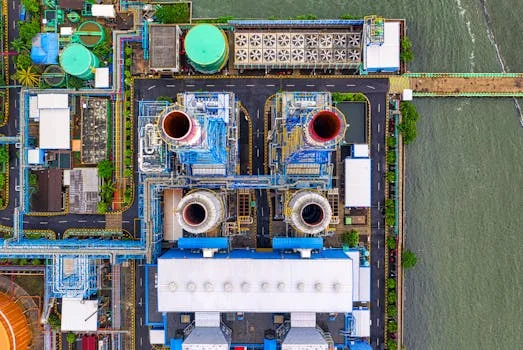
Mobile package wastewater treatment systems, often mounted on trailers or skid-based containers, are ideally suited for temporary sites such as construction camps, remote exploration facilities, or emergency response scenarios, offering unparalleled flexibility and rapid deployment. Their redeployable nature makes them a cost-effective choice for phased expansions or projects with uncertain long-term needs, despite a CAPEX that can be 10–20% higher than equivalent fixed systems due to specialized fabrication and mobility features. For instance, a mobile package wastewater treatment plant in Cameroon can be quickly moved to serve a new mining site in the East Region.
Fixed package plants, whether installed underground or above-ground, are designed for permanence and offer lower operational expenditure (OPEX) over their lifespan. They are the preferred solution for long-term applications like hotels, hospitals, factories, and permanent residential communities. While fixed systems require initial civil works, including foundation pouring and landscaping, they integrate seamlessly into existing infrastructure and often have a smaller visible footprint, especially underground WSZ Series underground package plant for Cameroon’s urban and rural projects. The choice between mobile and fixed systems depends heavily on the project's specific use-case matching: mobile units are excellent for addressing the dynamic needs of rural communities in areas like the Northwest Region, where infrastructure development is ongoing, while fixed plants are optimal for established urban hotels in Douala, seeking consistent, low-maintenance operation.
| Feature | Mobile Package Plant | Fixed Package Plant |
|---|---|---|
| Deployment Speed | 4-8 weeks (plug & play) | 8-16 weeks (incl. civil works) |
| Flexibility | High (redeployable, temporary sites) | Low (permanent installation) |
| CAPEX | 10-20% higher (unit cost) | Lower (unit cost, but add civil works) |
| OPEX | Potentially higher (relocation, maintenance) | Lower (stable operation, less relocation) |
| Site Preparation | Minimal (level pad) | Extensive (foundation, piping, landscaping) |
| Ideal Use Cases | Construction camps, emergency, rural, phased growth | Hotels, hospitals, factories, permanent communities |
| Footprint | Compact, containerized | Can be underground, above-ground, integrated |
Supplier Vetting Checklist: 7 Questions to Ask Before Buying
A robust local service network is paramount for minimizing downtime and ensuring the longevity of a package wastewater treatment plant in Cameroon. Prospective buyers should inquire whether the supplier maintains certified technicians in major cities like Douala or Yaoundé, and what their guaranteed response time is for critical breakdowns (Industry best practice, 2025). This directly impacts operational continuity and avoids costly interruptions.
Secondly, confirm the availability of critical spare parts. Are essential components such as membranes, pumps, and sensors stocked within Cameroon, or do they require lengthy import processes? Understanding the typical lead time for replacement parts is crucial for planning maintenance and avoiding extended shutdowns. Thirdly, comprehensive documentation is vital for both operation and regulatory compliance. Request confirmation that manuals, operation guides, and electrical schematics are provided in both French and English, and that detailed schematics are available for permit applications to MINEE or MINSANTE.
Fourth, clarify the warranty terms. Beyond the standard 1-year warranty, inquire about extended 3–5 year options and precisely what aspects are covered (parts, labor, and guaranteed effluent performance). Fifth, request relevant case studies or references for projects the supplier has successfully implemented in Cameroon, specifically for similar applications (e.g., hotels, hospitals, or factories). Sixth, ascertain the scope of operator training provided. Is it on-site, remote, or a blended approach, and does it cover routine maintenance, troubleshooting, and safety protocols? Finally, ask about compliance support. Will the supplier assist with permit applications, provide guidance on effluent testing, and help navigate local regulatory requirements?
Frequently Asked Questions
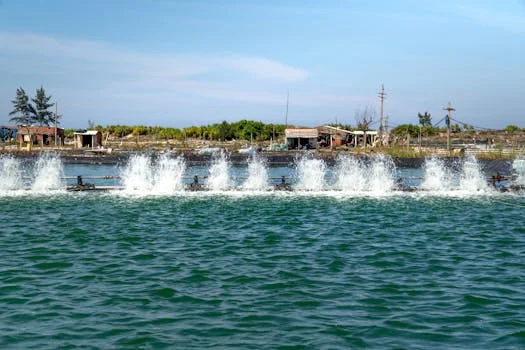
The typical lead time for a standard package wastewater treatment plant in Cameroon, designed for capacities between 5–50 m³/day, is generally 4–8 weeks from order confirmation to delivery. However, custom-designed systems for larger industrial applications (100+ m³/day) or those with specialized treatment requirements can extend lead times to 12–16 weeks due to engineering and fabrication complexities (HydropureWater field data, 2025).
Yes, package plants can handle Cameroon’s high turbidity water, but effective pre-treatment is essential for influent with Total Suspended Solids (TSS) exceeding 1,000 mg/L. This often involves preliminary sedimentation tanks or Dissolved Air Flotation (DAF) systems to reduce the solids load before biological treatment. HydropureWater’s WSZ Series, for example, incorporates anoxic and aerobic stages designed to manage high organic and suspended solids loads, ensuring efficient treatment even with challenging influent quality.
Solar-powered systems are indeed reliable in Cameroon’s climate, offering a sustainable solution for off-grid or power-constrained sites. However, system design must include adequate battery storage capacity, typically accounting for 2–3 days of autonomy, to compensate for periods of cloud cover or extended low sunlight. While solar integration can add 20–30% to the initial CAPEX, it significantly reduces OPEX by up to 40% over the plant's operational lifetime, providing a strong return on investment.
Maintenance requirements for package wastewater treatment plants vary by technology but generally follow a structured schedule. Weekly tasks typically include checking aeration system performance, skimming any accumulated scum (especially in DAF systems), and verifying chemical dosing rates. Monthly, operators should test effluent quality, clean membranes in MBR systems, and inspect pumps for wear. Annually, more extensive maintenance is required, such as replacing membranes in MBR systems or media in biofilters, and conducting comprehensive equipment overhauls.
To obtain a permit for a wastewater treatment plant in Cameroon, applicants must submit a comprehensive application to the relevant authority: MINEE (Ministry of Environment, Protection of Nature and Sustainable Development) for industrial discharges or MINSANTE (Ministry of Public Health) for hospital and food processing effluents. The application package typically includes: (1) detailed system schematics, (2) recent influent and effluent test reports from an ISO 17025 accredited laboratory, (3) a comprehensive maintenance plan for the facility, and (4) certificates demonstrating operator training and competence. This process ensures regulatory compliance and environmental protection.