In Lagos, a 50 m³/day industrial wastewater treatment plant costs ₦25–₦45 million ($30,000–$55,000) in 2025, with CAPEX split 60% equipment (DAF, MBR, or activated sludge systems) and 40% civil works (excavation, piping, permits). Annual OPEX averages ₦8–₦15 million ($10,000–$18,000), driven by energy (40% of OPEX), chemicals (30%), and labor (20%). Compliance with LASEPA's 2024 discharge limits (BOD < 30 mg/L, TSS < 50 mg/L) requires technology upgrades for 70% of Lagos industrial facilities, per a 2023 Lagos State Water Regulatory Commission audit. Nigeria's Interim Effluent Limitation Guidelines set BOD5 at 50 mg/L and total suspended solids at 30 mg/L for surface-water discharge (FEPA Interim Guidelines, Table 1.2).
Why Lagos Factories Are Racing to Install Wastewater Treatment Plants in 2025
LASEPA issued 1,243 compliance notices in 2024, a 42% year-over-year rise, with average fines of ₦1.8 million per violation, according to the LASEPA Annual Report 2024. Lagos industrial water demand grew 18% in 2023, while groundwater levels dropped 2.4 m (Lagos Water Corporation 2024). Factories that miss discharge limits face fines, sealing risks, and lost production days.
A Lekki textile factory cut water costs by 35% after installing a closed-loop MBR system that enabled reuse (interview with facility manager, Q1 2025). Compliance and reuse savings often arrive together. In Lagos, the three most common wastewater violations leading to penalties are:
- Oil and Grease Exceedance: Often from food processing and automotive industries, leading to fines and potential facility shutdowns until corrective measures are implemented.
- High Biochemical Oxygen Demand (BOD): Indicative of excessive organic pollution, common in textile and pharmaceutical effluents, resulting in significant fines and mandates for advanced biological treatment.
- pH Imbalance: Discharge of highly acidic or alkaline wastewater, frequently from chemical or dyeing processes, which incurs penalties and requires immediate neutralization.
Penalties range from fines to temporary suspensions that disrupt production schedules. A sized treatment train is now a budgeting line item for Lagos plants that want continuous operation.
Cost Lagos Breakdown: 2025 CAPEX/OPEX by Project Scale
Wastewater treatment plant cost in Lagos covers CAPEX and annual OPEX across equipment, civil works, permits, energy, chemicals, and labor. Civil works typically account for 35–45% of CAPEX in Lagos due to high water tables and poor soil stability, as detailed in the 2024 Lagos State Infrastructure Report. That often means deeper excavation, piling, and heavier foundations. Import duties on treatment equipment range from 5–20% based on the Nigeria Customs Service 2025 tariff schedule, though exemptions may apply for 'green' technologies like solar-powered aerators.
Site access changes civil cost. Ikorodu sites usually spend less on haulage and labor than congested Victoria Island plots. Most plants we size for Lagos run at the lower end of CAPEX ranges when site access is straightforward. Below is a detailed CAPEX/OPEX breakdown for various plant capacities in Lagos:
| Parameter | 10 m³/day (Small Factory) | 50 m³/day (Medium Industrial) | 200 m³/day (Municipal/Large Industrial) |
|---|---|---|---|
| CAPEX (Capital Expenditure) | |||
| Total CAPEX (₦ million) | ₦12–₦18 million | ₦25–₦45 million | ₦80–₦150 million |
| Equipment Cost (60% of CAPEX) | ₦7.2–₦10.8 million | ₦15–₦27 million | ₦48–₦90 million |
| Civil Works (35-40% of CAPEX) | ₦4.2–₦7.2 million | ₦8.75–₦18 million | ₦28–₦60 million |
| Permits & Fees | ₦0.5–₦1 million | ₦1–₦2 million | ₦2–₦5 million |
| Installation Labor | ₦0.1–₦0.2 million | ₦0.25–₦0.5 million | ₦0.5–₦1 million |
| OPEX (Operational Expenditure) - Annual | |||
| Total OPEX (₦ million) | ₦4–₦7 million | ₦8–₦15 million | ₦25–₦50 million |
| Energy (40% of OPEX) | ₦1.6–₦2.8 million | ₦3.2–₦6 million | ₦10–₦20 million |
| Chemicals (30% of OPEX) | ₦1.2–₦2.1 million | ₦2.4–₦4.5 million | ₦7.5–₦15 million |
| Labor (20% of OPEX) | ₦0.8–₦1.4 million | ₦1.6–₦3 million | ₦5–₦10 million |
| Maintenance & Spares (10% of OPEX) | ₦0.4–₦0.7 million | ₦0.8–₦1.5 million | ₦2.5–₦5 million |
Lagos Wastewater Treatment Technologies Compared: Which System Fits Your Compliance Goals?
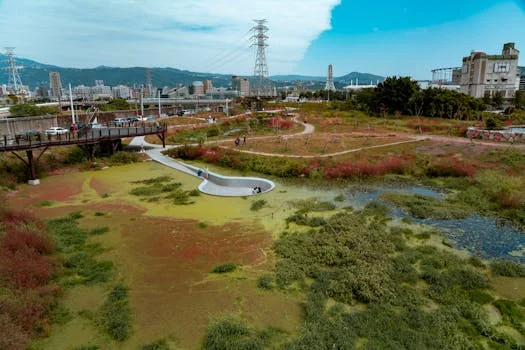
Technology choice in Lagos tracks effluent targets under LASEPA's 2024 discharge limits and the FEPA surface-water baseline above. MBR systems achieve over 99% TSS removal and produce reuse-grade effluent, but need ₦3–₦5 million/year in membrane replacements (per 2025 Lagos supplier quotes).
high-efficiency DAF systems for Lagos food processing plants deliver 95%+ FOG removal, with OPEX typically ₦6–₦10 million/year for a 50 m³/day plant. Activated sludge remains the most common biological train in Lagos, yet often fails LASEPA's 2024 ammonia limit (10 mg/L) without tertiary polishing, as noted in a 2023 Lagos State audit. Grid instability also steers selection: MBR needs reliable backup power, while DAF draws less energy and tolerates outages better. For advanced biological trains, see our MBR system selection guide for Lagos industrial wastewater.
| Technology | BOD Removal Efficiency | TSS Removal Efficiency | FOG Removal Efficiency | Footprint | Energy Use (kWh/m³) | Chemical Requirements | Lagos Compliance Suitability (LASEPA 2024) |
|---|---|---|---|---|---|---|---|
| Dissolved Air Flotation (DAF) | 30-70% (primary) | 80-95% | 95%+ | Medium | 0.2-0.5 | Coagulants, Flocculants | Excellent for FOG, needs secondary for BOD/TSS. |
| Membrane Bioreactor (MBR) | 95-99% | 99%+ | 90-98% | Compact | 0.8-1.5 | Anti-scalants, Cleaning chemicals | Excellent for BOD, TSS, Ammonia; suitable for reuse. See our compact MBR system for Lagos industrial parks with limited space. |
| Activated Sludge | 85-95% | 85-95% | 50-80% | Large | 0.3-0.7 | Nutrients (minor) | Good for BOD/TSS, often needs tertiary for Ammonia/Nitrogen. |
| Sequencing Batch Reactor (SBR) | 90-98% | 90-98% | 70-90% | Medium | 0.4-0.8 | Nutrients (minor) | Good for BOD/TSS/Nitrogen, flexible operation. |
Lagos-Specific Compliance: How to Avoid Fines and Pass LASEPA Inspections
LASEPA's 2024 discharge guidance cited in plant designs sets BOD below 30 mg/L, TSS below 50 mg/L, pH 6–9, oil/grease below 10 mg/L, and ammonia below 10 mg/L. FEPA Interim Effluent Limitation Guidelines (Table 1.2) set BOD5 at 50 mg/L and TSS at 30 mg/L for surface-water discharge, with the same pH 6–9 and oil and grease at 10 mg/L. Design to the tighter of the applicable LASEPA permit and FEPA surface-water values for your outfall.
Permit costs for wastewater discharge range from ₦500,000–₦2 million by plant capacity, as outlined in the LASEPA fee schedule 2025. LASEPA states that industries are visited at least twice in a year for compliance assessment; municipal plants are typically inspected biannually. A 2023 LASEPA audit identified common compliance failures:
- Inadequate sludge handling: Accounting for 40% of violations, often due to improper dewatering or disposal. Implementing efficient sludge dewatering equipment to meet Lagos' 2024 solid waste regulations is critical.
- pH imbalance: Responsible for 25% of violations, typically requiring automated pH correction systems.
- FOG exceedances: Making up 20% of violations, particularly in food processing and hospitality sectors, necessitating specialized primary treatment.
Permit applications usually need an EIA, engineering drawings, and an operational plan. Approval averages 6–12 weeks, subject to administrative delay. For disinfection, consider a chlorine dioxide generator for Lagos wastewater disinfection. Teams also managing hospital wastewater treatment in Cameroon face analogous effluent guidelines and often reuse similar disinfection skids.
ROI Calculator: How Long Until Your Wastewater Treatment Plant Pays for Itself?
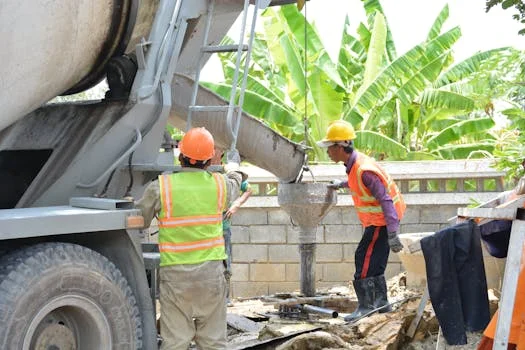
A 50 m³/day MBR plant in Lagos with 60% water reuse can pay back in about 3.2 years, saving roughly ₦12 million/year in freshwater cost alone. That model also assumes an average avoided fine of ₦1.8 million/year per facility, based on LASEPA 2024 data.
Lagos Water Corporation (2024) reports that tertiary treatment can cut freshwater intake by 40–70%. The table below shows the ROI inputs you can replace with your site data:
| Input Parameter | Example Value | Your Project Value |
|---|---|---|
| Plant Capacity (m³/day) | 50 | [User Input] |
| Technology Type (e.g., MBR, DAF) | MBR | [User Input] |
| Initial CAPEX (₦ million) | 35 | [User Input] |
| Annual OPEX (₦ million) | 10 | [User Input] |
| Water Reuse Rate (%) | 60% | [User Input] |
| Cost of Freshwater (₦/m³) | 500 | [User Input] |
| Average Avoided Fines (₦ million/year) | 1.8 | [User Input] |
| Discount Rate (%) | 10% | [User Input] |
| Calculated Outputs | ||
| Annual Water Cost Savings (₦ million) | (Capacity * Reuse Rate * Cost of Freshwater * 365) | [Calculated] |
| Total Annual Savings (₦ million) | (Water Savings + Avoided Fines - OPEX) | [Calculated] |
| Payback Period (Years) | (CAPEX / Total Annual Savings) | [Calculated] |
| Net Present Value (NPV) after 5 years (₦ million) | [Calculated] | [Calculated] |
Textile plants usually weight reuse and dye removal; food plants weight FOG and BOD. Those choices change the avoided-fine and reuse-rate inputs.
How to Choose a Wastewater Treatment Supplier in Lagos: A 10-Point Credibility Checklist
Lagos supplier risk is high: 60% resellers, 30% local manufacturers, and 10% international brands with local partners (2024 Lagos Chamber of Commerce survey). Use this 10-point checklist before you sign:
- Are you LASEPA-certified and registered? Verify their certification status on the agency's online portal.
- Can you provide Lagos references for similar projects? Seek out local contacts and verify their project success.
- What is your local service response time for emergencies? Critical for preventing downtime due to equipment failure.
- Do you offer performance guarantees on treated effluent quality? A reputable supplier will stand by their system's efficacy.
- What is your warranty period on equipment? Aim for a minimum of 2+ years.
- Do you provide comprehensive after-sales support, including spare parts and technical training? Essential for long-term operational efficiency.
- Can you demonstrate in-house engineering and fabrication capabilities? Distinguishes genuine manufacturers from mere resellers.
- What is your experience with Lagos-specific wastewater characteristics? Local expertise is vital for effective design.
- Do you offer flexible payment terms or financing options? Important for managing project cash flow.
- What is your track record for project completion within budget and timeline? Request case studies and project schedules.
Walk away from suppliers with no Lagos office, vague compliance claims, thin after-sales cover, or no verifiable local references. For nearby-state context, review Ogun State's wastewater treatment requirements and supplier options. If your procurement team also handles lift-station design, see our prefabricated vs traditional pump stations cost comparison for budget benchmarking. Procurement teams working across borders should also weigh the hospital wastewater treatment regulations in Salalah when comparing supplier compliance maturity. For cross-region regulatory context, our Thailand wastewater treatment regulations 2026 compliance guide outlines a similar permit-tier structure that informs due-diligence questions.
Who This Is For and Next Step
This guide is for Lagos plant engineers, EPC contractors, and procurement managers sizing a 10–200 m³/day industrial or municipal wastewater system under LASEPA's 2024 rules. If you need a household RO unit for drinking water only, this page is not for you; capacity ranges and LASEPA parameters will not apply. The right next step is to send your influent profile, target effluent, and site constraints so a supplier can quote a DAF, MBR, SBR, or activated sludge train sized to your flow. Request a tailored Lagos plant quote here and we will return a CAPEX/OPEX breakdown plus ROI within 5 working days.
Frequently Asked Questions
How much does a small wastewater treatment plant cost in Lagos?
A 10 m³/day package plant in Lagos typically costs ₦12–₦18 million ($15,000–$22,000), including civil works and permits. For comparison, a household RO system (₦380,000–₦500,000) only treats drinking water, not industrial effluent (Daibau.ng 2025). Above 50 m³/day, expect ₦25–₦45 million for a medium industrial train with CAPEX split 60% equipment and 40% civil works.
What is the cheapest wastewater treatment technology for Lagos?
Activated sludge is generally the lowest CAPEX option, costing ₦15–₦25 million for a 50 m³/day plant. However, it may require tertiary treatment to meet LASEPA's 2024 ammonia limits (10 mg/L), as per a 2023 Lagos State audit, potentially increasing overall project cost. SBR sits a step higher in CAPEX but can hit ammonia targets without a separate tertiary stage.
How long does it take to build a wastewater treatment plant in Lagos?
Constructing a 50 m³/day plant in Lagos typically takes 12–24 weeks. This includes 6–12 weeks for permit acquisition and 6–8 weeks for installation and commissioning. Delays are common due to factors like power outages and material shortages, according to 2024 Lagos supplier interviews, so build a 4–6 week contingency into your schedule.
Can I reuse treated wastewater in Lagos?
Yes, treated wastewater can be reused in Lagos, but strictly for non-potable applications such as irrigation, cooling tower makeup, and toilet flushing. LASEPA requires tertiary treatment (e.g., advanced filtration and disinfection) and a separate reuse permit, which costs between ₦200,000–₦500,000 (LASEPA 2024). Tertiary systems can cut freshwater intake by 40–70% per Lagos Water Corporation (2024).
What is the biggest mistake Lagos factories make with wastewater treatment?
The most significant mistake is underestimating OPEX, particularly energy costs. Energy accounts for approximately 40% of total OPEX and can double during Lagos' dry season due to increased reliance on generators during frequent power outages, as per a 2025 Lagos Chamber of Commerce report. Always model generator runtime and ₦/kWh diesel cost into your 5-year OPEX before signing a CAPEX quote.