Why Aswan’s Wastewater Treatment Costs Are Unique in 2025
In Aswan, wastewater treatment plant costs for 2025 range from EGP 8,000 to EGP 25,000 per m³/day of capacity, depending on technology and scale. For example, a 1,000 m³/day conventional activated sludge plant costs ~EGP 12–18 million (USD 250,000–380,000), while a membrane bioreactor (MBR) system for the same capacity may reach EGP 25–35 million (USD 520,000–730,000). These estimates include civil works, equipment, and installation but exclude land acquisition and long-term O&M. Local factors like Aswan’s labor rates (30–40% lower than Cairo) and energy subsidies can reduce costs by 15–20% compared to national averages.
Aswan’s labor market offers a significant CAPEX advantage for civil-intensive projects. According to 2024 Ministry of Manpower data, skilled labor rates in Aswan range from EGP 2,500 to EGP 3,500 per month, compared to EGP 4,000 to EGP 6,000 in Greater Cairo. This wage gap reduces the cost of onsite assembly and concrete works, which typically account for 25% of a project's total budget. industrial electricity tariffs in Aswan remain competitive at approximately EGP 0.80/kWh for high-voltage users, whereas Cairo-based facilities often face rates exceeding EGP 1.10/kWh. This disparity directly impacts the lifecycle cost of energy-intensive technologies such as aerobic digestion and high-pressure filtration.
Land availability in Upper Egypt further differentiates Aswan from northern industrial hubs. Population density is lower, keeping land acquisition costs between EGP 500 and EGP 1,500 per m², a fraction of the EGP 2,000 to EGP 5,000 seen in Cairo's industrial zones. However, Aswan’s hyper-arid climate presents a technical challenge: an average temperature of 38°C increases evaporation rates and biological reaction speeds. Engineers must often size aeration basins 5–10% larger or incorporate cooling loops to prevent bacterial die-off in activated sludge systems, adding a slight premium to the initial equipment design.
The regulatory environment is also shifting. As part of Egypt’s $50 billion water strategy (2021–2037), Aswan is prioritized for decentralized treatment. While this accelerates permitting through the Egyptian Water and Wastewater Regulatory Agency (EWRA), it also enforces stricter compliance for industrial dischargers. For many facility managers, the "cost" of treatment is now weighed against the rising fines for non-compliance, which can reach EGP 500,000 per violation under Law 48/1982.
Wastewater Treatment Plant Costs in Aswan: 2025 Benchmarks by Capacity
Capacity is the primary determinant of the cost-per-unit for wastewater infrastructure in Aswan, with significant economies of scale appearing as plants exceed 5,000 m³/day. Data from recent EWRA-monitored projects, including a 35,000 m³/day unit in Aswan that cost approximately EGP 350 million, indicate that municipal-scale plants can achieve costs as low as EGP 10,000 per m³/day. Conversely, small-scale industrial plants (100–500 m³/day) face higher per-unit costs due to the fixed overhead of control systems and specialized pretreatment units.
For industrial applications, the technology choice dictates the budgetary range. Conventional activated sludge remains the most affordable CAPEX option at EGP 8,000–15,000/m³/day, but it requires a larger footprint. For facilities with limited space, MBR systems for Aswan’s high-efficiency wastewater treatment needs offer superior effluent quality but at a premium of EGP 18,000–25,000/m³/day. If the influent contains high oils or suspended solids, DAF pretreatment for Aswan’s industrial wastewater challenges is often required, adding EGP 5,000–10,000/m³/day to the initial project phase.
| Capacity (m³/day) | Technology Type | CAPEX (EGP Million) | CAPEX (USD Approx) | OPEX (EGP/Year) | Notes |
|---|---|---|---|---|---|
| 100 | DAF + Biological | 2.5 – 4.0 | 52k – 83k | 400k – 600k | Small industrial scale |
| 500 | MBR (Integrated) | 12.0 – 18.0 | 250k – 375k | 1.2M – 1.8M | High-quality reuse |
| 1,000 | Conventional AS | 12.0 – 18.0 | 250k – 375k | 1.5M – 2.2M | Requires larger land area |
| 5,000 | Conventional AS | 55.0 – 75.0 | 1.1M – 1.5M | 6.0M – 8.5M | Municipal village scale |
| 10,000+ | Advanced Hybrid | 110.0 – 150.0 | 2.3M – 3.1M | 12M – 18M | Excludes land acquisition |
The CAPEX vs. OPEX split in Aswan typically follows a 65/35 ratio over a 10-year lifecycle. While civil works and equipment dominate the initial investment, the long-term cost is driven by energy and chemical consumption. Sourcing equipment locally can reduce the initial CAPEX by 20%, but importing high-efficiency membranes or blowers from international manufacturers often results in a 15% reduction in annual OPEX due to lower energy demand and longer replacement cycles. Engineers must balance these factors based on the facility's access to capital versus operational liquidity.
Cost Drivers: What Adds (or Cuts) 30% from Your Aswan WWTP Budget
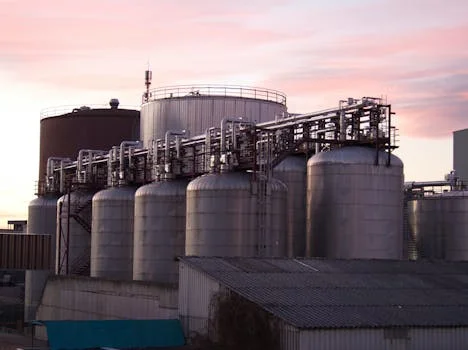
Geological conditions in Aswan are a major variable in civil engineering costs, often adding 10–20% to the budget compared to projects in the Nile Delta. Much of Aswan sits on igneous and metamorphic rock (granite), which may require hydraulic fracturing or controlled blasting for basin excavation. In contrast, projects located on alluvial plains closer to the Nile may face high water tables, necessitating expensive dewatering and piling during construction. A thorough geotechnical survey is the most effective way to avoid 11th-hour budget spikes.
Influent quality is the second most volatile cost driver. A municipal plant treating standard sewage has a predictable cost profile, but industrial effluent from Aswan’s phosphate mining or textile sectors requires complex chemical handling. To manage this, chemical dosing systems for Aswan’s variable influent quality are essential for stabilizing pH and coagulating solids. the inclusion of a rotary mechanical bar screen to remove heavy debris can prevent pump failure, cutting maintenance costs by 15% over the first three years of operation.
Energy efficiency measures, while increasing upfront CAPEX, offer the fastest route to budget optimization. Implementing Variable Frequency Drives (VFDs) on aeration blowers and feed pumps typically adds 5–8% to the equipment cost but reduces electricity consumption by up to 30%. In Aswan’s heat, where motors run less efficiently, VFDs also extend equipment life by reducing thermal stress. Additionally, using local contractors for non-specialized civil works can slash labor costs, though procurement officers should retain specialized oversight for the installation of sensitive components like MBR modules or PLC control panels to ensure long-term reliability.
MBR vs. Conventional vs. DAF: Which Technology Fits Your Aswan Project?
Choosing the right technology for an Aswan project requires a trade-off between footprint, effluent quality, and total cost of ownership. For municipal projects where land is plentiful, conventional activated sludge is often the default choice due to its lower CAPEX. However, for industrial facilities—particularly those near the Nile—the need for high-quality effluent that meets "reuse" standards often makes MBR the more economical long-term choice, despite its higher initial price tag.
| Technology | CAPEX (EGP/m³/day) | OPEX (EGP/m³) | Footprint (m²/m³/day) | Effluent Quality (BOD/TSS) | Best For |
|---|---|---|---|---|---|
| MBR | 18,000 – 25,000 | 4.5 – 6.5 | 0.5 – 1.0 | <5 / <1 mg/L | Industrial Reuse |
| Conventional AS | 8,000 – 15,000 | 2.5 – 4.0 | 2.0 – 4.0 | <30 / <30 mg/L | Municipal/Large Scale |
| DAF (Pretreatment) | 5,000 – 10,000 | 1.5 – 3.0 | 0.3 – 0.6 | Removes 90% FOG | Food/Textile Pre-treat |
When evaluating how secondary and tertiary treatment compare for Aswan’s effluent standards, engineers must consider the final discharge point. If the water is intended for agricultural irrigation, secondary treatment via conventional methods may suffice. However, if the goal is to recycle water back into industrial processes, a tertiary MBR system is required. For remote or rural sites in Aswan, buried systems as a cost-effective alternative for Aswan’s rural projects are gaining popularity, as they minimize odor and save on surface construction costs while providing reliable biological treatment for small communities.
Consider a case example: a 500 m³/day textile factory in Aswan. A conventional system would require 1,500 m² of land and produce water that still requires significant polishing for reuse. By implementing a DAF unit followed by an MBR, the factory reduces its footprint to 400 m² and produces high-clarity water that can be reused in the dyeing process, effectively reducing freshwater intake costs by 40% and paying back the CAPEX premium within 4.5 years.
ROI for Aswan Wastewater Projects: Municipal vs. Industrial Use Cases
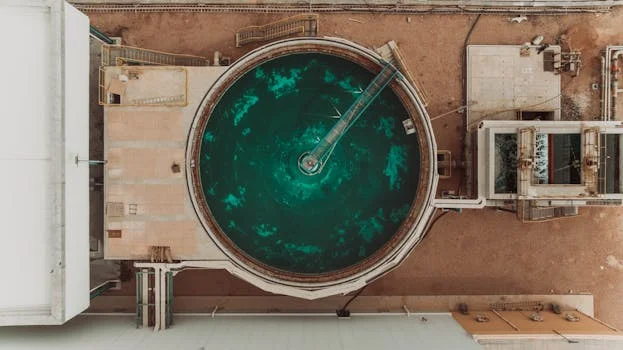
Return on investment (ROI) for wastewater projects in Aswan is increasingly driven by resource recovery rather than just compliance. For municipal projects, the ROI is typically calculated over a 10–15 year horizon. The primary financial drivers are avoided environmental fines and the sale of treated effluent to agricultural cooperatives. Under Egypt's current tariff structure, treated water can be sold for irrigation, providing a steady revenue stream that offsets O&M costs. municipal plants reduce public health expenditures by lowering the incidence of waterborne diseases in downstream communities.
For industrial projects, the payback period is much shorter, usually between 3 and 7 years. This is driven by three factors: water reuse, regulatory safety, and potential carbon credits. By treating and reusing 70% of process water, a facility can reduce its water bill by EGP 200,000 to EGP 500,000 annually. Additionally, Egypt’s emerging carbon market and the "Green Finance Initiative" offer low-interest loans for projects that demonstrate significant environmental impact, further improving the Net Present Value (NPV) of the investment.
| Financial Metric | Industrial (1,000 m³/day) | Municipal (5,000 m³/day) |
|---|---|---|
| Average CAPEX | EGP 20 Million | EGP 65 Million |
| Annual Water Savings | EGP 1.2 Million | EGP 3.5 Million (Sales) |
| Avoided Fines/Costs | EGP 500,000+ | N/A (Public Service) |
| Payback Period | 4 – 6 Years | 12 – 15 Years |
| Internal Rate of Return (IRR) | 18 – 22% | 8 – 11% |
Beyond direct financial returns, Aswan projects provide significant non-financial benefits. These include the creation of 5–10 permanent technical jobs per 1,000 m³/day of capacity and the protection of Aswan's tourism-critical Nile environment. Projects that meet the EWRA 2024 guidelines for "Zero Liquid Discharge" (ZLD) are also eligible for tax breaks under the New Investment Law, which can further enhance the project's financial viability for private investors.
Procurement Checklist: How to Source Wastewater Treatment Equipment in Aswan
Sourcing equipment for an Aswan-based project requires a balance between Cairo-based industrial capacity and local serviceability. While major firms like Arab Contractors handle large-scale municipal civil works, the specialized treatment equipment—pumps, membranes, and sensors—is often sourced from international manufacturers with local distributors. The primary challenge in Aswan is the distance from Cairo-based service centers, making local maintenance support a critical selection criterion for any vendor.
When evaluating suppliers, procurement officers should utilize the following checklist to ensure long-term project success:
- Local Presence: Does the vendor have a registered service center or trained technicians within Aswan or Luxor?
- Lead Times: What is the delivery schedule for critical components like MBR membranes or high-pressure pumps (typically 12–16 weeks for imported items)?
- Reference Projects: Can the vendor provide data from at least three operating plants in Upper Egypt with similar climatic conditions?
- Energy Efficiency: Are all motors and blowers IE3 rated or higher, and are VFDs included in the standard package?
- Spare Parts: Is there a guaranteed 48-hour delivery for critical wear items like seals, gaskets, and sensors?
- Training: Does the contract include onsite training for local operators for at least 30 days post-commissioning?
- Compliance Guarantee: Does the vendor provide a written guarantee that the effluent will meet Law 48/1982 standards under peak load?
- Material Specifications: Are all submerged components made of SS316 or corrosion-resistant polymers to handle Aswan’s brackish groundwater?
- Automation: Does the system allow for remote monitoring via SCADA to reduce the need for constant onsite engineering presence?
- Financing: Can the vendor facilitate connections to Green Finance loans or export credit agencies?
The tender process for municipal projects usually follows the EWRA guidelines, requiring a two-envelope system: a technical bid and a financial bid. For industrial projects, the timeline from design to commissioning typically spans 8 to 14 months. To avoid common pitfalls like permit delays, it is recommended to engage with the Aswan Governorate’s environmental department early in the design phase to ensure the proposed technology aligns with local land-use and discharge regulations.
Frequently Asked Questions
How much does a small 100 m³/day industrial treatment plant cost in Aswan?For 2025, a 100 m³/day plant typically costs between EGP 2.5 million and EGP 4 million. This range covers a DAF system for pretreatment and a basic biological unit. Costs vary based on the complexity of the industrial effluent, such as high chemical oxygen demand (COD) in food processing or heavy metals in mining runoff.
What is the average O&M cost for an MBR plant in Aswan?Operating and maintenance (O&M) costs for an MBR system in Aswan generally range from EGP 4.5 to EGP 6.5 per cubic meter of treated water. This includes electricity (the largest component), chemical cleaning for membranes, labor, and periodic membrane replacement every 5–7 years. Aswan’s lower labor rates help keep these costs at the lower end of the national average.
Does the Aswan climate affect the choice of treatment technology?Yes. High ambient temperatures (averaging 38°C) accelerate biological activity but also increase the risk of low dissolved oxygen levels in aeration tanks. Engineers must design more robust aeration systems and may prefer technologies like MBR or SBR (Sequencing Batch Reactors) that offer better process control under thermal stress compared to simple lagoons or ponds.
Are there government subsidies for wastewater projects in Aswan?While direct cash subsidies are rare for private industry, Aswan projects benefit from Egypt’s "Green Finance Initiative," which offers interest rates 3–5% below market averages for environmental projects. Additionally, municipal projects are heavily subsidized through the national $50 billion water strategy, covering up to 80% of CAPEX for village-level infrastructure.
Sources:
- Egyptian Water and Wastewater Regulatory Agency (EWRA) 2024 Project Database.
- Arab Contractors Annual Infrastructure Report 2023-2024.
- Ministry of Housing, Utilities, and Urban Communities: National Water Strategy 2037.
- Daily News Egypt: Industrial Investment Benchmarks in Upper Egypt.