Norway’s hospital wastewater treatment in 2025 requires compliance with EU Urban Waste Water Directive 91/271/EEC (upcoming 2025 revision) and strict AMR monitoring, with effluent limits of <25 mg/L BOD₅, <125 mg/L COD, and <10 mg/L TSS. The Norwegian Institute of Water Research (NIVA) reports 92–97% removal of pharmaceuticals in hospital effluents, but AMR genes persist in 60–80% of treated samples. Treatment costs for a 100-bed hospital range from NOK 5–20M (€450K–1.8M), depending on technology (MBR, DAF, or ozone).
Why Norway’s Hospital Wastewater Treatment is a 2025 Priority
Antimicrobial resistance (AMR) genes persist in 60–80% of treated hospital wastewater samples in Norway, posing a significant public health threat as the 2025 EU Urban Waste Water Directive revision approaches (NIVA 2023). This high prevalence underscores the urgent need for advanced treatment solutions capable of mitigating the spread of resistant microorganisms. The EU Urban Waste Water Directive 91/271/EEC's 2025 revision introduces new, stringent monitoring requirements specifically for AMR and pharmaceuticals in wastewater, directly impacting Norwegian hospital operations. While Norway is not an EU member, its EEA agreement mandates adherence to relevant EU environmental directives, making these revisions directly applicable to hospital wastewater treatment in Norway.
Norway's national AMR action plan (2023–2027) explicitly identifies wastewater treatment as a key intervention strategy to combat the spread of antimicrobial resistance. This national focus reinforces the regulatory imperative for hospitals to upgrade their existing facilities or implement new systems that effectively remove AMR genes and pharmaceutical residues. Unaddressed, these contaminants can re-enter the environment, contributing to the development of new resistant strains and jeopardizing public health.
A notable example of proactive compliance is Oslo University Hospital's 2024 upgrade to an integrated Membrane Bioreactor (MBR) and ozone system. This advanced configuration was implemented specifically for enhanced AMR and pharmaceutical reduction. The MBR component provides robust biological treatment and physical filtration, effectively removing suspended solids, organic matter, and a significant portion of bacteria and viruses. Subsequent ozone disinfection further oxidizes residual pharmaceuticals and inactivates remaining pathogens, including resistant bacteria. Early results from the Oslo University Hospital project indicate substantial improvements in effluent quality, demonstrating a significant reduction in both AMR gene concentrations and pharmaceutical loads, setting a benchmark for other Norwegian facilities aiming for similar performance in hospital wastewater treatment in Norway.
Norway’s Regulatory Requirements for Hospital Wastewater in 2025
Norwegian hospital wastewater treatment plants must adhere to effluent limits of <25 mg/L BOD₅, <125 mg/L COD, and <10 mg/L TSS, aligned with the upcoming EU Urban Waste Water Directive 91/271/EEC 2025 revision and national amendments. These limits are designed to protect receiving waters from organic pollution and suspended solids, which can negatively impact aquatic ecosystems. Beyond these conventional parameters, specific requirements for hospital effluent extend to phosphorus removal and disinfection.
Total phosphorus discharge is limited to <1 mg/L, reflecting Norway's commitment to preventing eutrophication in its sensitive coastal and freshwater bodies. For AMR monitoring, NIVA guidelines mandate quarterly sampling for specific resistance genes, such as blaCTX-M (extended-spectrum beta-lactamase) and mecA (methicillin resistance), to track the prevalence and spread of antimicrobial resistance in wastewater streams. These monitoring protocols ensure that hospitals actively assess the effectiveness of their treatment systems in mitigating AMR risks.
Disinfection requirements, as stipulated by the Norwegian Public Health Institute, demand a 99.9% pathogen kill (log 3 reduction) for indicator organisms like E. coli and enterococci. This ensures the treated effluent poses minimal risk of transmitting infectious diseases upon discharge. pharmaceutical removal targets an 80% reduction for priority substances listed in the EU Watch List, including compounds like carbamazepine (an antiepileptic) and diclofenac (an anti-inflammatory). These substances are known to have ecotoxicological effects even at low concentrations, necessitating their efficient removal.
The permitting process for hospital wastewater treatment in Norway involves submitting detailed design plans, influent/effluent data, and operational procedures to the Norwegian Environment Agency (Miljødirektoratet). The timeline for obtaining a permit can range from 6 to 12 months, depending on the complexity of the proposed system and the completeness of the application. Early engagement with the agency is crucial to ensure all documentation meets national and EU/EEA compliance standards for hospital wastewater treatment in Norway.
| Parameter | Effluent Limit (2025) | Regulatory Basis |
|---|---|---|
| BOD₅ | <25 mg/L | EU 91/271/EEC (2025 revision) |
| COD | <125 mg/L | EU 91/271/EEC (2025 revision) |
| TSS | <10 mg/L | EU 91/271/EEC (2025 revision) |
| Total Phosphorus | <1 mg/L | Norwegian Amendments to EU Directive |
| AMR Genes | Quarterly Monitoring (blaCTX-M, mecA) | NIVA Guidelines |
| Pathogen Kill (E. coli, Enterococci) | 99.9% (Log 3 Reduction) | Norwegian Public Health Institute |
| Pharmaceutical Removal (Priority Substances) | 80% Reduction | EU Watch List |
Treatment Technologies for Norwegian Hospital Wastewater: MBR vs. DAF vs. Ozone
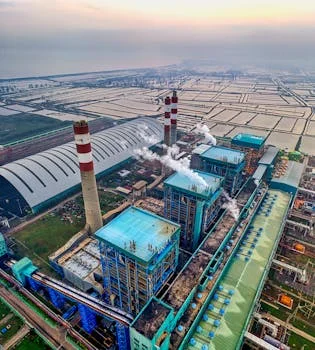
Membrane Bioreactors (MBR) achieve 95–99% removal of AMR genes and 90–95% removal of pharmaceuticals, making them a leading technology for advanced hospital wastewater treatment in Norway. MBR systems integrate biological degradation with membrane filtration, providing superior effluent quality with significantly reduced suspended solids, bacteria, and viruses. Their compact footprint, typically 0.5–1.0 m²/m³/day of treated water, makes them suitable for hospitals with limited space. HydropureWater offers advanced MBR systems for hospital wastewater in Norway designed for high-performance and reliable operation.
Dissolved Air Flotation (DAF) systems offer 70–85% AMR gene removal and 60–80% pharmaceutical removal, making them particularly effective for influent streams with high fat, oil, and grease (FOG) loads, common in hospital kitchens and dental clinics. DAF works by introducing fine air bubbles into the wastewater, which attach to suspended solids, causing them to float to the surface for skimming. While not as effective as MBR for overall AMR and pharmaceutical reduction, DAF systems for high-FOG hospital wastewater can serve as an efficient pre-treatment step or a primary treatment solution where FOG is the predominant challenge. Their footprint is generally more compact than conventional activated sludge, at 0.2–0.4 m²/m³/day, but larger than MBR.
Ozone disinfection provides a 99.9% pathogen kill, effectively meeting the log 3 reduction requirements for E. coli and enterococci. It also achieves 50–70% pharmaceutical removal through oxidation. However, it is crucial to note that ozone does not significantly reduce AMR gene concentrations. Ozone is typically applied at doses of 5–10 mg/L with a contact time of 10–20 minutes. It is often used as a post-treatment step to enhance disinfection and further reduce pharmaceuticals after primary or secondary biological treatment. For comprehensive treatment, ozone is best integrated into a hybrid system.
Hybrid systems represent the most robust solution for hospital wastewater treatment in Norway. The Oslo University Hospital case study, for instance, utilizes an MBR + ozone configuration, combining the high removal efficiency of MBR for organics, solids, AMR genes, and pharmaceuticals with ozone's powerful disinfection and additional pharmaceutical oxidation. Another hybrid option involves DAF + chlorine dioxide disinfection, where chlorine dioxide disinfection for Norwegian hospital effluent offers strong pathogen inactivation and some pharmaceutical degradation, particularly useful as a final disinfection step after DAF or other biological processes.
Energy consumption varies significantly between technologies. MBR systems typically consume 0.8–1.2 kWh/m³ due to aeration and membrane filtration pressures. DAF systems are less energy-intensive, requiring 0.3–0.5 kWh/m³, primarily for air compression. Ozone generation, while effective, has an energy demand of 0.1–0.2 kWh/m³ for the ozonator itself, not including associated pumping or cooling needs. These energy considerations are critical for long-term operational costs.
| Technology | AMR Gene Removal | Pharmaceutical Removal | Pathogen Kill (Log Reduction) | Footprint (m²/m³/day) | Energy Consumption (kWh/m³) |
|---|---|---|---|---|---|
| MBR (Membrane Bioreactor) | 95–99% | 90–95% | >4 log | 0.5–1.0 | 0.8–1.2 |
| DAF (Dissolved Air Flotation) | 70–85% | 60–80% | 1–2 log | 0.2–0.4 | 0.3–0.5 |
| Ozone Disinfection | Minimal (0%) | 50–70% | >3 log | Negligible (post-treatment) | 0.1–0.2 |
| MBR + Ozone (Hybrid) | >99% | >95% | >6 log | 0.5–1.0 | 0.9–1.4 |
Cost Breakdown for Hospital Wastewater Treatment in Norway (2025)
Capital costs for upgrading a 100-bed hospital wastewater treatment plant in Norway to meet 2025 compliance range from NOK 5–20M (€450K–1.8M), depending on the chosen technology. This investment covers equipment procurement, civil works, installation, and commissioning. MBR systems, offering superior treatment performance, typically incur the highest capital costs, estimated at NOK 15–20M for a 100-bed facility. DAF systems, while effective for specific influent characteristics, are more moderately priced at NOK 5–8M. Standalone ozone disinfection units, often integrated as a tertiary treatment, range from NOK 3–5M, in addition to the primary/secondary treatment system.
Operating costs are a significant consideration for long-term sustainability. For a 100-bed hospital, annual operating expenses for an MBR system are approximately NOK 1.2–1.8M, primarily driven by energy consumption for aeration and membrane cleaning, as well as membrane replacement every 5–7 years. DAF systems have lower operating costs, typically NOK 0.8–1.2M per year, due to less intensive energy requirements and simpler maintenance. Ozone disinfection adds NOK 0.5–0.8M annually to operating costs, mainly for electricity to generate ozone and for chemical precursors if used.
The Return on Investment (ROI) for advanced hospital wastewater treatment in Norway is driven by several factors beyond mere compliance. Implementing effective systems can lead to substantial savings from reduced AMR monitoring, estimated at NOK 200K per year for a typical hospital. Avoiding non-compliance fines, which can reach up to NOK 500K per year from the Norwegian Environment Agency, is another critical ROI driver. treated hospital wastewater can be reused for non-potable applications like irrigation or toilet flushing, generating potential water savings of NOK 150K per year for a 100-bed hospital, thereby reducing reliance on municipal water supplies. These financial benefits, combined with the intangible value of improved public health and environmental stewardship, underscore the economic rationale for investing in advanced treatment.
Hospitals in Norway can explore various funding sources to support wastewater treatment upgrades. The Norwegian Environment Agency offers grants, sometimes covering up to 50% of capital costs for projects that specifically address AMR reduction and pharmaceutical removal. Additionally, EU Horizon Europe AMR projects may provide funding opportunities for research and implementation of innovative wastewater treatment technologies, although these typically require collaborative partnerships. Information on application deadlines and contact details for these funding bodies is usually available on their respective official websites.
| Technology | Capital Costs (NOK, 100-bed hospital) | Operating Costs (NOK/year) |
|---|---|---|
| MBR | 15–20M | 1.2–1.8M |
| DAF | 5–8M | 0.8–1.2M |
| Ozone (as add-on) | 3–5M | 0.5–0.8M |
| MBR + Ozone (Hybrid) | 18–25M | 1.7–2.6M |
Step-by-Step Equipment Selection Checklist for Norwegian Hospitals
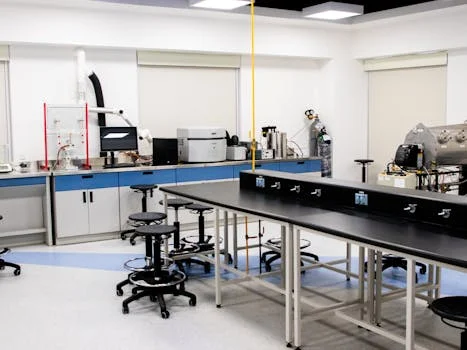
Effective equipment selection for Norwegian hospital wastewater treatment begins with a comprehensive assessment of influent characteristics, including COD, BOD, TSS, AMR genes, and pharmaceutical concentrations. This initial step, Step 1, requires detailed sampling protocols and analysis by accredited laboratories in Norway, such as NIVA, to accurately quantify the specific pollutants present in the hospital's effluent. Understanding the baseline pollutant profile is fundamental for designing an effective and compliant system.
Step 2 involves matching the appropriate technology to the specific compliance goals. For instance, an compact hospital wastewater treatment for Norwegian clinics requiring high AMR and pharmaceutical removal would likely necessitate an MBR-based system. If the influent has a consistently high FOG load from kitchens or dental facilities, a DAF system might be a more efficient primary treatment choice before further biological or advanced oxidation processes. This decision framework ensures the selected technology directly addresses the most pressing environmental and regulatory challenges.
Step 3 requires calculating the footprint and space constraints available at the hospital site. MBR systems are known for their compact design, typically requiring 0.5–1.0 m²/m³/day of treated water, making them suitable for urban hospitals with limited land. DAF systems, while also relatively compact, demand 0.2–0.4 m²/m³/day. These spatial considerations are crucial for integration into existing infrastructure without extensive civil works.
Step 4 focuses on evaluating energy and chemical costs, utilizing the data presented in the 'Cost Breakdown' section. This step involves a lifecycle cost analysis to compare the long-term operational expenses of different technological options, ensuring financial sustainability. Energy efficiency and chemical consumption directly impact the overall economic viability of the chosen system.
Step 5 advises requesting quotes from 3–5 reputable suppliers specializing in advanced wastewater treatment. It is recommended to contact both Norwegian and broader EU suppliers to compare technical specifications, service agreements, and pricing. This competitive bidding process helps secure the most cost-effective and technically sound solution.
Step 6 outlines the permitting and installation timeline. For MBR systems, the entire process, from design to full operation, typically spans 6–12 months. Simpler DAF installations might take 3–6 months. This timeline includes obtaining necessary permits from the Norwegian Environment Agency and coordinating with hospital operations to minimize disruption during installation. Adhering to this structured approach ensures a compliant, efficient, and cost-effective wastewater treatment solution for Norwegian hospitals.
Frequently Asked Questions
What are the penalties for non-compliance with Norway’s hospital wastewater regulations?
Non-compliance with Norway’s hospital wastewater regulations can incur fines of up to NOK 500K per year, as enforced by the Norwegian Environment Agency. Additionally, persistent non-compliance may lead to operational restrictions or requirements for immediate upgrades.
Can hospital wastewater be reused in Norway?
Yes, treated hospital wastewater can be reused in Norway, but only for non-potable applications such as irrigation, toilet flushing, or vehicle washing, in accordance with Norwegian Water Regulations §12. Direct potable reuse is not permitted.
How often should AMR monitoring be conducted in hospital effluent?
AMR monitoring in hospital effluent should be conducted quarterly, following the guidelines established by the Norwegian Institute of Water Research (NIVA). The sampling protocol typically involves collecting composite samples and testing for indicator genes like blaCTX-M and mecA.
What is the lifespan of an MBR system in a Norwegian hospital?
An MBR system in a Norwegian hospital typically has a lifespan of 10–15 years with proper maintenance. However, the membranes themselves are consumables and generally require replacement every 5–7 years, depending on influent quality and operational parameters.
Are there grants available for hospital wastewater treatment upgrades in Norway?
Yes, the Norwegian Environment Agency offers grants that can cover up to 50% of the capital costs for hospital wastewater treatment upgrades, particularly for systems that demonstrate significant efficacy in reducing AMR and pharmaceutical discharges. Specific funding opportunities may also arise through EU Horizon Europe projects.
Further Reading
Explore these in-depth articles on related wastewater treatment topics: