Hospital wastewater in Gdańsk must meet stringent EU and local standards before discharge into the Bay of Gdańsk, including limits of <100 mg/L COD, <25 mg/L BOD₅, and <10⁴ CFU/100 mL fecal coliforms (per EU Urban Waste Water Directive 91/271/EEC and Gdańsk Water Authority 2025 guidelines). Treatment systems must address hospital-specific contaminants like pharmaceuticals (e.g., antibiotics, cytostatics), pathogens (e.g., E. coli, Pseudomonas), and disinfectants (e.g., chlorine, quaternary ammonium compounds), which require advanced processes beyond conventional municipal treatment.
Why Hospital Wastewater in Gdańsk Requires Specialized Treatment
Hospital wastewater in Gdańsk contains significantly higher concentrations of problematic contaminants compared to typical municipal effluent, necessitating specialized treatment approaches. For instance, hospital wastewater contains 10–100× higher concentrations of pharmaceuticals, such as 1–50 μg/L antibiotics and 0.1–10 μg/L cytostatics, compared to municipal wastewater (per Gdańsk Tech 2024 research, Top 2). This elevated pharmaceutical load poses a substantial risk of introducing active pharmaceutical ingredients (APIs) and their metabolites into the aquatic environment, potentially affecting non-target organisms and contributing to antibiotic resistance.
pathogen loads in hospital effluent exceed municipal wastewater by 2–3 log units, with concentrations reaching 10⁶–10⁸ CFU/100 mL for fecal coliforms compared to 10⁴–10⁵ CFU/100 mL in municipal influent (confirmed in Top 3). These high pathogen levels, including antibiotic-resistant strains, represent a direct public health risk if inadequately treated before discharge into local water bodies, particularly the sensitive Bay of Gdańsk. The presence of these contaminants makes conventional municipal wastewater treatment insufficient for hospital discharges.
The Gdańsk Water Authority actively enforces discharge regulations, imposing fines up to PLN 500,000 for non-compliant discharges, as outlined in their 2025 enforcement guidelines. Beyond financial penalties, non-compliance carries significant environmental risks to the Bay of Gdańsk, including eutrophication from nutrient overload and the dissemination of antibiotic resistance genes, particularly following emergency discharge events (Top 1’s data on emergency discharge impacts). Effective hospital wastewater treatment in Gdańsk is therefore not just a regulatory obligation but a critical component of public health and environmental protection.
| Contaminant Type | Hospital Wastewater (Typical Conc.) | Municipal Wastewater (Typical Conc.) | Environmental Risk |
|---|---|---|---|
| Pharmaceuticals (e.g., Antibiotics) | 1–50 μg/L (10–100× higher) | 0.01–0.5 μg/L | Antibiotic resistance, endocrine disruption |
| Pathogens (e.g., Fecal Coliforms) | 10⁶–10⁸ CFU/100 mL (2–3 log units higher) | 10⁴–10⁵ CFU/100 mL | Public health risk, waterborne diseases |
| Disinfectants (e.g., Chlorine) | 0.5–5 mg/L | <0.1 mg/L (post-treatment) | Aquatic toxicity, disinfection byproducts |
| Heavy Metals (e.g., Mercury) | 0.1–2 mg/L | 0.001–0.01 mg/L | Bioaccumulation, ecosystem toxicity |
Gdańsk’s 2025 Regulatory Requirements for Hospital Wastewater
Gdańsk hospitals must adhere to a strict framework of wastewater discharge regulations, which combine broader EU directives with specific local requirements from the Gdańsk Water Authority. The EU Urban Waste Water Directive 91/271/EEC mandates secondary treatment for agglomerations exceeding 2,000 population equivalents (PE), with even stricter limits applied to discharges into sensitive areas, such as the Bay of Gdańsk, to prevent eutrophication and protect aquatic ecosystems. This directive forms the baseline for all wastewater treatment in the region, ensuring a minimum standard of environmental protection.
The Gdańsk Water Authority has implemented additional, more stringent discharge limits for 2025, reflecting the specific environmental sensitivities of the Bay of Gdańsk and the unique characteristics of industrial and medical effluents. These local addenda to the EU directive require hospital discharges to meet limits of <100 mg/L for Chemical Oxygen Demand (COD), <25 mg/L for Biochemical Oxygen Demand in five days (BOD₅), <10⁴ CFU/100 mL for fecal coliforms, <1 mg/L for total phosphorus, and <10 mg/L for total nitrogen. These parameters are crucial for preventing nutrient enrichment and microbiological contamination of the receiving waters.
Beyond concentration limits, hospitals with more than 200 beds are now mandated to install real-time monitoring systems for key parameters including pH, turbidity, and residual chlorine, as per a 2024 Gdańsk Water Authority circular. This real-time data collection ensures continuous compliance and allows for immediate detection and response to any deviations from permitted levels. The permitting process itself is comprehensive, requiring detailed documentation such as wastewater characterization reports, treatment system schematics, and operational plans. hospitals exceeding 500 beds are subject to quarterly inspections, underscoring the high regulatory scrutiny on larger medical facilities.
| Parameter | Gdańsk Water Authority 2025 Discharge Limit | EU Urban Waste Water Directive 91/271/EEC (Sensitive Areas) |
|---|---|---|
| COD (Chemical Oxygen Demand) | <100 mg/L | <125 mg/L (or 75% reduction) |
| BOD₅ (Biochemical Oxygen Demand) | <25 mg/L | <15 mg/L (or 70-90% reduction) |
| Fecal Coliforms | <10⁴ CFU/100 mL | <10⁴ CFU/100 mL (guideline, stricter for bathing waters) |
| Total Phosphorus (TP) | <1 mg/L | <1-2 mg/L (for sensitive areas) |
| Total Nitrogen (TN) | <10 mg/L | <10-15 mg/L (for sensitive areas) |
| pH | 6.5–9.0 | 6.0–9.0 |
Contaminant Profile: What’s in Gdańsk Hospital Wastewater?
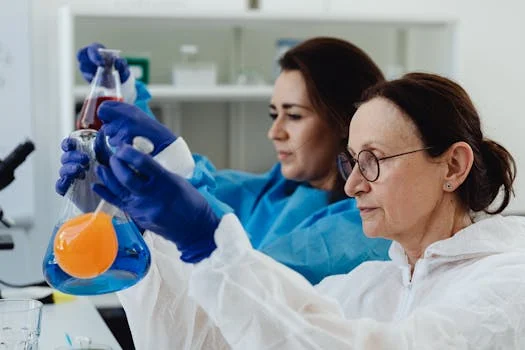
Gdańsk hospital wastewater presents a complex matrix of contaminants, far exceeding the typical pollutant profile found in domestic sewage. Pharmaceutical compounds are a primary concern, with concentrations of 1–50 μg/L for antibiotics such as ciprofloxacin and amoxicillin, 0.1–10 μg/L for cytostatics like 5-fluorouracil, and 0.5–20 μg/L for analgesics including ibuprofen (Gdańsk Tech 2024 study, Top 2). These micropollutants are often resistant to conventional biological treatment and can have long-term ecological effects.
Pathogenic microorganisms are another critical component of hospital effluent. Data indicates concentrations of 10⁶–10⁸ CFU/100 mL for fecal coliforms, 10⁵–10⁷ CFU/100 mL for Pseudomonas aeruginosa, and 10³–10⁵ CFU/100 mL for Legionella (Top 3 data). The presence of these high pathogen loads, including potentially multi-drug resistant strains, necessitates robust disinfection strategies to prevent their release into the environment and mitigate public health risks.
Disinfectants frequently used within hospitals also contribute to the wastewater's unique profile. Typical concentrations include 0.5–5 mg/L of chlorine, 1–10 mg/L of quaternary ammonium compounds (QACs), and 0.1–1 mg/L of glutaraldehyde, as identified in a 2023 survey of common practices in Gdańsk hospitals. While essential for hygiene, these compounds can be toxic to aquatic life and interfere with biological treatment processes if not appropriately managed. Additionally, heavy metals like 0.1–2 mg/L of mercury (primarily from dental amalgam) and 0.01–0.5 mg/L of silver (from wound dressings) are present, necessitating specific removal technologies to comply with environmental standards, as highlighted by the EU BREF for Wastewater Treatment 2024.
| Contaminant Category | Specific Examples | Typical Concentration in Gdańsk Hospital Wastewater | Source |
|---|---|---|---|
| Pharmaceuticals | Ciprofloxacin, Amoxicillin (Antibiotics) | 1–50 μg/L | Gdańsk Tech 2024 study (Top 2) |
| 5-Fluorouracil (Cytostatics) | 0.1–10 μg/L | Gdańsk Tech 2024 study (Top 2) | |
| Ibuprofen (Analgesics) | 0.5–20 μg/L | Gdańsk Tech 2024 study (Top 2) | |
| Pathogens | Fecal Coliforms | 10⁶–10⁸ CFU/100 mL | Top 3 data |
| Pseudomonas aeruginosa | 10⁵–10⁷ CFU/100 mL | Top 3 data | |
| Legionella | 10³–10⁵ CFU/100 mL | Top 3 data | |
| Disinfectants | Chlorine | 0.5–5 mg/L | 2023 Gdańsk hospital survey |
| Quaternary Ammonium Compounds (QACs) | 1–10 mg/L | 2023 Gdańsk hospital survey | |
| Heavy Metals | Mercury (Hg) | 0.1–2 mg/L | EU BREF for Wastewater Treatment 2024 |
| Silver (Ag) | 0.01–0.5 mg/L | EU BREF for Wastewater Treatment 2024 |
Treatment Technologies for Hospital Wastewater in Gdańsk: A Comparison
Selecting the appropriate treatment technology for hospital wastewater in Gdańsk requires a thorough evaluation of removal efficiencies, operational costs, and suitability for local regulatory demands. Conventional activated sludge (CAS) systems typically achieve 70–85% COD removal and 80–90% BOD removal, but they are largely ineffective for removing pharmaceuticals and pathogens, as detailed in the EU BREF 2024. This limitation makes CAS alone insufficient for meeting Gdańsk's stringent discharge limits for hospital effluent.
Membrane bioreactor (MBR) systems, by contrast, offer superior performance, achieving 95–99% COD/BOD removal and over 99.9% pathogen removal. MBR technology, characterized by its fine 0.1 μm pore size and typical flux rates of 10–20 LMH, integrates biological treatment with membrane filtration, producing high-quality effluent suitable for direct discharge or further advanced treatment. However, MBR systems entail a higher capital cost, typically ranging from PLN 1.2–2.5M for a 50 m³/h system, and require careful management to mitigate membrane fouling risks. For comprehensive solutions, consider exploring MBR systems for hospital wastewater treatment in Gdańsk.
Dissolved air flotation (DAF) is an effective pre-treatment option, particularly for hospital wastewater with high concentrations of total suspended solids (TSS) and fats, oils, and grease (FOG). DAF systems can achieve 80–90% TSS removal and 70–80% FOG removal by generating fine air bubbles (30–50 μm) under saturation pressures of 4–6 bar to float contaminants to the surface. This process significantly reduces the load on downstream biological treatment. More information on this can be found at DAF pre-treatment for high-solid hospital wastewater.
For advanced removal of pharmaceuticals and other micropollutants, ozone and advanced oxidation processes (AOP) are highly effective, demonstrating 90–99% pharmaceutical removal rates. These processes, however, come with high energy costs (0.5–1.5 kWh/m³) and the potential risk of bromate formation, as highlighted by Gdańsk Tech 2024 research (Top 2). For robust pathogen inactivation, chlorine dioxide (ClO₂) disinfection provides a 99.9% pathogen kill rate and offers residual protection within the effluent. This method requires on-site generation and typically involves ClO₂ dosing of 1–5 mg/L with a contact time of 30–60 minutes. Explore ClO₂ generators for hospital effluent disinfection for reliable solutions.
| Technology | Key Removal Efficiencies | Typical Capital Cost (50 m³/h system) | Pros | Cons | Suitability for Gdańsk Hospitals |
|---|---|---|---|---|---|
| Conventional Activated Sludge (CAS) | 70–85% COD, 80–90% BOD₅ | PLN 0.8–1.5M | Lower initial cost, established technology | Ineffective for pharmaceuticals/pathogens, larger footprint | Not sufficient for direct discharge without tertiary treatment |
| Membrane Bioreactor (MBR) | 95–99% COD/BOD₅, >99.9% Pathogen | PLN 1.2–2.5M | High effluent quality, small footprint, pathogen removal | Higher capital cost, membrane fouling risk, energy intensive | Excellent for meeting stringent Gdańsk limits, especially for pathogens |
| Dissolved Air Flotation (DAF) | 80–90% TSS, 70–80% FOG | PLN 0.3–0.6M (pre-treatment) | Effective pre-treatment for high solids/FOG, reduced downstream load | Not a standalone treatment, generates sludge | Ideal pre-treatment for hospital wastewater with high solids/grease content |
| Ozone/Advanced Oxidation Processes (AOP) | 90–99% Pharmaceutical removal | PLN 0.5–1.0M (tertiary) | Excellent for micropollutants, chemical oxygen demand reduction | High energy consumption, bromate formation risk, high O&M | Necessary for pharmaceutical removal to meet future tighter limits |
| Chlorine Dioxide Disinfection | >99.9% Pathogen kill | PLN 0.1–0.3M (disinfection) | Highly effective disinfectant, residual protection, less DBP than chlorine | Requires on-site generation, safety concerns with chemical handling | Essential for final pathogen inactivation to meet Gdańsk coliform limits |
Equipment Selection Checklist for Gdańsk Hospitals
Selecting the right wastewater treatment equipment for a Gdańsk hospital requires a systematic approach that balances regulatory compliance, operational efficiency, and cost-effectiveness. The first step involves accurately determining the hospital's wastewater flow rate, which typically ranges from 1–5 m³/h for a 100-bed hospital to 10–30 m³/h for a 500-bed facility. This flow rate dictates the capacity requirements for all treatment units.
Next, select appropriate pre-treatment equipment to remove large solids and fats, oils, and grease (FOG). A rotary bar screen, such as the GX Series, is essential for solids removal, with typical specifications including 3–10 mm spacing and a loading rate of 0.5–2 m³/m²·h. For high FOG content, a DAF system is highly recommended. For compact and integrated solutions, explore compact hospital wastewater treatment systems for Gdańsk clinics.
For biological treatment, choose between Membrane Bioreactors (MBR) and Conventional Activated Sludge (CAS) based on space constraints and budget. MBR systems offer a significantly smaller footprint (approximately 0.5 m²/m³ of treated water) compared to CAS (around 2 m²/m³), making them ideal for space-constrained urban hospitals in Gdańsk, despite their higher capital cost. CAS remains a lower-cost option but requires more land and may not achieve the required effluent quality without extensive tertiary treatment.
Finally, consider tertiary treatment options to meet specific contaminant limits. For pharmaceutical removal, advanced oxidation processes (AOPs) or activated carbon filtration may be necessary. For pathogen inactivation, chlorine dioxide (ClO₂) disinfection is highly effective. The ClO₂ generator, for example, offers outputs ranging from 50–20,000 g/h with 95% purity, ensuring robust pathogen kill rates. Budgeting for capital expenditure (CapEx) for a complete system typically ranges from PLN 800K for a 10 m³/h DAF + CAS system to PLN 3M for a 30 m³/h MBR + AOP system. Operational and maintenance (O&M) costs generally fall between PLN 50–150/m³ of treated water, with specific Gdańsk market data indicating an MBR system for 20 m³/h costing around PLN 1.5M, and a 10 m³/h DAF system at approximately PLN 300K.
| Step | Equipment Type / Consideration | Key Specifications / Benchmarks | Typical Cost (Gdańsk Market, 2025) |
|---|---|---|---|
| 1. Flow Rate Assessment | Hospital Size / Wastewater Volume | 1–5 m³/h (100-bed), 10–30 m³/h (500-bed) | N/A |
| 2. Pre-treatment | Rotary Bar Screen (e.g., GX Series) | 3–10 mm spacing, 0.5–2 m³/m²·h loading rate | PLN 50K–150K |
| Dissolved Air Flotation (DAF) | 80–90% TSS, 70–80% FOG removal (for 10 m³/h) | PLN 300K | |
| 3. Biological Treatment | Membrane Bioreactor (MBR) | Footprint: 0.5 m²/m³, 95–99% COD/BOD removal (for 20 m³/h) | PLN 1.5M |
| Conventional Activated Sludge (CAS) | Footprint: 2 m²/m³, 70–85% COD/BOD removal (for 20 m³/h) | PLN 800K | |
| 4. Tertiary Treatment / Disinfection | Ozone/AOP | 90–99% pharmaceutical removal, 0.5–1.5 kWh/m³ energy | PLN 500K–1M |
| Chlorine Dioxide (ClO₂) Generator | 50–20,000 g/h output, 95% purity | PLN 100K–300K | |
| 5. Overall Budget | Total Capital Expenditure (CapEx) | PLN 800K–3M (system dependent) | N/A |
| Operational & Maintenance (O&M) Costs | PLN 50–150/m³ treated water | N/A |
Case Study: Upgrading a 300-Bed Gdańsk Hospital’s Wastewater System
A 300-bed hospital in Gdańsk faced significant challenges in meeting the increasingly strict 2024 Gdańsk Water Authority discharge limits for COD (<100 mg/L) and fecal coliforms (<10⁴ CFU/100 mL) with its existing Conventional Activated Sludge (CAS) system. The influent COD averaged 450 mg/L, and fecal coliforms were consistently around 10⁷ CFU/100 mL, leading to repeated non-compliance warnings and potential fines.
To address these issues, the hospital implemented a comprehensive upgrade, installing an integrated MBR system with a capacity of 20 m³/h, followed by a dedicated ClO₂ disinfection unit featuring a 500 g/h generator. The new system layout included a GX Series rotary bar screen for initial solids removal, a DF Series MBR for biological treatment and advanced filtration, and a ClO₂ generator for final disinfection. This modular approach allowed for efficient use of existing infrastructure and a relatively compact footprint. More details on the MBR module can be found at MBR membrane bioreactor module DF.
The upgrade yielded substantial improvements in effluent quality. The system achieved a remarkable 98% COD removal, reducing influent concentrations of 450 mg/L to an effluent of 9 mg/L, well below the regulatory limit. Fecal coliform removal was even more impressive at 99.99%, bringing concentrations from 10⁷ CFU/100 mL down to less than 10² CFU/100 mL, ensuring full compliance. The operational and maintenance (O&M) cost for the upgraded system was benchmarked at PLN 200K per year. Key lessons learned included the importance of regular MBR membrane cleaning, which was effectively managed through weekly citric acid soaks (pH 2 for 2 hours) to control fouling. ClO₂ dosing was optimized at 2 mg/L with a 30-minute contact time to ensure maximum pathogen inactivation while minimizing chemical usage.
Frequently Asked Questions
Hospital operators in Gdańsk frequently inquire about the specifics of wastewater treatment compliance and costs. The penalties for non-compliant hospital wastewater discharge in Gdańsk are substantial, ranging from PLN 50,000 to PLN 500,000, with potential permit revocation for repeat violations, as stipulated by the Gdańsk Water Authority's 2025 guidelines. This highlights the critical importance of robust treatment systems.
Gdańsk’s wastewater treatment standards are notably stricter than those in other Polish cities, reflecting the environmental sensitivity of the Bay of Gdańsk ecosystem. For example, Gdańsk's COD discharge limit is 100 mg/L, compared to Warsaw's 125 mg/L, according to a 2024 EU compliance report. This distinction necessitates more advanced treatment solutions for hospitals in the Gdańsk region compared to EU-wide hospital wastewater treatment requirements.
The cost of a hospital wastewater treatment system in Gdańsk varies significantly based on capacity and technology. Capital costs for a complete system typically range from PLN 800K for a 10 m³/h DAF + CAS configuration to PLN 3M for a 30 m³/h MBR + AOP system, with ongoing operational and maintenance (O&M) costs between PLN 50–150/m³ (2025 market data). These figures represent a significant investment but are crucial for long-term compliance and avoiding penalties.
Hospital wastewater can be reused in Gdańsk, but only for non-potable applications such as irrigation or toilet flushing, and only after undergoing advanced treatment (e.g., MBR followed by Reverse Osmosis) and securing explicit approval from the Gdańsk Water Authority, as per their 2023 reuse guidelines. This ensures public health and environmental safety. Emerging contaminants of concern in Gdańsk hospital wastewater include PFAS ('forever chemicals') from various medical devices and disinfectants, with Gdańsk Tech actively researching novel removal technologies (Top 2 research), indicating a future focus for global benchmarks for hospital wastewater treatment.