Top 7 Sewage Treatment Equipment Suppliers in Israel: 2025 Engineering Buyer’s Guide with Costs, Compliance & ROI Data
Israel’s sewage treatment equipment market is dominated by 7 key suppliers, each specializing in distinct technologies—from Xylem’s municipal systems (handling 50–5,000 m³/day) to AquaTech’s industrial DAF units (92–97% TSS removal). With Israel’s Ministry of Environmental Protection enforcing stricter discharge limits in 2025 (e.g., <10 mg/L TSS for sensitive zones), selecting the right supplier hinges on technical specs, compliance, and lifecycle costs. This guide compares suppliers across 12 parameters, including CAPEX (₪800K–₪12M for municipal plants), OPEX (₪0.8–₪2.5/m³), and ROI (3–7 years for industrial projects).
Why Israel’s 2025 Sewage Treatment Market Demands Smarter Supplier Selection
Israel’s Ministry of Environmental Protection updated discharge standards in 2024, requiring less than 10 mg/L TSS and less than 125 mg/L COD for sensitive zones such as coastal areas, per Ministry Circular 2024/5. This regulatory shift, effective in 2025, significantly impacts procurement decisions for both municipal and industrial wastewater treatment plant suppliers in Israel. For instance, one hospital operator faced a ₪150K fine in 2023 for consistently exceeding COD limits, highlighting the direct financial consequences of non-compliance. Urban wastewater plants, including major facilities like Shafdan in the Dan Region, frequently face severe space constraints, which often favor compact MBR (Membrane Bioreactor) or DAF (Dissolved Air Flotation) systems over conventional activated sludge technologies. Industrial facilities, such as food processing plants in Haifa, have reported up to 30% higher operational expenditures (OPEX) due to poor supplier matching, often resulting from oversized aeration blowers or inefficient treatment processes. Non-compliance fines in Israel range from ₪50K to ₪500K per year, with repeat offenders facing plant shutdowns, according to 2023 enforcement data, making informed supplier selection critical for avoiding substantial penalties and ensuring operational continuity.
7 Top Sewage Treatment Equipment Suppliers in Israel: Technical Capabilities and Use-Case Fit
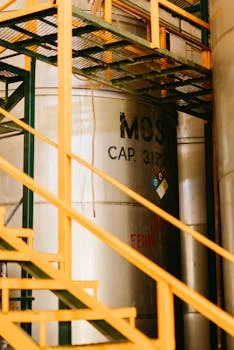
The Israeli market for industrial sewage treatment equipment and municipal wastewater systems is characterized by a mix of international giants and specialized local providers, each with distinct offerings. Understanding their core technologies and limitations is essential for making an informed procurement decision.
- Xylem Israel: Primarily focuses on municipal applications, offering systems designed for flows ranging from 50 to 5,000 m³/day. Their strengths lie in aeration solutions, advanced pumping systems (e.g., the energy-efficient Flygt N-pump series, offering up to 30% energy savings), and broader water infrastructure. Xylem's expertise in industrial DAF systems, however, is comparatively limited.
- Busch Israel: Specializes in blowers and compressors, which are critical components for aeration in biological wastewater treatment processes. Their Mink MM series, with power ranges from 1.5 to 15 kW, is widely used for enhancing oxygen transfer. Busch is not a full-system supplier but is ideal for retrofitting and optimizing aeration in existing plants.
- AquaTech Solutions Israel: A prominent provider of industrial DAF systems, offering units with flow rates from 4 to 300 m³/h and achieving high TSS removal rates of 92–97%. A notable case study is their 2023 project for a Tel Aviv food processor, which involved a ₪1.2M CAPEX and demonstrated a 4-year ROI through efficient solids separation. AquaTech's portfolio currently lacks extensive municipal MBR offerings.
- CKTS: Focuses on mechanical equipment for wastewater treatment plants (WWTPs), including pumps, screens, and grit removal systems. They do not offer proprietary biological treatment technologies but often partner with international suppliers to deliver turnkey projects, providing local installation and maintenance support.
- Metaher: Specializes in storage tanks and small-scale sewage systems, typically designed for flows of 1–50 m³/day. Their solutions are suitable for residential complexes or remote sites without access to municipal sewerage but are generally not equipped for large-scale municipal or industrial wastewater treatment.
- HydropureWater (via local partners): Operates as a full-system supplier, offering advanced technologies such as MBR, DAF, and chemical dosing systems. HydropureWater has a growing presence in Israel with over 10 projects, including a 2024 MBR installation in Ashdod that achieved 99% pathogen removal. They are competitive on CAPEX, with municipal plant costs ranging from ₪700K to ₪10M for comprehensive solutions like MBR systems for Israel’s 2025 compliance needs.
- Local integrators (e.g., Hamat Group): These companies provide custom turnkey solutions by integrating equipment from various international manufacturers (e.g., German MBR membranes). While they offer localized support and project management, their overall costs can be higher due to the integration of multiple supplier components and associated overheads.
| Supplier | Primary Focus | Core Technologies | Typical Flow Range (m³/day) | Key Strength | Limitation |
|---|---|---|---|---|---|
| Xylem Israel | Municipal | Aeration, Pumping, Instrumentation | 50–5,000 | Broad municipal portfolio, energy-efficient pumps | Limited industrial DAF expertise |
| Busch Israel | Components | Blowers, Compressors | N/A (component supplier) | High-efficiency aeration components | Not a full-system provider |
| AquaTech Solutions Israel | Industrial | DAF Systems | ~100–7,200 | High TSS removal (92–97%) for industrial pre-treatment | Lacks municipal MBR offerings |
| CKTS | Mechanical Equipment | Pumps, Screens, Grit Removal | Varies (component/integrator) | Local mechanical expertise, installation | No proprietary biological treatment |
| Metaher | Small-Scale/Residential | Storage Tanks, Septic Systems | 1–50 | Cost-effective for small flows | Not suitable for large plants |
| HydropureWater | Full-System (Municipal/Industrial/Medical) | MBR, DAF, Chemical Dosing | 50–10,000+ | Competitive CAPEX, full compliance, high pathogen removal | Relies on local partners for direct support |
| Local Integrators | Turnkey Projects | Integrated systems (various components) | Varies | Custom solutions, localized project management | Higher overall costs |
Technical Comparison: Supplier Performance Across 12 Key Parameters
Evaluating sewage treatment equipment suppliers in Israel requires a detailed technical comparison across critical operational and performance metrics. For instance, HydropureWater's MBR systems, such as the MBR Integrated Wastewater Treatment System, consistently achieve 99% TSS removal and maintain an energy consumption of approximately 0.8 kWh/m³, making them highly efficient for meeting stringent Israel wastewater discharge standards 2025. In contrast, AquaTech’s DAF systems, while effective for industrial pre-treatment, typically require 1.2 kWh/m³, indicating a higher energy demand compared to MBR for overall treatment. The following table provides a side-by-side comparison of key suppliers based on technical specifications, operational costs, and project lead times, assuming a representative 500 m³/day municipal plant for CAPEX and OPEX benchmarks.
| Supplier | Technology | TSS Removal (%) | COD Removal (%) | Energy Consumption (kWh/m³) | Footprint (m²/m³/day) | CAPEX Range (₪) | OPEX (₪/m³) | Compliance (Israeli Standards) | Lead Time (weeks) | Local Support | Use-Case Fit |
|---|---|---|---|---|---|---|---|---|---|---|---|
| Xylem Israel | Activated Sludge, Aeration | 95% | 90% | 1.0-1.5 | 0.5-0.8 | ₪900K–₪10M | ₪1.0–₪2.0 | Good (may require tertiary) | 12-20 | Yes | Municipal |
| Busch Israel | Blowers/Compressors | N/A (component) | N/A (component) | N/A (component) | N/A (component) | N/A (component) | N/A (component) | N/A (component) | 8-14 | Yes | Retrofit, Aeration Upgrade |
| AquaTech Solutions Israel | DAF Systems | 92-97% | 60-80% (pre-treatment) | 1.2-1.8 | 0.3-0.6 | ₪800K–₪5M | ₪1.2–₪2.5 | Good (pre-treatment) | 10-18 | Yes | Industrial Pre-treatment |
| CKTS | Mechanical Screens, Pumps | Up to 30% (primary) | Up to 20% (primary) | 0.1-0.3 | 0.1-0.2 | ₪300K–₪2M | ₪0.2–₪0.5 | Primary treatment only | 8-16 | Yes | Primary Treatment, Components |
| Metaher | Septic Tanks, Small Package Plants | 70-85% | 60-75% | 0.5-1.0 | 0.8-1.5 | ₪100K–₪500K | ₪0.5–₪1.0 | Basic (small scale) | 6-12 | Yes | Residential, Remote Sites |
| HydropureWater | MBR, DAF, Chemical Dosing | 99% (MBR), 95% (DAF) | 95% (MBR), 85% (DAF) | 0.8-1.5 | 0.2-0.4 (MBR), 0.3-0.6 (DAF) | ₪700K–₪12M | ₪0.8–₪1.8 | Excellent (MBR) | 14-22 | Via Local Partners | Municipal, Industrial, Medical |
| Local Integrators | Various (Turnkey) | Varies by components | Varies by components | Varies by components | Varies by components | ₪1M–₪15M | ₪1.0–₪2.5 | Varies by design | 16-24 | Yes | Custom, Complex Projects |
Note: CAPEX ranges assume a 500 m³/day municipal plant; industrial projects may vary by 20–30% depending on wastewater characteristics and flow. Data for HydropureWater is based on internal engineering benchmarks and project data. The choice between DAF vs MBR in Israel often comes down to the specific pollutant load and final discharge requirements.
Compliance Mapping: Which Suppliers Meet Israel’s 2025 Discharge Standards?
Meeting Israel’s stringent 2025 discharge standards is a primary concern for any new sewage treatment equipment procurement. Israeli regulations, as outlined in Ministry of Environmental Protection Circular 2024/5, mandate discharge limits of less than 10 mg/L TSS, less than 125 mg/L COD, less than 10 mg/L BOD₅, and less than 1 mg/L phosphorus for sensitive zones. Additionally, pathogen removal, specifically to less than 10 CFU/100mL E. coli, is required. MBR systems, such as HydropureWater’s DF series MBR Integrated Wastewater Treatment System, are engineered to meet all these standards without requiring extensive tertiary treatment, making them highly compliant for sensitive applications. In contrast, DAF systems, like those offered by AquaTech, are excellent for primary and secondary solids removal but typically require downstream filtration or chemical precipitation for phosphorus removal to meet the <1 mg/L limit. For medical wastewater, such as from hospitals, even stricter guidelines apply, requiring less than 1 CFU/100mL (per Ministry of Health 2023 guidelines); only advanced MBR or ozone-based systems can consistently achieve this level of pathogen reduction, making compact medical wastewater systems for Israeli hospitals a specialized niche. Industrial facilities, particularly those in food processing, must pretreat their effluent to less than 500 mg/L COD before discharge into municipal sewers, as per 2024 amendments. Suppliers like AquaTech and HydropureWater offer specialized DAF systems for industrial pre-treatment in Israel to achieve these specific requirements.
| Supplier | Meets TSS (<10 mg/L) | Meets COD (<125 mg/L) | Meets Phosphorus (<1 mg/L) | Meets Pathogens (<10 CFU/100mL) | Medical Wastewater Compliant (<1 CFU/100mL) |
|---|---|---|---|---|---|
| Xylem Israel | With tertiary | With tertiary | With tertiary | With disinfection | No |
| Busch Israel | N/A (component) | N/A (component) | N/A (component) | N/A (component) | N/A (component) |
| AquaTech Solutions Israel | Requires post-treatment | Requires post-treatment | No (requires chemical/filtration) | No | No |
| CKTS | No | No | No | No | No |
| Metaher | No | No | No | No | No |
| HydropureWater | Yes (MBR) | Yes (MBR) | Yes (MBR) | Yes (MBR) | Yes (MBR/Ozone) |
| Local Integrators | Varies by design | Varies by design | Varies by design | Varies by design | Varies by design |
Cost Breakdown: CAPEX, OPEX, and ROI for Israel’s Top Suppliers
Understanding the full lifecycle cost of a sewage treatment plant is crucial for procurement managers evaluating sewage treatment CAPEX in Israel. For a typical 500 m³/day municipal plant, CAPEX (Capital Expenditure) ranges from approximately ₪800K for basic DAF systems to ₪12M for advanced MBR installations. Industrial projects, such as those in food processing, often incur 15–20% less CAPEX due to specialized treatment needs and smaller overall footprints. Operational Expenditure (OPEX wastewater treatment Israel) is primarily driven by energy consumption (40–60% of total OPEX), followed by chemicals (20–30%), labor (10–20%), and maintenance (5–10%). MBR systems, despite higher initial CAPEX, often boast lower OPEX, ranging from ₪0.8–₪1.5/m³, due to their high efficiency and reduced chemical needs. DAF systems, while having lower CAPEX, typically have higher OPEX at ₪1.2–₪2.5/m³ due to higher energy demands for air compression and chemical flocculation. The Return on Investment (ROI) for municipal plants generally falls within 7–10 years, whereas industrial projects can achieve an ROI in 3–5 years, often accelerated by water reuse savings. For example, a 2024 MBR project in Ashdod with a ₪9.5M CAPEX achieved a 4-year ROI through significant water reuse, demonstrating the economic benefits of advanced systems. Beyond direct equipment costs, hidden costs can significantly impact the total project budget, including permits (₪50K–₪200K), site preparation (₪100K–₪500K), and operator training (₪20K–₪50K). These factors are critical for a comprehensive financial assessment, as seen in DAF system benchmarks from another advanced market.
| Supplier | CAPEX (₪) (500 m³/day municipal) | OPEX (₪/m³) | ROI (Years) | Estimated Hidden Costs (₪) |
|---|---|---|---|---|
| Xylem Israel | ₪900K–₪10M | ₪1.0–₪2.0 | 6-9 | ₪150K–₪700K |
| Busch Israel | N/A (component) | N/A (component) | N/A (component) | N/A (component) |
| AquaTech Solutions Israel | ₪800K–₪5M | ₪1.2–₪2.5 | 3-6 | ₪100K–₪600K |
| CKTS | ₪300K–₪2M | ₪0.2–₪0.5 | N/A (partial system) | ₪50K–₪300K |
| Metaher | ₪100K–₪500K | ₪0.5–₪1.0 | N/A (small scale) | ₪30K–₪150K |
| HydropureWater | ₪700K–₪12M | ₪0.8–₪1.8 | 3-7 | ₪120K–₪750K |
| Local Integrators | ₪1M–₪15M | ₪1.0–₪2.5 | 5-10 | ₪200K–₪1M |
Decision Framework: How to Choose the Right Supplier for Your Project
Selecting the optimal sewage treatment equipment supplier in Israel requires a structured decision framework that aligns supplier capabilities with specific project requirements. The first step involves defining the project type, as this dictates fundamental technological needs; for instance, medical projects necessitate MBR or ozone systems to meet stringent pathogen compliance (e.g., <1 CFU/100mL), a standard rarely required for general municipal or industrial applications. Step 2 focuses on assessing space constraints; compact urban sites, such as those in Tel Aviv, strongly favor space-efficient MBR or DAF systems for industrial pre-treatment in Israel, whereas rural locations may accommodate more conventional, larger-footprint activated sludge systems. Step 3 addresses the budget: CAPEX-sensitive projects, often found in smaller municipalities, might prioritize lower upfront cost DAF systems, while OPEX-sensitive industrial operations should lean towards MBR solutions due to their long-term operational efficiency. Step 4 involves compliance; projects in environmentally sensitive zones, like coastal areas, demand advanced systems such as MBR or tertiary treatment to meet stringent discharge limits for phosphorus and pathogens. Finally, Step 5 considers local support; projects with limited in-house technical expertise should prioritize suppliers with established Israeli service teams or robust local partner networks, like HydropureWater, to ensure reliable maintenance and operational assistance. This systematic approach, effectively a flowchart from Project Type to Recommended Supplier(s), minimizes risks and optimizes investment.
Frequently Asked Questions
The following FAQs address common questions procurement managers and engineers have when evaluating sewage treatment equipment suppliers in Israel.
What are the most common mistakes when selecting a sewage treatment supplier in Israel?
Common mistakes include underestimating 2025 compliance requirements, failing to account for hidden costs (permits, site preparation), prioritizing low CAPEX over long-term OPEX savings, and neglecting the importance of local support and spare parts availability. Many also fail to assess the specific wastewater characteristics, leading to undersized or inefficient systems.
How do Israeli discharge standards compare to EU/US regulations?
Israel's 2025 discharge standards are increasingly aligning with, and in some aspects surpassing, EU directives and certain US EPA regulations, especially for sensitive zones. For example, the <1 mg/L phosphorus limit for sensitive zones is comparable to the strictest EU standards. Pathogen removal requirements, particularly for water reuse, are also highly stringent, similar to advanced US state regulations (see also: how other countries handle medical wastewater compliance).
What’s the average lead time for sewage treatment equipment in Israel?
Average lead times for sewage treatment equipment in Israel typically range from 10 to 24 weeks, depending on the complexity of the system and whether components are imported or locally manufactured. Standard package plants might be quicker (6-12 weeks), while custom-designed MBR systems can take 18-24 weeks or more due to engineering, fabrication, and shipping.
Can I retrofit an existing plant with new equipment, or do I need a full replacement?
Many existing plants in Israel can be effectively retrofitted with new equipment, especially for upgrades to aeration systems (e.g., new blowers from Busch) or integration of advanced treatment modules like DAF or MBR. Full replacement is usually only necessary if the existing infrastructure is severely deteriorated, the footprint is insufficient, or the required treatment level is fundamentally incompatible with the current design.
What financing options are available for sewage treatment projects in Israel?
Financing options in Israel include conventional bank loans, government grants (especially for municipal projects focused on water reuse or environmental protection), and private equity investments for larger industrial initiatives. Some suppliers may offer lease-to-own options or performance-based contracts, particularly for advanced technologies with clear ROI benefits.
Related Equipment
- compact medical wastewater systems for Israeli hospitals — view specifications, capacity range, and technical data
Need a customized solution? Request a free quote with your specific flow rate and pollutant parameters.