Hospital Wastewater Treatment in Manitoba Canada: 2025 Engineering Guide with Costs, Compliance & Equipment Checklist
Manitoba hospitals must treat wastewater to meet provincial effluent limits (e.g., <200 mg/L BOD, <2.5 mg/L total residual chlorine) and federal Medical Wastewater Effluent Regulations (MWER). In 2025, systems must achieve 4-log pathogen reduction (99.99% kill) for bacteria and 3-log for viruses. UV disinfection (used at Winnipeg’s North End plant) is common, but hospitals often require additional ozone or chlorine dioxide (ClO₂) for antibiotic-resistant bacteria. Capital costs range from $80,000 for small clinics to $1.2M for regional hospitals, with operating costs of $0.50–$2.00/m³ treated.
Why Manitoba Hospitals Need Specialized Wastewater Treatment
Manitoba’s Environment Act and the federal Medical Wastewater Effluent Regulations (MWER) mandate stricter discharge limits for healthcare facilities than for standard municipal plants, often requiring fecal coliform counts below 100 CFU/100mL compared to the municipal standard of 200 CFU/100mL. This discrepancy exists because hospital effluent is a concentrated source of specialized contaminants, including multi-drug resistant organisms (MDROs), chemotherapy agents, and heavy metals like mercury from legacy dental amalgam. Unlike domestic sewage, hospital waste streams carry high loads of C. difficile and norovirus, which can bypass conventional activated sludge processes if not specifically targeted by advanced oxidation or membrane filtration.
The regulatory risk for Manitoba healthcare providers is tangible. A 2023 provincial audit conducted by Manitoba Health revealed that approximately 30% of rural hospital sites exceeded effluent limits for pharmaceutical residues, leading to administrative penalties and remediation orders ranging from $50,000 to $200,000. For facilities discharging near the Red River or Lake Winnipeg, the environmental stakes are higher; untreated pharmaceuticals like carbamazepine and diclofenac are persistent in cold-climate aquatic ecosystems, potentially impacting downstream drinking water intakes.
understanding U.S. hospital wastewater treatment requirements and cost benchmarks provides a useful reference point for Manitoba engineers, as federal Canadian standards increasingly align with EPA-level pathogen reduction targets. Specialized treatment is no longer a choice but a compliance necessity to prevent the "halo effect" of antibiotic resistance spreading from medical facilities into the local environment.
Manitoba’s Hospital Wastewater Regulations: 2025 Compliance Checklist

The Manitoba Environment Act requires all healthcare facilities to maintain biological oxygen demand (BOD) below 200 mg/L and total suspended solids (TSS) below 30 mg/L, though site-specific licenses may impose even tighter constraints. Under the 2025 MWER framework, engineers must design for specific "log-kill" benchmarks: a 4-log reduction for bacteria (such as E. coli), a 3-log reduction for viruses (such as norovirus), and a 2-log reduction for protozoa (such as Giardia). While not yet a hard mandate, Manitoba Sustainable Development currently recommends an 80% removal rate for priority pharmaceutical substances to align with the Canadian Environmental Protection Act.
Compliance also dictates a rigorous sampling schedule. Facilities are generally required to perform monthly testing for BOD and TSS, weekly testing for fecal coliforms, and quarterly screening for pharmaceuticals if the facility serves more than 100 beds. Before construction or major upgrades, an engineering report must be submitted to Manitoba Sustainable Development at least 90 days in advance, detailing pathogen log-kill calculations and the validation of the chosen disinfection method.
| Parameter | Manitoba Regulatory Limit | MWER 2025 Requirement | Sampling Frequency |
|---|---|---|---|
| BOD₅ | <200 mg/L | N/A | Monthly |
| TSS | <30 mg/L | N/A | Monthly |
| Fecal Coliforms | <100 CFU/100mL | 4-log reduction (bacteria) | Weekly |
| Total Residual Chlorine | <2.5 mg/L | N/A | Daily (if used) |
| Viruses/Protozoa | N/A | 3-log (virus) / 2-log (protozoa) | Quarterly validation |
Hospital Wastewater Treatment Process: Step-by-Step Engineering
Rotary mechanical bar screens remove solids greater than 6 mm to protect downstream membrane integrity and prevent pump fouling in the initial pretreatment stage. For hospital applications, grit chambers follow screening to remove inorganic sand and sediment, typically designed with a retention time of 3 to 5 minutes. Primary treatment often utilizes lamella clarifiers (sedimentation tanks) which can reduce TSS by 50–70% at a surface loading rate of 20–40 m/h, significantly reducing the organic load on the secondary biological stage.
Secondary treatment is the core of modern hospital systems, where an MBR system for hospital wastewater with 99% BOD removal is the industry standard. MBRs operate at high mixed liquor suspended solids (MLSS) concentrations of 8,000–12,000 mg/L and use membranes with a 0.1 μm pore size to provide a physical barrier to most bacteria. Tertiary treatment then focuses on disinfection. Depending on the target pathogens, this involves UV (40–80 mJ/cm²), ozone (0.5–2 mg/L), or chlorine dioxide. Finally, sludge handling is managed via plate-and-frame filter presses, which dewater sludge to 20–30% solids, reducing disposal costs which typically range from $50–$150 per ton in Manitoba.
| Process Stage | Equipment Type | Technical Parameter | Typical Performance |
|---|---|---|---|
| Pretreatment | Rotary Bar Screen | 6 mm spacing | Removes large debris |
| Primary | Lamella Clarifier | 20–40 m/h loading | 50–70% TSS removal |
| Secondary | MBR (Membrane Bioreactor) | 0.1 μm pore size | 99% BOD/COD removal |
| Tertiary | Ozone/UV/ClO₂ | Variable dosage | 4-log bacteria kill |
| Sludge | Plate-and-Frame Press | Hydraulic closure | 20–30% solids output |
Disinfection Technologies Compared: UV vs. Ozone vs. Chlorine Dioxide for Manitoba Hospitals
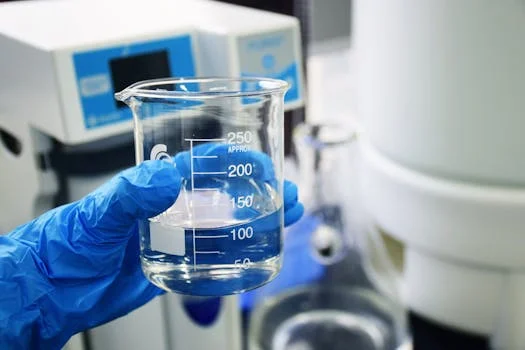
Ultraviolet (UV) systems require a minimum dosage of 80 mJ/cm² to achieve a 3-log reduction of viruses in hospital effluent, making them a common choice for high-flow facilities like Winnipeg’s North End plant. While UV is highly effective against viruses and protozoa like Cryptosporidium, its efficacy is heavily dependent on water clarity; if TSS exceeds 10 mg/L, the "shadowing" effect can protect pathogens. UV systems carry low energy costs ($0.05–$0.15/m³) but do not provide a residual disinfectant to prevent regrowth in piping systems.
Ozone and Chlorine Dioxide (ClO₂) offer superior performance for pharmaceutical oxidation and antibiotic-resistant bacteria. Ozone achieves a 4-log bacteria kill at dosages of 0.5–2 mg/L and is highly effective at breaking down complex organic molecules, though it requires specialized off-gas treatment and higher capital investment ($150K–$500K). An on-site ClO₂ generator for hospital effluent disinfection provides a middle ground, offering a 4-log bacteria kill and a disinfectant residual that is compliant with MWER as long as the total residual chlorine stays below 2.5 mg/L. Validation of these systems should follow EPA Method 1603, using E. coli or MS2 bacteriophage as surrogates.
| Technology | Pathogen Log Kill | Capital Cost | Operating Cost | Pharma Removal |
|---|---|---|---|---|
| UV Disinfection | 3-log Virus | $20K – $100K | $0.05 – $0.15/m³ | Low |
| Ozone (O₃) | 4-log Bacteria | $150K – $500K | $0.20 – $0.50/m³ | High |
| Chlorine Dioxide | 4-log Bacteria | $50K – $200K | $0.10 – $0.30/m³ | Moderate |
Cost Breakdown: Hospital Wastewater Treatment in Manitoba (2025 Data)
Capital expenditure for Manitoba hospital wastewater systems scales from $80,000 for small primary care clinics to over $1.2 million for regional health centers. A typical 100-bed hospital in rural Manitoba, generating 30 m³/day of effluent, can expect a total system cost of approximately $450,000. This includes pretreatment ($30K), MBR units ($250K), disinfection ($100K), and sludge dewatering ($70K). When comparing these figures, it is helpful to look at how Australia’s hospital wastewater regulations compare to Manitoba’s, as both regions face similar challenges in serving remote communities with high infrastructure costs.
Operating expenses (OpEx) range from $0.50 to $2.00 per cubic meter treated. Energy consumption for aeration and membrane scouring accounts for the largest portion ($0.10–$0.40/m³), followed by labor and chemical dosing. From an ROI perspective, the system often pays for itself by avoiding provincial non-compliance fines. For example, a 200-bed regional hospital facing $120,000 in annual fines for effluent violations would see a return on a $600,000 system investment in just five years. Manitoba’s Green Infrastructure Fund can cover up to 50% of capital costs for rural hospitals, capped at $500,000.
| Cost Component | Small Clinic (5-10 m³/d) | Regional Hospital (50-150 m³/d) |
|---|---|---|
| Capital (CapEx) | $80,000 – $150,000 | $600,000 – $1,200,000 |
| Energy Cost | $0.15/m³ | $0.10/m³ |
| Chemicals/Consumables | $0.20/m³ | $0.15/m³ |
| Annual Maintenance | $5,000 – $10,000 | $30,000 – $60,000 |
Equipment Selection Checklist for Manitoba Hospitals
Secondary treatment via Membrane Bioreactor (MBR) systems must utilize PVDF membranes with a 0.1 μm pore size to meet 2025 pathogen log-kill requirements. When selecting equipment, facility managers should prioritize 316 stainless steel construction for all wetted parts to resist the corrosive nature of hospital disinfectants and laboratory chemicals. Automation is equally critical; a PLC-controlled system should manage pH adjustment (maintaining 6.5–8.5) and coagulant dosing automatically to ensure consistent effluent quality without constant manual intervention.
For disinfection, a compact hospital wastewater treatment system with ozone disinfection is often the preferred choice for facilities with limited footprint. The following checklist serves as a baseline for procurement:
- Pretreatment: Rotary mechanical bar screens with 6 mm spacing and automated spray bars for cleaning.
- Biological: MBR systems with automated backwash cycles and a 5-year membrane warranty.
- Disinfection: Redundant UV banks or ClO₂ generators capable of 4-log bacteria reduction.
- Sludge: Plate-and-frame filter press sized for weekly rather than daily operation to reduce labor.
- Electrical: All controls must comply with the Canadian Electrical Code (CEC) and be housed in NEMA 4X enclosures.
- Support: Verification of local service support in Manitoba for emergency repairs and membrane replacement.
Frequently Asked Questions
How much do wastewater operators make in Manitoba?
According to the Manitoba Water and Wastewater Association (2024), certified operators typically earn between $65,000 and $90,000 per year. Many hospitals choose to outsource operations to specialized firms, which typically costs $50,000 to $100,000 annually depending on system complexity.
What is the largest wastewater treatment facility in Manitoba?
The North End Sewage Treatment Plant in Winnipeg is the largest, treating approximately 300,000 m³/day. However, because it is a municipal plant, it does not provide the specialized pharmaceutical and high-log pathogen removal required for direct hospital effluent, necessitating on-site treatment for medical facilities.
How is hospital wastewater treated differently from municipal wastewater?
Hospital systems are designed for higher pathogen log-kills (4-log vs 2-log) and must address pharmaceutical residues that municipal plants are not currently equipped to remove. They also require more robust pretreatment to handle medical plastics and high concentrations of disinfectants.
Can Manitoba hospitals discharge to municipal sewers?
Yes, provided the municipal sewer bypass agreement is met. However, many municipalities now require hospitals to pre-treat effluent for pH, solids, and specific pathogens before it enters the public grid to protect the municipal biological process.
What are the penalties for non-compliance in Manitoba?
Under Section 15 of the Environment Act, fines for exceeding effluent limits can reach $200,000 per year for corporations. Repeat offenders risk the revocation of their operating permits, which can lead to the temporary closure of medical departments.