Perak’s Industrial Wastewater Landscape: Key Sectors and Regulatory Pressures
Perak’s industrial sector contributed 18.5% to the state's GDP in 2023, driven largely by electronics manufacturing in Kerian and palm oil processing in Teluk Intan. For factory managers, navigating industrial wastewater treatment in Perak Malaysia requires balancing the diverse effluent profiles of these sectors against the Department of Environment (DOE) 2025 standards. In regional hubs like the Kerian Integrated Green Industrial Park (KIGIP), electronics manufacturers must manage heavy metal concentrations such as copper and nickel to levels below 1.0 mg/L, whereas palm oil mills in southern Perak face Chemical Oxygen Demand (COD) loads that can exceed 5,000 mg/L before treatment.
The DOE Perak office rigorously enforces the Environmental Quality (Industrial Effluent) Regulations 2009, particularly for factories discharging into the Sungai Perak catchment area. Standard A is mandatory for inland discharges upstream of water intake points, while Standard B applies to downstream or coastal areas. In 2023-2024, DOE Perak reported that 42 factories were fined a total of RM1.2 million, with the most frequent violations involving illegal discharge and non-compliant Industrial Effluent Characteristics Study (IECS) reports. The following table outlines the primary effluent limits applicable to Perak’s industrial zones.
| Parameter | Standard A (Inland) | Standard B (Coastal) | Kerian IP Specifics |
|---|---|---|---|
| Temperature (°C) | 40 | 40 | 40 |
| pH Value | 6.0–9.0 | 5.5–9.0 | 6.0–9.0 |
| BOD5 at 20°C (mg/L) | 20 | 50 | 20 |
| COD (mg/L) | 80 | 200 | 80 |
| Suspended Solids (mg/L) | 50 | 100 | 50 |
| Oil and Grease (mg/L) | 1.0 | 10.0 | 1.0 |
| Copper (mg/L) | 0.20 | 1.0 | 0.20 |
Geographically, Perak’s industrial landscape is divided into five high-intensity zones: Kerian (Electronics/Semiconductors), Ipoh (Food Processing/Heavy Industry), Teluk Intan (Palm Oil/Agriculture), Sitiawan (Textiles/Poultry), and Taiping (Rubber/Latex). Each zone faces unique challenges; for instance, factories near the Northern Perak Water Supply Scheme (NPWSS) are subject to more frequent site inspections to protect the state’s water security. Compliance is not merely a legal hurdle but a operational necessity to avoid production halts and the heavy penalties associated with repeat offenses.
How to Conduct an Industrial Effluent Characteristics Study (IECS) for DOE Compliance in Perak
The Department of Environment (DOE) Malaysia requires an Industrial Effluent Characteristics Study (IECS) to be conducted by a registered professional engineer before any treatment system design is approved for a Written Notification or License. This study provides the foundational data for engineering design, ensuring that the system can handle the peak volumetric flow and pollutant concentrations of the specific facility. In Perak, the IECS must account for seasonal variations, particularly in the palm oil sector where Teluk Intan mills experience COD spikes up to 10,000 mg/L during peak harvest months (HydropureWater field data, 2025).
The IECS process involves a minimum of three days of sampling for batch processes and seven days for continuous operations. Parameters must be tested at an SAMM-accredited laboratory. Common labs utilized by Perak industries include ALS Technichem (Ipoh) and Allied Chemists. A critical pitfall for Perak-based managers is ignoring the "first flush" effect during heavy tropical rainfall, which can dilute samples and lead to undersized treatment systems that fail during dry weather when concentrations are highest. For factories requiring precise chemical management, implementing a PLC-controlled chemical dosing for Perak’s heavy metal and pH adjustment needs is often a recommendation resulting from an IECS to ensure consistent compliance despite influent variability.
| IECS Component | Requirement | Frequency/Detail |
|---|---|---|
| Sampling Method | Flow-proportional composite | Hourly for 24 hours |
| Production Data | Raw material vs. Water usage | Correlated to sampling days |
| Lab Accreditation | Skema Akreditasi Makmal Malaysia | SAMM/ISO 17025 |
| Cost Benchmark | RM8,000 – RM20,000 | Depending on parameter count |
| Reporting | Professional Engineer (PE) Sign-off | Mandatory for DOE submission |
The cost of an IECS in Perak typically ranges from RM8,000 to RM20,000. While this may seem like a high upfront cost, it prevents the over-engineering of systems (which inflates CAPEX) or under-engineering (which leads to DOE fines). For electronics factories in Kerian, the IECS must specifically focus on the speciation of heavy metals, as traditional hydroxide precipitation may not be sufficient for chelated metals found in plating waste.
Industrial Wastewater Treatment Technologies for Perak: DAF vs. MBR vs. Chemical Dosing
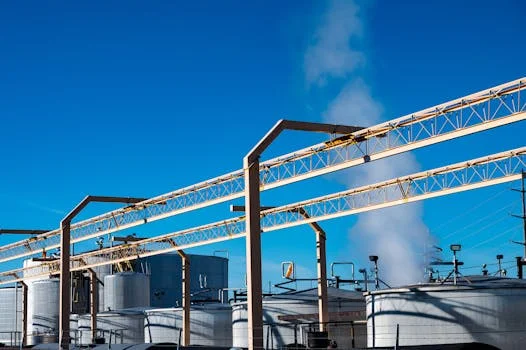
Dissolved Air Flotation (DAF) systems achieve up to 99% removal of fats, oils, and grease (FOG) in palm oil mill effluent (POME) pretreatment, making them a staple for Perak’s agricultural processing sector. DAF technology works by dissolving air under pressure and then releasing it as micro-bubbles in the wastewater, which attach to solid particles and float them to the surface for mechanical skimming. This is particularly effective for the high-TSS (Total Suspended Solids) and high-FOG wastewater found in Teluk Intan and Sitiawan. A high-efficiency DAF system for Perak’s food processing and palm oil industries can reduce the organic load by 40-60% before it even reaches biological treatment stages.
For the electronics and textile clusters in Kerian and Ipoh, Membrane Bioreactors (MBR) have become the preferred choice for 2025. MBR combines biological treatment with microfiltration or ultrafiltration membranes, eliminating the need for secondary clarifiers and providing an effluent quality that often exceeds Standard A. This technology is ideal for factories with limited footprint, as it operates at higher Mixed Liquor Suspended Solids (MLSS) concentrations. An MBR system for Perak’s electronics and textile factories requiring reuse-quality effluent typically achieves BOD levels below 5 mg/L, allowing for potential water recycling in cooling towers.
| Technology | Primary Target | Removal Efficiency | Footprint | Typical Perak Industry |
|---|---|---|---|---|
| DAF | FOG, TSS | 90–98% (FOG) | Moderate | Palm Oil, Food Processing |
| MBR | BOD, COD, Bacteria | 95–99% (BOD) | Compact | Electronics, Textiles |
| Chemical Dosing | Heavy Metals, pH | 99% (Metals) | Small | Electroplating, Mining |
| Anaerobic Digester | High COD | 70–85% (COD) | Large | Palm Oil (POME) |
Chemical dosing remains the backbone of pH adjustment and coagulation-flocculation processes. In the electronics sector, dosing Polyaluminum Chloride (PAC) and polymer at specific rates (e.g., PAC 100–300 mg/L) is essential for settling metal hydroxides. Many Perak factories are now moving toward automated systems to reduce chemical wastage and ensure compliance during shift changes where manual dosing accuracy often falters. Combining these technologies—such as using a DAF for primary clarification followed by an MBR for polishing—is the most robust strategy for meeting Standard A in high-load scenarios.
Cost Breakdown for Industrial Wastewater Treatment Plants in Perak (2025 Data)
Capital expenditure for industrial wastewater treatment plants in Malaysia typically ranges from RM7,000 to RM25,000 per cubic meter of hourly capacity, depending on the required effluent quality. In Perak, the cost of a 50 m³/h DAF system generally falls between RM350,000 and RM600,000, whereas an MBR plant of the same capacity can range from RM800,000 to RM1.2 million. These figures include engineering design, equipment procurement, installation, and commissioning, but exclude civil works like concrete tank construction, which can add another 30% to the total project cost.
Operating expenses (OPEX) are a critical factor for long-term budgeting. In Perak, electricity costs average RM0.50 to RM1.00 per cubic meter treated, with MBR systems sitting at the higher end due to membrane aeration requirements. Chemical costs vary by industry; food processing plants may spend RM0.30/m³ on polymers, while electronics factories may spend RM1.50/m³ on specialized coagulants and pH adjusters. Sludge disposal is a significant "hidden" cost in Perak, with licensed contractors charging between RM200 and RM500 per ton for transport and treatment at scheduled waste facilities. For a broader regional perspective, you may consult this ROI calculator for wastewater treatment investments in Southeast Asia.
| System Type | Capacity (m³/h) | CAPEX (RM) | OPEX (RM/m³) | Sludge Yield |
|---|---|---|---|---|
| Chemical Dosing | 20 | 150k – 300k | 1.20 – 2.00 | High |
| DAF System | 100 | 700k – 1.2M | 0.60 – 1.10 | Moderate |
| MBR Plant | 100 | 1.6M – 2.5M | 1.00 – 1.80 | Low |
| SBR (Sequential Batch) | 50 | 500k – 900k | 0.70 – 1.20 | Moderate |
The Return on Investment (ROI) for these systems is increasingly driven by the avoidance of DOE penalties and the potential for water reuse. A palm oil mill in Teluk Intan processing 100 m³/h of effluent can achieve a payback period of 2.4 years by avoiding the RM50,000 minimum fines and reducing raw water intake by 30% through treated water recycling for non-potable use. Comparatively, Sarawak’s package wastewater treatment requirements show similar CAPEX trends but different OPEX due to local utility rates.
Perak’s DOE Compliance Checklist: Permits, Reporting, and Inspections
Non-compliance with the Environmental Quality (Industrial Effluent) Regulations 2009 can result in mandatory prison sentences and fines exceeding RM100,000 per day of continued violation. To maintain compliance in Perak, factories must follow a strict administrative sequence. This begins with the submission of a Written Notification (Form A) and a Written Approval (Form B) for the construction of the treatment system. The DOE Perak office, located in Ipoh, typically requires 4 to 12 weeks to process these applications, though projects within the Kerian Integrated Green Industrial Park may receive expedited review as part of the state's "Green Industrial" initiative.
Once operational, the factory is required to perform monthly self-monitoring of effluent quality. Data must be uploaded to the DOE’s Online Environmental Reporting (OER) system. Failure to report, even if the effluent is within limits, is a common cause for "Notice of Violation." sludge management is a high-priority area for DOE inspectors in Perak. Factories must maintain a minimum of 30 days of sludge storage capacity in a covered, bunded area to prevent secondary contamination during Perak’s frequent rainstorms. Annual IECS retesting is also recommended to ensure the system’s design remains valid as production volumes or chemical usage patterns change.
"DOE Perak inspectors focus heavily on the 'Three Pillars of Compliance': functional online monitoring meters (pH and flow), up-to-date maintenance logs for mechanical equipment, and valid competency certificates for the wastewater treatment plant operator (CePIETSO)."
Common inspection failures in the Ipoh and Taiping industrial zones often involve the bypassing of treatment units during heavy rain or the lack of secondary containment for chemical storage tanks. Every chemical tank must have a bund wall capable of holding 110% of the largest tank's volume. For global context on these standards, one can look at global DAF system benchmarks for Perak’s food processing sector to see how international standards compare to Malaysia's DOE requirements.
Selecting a Wastewater Treatment Supplier in Perak: 2025 Vendor Checklist
Selecting a wastewater treatment vendor in Perak requires verifying their track record with the local DOE office, as regional soil conditions and discharge points significantly impact system engineering. A supplier may have excellent references in Selangor, but if they lack experience with Perak’s specific soil stability (crucial for heavy DAF tanks) or the local DOE branch's interpretation of Standard A, the project may face delays. Procurement leads should prioritize vendors who offer turnkey solutions—design, build, commissioning, and operator training—to ensure accountability.
When evaluating a supplier, ask for at least three references within Perak, preferably in the same industrial sector. A vendor specializing in electronics waste may struggle with the high organic fats found in food processing. ensure the supplier provides a performance guarantee in the contract. This guarantee should specify that the system will consistently meet DOE Standard A or B under the flow rates defined in your IECS. Avoid vendors who offer "off-the-shelf" solutions without first reviewing your specific effluent characteristics.
| Selection Criteria | Weightage | Verification Method |
|---|---|---|
| DOE Compliance Track Record | 40% | Review of past Written Approvals (Form B) |
| Local Service Support | 20% | Presence of technicians in Ipoh/Northern Region |
| Technical Performance Guarantee | 20% | Contractual effluent quality limits |
| Equipment Warranty | 10% | Minimum 12 months for mechanical parts |
| Operator Training (CePIETSO) | 10% | Provision of DOE-certified training modules |
Red flags during the selection process include a lack of interest in the IECS data, vague OPEX estimates, or an inability to explain how the system will handle "upset conditions" (e.g., a chemical spill in the factory). Reliability in industrial wastewater treatment in Perak Malaysia is defined by the system's ability to perform on its worst day, not its best. Finally, ensure that the contract includes liquidated damages for delays in DOE approval caused by engineering errors, as these delays can halt factory production and cause significant financial loss.
Frequently Asked Questions
What are the DOE effluent limits for industrial wastewater in Perak?
Most inland factories must adhere to Standard A: BOD ≤ 20 mg/L, COD ≤ 80 mg/L, and TSS ≤ 50 mg/L. Coastal factories follow Standard B: BOD ≤ 50 mg/L and COD ≤ 200 mg/L. Specific industrial parks like Kerian may have stricter heavy metal limits.
How much does a 100 m³/h wastewater treatment plant cost in Perak?
A DAF-based system typically costs RM700,000 to RM1.2 million, while a high-specification MBR system ranges from RM1.6 million to RM2.5 million. Costs vary based on the complexity of the influent and the required automation level.
What is the penalty for illegal wastewater discharge in Perak?
Under the 2024 DOE guidelines, first-time offenders face fines between RM50,000 and RM500,000. Repeat violations can lead to fines up to RM1 million and mandatory imprisonment for company directors.
Can treated industrial wastewater be reused in Perak factories?
Yes. MBR systems produce high-quality effluent suitable for reuse in cooling towers, floor washing, and irrigation. However, reuse for production processes requires additional DOE approval and often further polishing (e.g., Reverse Osmosis).
How long does it take to get a DOE permit for a new plant in Perak?
The standard timeline is 4 to 12 weeks. This includes the review of the IECS report and the issuance of Written Notification/Approval. Factors like the completeness of the engineering drawings and site location can affect this duration.