In 2025, Eastern Cape’s sewage treatment equipment market offers solutions from ZAR 50,000 for small domestic systems (e.g., BIOROCK’s 4-person units) to ZAR 5M+ for industrial MBR plants (e.g., 100 m³/h systems for food processing). Key considerations include SANS 241:2015 compliance (TSS <25 mg/L, COD <75 mg/L), local supplier lead times (4–12 weeks in Port Elizabeth vs. 12–20 weeks in Mthatha), and permit costs (ZAR 15K–ZAR 50K for Buffalo City). This guide provides vendor checklists, cost benchmarks, and compliance data to shortlist suppliers for your project.
Eastern Cape’s Sewage Treatment Challenges: Why Local Data Matters
Approximately 40% of Buffalo City and 65% of OR Tambo municipalities still lack access to formal sewer infrastructure as of 2023 municipal reports, necessitating robust on-site sewage treatment solutions for new developments. This infrastructure gap creates a distinct market where generic national wastewater treatment solutions often fall short of local demands and regulatory nuances. For instance, while Buffalo City primarily enforces SANS 241:2015 standards, requiring treated effluent to meet limits like TSS <25 mg/L and COD <75 mg/L, OR Tambo municipality often imposes additional, stricter limits for mining projects, such as heavy metal concentrations below 0.1 mg/L for coal operations.
geographic location significantly impacts project logistics and costs. Supplier lead times for sewage treatment equipment can vary dramatically, with installations in Port Elizabeth typically taking 4–8 weeks, whereas more remote areas like Mthatha may experience lead times of 12–20 weeks due to logistical complexities. Local cost drivers also reflect regional differences; land scarcity in dense urban areas like Port Elizabeth increases demand for compact, underground systems such as the WSZ Series underground sewage treatment plant for Eastern Cape projects, which minimizes footprint. Conversely, rural areas often prioritize zero-energy solutions like BIOROCK units to reduce operational expenses and reliance on unstable power grids. Understanding these regional distinctions is critical for effective project planning and procurement in the Eastern Cape.
How to Choose Sewage Treatment Equipment for Eastern Cape Projects: A 5-Step Decision Framework
Selecting the optimal sewage treatment equipment for projects in Eastern Cape requires a structured approach to ensure compliance, cost-effectiveness, and operational efficiency. A systematic decision framework can significantly reduce the complexity of evaluating various technologies and suppliers.
- Step 1: Define Project Scale and Flow Rate. The initial step involves accurately determining the project's wastewater generation capacity. Small-scale projects, such as individual housing estates or small commercial buildings, typically require systems processing less than 10 m³/h. Medium-scale projects, including schools or small industrial facilities, usually fall within the 10–100 m³/h range. Large-scale municipal or industrial applications, like mines or food processing plants, often exceed 100 m³/h. For domestic systems, a general benchmark is approximately 1 m³/h per 100 people.
- Step 2: Match Technology to Influent Characteristics. The type of wastewater dictates the most suitable treatment technology. For primarily domestic sewage, aerobic-anaerobic (A/O) systems are often effective. Industrial wastewater, especially from food processing, may require specialized pre-treatment like a DAF system for industrial wastewater pre-treatment in Eastern Cape to remove fats, oils, and grease (FOG), with DAF systems achieving over 90% FOG removal. For high-quality effluent suitable for reuse, advanced systems such as an MBR membrane bioreactor for high-quality effluent reuse in Eastern Cape can reduce TSS to less than 10 mg/L.
- Step 3: Ensure Compliance with Regulatory Standards. All wastewater discharge in Eastern Cape must adhere to SANS 241:2015, which mandates limits such as TSS <25 mg/L and COD <75 mg/L. Additionally, local bylaws, such as Buffalo City’s requirement for industrial discharge pH to be between 6 and 9, must be met.
- Step 4: Budget for Total Project Costs. Beyond the equipment purchase price (which can range from ZAR 50K to ZAR 5M+), consider installation costs, typically 15–30% of the equipment cost, and permit fees, ranging from ZAR 15K to ZAR 50K in Eastern Cape municipalities. Operational costs, including energy and maintenance, are also critical for long-term planning.
- Step 5: Shortlist Reputable Local Suppliers. Utilize vendor checklists and comparison tables, such as the one in the following section, to evaluate suppliers based on their experience, technical support, lead times, and capacity to meet specific project needs within the Eastern Cape.
| Technology Type | Application | Key Removal Efficiencies | Typical Effluent Quality | Energy Consumption |
|---|---|---|---|---|
| A/O Systems | Domestic sewage, small communities | COD: 80-90%, TSS: 85-95% | SANS 241:2015 (Basic) | Moderate |
| DAF Systems | Industrial pre-treatment (FOG, suspended solids) | FOG: >90%, TSS: >80% | Pre-treatment for further biological stages | Moderate to High |
| MBR Systems | High-quality effluent, water reuse, industrial | COD: >95%, TSS: <5 mg/L | SANS 241:2015 (Reuse Grade) | High |
| WSZ Series (Integrated) | Domestic, commercial, small industrial | COD: >90%, TSS: >90% | SANS 241:2015 | Moderate |
Top Sewage Treatment Equipment Suppliers in Eastern Cape: 2025 Comparison Table
The Eastern Cape sewage treatment equipment market features a mix of specialized local providers and national companies with a strong regional presence, offering diverse solutions for various project scales. Evaluating suppliers based on their specific equipment types, capacity ranges, compliance track records, cost structures, and lead times is essential for informed procurement decisions. The following table provides a snapshot of key suppliers active in the region as of 2025 (data compiled from vendor websites, municipal reports, and local industry interviews).
| Supplier Name | Primary Equipment Type | Capacity Range (m³/h) | Compliance Focus | Typical Cost Range (ZAR) | Lead Time (Weeks) | Client Examples (Eastern Cape) |
|---|---|---|---|---|---|---|
| Lektratek Water Technology | Package Plants, Custom Solutions | 5 – 200 | SANS 241:2015, Industrial Bylaws | ZAR 300K – ZAR 3M | 8 – 16 | Buffalo City Housing Projects, Private Estates |
| Scarab Water | Domestic Package Plants (Aerobic) | 0.5 – 10 (for individual units) | SANS 241:2015, Rural Standards | ZAR 80K – ZAR 400K | 6 – 12 | WBHO Eastern Cape (sub-contracted), Game Lodges |
| Calcamite (JoJo Tanks Subsidiary) | Packaged Wastewater Treatment Plants | 1 – 50 | SANS 241:2015, Domestic Bylaws | ZAR 120K – ZAR 800K | 4 – 10 | Farmsteads, Small Commercial Sites |
| BIOROCK South Africa | Non-Electric Sewage Treatment Plants | 0.2 – 3 (4-30 person units) | SANS 241:2015, Zero-Energy Focus | ZAR 50K – ZAR 250K | 4 – 8 | Off-grid Residential, Eco-developments |
| NuWater | Advanced Industrial & Municipal Systems | 50 – 500+ | SANS 241:2015, Mine Water Standards | ZAR 1M – ZAR 10M+ | 12 – 24 | Large Industrial Clients, Mining Sector |
| Watercare Solutions | MBR, DAF, Containerized Plants | 10 – 300 | SANS 241:2015, Water Reuse Standards | ZAR 800K – ZAR 5M | 10 – 18 | Food Processing Plants, Commercial Hubs |
Note: Cost ranges provided are estimates for 2025 installed systems and can vary significantly based on project-specific requirements, site conditions, and chosen specifications. It is always recommended to contact suppliers directly for detailed, project-specific quotes.
Cost Breakdown for Sewage Treatment Plants in Eastern Cape: 2025 Data
The total cost of a sewage treatment plant in the Eastern Cape is influenced by system capacity, technology complexity, site-specific conditions, and regulatory requirements. Understanding these cost drivers is crucial for accurate project budgeting in 2025.
System Size and Cost Ranges:
- Small Systems (<10 m³/h): These are typically package plants for domestic use, small commercial properties, or clusters of housing units. Costs range from ZAR 50,000 to ZAR 300,000. For example, a BIOROCK 4-person unit, including installation, can cost approximately ZAR 55,000.
- Medium Systems (10–100 m³/h): Suited for housing estates, schools, or medium-sized industrial facilities. The cost typically falls between ZAR 500,000 and ZAR 2,000,000. A WSZ Series underground sewage treatment plant for Eastern Cape projects with a 50 m³/h capacity, installed in Port Elizabeth, might cost around ZAR 1.2M.
- Large Systems (>100 m³/h): Designed for municipal applications, mines, or large industrial plants. These advanced systems, often incorporating MBR technology, can range from ZAR 2,000,000 to ZAR 5,000,000+. An MBR system capable of treating 200 m³/h, installed in Mthatha, could cost approximately ZAR 4.5M.
Key Cost Drivers:
- Land Costs: In urban centers like Port Elizabeth, land values range from ZAR 200–ZAR 800/m², which can influence the choice towards compact or underground systems.
- Permit Fees: Obtaining discharge permits from municipalities can cost between ZAR 15,000 and ZAR 50,000, depending on the municipality (e.g., Buffalo City vs. OR Tambo) and project complexity.
- Energy Consumption: Operational electricity costs vary significantly by technology. MBR systems, while producing high-quality effluent, can cost around ZAR 0.80/m³ to operate due to membrane aeration and pumping. Simpler A/O systems might cost closer to ZAR 0.30/m³ per cubic meter of treated water.
- Installation and Civil Works: These typically account for 15-30% of the equipment cost, varying with site accessibility, soil conditions, and required earthworks.
ROI Calculator for Wastewater Treatment Projects:
A simple Return on Investment (ROI) calculation can help procurement managers justify the capital expenditure for a sewage treatment plant, especially when considering water reuse or avoided fines.
Payback Period (Years) = Total Capital Cost / (Annual Savings from Water Reuse + Annual Avoided Fines)
For example, a ZAR 1.5M MBR system that generates ZAR 300K/year in water reuse savings (reducing potable water consumption) and avoids ZAR 100K/year in discharge fines would have a payback period of:
ZAR 1,500,000 / (ZAR 300,000 + ZAR 100,000) = 3.75 years
| System Size/Type | Equipment Cost Range (ZAR) | Installation & Civil Works (Est.) | Permit Fees (Est. ZAR) | Annual Energy Cost (Est. per m³) |
|---|---|---|---|---|
| Small Domestic (<10 m³/h) | ZAR 50K – ZAR 300K | 15-25% of equipment | ZAR 15K – ZAR 25K | ZAR 0.20 – ZAR 0.50 |
| Medium Commercial/Industrial (10-100 m³/h) | ZAR 500K – ZAR 2M | 20-30% of equipment | ZAR 25K – ZAR 40K | ZAR 0.30 – ZAR 0.80 |
| Large Municipal/Industrial (>100 m³/h) | ZAR 2M – ZAR 5M+ | 25-30% of equipment | ZAR 40K – ZAR 50K | ZAR 0.50 – ZAR 1.00+ |
Compliance Checklist for Eastern Cape Sewage Treatment Projects
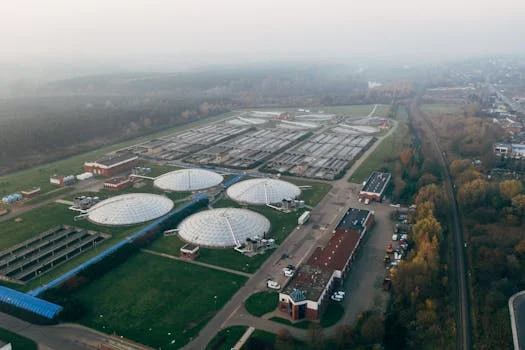
Ensuring full compliance with local and national wastewater discharge regulations is paramount for any sewage treatment project in the Eastern Cape, preventing costly fines and operational disruptions. The primary regulatory framework is the South African National Standard (SANS) 241:2015, which sets stringent limits for effluent quality, alongside specific municipal bylaws.
Key SANS 241:2015 Discharge Limits:
- Total Suspended Solids (TSS): <25 mg/L
- Chemical Oxygen Demand (COD): <75 mg/L
- pH: 6.0 – 9.0
- E. coli: <1,000 CFU/100mL (for general discharge)
- Faecal Coliforms: <100 CFU/100mL (for designated sensitive areas or reuse)
Local Municipal Bylaws in Eastern Cape:
- Buffalo City Metropolitan Municipality: For industrial discharge, Buffalo City bylaws often specify a tighter pH range of 6.5–8.5. They also have specific requirements for certain industrial pollutants, which must be verified based on the industry type.
- OR Tambo District Municipality: Due to significant mining activity in its jurisdiction, OR Tambo municipality often imposes additional, stricter limits for heavy metals. For example, mining projects may face limits such as arsenic <0.01 mg/L, cadmium <0.005 mg/L, and lead <0.025 mg/L. These specific limits are crucial for mining effluent and must be addressed with specialized treatment technologies.
Permit Application Process:
The permit process generally involves submitting a detailed engineering report to the relevant local municipality (e.g., Buffalo City, OR Tambo, Nelson Mandela Bay). This report must outline the proposed treatment technology, design parameters, expected effluent quality, and demonstrate compliance with all applicable standards. Permit fees typically range from ZAR 15,000 to ZAR 50,000. After submission, a review period of 4–12 weeks is common, followed by a final inspection before operational approval. Failing to account for disinfection requirements, such as using a chlorine dioxide generator for hospital and industrial disinfection in Eastern Cape, can lead to permit rejections, especially for facilities discharging into sensitive environments or for water reuse applications.
Common Compliance Pitfalls:
- Seasonal Flow Variations: Neglecting to design for fluctuating influent volumes and pollutant loads, particularly during OR Tambo’s rainy season which can increase influent TSS by 30%.
- Inadequate Disinfection: Omitting a robust disinfection stage, especially for discharge into recreational waters or for projects involving water reuse.
- Lack of Pre-treatment: Failure to implement effective pre-treatment for industrial wastewater can overload biological systems and lead to non-compliance.
- Insufficient Monitoring: Not installing proper effluent monitoring equipment to demonstrate ongoing compliance.
Case Study: Industrial Wastewater Treatment for a Port Elizabeth Food Processing Plant
A leading food processing plant in Port Elizabeth faced significant environmental challenges, incurring fines of ZAR 200,000 annually for consistently exceeding SANS 241:2015 discharge limits. The plant's raw influent wastewater exhibited high organic loads, with average TSS concentrations of 1,200 mg/L and COD levels of 800 mg/L, far surpassing the municipal acceptance criteria for discharge into the sewer network.
To address this, the plant implemented a two-stage wastewater treatment solution. First, a 30 m³/h DAF system for industrial wastewater pre-treatment in Eastern Cape was installed at a cost of ZAR 850,000. This DAF unit effectively removed fats, oils, grease (FOG), and a substantial portion of suspended solids. The pre-treated effluent then flowed into a 30 m³/h WSZ Series underground sewage treatment plant for Eastern Cape projects, an integrated biological system, which cost ZAR 1.1 million to install. The underground design was crucial for minimizing the footprint within the plant's constrained industrial premises.
The integrated system delivered remarkable results. Post-treatment effluent consistently achieved TSS levels below 18 mg/L and COD concentrations below 65 mg/L, well within SANS 241:2015 compliance. This eliminated all discharge fines and allowed the plant to explore water reuse options for non-potable applications, such as irrigation and cleaning. The total capital investment of ZAR 1.95 million (DAF + WSZ) yielded a payback period of approximately 3.5 years, primarily through avoided fines and anticipated savings from water reuse. A key lesson learned was that the effective pre-treatment provided by the DAF system reduced the organic and solids load on the downstream WSZ system by over 70%, which is projected to extend the membrane life and reduce maintenance requirements by an estimated two years.
Frequently Asked Questions
Common questions arise when evaluating sewage treatment equipment in the Eastern Cape, ranging from costs to compliance details. Here are answers to frequently asked queries:
Q: How much does it cost to set up a sewage treatment plant in Eastern Cape?
A: The cost to set up a sewage treatment plant in Eastern Cape varies significantly, ranging from ZAR 50,000 for small domestic systems to over ZAR 5 million for large industrial or municipal MBR plants. Small domestic systems typically cost ZAR 50,000–ZAR 300,000, while industrial MBR plants designed for high-quality effluent can cost ZAR 2 million–ZAR 5 million or more, depending on capacity and technology.
Q: Does Eastern Cape have a sewer system?
A: While major urban centers have established sewer systems, only approximately 60% of Buffalo City and 35% of OR Tambo municipality are serviced by formal sewerage infrastructure, according to 2023 municipal data. Many rural areas, new developments, and industrial facilities in the Eastern Cape still rely on on-site sewage treatment systems, such as package plants, to manage their wastewater.
Q: How much is a sewage treatment system for a small housing estate?
A: For a small housing estate requiring a capacity of 10–30 m³/h, an integrated sewage treatment system like a WSZ Series underground plant typically costs between ZAR 300,000 and ZAR 800,000. This estimate generally includes the equipment, permit fees, and professional installation services, providing a comprehensive solution for multiple households.
Q: What are the compliance requirements for sewage treatment in Eastern Cape?
A: All sewage treatment projects in Eastern Cape must comply with SANS 241:2015, which mandates effluent limits such as Total Suspended Solids (TSS) <25 mg/L, Chemical Oxygen Demand (COD) <75 mg/L, and a pH between 6 and 9. Additionally, local municipal bylaws apply; for example, Buffalo City requires industrial discharge pH to be between 6.5 and 8.5, while OR Tambo municipality may impose specific heavy metal limits for mining projects. Permit fees for compliance range from ZAR 15,000 to ZAR 50,000.
Q: Can I reuse treated sewage water in Eastern Cape?
A: Yes, treated sewage water can be reused in Eastern Cape, but only if the advanced treatment systems (e.g., MBR technology) achieve effluent quality that meets the stringent SANS 241:2015 reuse standards. These standards typically require very low levels of TSS (<10 mg/L) and significantly reduced E. coli counts (<1,000 CFU/100mL for general reuse, even stricter for direct contact or irrigation of food crops), ensuring the water is safe for non-potable applications like irrigation, industrial processes, or toilet flushing.