What Changes When a Texas Auto Plant Expands?
Wastewater from a Hyundai auto-plant expansion in Texas should be handled through a source-segregated, permitted treatment system, not by assuming the existing discharge authorization covers higher production. Texas provides two principal discharge pathways: a TPDES permit for direct surface-water discharge or a POTW industrial user permit under 30 TAC Chapter 305 and the local sewer use ordinance. Expansion planning should also evaluate on-site treatment and process-water reuse. Hyundai’s Georgia plant shows why permit sequencing matters: HMGMA received a $30,000 consent order on April 25, 2025, after alleged unauthorized industrial discharges and a 143-day pretreatment-permit gap (HydropureWater, 2026).
Higher vehicle production can increase rinse-water, wash-water, cooling, boiler and sanitary flows even when some process water is reused. Water demand and authorized wastewater discharge are separate questions: Hyundai’s Georgia plant could draw more than 6 million gallons per day from four wells while expanding permitted wastewater output by about 500,000 gallons per day (The Current GA, 2026-10-24).
The Georgia figures are useful only as an industry-scale reference. A Texas project must verify site-specific flows, stream composition, sewer capacity and the current permit before selecting equipment or claiming compliance. That review should connect each production increase to treatment capacity, permit coverage, monitoring and operating controls rather than treating expansion as an equipment installation alone. For the sizing questions raised by the Georgia expansion, see DAF capacity calculation for an EV assembly plant.
Choose the Legal Discharge Route Before Designing the Plant
TPDES is the Texas permitting framework for direct industrial wastewater discharge to surface water, administered by TCEQ under the Clean Water Act (TCEQ, 2026; HydropureWater, 2026). A POTW industrial user permit instead authorizes industrial wastewater discharge to a municipal treatment works under 30 TAC Chapter 305 and the receiving sewer’s use ordinance. The route affects monitoring, discharge limits, pretreatment obligations and the treatment equipment that must be installed.
| Route | Regulatory basis | Key project checks |
|---|---|---|
| Direct surface-water discharge | TPDES permit administered by TCEQ | Discharge point, receiving-stream criteria, technology-based and site-specific limits, monitoring and reporting |
| Discharge to a POTW | POTW industrial user permit under 30 TAC Chapter 305 and the local sewer use ordinance | Local limits, prohibited discharges, pretreatment standards, monitoring, reporting and sewer capacity |
| On-site treatment before discharge or reuse | Authorization depends on the final discharge or reuse route | Treatment objective, residual concentrate, sludge disposition, permit coverage and receiving infrastructure |
A change of ownership does not automatically transfer a TPDES permit. The successor operator must file TCEQ Form 10311 under the Chapter 305 transfer-by-amendment process, and an associated POTW industrial user permit must be reissued in the new operator’s name (HydropureWater, 2026). If the acquired or expanded site will generate no industrial wastewater, the operator may request a no-source determination and permit cancellation rather than a transfer.
Review timing must be built into the project schedule. The supplied research describes standard review as approximately 90 to 180 days depending on permit complexity and whether public notice or a contested hearing is requested (HydropureWater, 2026). Those are review durations, not an approval deadline for every project. The comparison of industrial discharge routes and sewer constraints illustrates why receiving capacity and legal authorization should be resolved before mechanical design.
Inventory and Segregate Every Wastewater Stream
A defensible automotive wastewater mass balance begins at the source. For metal finishing and pretreatment, the supplied analysis identifies phosphate and nickel rinse water, acid and alkaline cleaning rinses, e-coat rinse water, detackification-booth overflow and solvent-bearing wash water as streams requiring characterization (HydropureWater, 2026). These streams may require metal-finishing pretreatment controls or site-specific treatment depending on the discharge route.
| Source group | Representative streams or contaminants | Design and routing questions |
|---|---|---|
| Metal finishing and pretreatment | Phosphate and nickel rinse water; acid and alkaline cleaning rinses; e-coat rinse water; detackification-booth overflow; solvent-bearing wash water | Which streams are categorical, locally limited or suitable for reuse? Can they be segregated for precipitation and polishing? |
| Body shop and machining | Tunnel-wash effluent with suspended solids, oils and trace metals; drawing-compound rinses; cutting-fluid emulsions | What are the peak oil, FOG and solids loads? Does each stream require DAF, emulsion control or another pretreatment step? |
| Utilities | Boiler blowdown, cooling-tower blowdown, reverse-osmosis reject and compressor condensate | Can concentrates be isolated? What are the discharge limits, reuse constraints and disposal routes? |
| Sanitary | Toilets, sinks and other domestic-strength wastewater | Can sanitary flow remain segregated in the mass balance and sewer-capacity analysis? |
Utility streams must not disappear into an averaged plant flow. Boiler blowdown and cooling-tower blowdown differ from process rinses, and reverse-osmosis reject creates a residual-concentrate stream that must have a defined destination. Sanitary wastewater should remain identifiable within the mass balance and should not be commingled with industrial flow without authorization (HydropureWater, 2026).
Equipment sizing should use a flow survey and representative influent sampling from the Texas site. The approximately 500,000-gallon-per-day Georgia increase is a reference point, not a Texas design flow. For oily stamping and machining streams, sizing an MBR for stamping-press oily wastewater illustrates why stream-specific flow and contaminant data are necessary before treatment capacities are set.
Build a Treatment Train around the Contaminants
Equalization should be at the front of the industrial treatment train to stabilize flow and concentration before chemical addition, while source segregation should be designed from the start (HydropureWater, 2026). The objective is not merely to smooth hydraulic peaks; it is to prevent a dilute, reusable rinse stream from being mixed with a concentrated metal-bearing reject and then treated at an ineffective average concentration.
| Treatment stage | Primary purpose | Design basis and cautions |
|---|---|---|
| Equalization and source segregation | Stabilize flow, concentration and pH before treatment | Size from measured diurnal and batch flows; maintain separate industrial, utility, concentrate and sanitary accounting |
| DAF | Remove suspended solids, free oil, FOG and some colloidal material | Evaluate for stamping, machining and wash-water streams using peak load and waste characteristics; see a DAF system for automotive industrial wastewater |
| pH adjustment and chemical precipitation | Remove dissolved metals as precipitates | Define target metals, reaction conditions, chemical demand and sludge chemistry before selecting equipment |
| Lamella clarification or DAF | Separate precipitated solids or floatable contaminants | Choose based on sludge characteristics, hydraulic loading, oil-removal duty and available footprint |
| Multimedia filtration and carbon polishing | Remove residual solids and selected organic contaminants | Include only where the permit or reuse study establishes the required treatment objective |
| MBR polishing | Provide biological solids removal and polishing | Evaluate where combined industrial and sanitary polishing or near-reuse-quality effluent is required; see an MBR system for industrial wastewater polishing and reuse |
| RO or ultrafiltration for reuse | Produce water for a defined process application | Proceed only after primary treatment and a site water-quality study establish pretreatment and concentrate disposal |
| Sludge dewatering | Stabilize and reduce sludge volume for authorized disposal | Match the dewatering method to hydroxide or other chemical sludge and the disposal route |
The metal-finishing train described in the supplied research is equalization, pH adjustment and precipitation, clarification or DAF, multimedia filtration, carbon polishing and sludge dewatering (HydropureWater, 2026). DAF is relevant where suspended solids, oil or FOG dominate; precipitation followed by lamella clarification is relevant where dissolved metals must be converted to separable solids. These are not interchangeable guarantees.
For combined industrial and sanitary polishing or near-reuse-quality effluent, the supplied Hyundai analysis identifies MBR as an option. Reverse osmosis or ultrafiltration may support process-water reuse only after the primary treatment train and application-specific water-quality study define the required pretreatment. The automotive-plant DAF capacity comparison provides a useful reference for evaluating equipment against stream conditions, not as a substitute for Texas influent data.
Design for Permit Compliance, Monitoring and Sludge
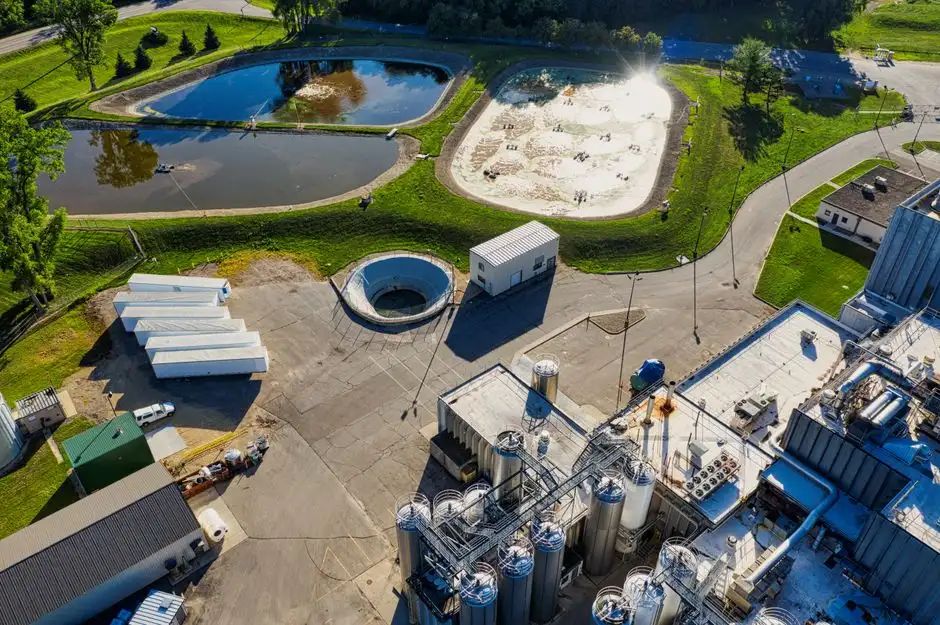
The treatment system must produce evidence that each discharge remained within its applicable authorization. For POTW industrial users, 40 CFR Part 403 frames general pretreatment duties, including obtaining a permit, self-monitoring, reporting and compliance with local limits (HydropureWater, 2026). For relevant metal-finishing streams, 40 CFR Part 433 addresses lead, cadmium, total chromium, hexavalent chromium, copper, nickel, zinc and total toxic organics (HydropureWater, 2026).
| Compliance element | Required design record | Procurement or operating implication |
|---|---|---|
| Applicable limits | TPDES conditions, POTW sewer limits, categorical standards and any reuse specification | The supplier must identify which limits its proposed outlet guarantees |
| Monitoring plan | Parameter, location, method, frequency, representative sampling point and data owner | Provide sampling access, flow measurement and laboratory coordination |
| Chain of custody | Sample identification, custody transfer, laboratory receipt and analytical results | Specify records and responsibilities in the operating manual |
| Flow accounting | Individual stream meters, total discharge measurement and reconciliation | Do not approve a combined average that conceals peak industrial discharges |
| Sludge management | Generation rate, chemical content, dewatering route, storage and disposal authorization | Price the sludge line and disposal route separately from the liquid-treatment train |
| Operational controls | Chemical records, calibration, diversion prevention and bypass response | Include automatic controls and a routing log in the acceptance test |
Monitoring frequency is permit-driven. The proposed Georgia permit described in the supplied research ranged from annual to daily depending on the parameter; Texas monitoring must follow the applicable POTW local limits and self-monitoring requirements or the conditions of a TPDES permit (HydropureWater, 2026). The buyer should therefore avoid selecting sampling hardware from a generic schedule.
Chemical-precipitation sludge requires its own line. The supplied research identifies a filter press as the matching dewatering unit for hydroxide sludge, while the industrial wastewater sludge treatment process provides a broader basis for evaluating sludge handling. Maintain flow records, calibration records, chain-of-custody documentation and a routing log so every authorized discharge can be reconstructed during a compliance review.
Sequence the Expansion from Preconstruction to Startup
The expansion should pass defined regulatory and operating gates rather than move directly from production forecast to equipment purchase. The sequence below separates actions needed before production increases from obligations triggered by actual discharge.
- Before construction: verify the existing TPDES or POTW authorization, local limits, approved discharge routes, sewer capacity and whether an amendment or new industrial user permit is required. Confirm ownership and permit-transfer status rather than assuming continuity.
- Before final equipment selection: complete a waste-stream inventory, flow survey and representative influent testing. Use the results to size equalization, DAF or clarification, filtration, biological polishing and sludge handling for each routing decision.
- During commissioning: verify controls, chemical feed, equalization performance, diversion and bypass prevention, sample points, flow instrumentation and operating procedures before accepting industrial flow.
- Before production ramp-up: confirm permit coverage, monitoring readiness, chain-of-custody procedures, authorized sludge disposal and an approved contingency route.
- During production: reconcile each stream’s flow and analytical results against the applicable permit, investigate excursions and retain the operating record.
Hyundai’s Georgia case is the control lesson, not a Texas rule. The $30,000 consent order dated April 25, 2025 followed alleged unauthorized discharge to a POTW and an alleged 143-day pretreatment-permit gap (HydropureWater, 2026). A temporary pump-and-haul or other routing arrangement does not establish permit coverage, sewer acceptance or treatment performance. The expansion sequencing reference can help translate the gates into a project schedule, but the Texas permit record remains controlling.
Questions to Resolve Before Ordering Equipment
Comparable bids begin with the same performance basis. Each supplier should state its design flow, design influent matrix, guaranteed outlet parameters, applicable permit or sewer limit and performance-test protocol. If the proposed guarantee cannot be tied to a Texas limit, a defined reuse specification or another agreed performance criterion, it is not a comparable offer.
| Supplier question | Required response |
|---|---|
| What flow and wastewater stream is the equipment sized for? | Show peak and average flow, batch discharge assumptions, composition, operating hours and the selected discharge route |
| What outlet result is guaranteed? | State each guaranteed parameter, applicable limit, sampling method and test conditions |
| How will the system operate? | Describe automatic controls, chemical feed, sludge withdrawal, alarms, standby strategy and expansion provisions |
| What is included in the commercial schedule? | Separate equipment, installation, commissioning, training, performance testing, chemicals, sludge handling and delivery assumptions |
| What happens when acceptance criteria are not met? | State the test protocol, deficiency correction, retesting process and responsibility for temporary treatment or disposal |
Ask for sizing based on the selected stream route rather than a combined plant average that hides metal, oil or FOG peaks. Confirm whether automatic controls, chemical-feed systems, sludge withdrawal and standby provisions are included. The supplied research does not provide a universal equipment delivery or commissioning lead time, so the buyer should require each bidder to state its assumptions rather than infer a period from another project.
Price contingency treatment and authorized disposal explicitly. Temporary routing to a POTW is not a substitute for an industrial user permit, sewer acceptance or failed wastewater acceptance testing. For further procurement context, use the automotive DAF capacity calculation reference as a checklist, not as a universal design basis.
Frequently Asked Questions
Does a Hyundai expansion in Texas require TPDES, a POTW permit or on-site treatment?
All three may form part of the answer, but the governing route depends on the Texas site’s discharge destination, current authorization, waste characteristics and receiving infrastructure. A TPDES permit applies to direct surface-water discharge; a POTW industrial user permit applies to industrial discharge to a municipal treatment works; and on-site treatment must discharge to an authorized destination or support a defined reuse application (TCEQ, 2026; HydropureWater, 2026).
Does the Hyundai Georgia consent order establish a Texas penalty or wastewater limit?
No. The $30,000 consent order dated April 25, 2025 is a Georgia enforcement precedent concerning alleged unauthorized discharge and an alleged 143-day permit gap (HydropureWater, 2026). It does not set a Texas permit limit or determine a Texas penalty. Texas requirements must be established through the applicable TPDES or POTW authorization and current state rules.
Is 500,000 gallons per day the required wastewater-treatment capacity for the Texas expansion?
No. The approximately 500,000-gallon-per-day increase was the permitted wastewater-output expansion reported for Hyundai’s Georgia plant (The Current GA, 2026-10-24). Texas equipment sizing requires site-specific flow surveys, representative influent sampling, production-shift assumptions, reuse decisions and the selected discharge route.
What should the buyer verify before issuing the final equipment purchase order?
Verify permit transfer or amendment status, applicable discharge limits, monitoring requirements, sewer capacity, sludge-disposal arrangements, temporary-routing controls and commissioning acceptance criteria. Ask each supplier to state the design flow, influent matrix, guaranteed outlet parameters, applicable limit and performance-test protocol. If pricing is the priority, request a line-by-line quotation covering equipment, installation, commissioning, controls, chemicals, sludge handling, temporary treatment and performance testing; the supplied research does not provide a quotation for this Texas project.