How to choose DAF or a clarifier for Melrose Park metal-fabrication wastewater
For fabricated-metals wastewater in Melrose Park, factories should choose DAF when oil, grease, emulsified coolant, paint residues, or conditioned light solids dominate; choose a lamella clarifier when dense metal fines, grit, chips, or precipitated solids settle reliably. Neither device automatically removes dissolved metals or guarantees permit compliance. In 2026, the defensible choice comes from source-specific sampling, average and batch-flow data, jar or pilot testing, a confirmed local discharge authorization, and a lifecycle comparison of the complete treatment train.
The selection rule is contaminant behavior, not the equipment label. A commercial “DAF clarifier” still performs flotation; it is not gravity clarification. DAF is the stronger functional candidate where floatable oil, FOG, emulsified coolant, or chemically conditioned low-specific-gravity solids must be recovered. Lamella clarification is the stronger candidate for swarf, grit, dense chips, or metal-bearing precipitates that settle reliably.
Four inputs control the decision: representative wastewater chemistry; average, peak, and batch hydraulics; results from the proposed chemical-conditioning program; and the treatment objectives confirmed in the current discharge authorization. No Melrose Park-specific discharge limits were supplied for this comparison, so the purchaser must obtain written confirmation from the sewer authority or other receiving permitting authority before assigning performance guarantees.
The fabricated-metals DAF versus clarifier guide provides the broader equipment context, while the 2026 fabricated-metals wastewater technology comparison explains why stream separation must precede equipment selection.
Map each wastewater stream before comparing equipment
A single composite average can hide the contaminant fraction and discharge event that determine separator selection and hydraulic capacity. Create separate sampling plans for machining wastewater, washdown, oily drainage, paint or finishing waste, and cleanup or batch discharges. Do not combine them into one average before identifying the governing loads.
| Wastewater stream | Information to establish | Decision question |
|---|---|---|
| Machining wastewater | TSS, particle size, settleable solids, free or emulsified oil, coolant identity, dissolved and particulate metals | Do dense fines settle, or do oil and conditioned particles require flotation? |
| Washdown | Instantaneous and sustained flow, batch volume, frequency, timing, TSS, turbidity, metals and current chemicals | Does this stream control hydraulic capacity even if its pollutant concentration is relatively low? |
| Oily drainage | Oil and grease, FOG, emulsification behavior, flow range, existing separator performance | Does DAF offer the stronger recovery mechanism after conditioning? |
| Paint or finishing waste | pH, solids, paint chemistry, floatability, particle association and metals | Will conditioning create recoverable flocs, or is another treatment step required? |
| Cleanup and batch discharges | Batch volume, duration, frequency, discharge timing, concentration and upset conditions | Which event controls equalization, treatment capacity, and chemical demand? |
For every stream, request TSS, oil and grease, FOG where relevant, pH, settleable solids, turbidity, particle-size information, flow range, batch frequency, current chemical use, and both dissolved and particulate metals. COD and BOD should also be measured where they affect the treatment objective or discharge authorization.
Keep total metals and dissolved metals separate. Total metals describe the full metal inventory in the sample; dissolved metals describe the fraction remaining in solution. DAF can recover metals associated with floatable solids or flocculable precipitates, but it does not inherently remove metals remaining dissolved.
Record average flow, peak flow, batch volume, frequency, duration, and discharge timing. Sampling must cover normal production and representative cleanup or upset periods. Note whether oil is free or emulsioned and whether metal-bearing material is suspended, precipitated, or dissolved. Missing stream data is a reason to sample, not a basis for importing a supplier’s generic design flow.
DAF and lamella clarification separate different wastewater fractions
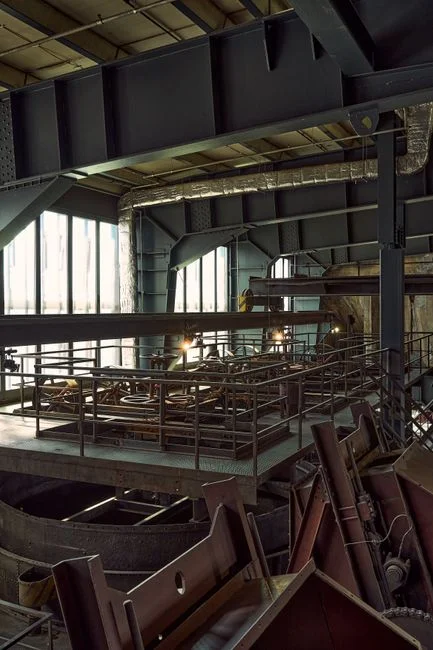
DAF and lamella clarification recover different fractions through different operating trains, so their pilot results must include conditioning and residue handling rather than only final water quality.
| Element | Dissolved air flotation | Lamella clarification |
|---|---|---|
| Primary mechanism | Conditioned particles attach to microbubbles and rise to the surface | Flocculated solids settle through inclined-plate separation area |
| Principal process train | pH adjustment, coagulation, flocculation, clean-water startup, pressurized recycle, contact, skimming, and bottom-solids collection | Flocculation, sludge recirculation, inclined-plate separation, hopper withdrawal, and underflow removal |
| Equipment references | Clearwater Industries identifies 30–50 micron microbubbles in its 2026-04-27 reference; Aries identifies approximately 30 µm bubbles and approximately 100 psi recycle pressure | HydropureWater specifies lamella surface-loading rates of 20–40 m/h |
| Recovered residue | Skimmed float containing oils, grease, and attached solids, plus separately collected bottom settled solids | Settled underflow |
| Dissolved metals | Not inherently removed when metals remain in solution | Not inherently removed when metals remain in solution |
The bubble and pressure values above are equipment references, not guaranteed Melrose Park performance. Actual attachment depends on recycle performance, chemical conditioning, contact conditions, and wastewater characteristics. Clearwater Industries’ 2026-04-27 reference also describes serpentine flocculation tubes providing a 15–45 second flash-mixing period; mix tanks permit longer contact where the chemical program requires it.
Chemical conditioning is therefore part of flotation, not an accessory. Coagulation and flocculant dosing must be established by testing because they affect particle attachment, float quality, and downstream handling.
Lamella clarification similarly depends on flocculation, stable sludge recirculation, plate performance, hopper management, and underflow withdrawal. Neither supplied equipment source establishes universal dissolved-metal removal performance or application-matched removal percentages for the same fabricated-metals wastewater. An industrial dissolved air flotation system and a lamella clarifier tank must therefore be compared using measured flotation or settling behavior, chemical demand, and recovered-residue characteristics.
Compare DAF and clarifier on the operating basis that affects the buyer
The economically meaningful comparison covers hydraulics, chemistry, utilities, controls, access, footprint, and the downstream route for every recovered residue.
| Procurement basis | DAF | Lamella clarification |
|---|---|---|
| Best-fit fraction | Floatable oils, FOG, emulsified coolant, and conditioned light solids | Dense swarf, grit, chips, and reliably settling metal-bearing solids |
| Hydraulic basis | Flotation area, freeboard, conditioning, recycle, contact conditions, and heavy-solids handling | Traceable hydraulic loading, plate arrangement, recirculation stability, and underflow withdrawal |
| Chemistry | Conditioning is integral because bubble attachment depends on tested floc formation | Flocculation and recirculation must support plate separation and stable sludge behavior |
| Residue | Skimmed float and a separate bottom-solids zone require individual assessment | Underflow concentration, stability, withdrawal, transfer, and disposal require assessment |
| Utilities and controls | Pressurized recycle, bubble generation, dosing, skimming, clean-water startup, and solids withdrawal | Recirculation, plate-zone operation, sludge withdrawal, and hopper management |
| Bid scope | Flotation unit, conditioning, controls, recycle, skimmer, collection, installation, commissioning, and acceptance test | Clarifier, flocculation, recirculation, sludge handling, controls, installation, commissioning, and acceptance test |
HydropureWater’s 20–40 m/h lamella surface-loading specification is a design parameter to evaluate, not a substitute for application testing or confirmed duty data. The bidder must show how its plate arrangement, recirculation, sludge-blanket assumptions, and loading condition match the selected wastewater and batch duty.
DAF float and clarifier underflow must be priced and permitted as distinct waste streams. Float may contain oils, grease, and attached solids; underflow is a settled solids stream. Assess concentration, stability, moisture characteristics, withdrawal, transfer, and permitted disposal for each. A PLC-controlled automatic chemical dosing system belongs in the DAF operating scope rather than being separated into an accessory bid.
Do not compare an equipment-only quote with a turnkey treatment proposal. Include utilities, floor space, access, controls, instrumentation, startup services, maintenance, commissioning, and residue handling. If the wastewater contains both floatable oil and heavy solids, evaluate a hybrid DAF-plus-clarification train and use test data to determine which arrangement reduces the combined sludge-handling and disposal burden.
A downstream plate-and-frame sludge filter press should be evaluated only after the solids properties and permitted disposal route are known.
Size from the governing batch condition, not the catalog range
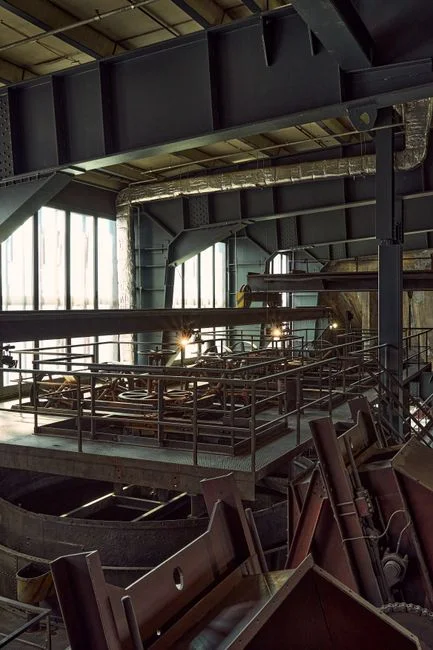
Separator capacity must be established from the hydraulic and contaminant-loading case that controls performance, not from the largest average daily flow or a supplier’s catalog range.
Define separate average, peak, cleanup, and batch cases. Show both flow and pollutant loading for each, including TSS, oil and grease, and any other characteristic that drives conditioning or solids handling. Identify the combination expected to produce the most difficult treatment condition; do not assume that the highest-volume stream is also the highest-load stream.
HydropureWater’s published DAF range spans 4–300 m³/h across 13 standard models. That is an equipment-selection boundary, not evidence that any model fits Melrose Park. For the selected DAF, require verification of recycle rate, saturation conditions, contact time, flotation area, freeboard, conditioning, skimming, and heavy-solids handling against the governing duty.
For lamella clarification, require a traceable calculation connecting the proposed plate arrangement, the 20–40 m/h surface-loading reference, recirculation, and sludge-blanket assumptions to the stated loading condition. Drawings, dimensions, materials schedules, utilities, controls, instrumentation, and a rated duty point belong in every bid.
Both bidders must state how their configuration handles batch discharges. Equalization may be necessary when washdown or cleanup peaks obscure contaminant loading, but that is an engineering conclusion to be tested and sized—not a default addition to the quote.
Final selection should connect the source-separated data, pilot results, sizing calculation, solids route, and permit-based acceptance criteria. That approach follows the procurement logic in the governing-case equipment selection guide.
Pilot both credible treatment trains under the same duty
A valid comparison requires both credible trains to treat the same characterized wastewater at reproducible average, peak, and batch conditions. A favorable sample selected by one bidder invalidates the comparison.
- Screen the wastewater by jar testing. Record chemical doses, observed flotation or settling behavior, removal consistency, solids recovery, and residue stability.
- Pilot the complete DAF train: conditioning chemistry, recycle, bubble generation, contact conditions, float removal, and heavy-solids handling.
- Pilot the complete clarification train: flocculation, recirculation, inclined plates, sludge-blanket behavior, and underflow removal.
- Measure treated-water total and dissolved metals separately. If dissolved metals remain, determine whether precipitation, filtration, or another justified polishing step is required.
- Record float, underflow, chemical-sludge generation, collection method, moisture characteristics, transfer route, and permitted disposal method.
- Define acceptance criteria from the plant’s current discharge authorization and applicable facility requirements rather than generic supplier removal percentages.
Do not assess only the clearest effluent sample. Observe operator intervention, solids stability, recovery consistency, and the condition of residues leaving each unit. The pilots may show that DAF alone captures the floatable fraction, clarification handles the separable solids, or a combined train is needed.
Test results must also address the treatment-train question. If dissolved metals remain in solution after the separator, the proposal must identify a justified polishing step or explicitly state that compliance has not been demonstrated. The permit context and residue route should appear in drawings, exclusions, and the acceptance-test plan.
The DAF versus clarifier comparison for metals wastewater provides related pilot-structure guidance, while the discharge-limit approach reinforces the need to base acceptance criteria on the written authorization.
Build a bid comparison that reflects the complete treatment scope
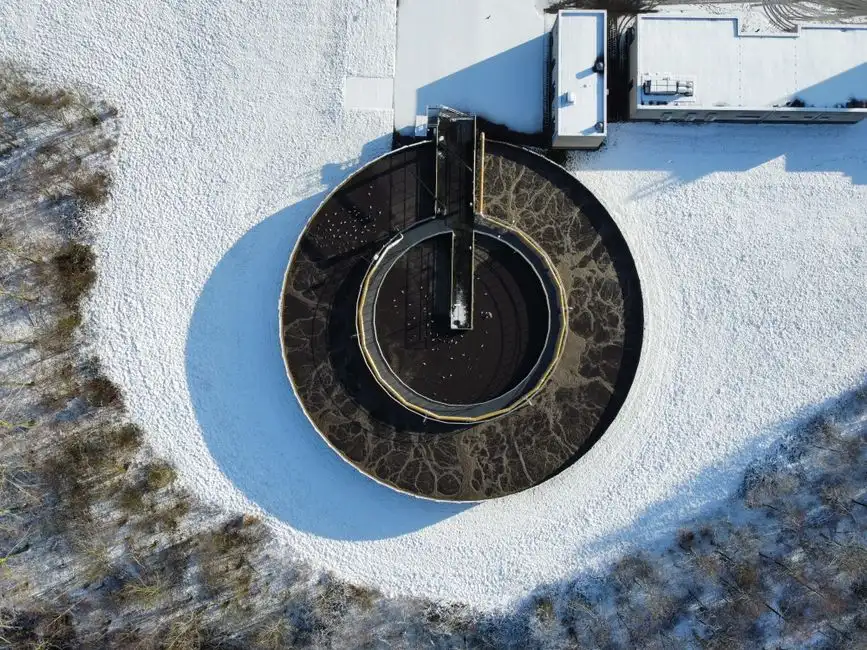
Price comparison becomes meaningful only after bidders receive the same design basis, wastewater characterization, batch duty, conditioning assumptions, residue obligations, installation boundary, and acceptance test.
| Bid item to normalize | Information every bidder must provide | Buyer check |
|---|---|---|
| Design and performance basis | Common flow cases, wastewater chemistry, treatment objectives, test conditions, guarantees, exclusions, and remedies | Do any assumptions differ between bids? |
| Equipment and installation | Drawings, dimensions, materials schedule, utilities, controls, instrumentation, access, skimmer or underflow arrangement, installation boundary, and commissioning | Is each bid a comparable treatment package? |
| Chemical conditioning | Reagent type, dosing range, mixing requirements, controls, maintenance access, and consumption assumptions | Are doses supported by the common pilot rather than generic catalog values? |
| Residues | Float and underflow characteristics, collection, withdrawal, transfer, moisture assumptions, disposal route, and downstream equipment | Are handling and disposal costs included for every residue? |
| Commercial support | Startup services, training, warranty, local service capability, spare parts, and technical support | Can the supplier support the stated operating scope? |
| Acceptance testing | Permit-based criteria, sampling methods, test duration, operating conditions, and remedy provisions | Will both bidders pass or fail against the same documented requirements? |
The supplied research contains no comparable DAF and clarifier purchase prices, so generic online purchase-price ranges should not be used for budgeting. Require itemized quotations against the common scope, including commissioning, acceptance testing, sludge handling, controls, installation, and utilities.
Compare chemical consumption, floor space, maintenance access, startup services, warranty terms, float and underflow handling, and downstream disposal cost. The DAF dosing package must identify reagent type, dosing range, controls, mixing requirements, and maintenance access around the tested program.
Evaluate a plate-and-frame filter press only after measured sludge characteristics and the permitted disposal route are known. Its catalog filtration-area range of 1 m² to 500 m² is an equipment-selection boundary, not an assumed requirement. Do not treat HydropureWater’s advertised lamella chemical-consumption reduction of up to 30% as an application-specific saving; require comparable operating-cost assumptions from each bidder.
Frequently Asked Questions
How much does DAF or clarifier equipment cost for a Melrose Park fabricated-metals facility?
No comparable purchase prices were supplied, so a defensible budget cannot be built from generic online ranges. Request itemized bids using the same design flows, wastewater chemistry, batch duty, chemical conditioning, controls, installation boundary, commissioning, acceptance testing, and sludge-handling scope. Compare lifecycle inputs—including chemical consumption, utilities, access, maintenance, and residue disposal—only after those scopes match.
Which flow should determine separator sizing?
No single flow determines capacity. Average flow, peak flow, batch volume and frequency, contaminant loading, and pilot results must enter the sizing calculation. The governing case may be a short cleanup discharge even when the daily average appears modest. HydropureWater’s 4–300 m³/h range across 13 standard DAF models is a catalog boundary, not proof of fit.
What should buyers require when selecting a DAF or clarifier supplier?
Require application testing, traceable sizing calculations, drawings, a materials schedule, controls and instrumentation scope, startup support, warranty terms, local service access, and an acceptance-test plan tied to the actual wastewater. The supplier must also identify how the configuration handles batch discharges, float or underflow withdrawal, chemical conditioning, and the final residue route.
Does either separator guarantee discharge compliance in Melrose Park?
No. The facility must first confirm its discharge route and current authorization with the receiving authority. Neither DAF nor clarification automatically removes dissolved metals or establishes permit compliance. Acceptance testing must measure total and dissolved metals separately against written limits, with precipitation, filtration, or another justified polishing step included where the separator alone is insufficient. The fabricated-metals DAF versus clarifier guide should be read with that permit context rather than as evidence of compliance.