What Changes When BMW Acquires an Existing Hungarian Auto Plant?
Wastewater should be handled as a permit-and-liability diligence issue first, then as a process-engineering and procurement project. For an acquired Hungarian automotive plant, obtain the environmental permit, monitoring history, discharge limits, non-compliance notices and regulator correspondence; confirm with the competent Hungarian authority whether transfer, notification or modification is required. Characterize and segregate e-coat rinse, pretreatment, detack, oily and sanitary streams before sizing DAF, biological and tertiary treatment.
The acquired site’s permit file, metered water balance, operating history, utility contracts and compliance correspondence control the treatment design. BMW corporate policy does not replace site-specific evidence. The transaction team should separate legal ownership and authorization, historical environmental liability, and process or equipment integration into parallel workstreams, using the acquisition-specific wastewater framework as a governance reference rather than as a substitute for Hungarian regulatory advice.
BMW Plant Debrecen provides useful context, but it does not establish the acquired plant’s configuration. Just Auto reported in 2025 that iX3 series production began in late October, that capacity would ramp in stages, and that Plant Debrecen would be one of five plants producing Gen6 high-voltage batteries. These facts illustrate a staged production ramp and on-site battery activity; they do not prove that the target performs equivalent operations.
| Acquisition issue | Evidence required | Decision control |
|---|---|---|
| Legal authorization | Environmental and wastewater permit; amendments; authority correspondence | Written confirmation of transfer, notification or modification procedure |
| Environmental liability | Monitoring records; notices; challenges; sludge and waste arrangements | Quantify contingent obligations before closing |
| Plant configuration | Process maps; production schedule; tank-dump records; utility meters | Determine whether coating, pretreatment, battery assembly or other operations occur |
| Treatment integration | Measured stream quality; peak and batch flows; existing asset condition | Size and sequence treatment around the binding permit and verified loads |
The first site-verification question is therefore not which treatment train BMW normally prefers. It is whether the acquired plant produces vehicles only or also performs on-site coating, phosphate pretreatment, battery assembly or other relevant industrial operations. Those activities determine the wastewater profile, permit sensitivity and equipment scope. No automatic permit-transfer procedure should be inferred without confirmation from the competent authority.
Build the Permit and Liability File Before Selecting Equipment
A wastewater permit can report compliant analytical results while remaining legally vulnerable if its BAT assessment or consultation process is defective. HydropureWater’s 2026 analysis of the October 2025 Göd ruling therefore makes procedural review part of acquisition diligence, not an administrative afterthought.
Request the complete environmental and wastewater permit, amendments, discharge points, limits, sampling points, averaging basis, monitoring results, non-compliance notices, authority correspondence and third-party challenges. Also obtain utility bills and contracts, discharge-route records, sludge-disposal contracts, hazardous-waste records, fire-water interfaces and incident logs. For a plant whose treatment assets are being acquired, request equipment condition reports, control-system histories, chemical inventories and outstanding maintenance obligations.
Reconcile the permitted water and flow envelopes against metered consumption, peak-hour flow, batch discharges, tank dumps, cleaning operations and the planned production ramp. A permitted average can conceal the event that determines pumping, equalization and treatment capacity. The Hungarian EV-plant acquisition wastewater framework provides a useful diligence structure for separating those inputs.
For the Debrecen scenario, HydropureWater identifies the Hajdú-Bihar County Kormányhivatal as the competent environmental authority and the National Water Authority as the technical commenting body for water-related conditions. The buyer of another Hungarian plant must not transplant that institutional structure without checking the actual site’s permit and written guidance from the relevant authority.
| Evidence label | Meaning | Permitted use |
|---|---|---|
| Confirmed permit requirement | Documented limit, monitoring obligation or authorized discharge condition | Compliance basis and preliminary constraint |
| Engineering assumption | Temporary estimate pending measured or verified data | Screening only; not a guarantee or transaction liability |
| Item requiring verification | Authority decision, site test, batch record or missing legal document | Named diligence action, owner and closure date |
Review both the BAT assessment and public-consultation record. Under the Göd precedent analysis published by HydropureWater in October 2025, substantive defects in those phases can support annulment even where the discharge values appear compliant. The transaction file should therefore record permit defects, pending litigation and unresolved notices as liabilities requiring legal interpretation, not simply as permit metadata.
Map Automotive Wastewater by Stream and Contaminant
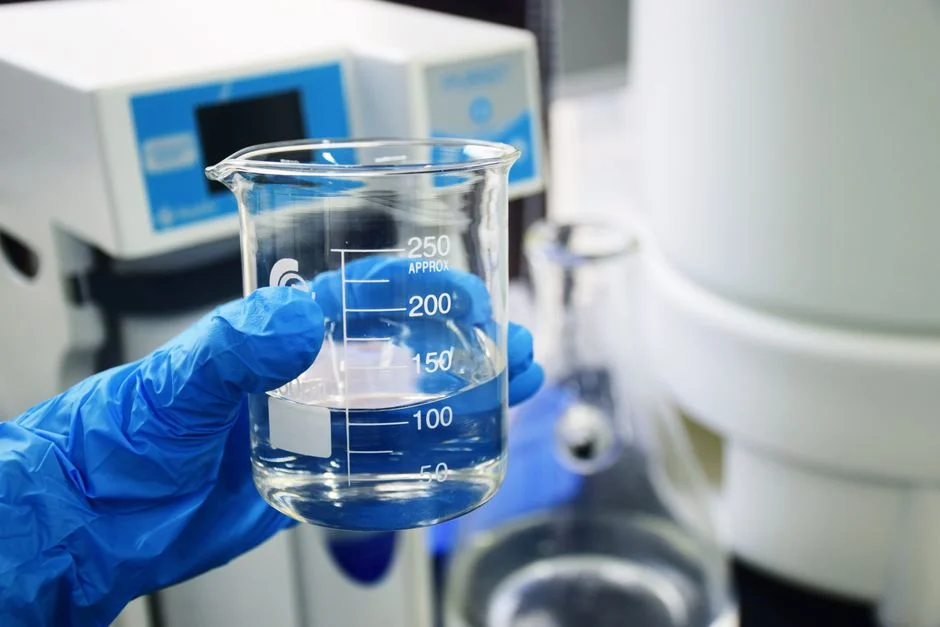
Automotive wastewater should be segregated by source because e-coat rinse, phosphate pretreatment, detack blowdown, emulsions, wash water and sanitary flow have different treatment objectives. Blending them at the inlet can conceal the local stream that controls metal, phosphorus, oil or solids loading.
Create source-specific sampling points and a sampling plan that captures production-line operations, batch dumps, tank cleaning, booth maintenance and variable production periods. The DAF versus clarifier selection for EV wastewater is relevant to floatable-solids separation, but it cannot replace automotive stream characterization.
HydropureWater’s 2026 Hungary analysis reports an e-coat rinse profile of 800–2,000 mg/L COD and 100–400 mg/L TSS. At that end of the supplied profile, the stream contains both substantial organic loading and suspended paint solids; those characteristics support evaluation of primary-solids capture and organic-load removal. The same analysis reports phosphate-pretreatment effluent containing 5–30 mg/L zinc, less than 1 mg/L nickel and 30–80 mg/L total phosphorus. Those constituents identify the parameters that require removal performance and residual monitoring.
| Stream | Reported characteristic | Primary evaluation |
|---|---|---|
| E-coat rinse | 800–2,000 mg/L COD; 100–400 mg/L TSS | Organic load, paint solids and chemical-selection review |
| Phosphate pretreatment | 5–30 mg/L zinc; nickel below 1 mg/L; 30–80 mg/L total phosphorus | Metals and phosphorus removal |
| Detack and booth-scrubber blowdown | 500–1,500 mg/L TSS | Solids capture, colour and associated organic load |
| Lubricant and stamping emulsion | 500–5,000 mg/L oil and grease | DAF and chemical-demulsification screening |
| Assembly wash water and boiler blowdown | Site-specific quality required | Dilution, TDS and reuse assessment |
The reported detack and booth-scrubber profile of 500–1,500 mg/L TSS supports screening for solids-intensive pretreatment. For lubricant and stamping emulsion, the reported 500–5,000 mg/L oil and grease profile supports DAF and chemical-demulsification testing. Assembly wash water, boiler blowdown, stormwater and sanitary flow still require separate hydraulic and contaminant records.
These figures are screening profiles from HydropureWater’s 2026 analysis, not measured inputs for the acquisition target. Treatability testing and measured batch data must establish actual concentrations, flow variability, chemical use and treatment response before the ranges become design flows, equipment guarantees or accepted residual characteristics.
Select a Treatment Train Stream by Stream
DAF is the appropriate primary screening option for streams dominated by free oil, grease, floatable paint solids or emulsions, while MBR and reverse osmosis address different objectives and should not be treated as automatic components of every automotive treatment train.
Evaluate DAF for detack, booth-scrubber blowdown and segregated lubricant or stamping-emulsion streams. HydropureWater’s 2026 catalogue information covers 4–300 m³/h, but that range does not establish the required capacity. The selection must reflect measured peak flow, batch-discharge duration, equalization response, oil recovery and the floatable-solids load. A DAF system for oily and paint-bearing automotive wastewater should therefore be requested against a defined hydraulic and contaminant envelope.
Where biological treatment, nutrient control and reuse support justify an anoxic/aerobic MBR, evaluate biological treatment with membrane separation rather than assuming conventional activated sludge is adequate. HydropureWater’s 2026 product information states that the integrated MBR footprint is 60% smaller than conventional activated sludge. That is a vendor design comparison, not a guaranteed site footprint or performance result. The MBR installation and commissioning process defines the handover and performance evidence that should be required.
For DF flat-sheet modules, the product information specifies submerged PVDF membranes, a 0.1 μm pore size and module areas of 80–225 m². These are selection inputs only. Membrane area must follow verified flux conditions, mixed-liquids characteristics, temperature, cleaning regime and required redundancy.
| Treatment stage | Use when | Require before selection |
|---|---|---|
| DAF | Oily, emulsified or paint-solid-bearing flow requires primary separation | Segregated peak and batch flows; oil, grease and TSS testing |
| Anoxic/aerobic MBR | Biological treatment, nutrient control or low-solids permeate is justified | Influent biodegradability; membrane flux envelope; sludge and redundancy basis |
| Industrial RO | Dissolved-solids control or high-quality reuse is required | Feed chemistry, recovery, concentrate destination and pretreatment |
| Plate-and-frame dewatering | Oil- or paint-solids-rich sludge requires a high-cake option | Sludge properties, cake acceptance criteria and disposal route |
HydropureWater’s 2026 catalogue information gives a plate-and-frame range of 1–500 m². Select the filter area from sludge yield, solids capture, cycle time and disposal acceptance—not nominal equipment category alone.
Reserve industrial RO for streams where dissolved-solids control or reuse quality justifies it. The concentrate must be included in the water and contaminant mass balance. Final discharge, reuse, chemical selection and sludge disposal can be decided only against the acquired site’s binding permit conditions and confirmed sewer or receiving-water route. A MBR membrane bioreactor for automotive wastewater should be evaluated only after that design basis is established.
Use BMW's Debrecen Disclosures as Context, Not a Design Guarantee
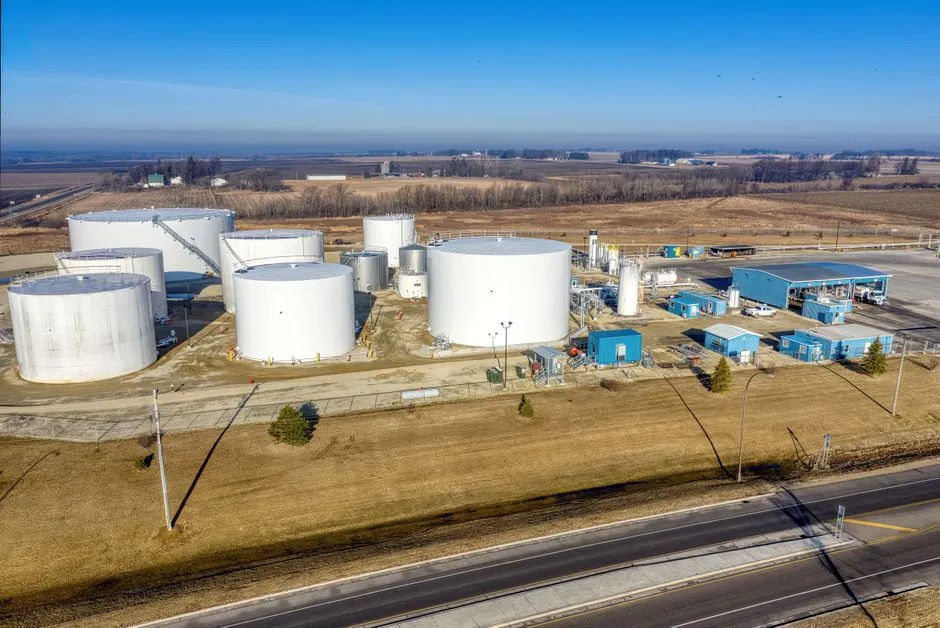
BMW Plant Debrecen’s disclosed energy systems provide a useful benchmark for the acquired plant’s sustainability review, but they do not establish that equivalent generation, storage or heat-recovery infrastructure exists at the target.
Just Auto reported in 2025 that Plant Debrecen’s paint shop operates without fossil fuels during normal operation and that renewable-electric use reduces annual CO2e emissions by up to 12,000 tonnes. The same report states that approximately one-quarter of annual plant power needs comes from a 50-hectare photovoltaic system, while a 1,800 m³ thermal storage system holds 130 MWh. The recovered-heat concept provides additional energy savings of up to 10%.
Those disclosures frame the energy questions for wastewater treatment. Aeration, pumping, membrane scouring and RO high-pressure systems must be included in the acquired plant’s energy and carbon assessment. They should not be credited against hypothetical photovoltaic or thermal-storage assets unless those assets are present at the target.
| Disclosure | Permitted use in acquisition diligence |
|---|---|
| 12,000 tonnes annual CO2e reduction from renewable-electric paint-shop operation | Context for reviewing energy-intensive treatment loads |
| 50-hectare photovoltaic system supplying about one-quarter of annual power needs | Not an available offset unless confirmed at the acquired site |
| 1,800 m³, 130 MWh thermal storage | Context for integration; no presumption of thermal recovery |
| Up to 10% additional recovered-heat saving | Benchmark for evaluating site heat integration |
Historical project figures also require separation from current operating evidence. BimmerLife reported more than 1,000 planned Debrecen positions and approximately 45% European sales, or about 1,100,000 units, for 2017. AVK Valves cited an EUR 1 billion investment, annual capacity of about 150,000 cars and more than 1,000 jobs. These are historical project disclosures, not acquired-site flow inputs or current capacity guarantees.
Run Permitting, Testing and Procurement in Parallel
Permit review, wastewater characterization, treatability testing and equipment procurement should begin during transaction diligence rather than after closing. Sequential execution leaves the production ramp exposed to the slowest approval or equipment path.
HydropureWater’s 2026 analysis reports a 60–105-day IPPC review window for the Debrecen scenario. The actual target site may follow a different transfer, amendment or enforcement process; the applicable procedure and duration must be confirmed in writing.
- Retrieve the permit, amendments, monitoring history, correspondence, compliance notices and waste contracts.
- Ask the competent authority which notification, transfer or modification step applies and what documents and operator changes it requires.
- Sample each production stream separately, including peak and batch operating periods.
- Run treatability and chemical-selection tests against realistic water and sludge matrices.
- Size screening, equalization, pumping, treatment and dewatering from verified envelopes.
- Procure against guaranteed process and hydraulic duties, then plan installation and commissioning around the production shutdown or ramp.
Use the industrial RO cost and lifecycle framework only as a structuring tool. Its financial assumptions must be replaced by site flow, water chemistry, membrane duty and concentrate data.
Require vendors to guarantee a complete chain or clearly defined equipment scope. The package should cover flow and contaminant envelopes, process performance, membrane warranties, energy and chemical consumption, redundancy, bypass provisions, commissioning evidence and local service support. Include factory and site acceptance tests, operator training, spares and remote monitoring where they form part of the operating concept.
Price uncertainty explicitly. Keep separate risk allowances for permit conditions, measured loads, existing equipment condition, sludge routing, installation interfaces and authority requirements. Combining them into one contingency can hide the distinction between a missing input and a known capital cost.
Cost and Production-Continuity Decision
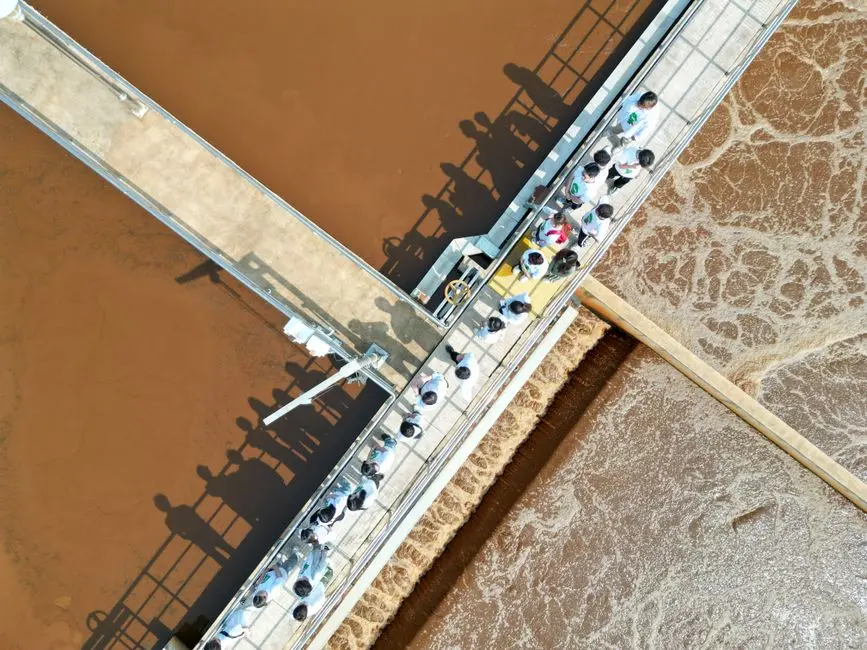
Treatment capital should be compared with the consequence of delayed authorization or unavailable capacity, while the two costs remain separately visible in the transaction model. A screening estimate cannot substitute for a site quotation.
HydropureWater’s 2026 analysis gives an estimated CAPEX range of EUR 4.5–7.2 million for a 1,500–2,500 m³/day automotive paint-shop ETP and reports annual OPEX at 22–30% of CAPEX. These figures are preliminary screening values for that stated scale, not an offer or estimate for the acquisition target.
| Cost or risk item | What the buyer should request | Treatment in the decision |
|---|---|---|
| Treatment CAPEX | Quotation against measured and permitted envelopes | Base case plus clearly identified scope gaps |
| Delayed authorization | Authority procedure, lead time and interim operating route | Separate schedule and production-exposure allowance |
| Operating continuity | Existing capacity, redundancy, bypass and commissioning plan | Separate production-interruption allowance |
| Lifecycle OPEX | Energy, chemicals, membranes, sludge and operator inputs | Compare total cost under verified duty |
Skid packaging may reduce installation time, but it should be tested against the selected scope. HydropureWater’s 2026 analysis attributes 30–40% faster installation and 10–15% lower OPEX to preassembled skid-mounted DAF, MBR and RO packages. The supplier must substantiate those benefits for the final configuration; they are not automatic acquisition savings.
Include aeration power, chemicals, membrane replacement, sludge dewatering, residual transport, monitoring and operator training. Finance should preserve the distinction between the cost of treatment equipment and the transaction exposure created by delayed discharge authorization, missed production ramp or operating interruption.
Frequently Asked Questions
How should an acquisition team establish the wastewater treatment budget?
Recover the permit and measured operating data first, then establish a design basis for peak, batch and average conditions. Price DAF, biological treatment, tertiary treatment, sludge handling and reuse as an integrated train, with separate allowances for unresolved permits, existing-asset condition and residual disposal. The EUR 4.5–7.2 million screening range reported by HydropureWater in 2026 applies only to its stated 1,500–2,500 m³/day automotive paint-shop ETP scope; it is not a target-site quotation.
How should an acquirer select wastewater equipment suppliers?
Require guarantees against a complete process envelope rather than compare equipment names or purchase price alone. The supplier should define design flows, contaminant limits, process performance, membrane compatibility and warranty, energy and chemical consumption, redundancy, bypass arrangements, commissioning evidence and local service support. Reference installations and factory or site acceptance tests provide stronger evidence than broad performance statements.
Which flow figures should be used to size an automotive wastewater system?
Use all three hydraulic questions: permitted average demand, measured peak-hour flow and batch discharge. They answer different design questions and can affect screening, pumping, equalization and treatment capacity. A permit envelope or annual water balance alone does not demonstrate how the plant will perform during line cleaning, tank dumping, coating changes or a production ramp.
What compliance checks are needed before closing an acquisition?
Confirm the permit’s validity, discharge route and binding limits; inspect compliance notices, monitoring history, BAT justification, consultation records and third-party challenges; and obtain written authority confirmation on transfer, notification or modification. The Hungarian EV-plant acquisition wastewater framework supports this structure, but site documents and the competent authority remain controlling.
When can MBR or RO support wastewater reuse?
Proceed only after measured stream quality, hydraulic demand, treatment performance, concentrate fate, storage conditions and authority approval are resolved. MBR permeate may support a reuse decision where biological treatment and solids removal are required; RO should be targeted at dissolved-solids control or higher-quality reuse. Neither automatically establishes lawful reuse at the acquired plant.
Related Equipment
- DAF system for oily and paint-bearing automotive wastewater — specifications, capacity range, and technical data