What Treatment Option Fits a Trujillo Site?
Domestic sewage treatment in Trujillo generally follows two paths: connect to the area’s public sewerage and wastewater infrastructure where service is available, or install an on-site treatment system where it is not. A packaged WSZ plant combines anoxic/aerobic biological contact oxidation, sedimentation and disinfection in one buried unit, with capacities from 1–80 m³/h. MBR systems offer a higher-grade option, with the documented HydropureWater range covering 10–2,000 m³/day. Smaller decentralized biological systems can also serve locations without a centralized network. Final selection requires verified flow, wastewater characteristics, land availability, reuse objectives and applicable discharge requirements.
Network availability is the first screening criterion for domestic wastewater treatment in Trujillo. The public works program documented by Garrigues covers collection networks, drainage pumping stations, sewerage emitters, wastewater treatment infrastructure, and operation and maintenance for treatment plants serving Huanchaco, El Porvenir, La Esperanza, Florencia de Mora, Moche, Victor Larco Herrera, Trujillo and Salaverry in Trujillo province, La Libertad. However, the cited project page states that the concession was under formulation, so it does not prove that a connection is currently available at a particular parcel.
The commercial decision therefore has two branches. First, ask the relevant service provider whether a technically feasible and contractually available sewer connection exists, and establish its capacity, connection point, timing, tariff and construction obligations. Second, if connection is unavailable or impractical, define an on-site treatment train and a lawful route for the treated effluent.
Planning categories include hotels, residential developments, industrial premises, rural sites and remote communities, but none establishes automatic approval for a particular process. Review the site, treatment objective, effluent destination and local authority requirements before comparing an underground WSZ domestic sewage treatment plant, an MBR wastewater treatment system or a smaller decentralized installation. The broader context is reviewed in domestic sewage treatment options across Peru.
Build the Design Basis Before Sizing Equipment
A defensible capacity cannot be calculated from a catalog range alone; it requires a documented project design basis. The design process should begin with verified wastewater flow and characteristics, then connect them to the treatment objective, site constraints and approval requirements.
- Establish flow. Obtain daily wastewater generation, measured or documented peak flow, the domestic fraction of any discharge, and the collection method feeding the proposed treatment unit.
- Characterize the influent. Define the wastewater profile through sampling and analysis rather than relying only on generic domestic-sewage assumptions. Hotels, hospitals, residential communities and industrial food-service operations require particular attention because their flow patterns and contaminant loads may differ.
- Set the treatment objective. Identify the required effluent quality, receiving point, authorized discharge route or intended reuse, together with applicable public-health controls.
- Define site and operating constraints. Record available footprint, excavation access, soil and groundwater conditions, flood level, power supply, utilities, vehicle access and space for maintenance and sludge handling.
- Establish approvals and handover. Confirm the permitting authority, local approval path, ownership responsibilities, operator competence and required commissioning evidence.
The published WSZ range of 1–80 m³/h identifies the equipment-selection envelope in the HydropureWater catalog; it is not a recommendation for a Trujillo site. Likewise, the documented MBR range of 10–2,000 m³/day identifies where that catalog range begins and ends. Neither range can be converted into a recommended unit without verified flow, peak information and the bidder’s design basis. Further process context appears in the domestic sewage biological treatment processes guide.
| Input | Information to obtain | Why it affects the decision |
|---|---|---|
| Wastewater flow | Daily flow, peak flow, domestic fraction and collection layout | Defines hydraulic capacity, equalization needs and pipe or pump requirements |
| Wastewater characteristics | Sampling plan, analytical results and relevant variation | Determines biological loading, pretreatment and effluent treatment |
| Treatment objective | Discharge destination, reuse purpose and required monitoring | Controls the process train and public-health controls |
| Site conditions | Land, soil, groundwater, flood level, access and utilities | Determines installation method, footprint and supporting works |
| Supplier basis | Duty basis, sizing logic, controls, alarms, retention, commissioning and O&M | Allows quotations to be compared on the same engineering scope |
Require bidders to state the design flow, operating basis, process stages, tank-sizing logic, controls, alarms, retention provisions, installation method, commissioning tests and O&M responsibilities. The supplied research contains no current Trujillo equipment price, hydraulic loading rate, effluent limit, construction cost or O&M cost. Those items require project-specific quotations and permit review; they should not be filled with assumed ranges.
Compare Packaged A/O, MBR and Decentralized Biological Systems

Packaged A/O, MBR and decentralized biological systems differ in process architecture, documented capacity basis and operating demands. The comparison below describes the supplied scope; it does not establish that any route is approved for a specific Trujillo site.
| Route | Documented configuration and scope | Principal engineering questions |
|---|---|---|
| Packaged WSZ A/O | Combines anoxic/aerobic biological contact oxidation, sedimentation and disinfection in one buried package. The catalog covers 1–80 m³/h and also describes trailer mounting for mobile deployment. | Does the verified flow and wastewater profile fit the selected unit? Can the site accept excavation, landscaping, loading and equipment access? |
| MBR | Combines activated sludge with submerged PVDF membrane filtration. The catalog range is 10–2,000 m³/day. | Is the filtration performance required for the effluent use, and can operations support membrane cleaning, inspection and replacement? |
| Small decentralized biological installation | Can serve individual houses, small schools, roadside cafés, restaurants, small railway stations and camping sites where no centralized sewage network exists, according to the academic source. | Have soil, groundwater, setbacks, receiving conditions and maintenance responsibility been verified locally? |
The WSZ route is suited conceptually to projects seeking an integrated biological, settling and disinfection package where the footprint and excavation can be controlled. Its published flow convention is m³/h. The MBR route adds membrane separation to activated sludge and may be considered where the specified effluent objective justifies its mechanical and maintenance requirements. Its published capacity convention is m³/day. These conventions must be normalized before quotations are compared.
HydropureWater’s product catalog states that MBR filtration is below 1 μm and that its footprint is 60% smaller than conventional systems. These are product-level statements rather than verified project data. A bidder should substantiate both claims for the proposed configuration, including the treatment duty, included equipment, civil footprint and comparison basis.
For off-network locations, smaller arrangements may include septic tanks, drainage fields and filter wells. Kyriienko, Betin and Kuznetsova describe these arrangements in their 2018 study and state that the proposed constructions avoid soil and groundwater-horizon pollution; they do not provide site-specific validation for Trujillo. Soil percolation, groundwater separation, maintenance access and the receiving environment therefore require project-specific review.
Constructed wetlands and vermifiltration provide additional context. IntechOpen presents constructed wetlands integrated with microbial fuel cells as a treatment-and-electricity-production concept, while its vermifiltration study describes the process as efficient, viable, less expertise-intensive and decentralizable for septic-tank sewage water. Their suitability, footprint, hydraulic performance and maintenance requirements for a particular Trujillo project remain unverified.
Match the Process to Reuse and Effluent-Management Goals
The intended effluent use should be defined before selecting a treatment train because sewer discharge and reuse impose different treatment, monitoring and management requirements. A buyer should distinguish sewer discharge, landscape irrigation, toilet flushing, process use and any other approved destination.
Sá Silva, Torres and Madera’s 2008 review identifies preliminary and primary treatment as necessary before agricultural reuse and describes secondary treatment as important for removing organic matter and suspended solids. It also warns that using raw or diluted domestic wastewater can create public-health risks, particularly when irrigated crops are consumed directly. That warning supports a project-specific treatment and management plan; it is not a substitute for an applicable Trujillo permit or reuse standard.
For a packaged WSZ route, biological contact oxidation is followed by sedimentation and disinfection within the documented process arrangement. An MBR route combines activated sludge with submerged PVDF filtration. Neither description alone establishes compliance: the buyer must obtain the required discharge or reuse parameters, public-health controls, monitoring frequency, sampling points, approved end use and responsible permitting authority.
Ask the supplier to map each treatment stage to a defined performance objective. The buyer should then identify whether the proposed sampling and monitoring plan demonstrates that objective under the project’s influent and operating conditions. If a reuse application involves irrigation, the assessment should also address crop contact, application method and control of untreated or inadequately treated wastewater. The reuse sequence and associated cautions are summarized in this Trujillo and Peru domestic sewage treatment guide, while the Cartagena guide provides a further domestic wastewater reuse and pretreatment reference.
No generic reuse limit should be inserted into the specification because the supplied research contains no applicable Trujillo reuse standard or site permit. The procurement file should instead identify the missing regulatory inputs and require bidders to state which of their proposed parameters are subject to confirmation by the authority.
Plan Installation, Commissioning and Lifecycle Support
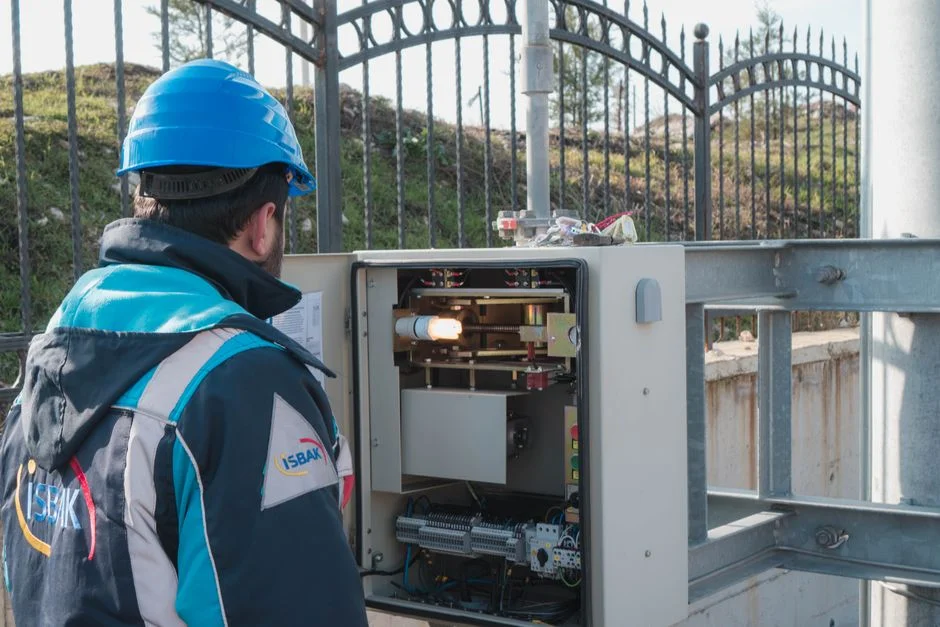
Equipment quotations are incomplete unless installation, commissioning and long-term operating responsibilities are defined. A buried package and a surface-mounted or trailer-based arrangement create different civil, access, utilities and maintenance obligations.
Before accepting a layout, assess excavation, groundwater, flood level, traffic loading, landscaping, utilities, odor control and permanent access for pumps, membranes, media, sludge removal and electrical equipment. For mobile deployments, verify road-transport conditions, anchoring or foundation requirements, lifting points, service clearances and whether trailer mounting is permitted at the proposed location.
| Procurement package | Minimum information to request |
|---|---|
| Installation | Civil interfaces, excavation or surface preparation, access, utilities, anchoring and installation sequence |
| Commissioning | Wet commissioning, hydraulic loading tests, controls demonstration, alarm testing, sampling and performance testing |
| Training and support | Operator training, manuals, spare parts, warranty, remote support and on-site service scope |
| O&M | Biological process checks, sludge removal, disinfection, membrane or media maintenance, calibration, odor control and service intervals |
| Exclusions | Civil works, networks, pumping stations, tanks, power, chemicals, sludge transport, permits, monitoring, taxes and third-party approvals |
Separate these items in the purchase order so bidders do not leave essential obligations ambiguous. The selected technology’s routine tasks differ: a WSZ package requires attention to biological contact oxidation, sedimentation, sludge removal and disinfection, while an MBR system also requires disciplined membrane maintenance. Neither function should be left without a named party and service interval.
Garrigues describes a 23-year term for the Trujillo public concession, but this is documented project context and not the expected service life or warranty of a private treatment system. Do not use it as a replacement for equipment warranty, civil-work design life, membrane replacement cost or long-term O&M pricing.
Site-specific lifecycle risks should be addressed through the mechanical, electrical and sludge-handling interfaces covered in the sludge dewatering specifications and equipment-selection guide. A supplier should state how residuals generated by the selected biological process will be removed, contained, stored and treated or transported.
Turn the Specification into a Supplier Due-Diligence Checklist
Comparable quotations require the same evidence from every bidder. Request named references with comparable flow, wastewater profile, installation method, operating environment and effluent use, and require acceptance-test records rather than relying on promotional statements alone.
Normalize the capacity basis before comparing options: the WSZ literature uses m³/h, while the MBR catalog uses m³/day. Ask each bidder to state whether the quoted figure represents average flow, peak hydraulic capacity or another duty basis, and to identify any equalization or storage included.
The document request should include process drawings, P&IDs, control narratives, equipment schedules, civil and installation requirements, utility consumption, maintenance schedules, warranty terms, O&M pricing and a complete exclusion list. For the MBR option, specifically request evidence supporting the stated filtration below 1 μm and the 60% footprint comparison under the proposed configuration.
Put acceptance criteria in the purchase order: agreed influent basis, test methods, sampling points, regulatory or reuse targets, documentation, operator training, defect correction and performance testing. Define who supplies each item and what evidence closes the obligation.
For hotel, housing and other non-sewered properties, the selection questions can be adapted from wastewater treatment selection for a hotel, but the supplier evidence must relate to the actual Trujillo project. The supplied sources do not support a current local cost estimate, so no price band should be presented without a project-specific scope and formal quotation.
Frequently Asked Questions
How much does a domestic sewage treatment system cost in Trujillo?
The supplied research contains no defensible current equipment price for a Trujillo installation. A quotation needs verified flow, the treatment objective, effluent destination, installation conditions, civil scope, utilities, permit responsibilities and O&M terms. The approximately US$ 130 figure in Garrigues’ public-project source is incomplete as quoted and must not be treated as a treatment-system price.
Should a hotel or housing development in Trujillo use a packaged WSZ plant or an MBR system?
WSZ is an integrated A/O contact-oxidation option with a documented 1–80 m³/h catalog range, while MBR adds activated sludge and submerged PVDF filtration within a documented 10–2,000 m³/day range. Choose after verifying flows, effluent requirements, land, maintenance capability and budget. The selection logic used for wastewater treatment selection for a hotel should be adapted to the actual site rather than copied without site data.
How do I size domestic sewage treatment equipment in Trujillo?
First verify daily and peak flow, wastewater characteristics, collection arrangement and treatment objectives. Then test whether the selected equipment and equalization arrangement can meet those duties under the project footprint, soil, groundwater, power and maintenance constraints. Neither catalog range can be converted into a recommended capacity without that information.
Can untreated or diluted domestic sewage be reused in agriculture?
Not as an uncontrolled discharge practice. Sá Silva, Torres and Madera’s 2008 review advises preliminary and primary treatment before reuse, with secondary treatment important for removing organic matter and suspended solids. It also identifies public-health risks where raw or diluted wastewater irrigates crops consumed directly. The approved reuse method, public-health controls and monitoring plan must be established for the specific site.
What should I verify before choosing a wastewater-treatment supplier?
Request the design basis, process drawings, P&IDs, capacity convention, installation details, utilities demand, acceptance tests, O&M scope, warranty, comparable references, exclusions and evidence supporting performance claims. Also verify the treatment duty and approval route through the domestic sewage biological treatment processes reference and domestic sewage treatment options across Peru.