Separate the Data Center's Wastewater Streams Before Selecting Equipment
Palermo data-center treatment should be designed around distinct wastewater streams, not one combined treatment train. Cooling-tower blowdown can be recovered for cooling makeup, treated for discharge, or concentrated toward zero liquid discharge; sanitary wastewater and equipment washdown require separate quality and compliance decisions. North Carolina State University’s September 2026 account explains that cooling blowdown may contain elevated salinity, biocides, anti-scalants, and warm water, so direct discharge presents water-quality and thermal-pollution concerns. Before selecting equipment, prepare a flow diagram for every stream, operating schedule, chemical inventory, destination, and measured flow.
Makeup-water treatment residuals and reverse-osmosis reject should also remain identifiable because their chemistries and permitted destinations may differ from cooling blowdown. The broader data-center blowdown treatment methodology provides a useful stream-separation framework, but Palermo sewer acceptance criteria, reuse permissions, and environmental permits must be confirmed locally; the supplied research establishes no universal Palermo discharge limits.
| Wastewater stream | Primary design issue | Decision to make before sizing |
|---|---|---|
| Cooling-tower blowdown | Dissolved solids, scaling minerals, suspended solids, treatment chemicals, temperature, and biological content | Cooling-makeup reuse, compliant discharge, or partial/full ZLD |
| Makeup-treatment residuals | Residual salts, coagulants, regenerant, or filter backwash characteristics | Return to the relevant process, controlled discharge, or separate treatment |
| RO reject | Concentrated dissolved salts and treatment residuals | Blend with blowdown, manage separately, or send to concentration |
| Equipment washdown | Suspended solids, cleaning residues, oil, surfactants, and episodic flow | Segregate for reuse or obtain an approved discharge route |
| Sanitary wastewater | Organic load, biological solids, pathogens, occupancy-driven flow, and local discharge conditions | Sanitary treatment package and separate destination |
Characterize Palermo Makeup Water and Cooling Blowdown
Blowdown characterization must establish whether the water can support cooling reuse without increasing scaling, corrosion, biological-control, or membrane-fouling risk. Genesis Water Technologies reports that blowdown TDS commonly reaches four to eight times makeup-water concentration, with a range of 1,200–6,000 mg/L, while suspended solids are typically 10–50 mg/L (Genesis Water Technologies, “Advanced Blowdown Treatment Technologies for Data Center Water Recovery,” 2026). These values are screening references, not Palermo design values.
Sample makeup water and blowdown during normal operation and at peak cycles of concentration. The analysis should cover TDS, conductivity, hardness, calcium, magnesium, silica, alkalinity, suspended solids, temperature, biological indicators, and residual biocides, corrosion inhibitors, anti-scalants, and dispersants. Sample frequency should reflect seasonal water-quality variation and cooling-system operating changes.
The cooling-blowdown recovery design used for another site provides a relevant sampling framework. However, Palermo’s actual source must be identified: municipal potable water, tertiary-treated municipal wastewater, industrial wastewater, or another non-potable supply. The 2026 Open Engineering Inc lifecycle study found that upstream treatment and distribution infrastructure materially affect the reuse comparison, including treatment energy, chemicals, dual-pipe delivery, and blowdown.
| Parameter | Screening evidence | Palermo design requirement |
|---|---|---|
| TDS | Blowdown typically four to eight times makeup water; 1,200–6,000 mg/L reported (Genesis Water Technologies, 2026) | Measure source and blowdown ranges across normal and peak concentration |
| Suspended solids | Blowdown typically 10–50 mg/L (Genesis Water Technologies, 2026) | Confirm both before filtration and after the proposed pretreatment train |
| Cooling-water specification | Suspended-solids limit of 10–25 mg/L and TDS target of 500–1,500 mg/L cited for cooling systems (Genesis Water Technologies, “Treated Wastewater for Data Center Cooling,” 2026) | Replace generic targets with the facility’s approved cooling chemistry and operating envelope |
| Scaling profile | Calcium, magnesium, silica, and alkalinity concentrate with evaporation | Determine saturation tendency at the intended cycles of concentration and recovery rate |
| Treatment residuals | Biocides, corrosion inhibitors, anti-scalants, and dispersants may accumulate | Quantify active residuals and test membrane and discharge compatibility |
Build a Pretreatment Train That Protects Recovery Equipment
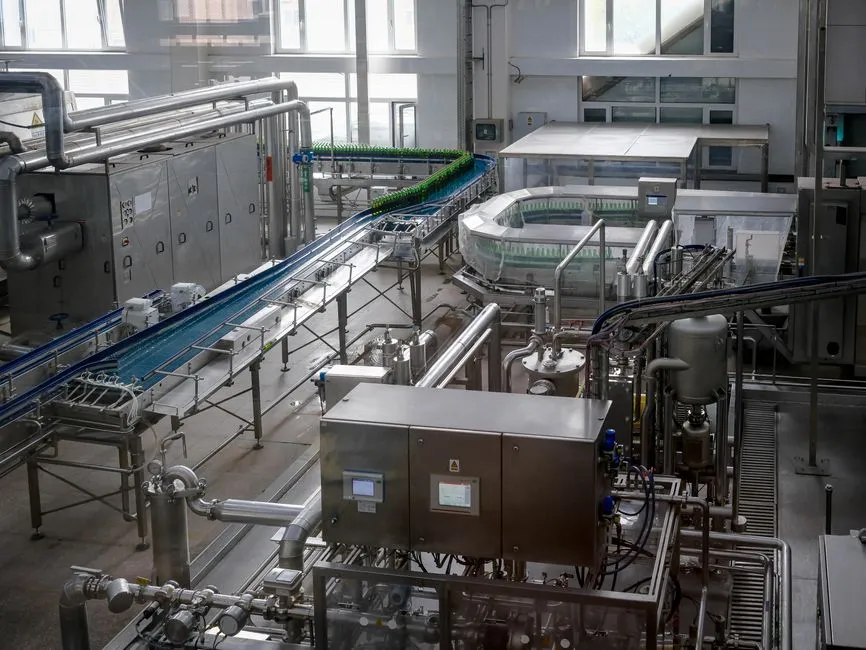
A recovery train should remove solids and control scaling before membranes, pumps, heat exchangers, or cooling equipment are exposed to the worst feed conditions. Start with equalization, then select depth filtration or membrane solids removal according to the recovery process, suspended-solids load, biological activity, and scaling profile. When suspended solids, colloids, bacteria, and retained contaminants are the principal barriers, an industrial UF pretreatment system can provide particle and microbial separation without chemical cleaning agents; backwash and air scour help restore performance.
Use multi-media filtration where suspended solids, turbidity, and colloids must be reduced before RO or NF. Genesis Water Technologies identifies less than 10–15 microns as the pretreatment benchmark for membrane treatment and recommends conditioning to control scale (Genesis Water Technologies, 2026). Where hardness, silica, or concentrate chemistry creates a scaling risk, antiscalant control must be verified against the actual concentrate rather than selected from feed TDS alone.
Automatic chemical dosing should solve a demonstrated treatment objective. Accumulated biocides, corrosion inhibitors, scale inhibitors, and dispersants can interfere with membrane materials, the chosen treatment train, or discharge compliance. Determine whether the existing cooling chemical program can be adjusted to reduce incoming residuals, or whether a targeted dose and automatic control system is required.
- Provide equalization and assess residence time, temperature, and chemical compatibility.
- Remove solids using media filtration, UF, or another verified barrier.
- Control scale using site-specific chemistry analysis and pilot evidence.
- Verify that the selected train protects downstream membranes and cooling equipment.
Choose UF, NF, or RO Against the Intended Reuse
The correct membrane depends on whether the design objective is solids removal, partial softening, or comprehensive dissolved-solids control. UF retains suspended solids and microorganisms while passing dissolved salts; Genesis Water Technologies reports 90–95% recovery for blowdown treatment (2026). An industrial RO blowdown recovery system becomes relevant when low-TDS makeup is required or when cooling chemistry places a strict limit on dissolved salts.
NF is the intermediate option: Genesis Water Technologies reports 70–85% recovery and permeate TDS at 30–50% of feed concentration, making it suitable where hardness or sulfate drives the constraint (2026). RO provides broader salt removal, with reported dissolved-solids removal of 95–99%, permeate TDS of 10–50 mg/L, and blowdown recovery of 50–85% (Genesis Water Technologies, 2026).
Those recovery figures are process ranges, not guarantees for Palermo. Compare the complete train—including pretreatment, antiscalant, cleaning, permeate storage, blending, and membrane concentrate management—not equipment purchase price alone. The cooling-water specification must also govern final blending and chemical compatibility.
| Technology | Reported treatment role | Reported recovery and quality | Main design issue |
|---|---|---|---|
| UF | Removes suspended solids and microorganisms; normally passes dissolved salts | 90–95% recovery (Genesis Water Technologies, 2026) | Does not independently control dissolved salts or scaling |
| NF | Partial hardness and sulfate removal | 70–85% recovery; permeate TDS at 30–50% of feed (Genesis Water Technologies, 2026) | May not meet a strict total-TDS limit |
| RO | Comprehensive dissolved-solids control | 50–85% blowdown recovery; 95–99% dissolved-solids removal; permeate typically 10–50 mg/L TDS (Genesis Water Technologies, 2026) | Scaling, osmotic pressure, antiscalant demand, cleaning, and concentrate |
For comparison, the cited cooling-water target is 500–1,500 mg/L TDS and 10–25 mg/L suspended solids (Genesis Water Technologies, “Treated Wastewater for Data Center Cooling,” 2026). Use those values as initial checks only. The Palermo pilot must demonstrate that recovered water can be blended or returned directly without violating the facility’s chemistry limits.
Decide Between Reuse, Discharge Compliance, and Zero Liquid Discharge
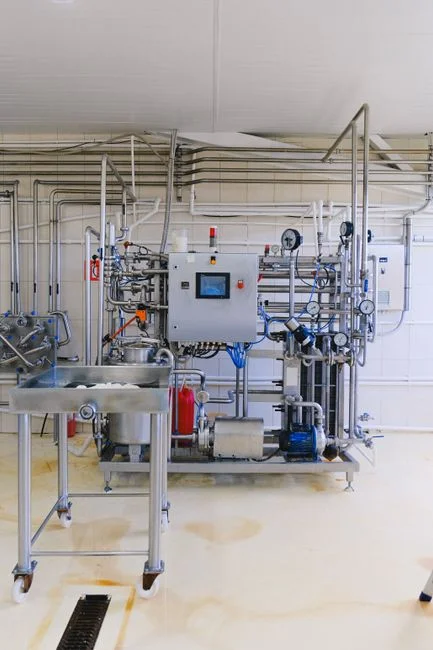
The preferred route should follow the hierarchy: reuse cooling makeup where water quality and operating economics support it; use discharge treatment where reuse is unsuitable and a lawful discharge route exists; escalate toward partial or full ZLD only when recovery, discharge, or water-value constraints justify the added complexity. Genesis Water Technologies reports 60–85% recovery for cooling-tower makeup reuse (2026).
Discharge compliance requires the applicable Palermo sewer or industrial-discharge permit. Concentrated blowdown may exceed generic TDS, temperature, biocide, phosphorus, or suspended-solids criteria, so no final discharge design should proceed from non-local assumptions. The data-center blowdown ZLD cost analysis provides a useful route comparison, including concentrate and energy obligations.
Partial ZLD is relevant when membrane recovery reaches scaling or osmotic limits. Genesis Water Technologies reports that RO combined with mechanical vapor compression can achieve 85–95% overall system recovery (2026). Full ZLD can reach 95–99% overall recovery and leave solid waste below 1% of original blowdown volume, but it carries higher capital and operating costs (Genesis Water Technologies, 2026).
| Route | Primary benefit | Obligation to verify | Evidence basis |
|---|---|---|---|
| Cooling-makeup reuse | Displaces freshwater and reduces blowdown | Cooling compatibility, storage, blending, and concentrate | 60–85% recovery reported (Genesis Water Technologies, 2026) |
| Discharge compliance | Avoids the cost of a more complex reuse route | Palermo permit, sewer acceptance, temperature, residuals, and discharge fees | Applicable limits were not established by the supplied research |
| Partial ZLD | Recovers additional water from RO concentrate | Residual brine destination and thermal-energy demand | 85–95% overall recovery with RO plus MVC (Genesis Water Technologies, 2026) |
| Full ZLD | Nearly eliminates liquid discharge | Crystallizer solids, high energy demand, and operating reliability | 95–99% overall recovery; solid waste below 1% of original blowdown volume (Genesis Water Technologies, 2026) |
The water-reuse lifecycle assessment must include the energy penalty. Open Engineering Inc’s 2026 comparative LCA found that the wastewater scenario had approximately twice the global warming potential of the freshwater case, with treatment energy accounting for roughly 80% of the difference. That result does not erase freshwater displacement, but it prevents the project from treating recovered water as impact-free.
Treat Sanitary and Process Wastewater as Separate Design Packages
Sanitary wastewater should be sized from fixture numbers, occupancy, duty cycles, and local discharge requirements—not cooling-blowdown flow. Biological treatment is required where organic loading and sanitary solids are present. Equipment washdown may need oil, surfactant, or solids separation before it can join another stream or be reused.
An integrated membrane bioreactor is appropriate where biological treatment, biological-solids separation, and a compact installation are required. Dissolved-air flotation is more relevant where oil and grease, colloids, or floatable material require physical separation. For microbial control, chlorine dioxide can be considered where appropriate to the process, but its application requires a defined residual target, contact arrangement, and discharge or reuse assessment.
Do not assume one train can serve all streams. Confirm whether Palermo’s sewer rules permit reuse, identify receiving-water constraints, and determine whether a separate certificate or reuse authorization applies. The biological, chemical, and physical treatment requirements should be developed independently, then reviewed for any deliberately integrated reuse route.
Move from Concept to a Site-Ready Procurement Scope
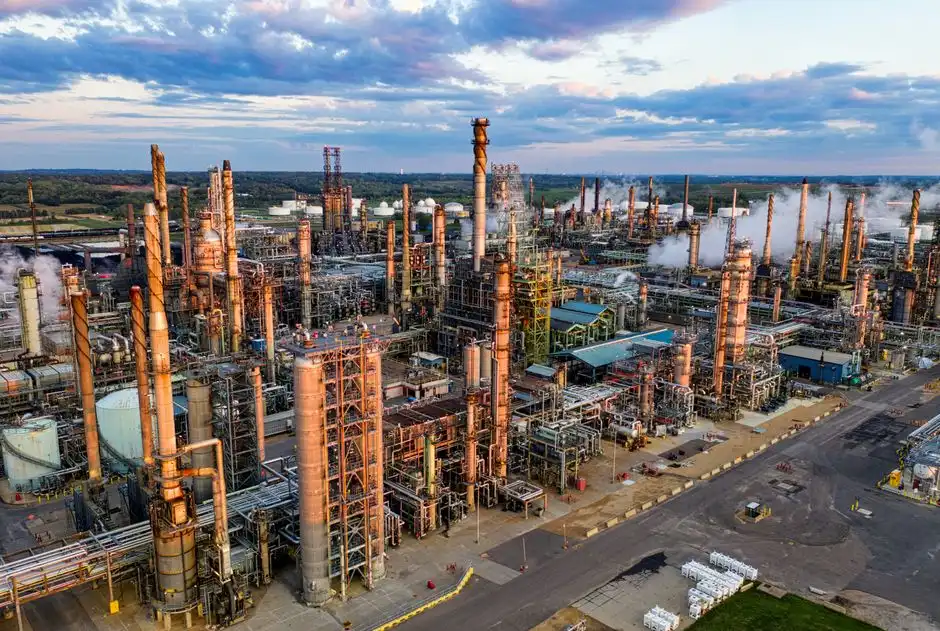
Procurement should advance through four gates: characterization, pilot verification, approval, and commercial finalization. Issue a request for information covering hourly and daily flows, seasonal peaks, makeup-water analyses, blowdown chemistry, cycles of concentration, the cooling chemical program, available space, electrical supply, waste heat, reuse destinations, and permit constraints. Missing site data should remain explicitly identified rather than converted into assumed equipment capacity.
Run a representative pilot using the worst credible source-water and cooling-season conditions. Verify flux, scaling tendency, biological control, permeate quality, recovery, concentrate generation, chemical demand, cleaning frequency, and behavior during upset conditions. For the water-reuse lifecycle assessment, compare freshwater displacement with treatment energy, chemicals, membranes, operators, concentrate disposal, freshwater cost, and avoided discharge charges.
Specify monitoring and controls for flow, conductivity, pressure, turbidity, differential pressure, pH, and chlorine where the selected chemistry requires it. Define automatic diversion, flush, and safe-state responses so untreated or off-spec water cannot enter the cooling loop or exceed permit conditions.
Commercial guarantees should follow the pilot rather than precede it. Gate equipment sizing on verified feed conditions, treatment objectives, recovery assumptions, concentrate obligations, utility requirements, and Palermo acceptance criteria. Track valves, filter media, membranes, instrumentation, and consumables as treatment-plant spares and replacement parts with defined service intervals.
Frequently Asked Questions
What treatment system is best for a Palermo data center with cooling blowdown and sanitary wastewater?
No single system should serve both streams indiscriminately. Characterize cooling blowdown for reuse or discharge, then select filtration plus UF, NF, or RO according to the required dissolved-solids control. Develop the sanitary stream as a separate biological-treatment package. The data-center wastewater treatment framework offers another site-specific planning reference, but Palermo permits and source-water results remain controlling inputs.
How much does data-center blowdown recovery cost, and which costs determine the investment?
Request a site-specific total-cost-of-ownership comparison covering equipment, pretreatment, membranes or other consumables, chemicals, energy, operators, freshwater savings, discharge fees, and concentrate disposal. Do not ask for a generic equipment price without flow, source chemistry, recovery target, and concentrate route; the supplied research does not provide a Palermo quotation.
Should the project buy UF alone or install a UF and RO treatment train?
Choose UF alone only if the verified end use is satisfied by solids and microbial removal while dissolved salts remain acceptable. If cooling reuse requires low-TDS permeate or a strict TDS limit, evaluate UF as pretreatment ahead of RO. Require pilot evidence for flux, scaling, recovery, and concentrate generation before making that procurement decision.
How can a supplier demonstrate that its equipment will meet Palermo reuse and discharge requirements?
Require a representative Palermo-feed pilot, guaranteed permeate and concentrate parameters at the proposed loading, membrane-cleaning assumptions, utility consumption, control narratives, and a spare-parts schedule. Also require documented performance under the identified seasonal and upset conditions, with local reuse or discharge approvals clearly separated from equipment-performance claims.
Related Equipment
- industrial RO blowdown recovery system — specifications, capacity range, and technical data